Luke 23
Tte Pa̱'a̱li̱ Me' Skëköl tö Se' a̱ · Tap a verse to see its cross-references.
Jesús mítse̱r Pilato wörki̱
1Eta̱ ie'pa ulitane e̱' kéka̱ ta̱ Jesús tsé̱mirakitö Pilato ska' a̱s ishu̱lö̀itö. Pilato dör ká̱ e' wökir patkë' Roma wökir kibi tö. 2Ie'pa tö Jesús kkatémi Pilato a̱ ta̱ ichérakitö:
—Sa' wa̱ ijche̱r tö wëm i' tö tai̱ë sa' judiowak mekeka̱ ñippök s'wökirpa ta̱. Ie' iché tö sa' kë̀ ka̱wöta̱ inuköl patau̱k Roma wökir kibi a̱. Ñies ie' iché tö ie' dör wé̱ pairine'bitu̱ idi' wa s'blúie e'. Ie' e̱' chö̀ tö ie' dör sa' judiowak blú.
3Pilato tö ichaké ie' a̱:
—¿Be' dör judiowak blú?
Ie' iiu̱té:
—Tö́, we̱s be' iché, e̱'ma es idir.
4Eta̱ Pilato tö iché sacerdotepa wökirpa a̱ ena pë' tso' ee̱, e'pa a̱ ñies:
—Ye' kë̀ wa̱ ì nuí̱ ku̱ne wëm i' ki̱.
5Erë ie'pa tö ikí̱ kkateke a̱neule ta̱ ichekerakitö:
—Ttè wa ie' tö s'wöbla'we̱ke, e' tö sa' wakpa mekeka̱ ñippök ñita̱. Ie' tö itsá̱ paka'bitu̱ Galilea, i̱'ñe ta̱ ide í̱e̱ Judea.
Pilato tö Jesús patkémi Herodes ska'
6Mik e' ttsé Pilato tö, eta̱ ichakéitö: ¿wëm i' dör Galilea wak? 7Mik ie' wa̱ ijche̱newa̱ tö Jesús dör Galilea wak, eta̱ ie' tö ipatkémi Herodes ska' a̱s e' tö ishu̱lö̀, e' dör Galilea wökir e' kue̱ki̱. E' ké̱wö ska' ta̱ ie' tso' Jerusalén. 8Mik ie' tö Jesús sué̱, eta̱ e' tö ie' ttsë'wé̱ buaë. Bànet ie' é̱na isua̱k. Ie' wa̱ itté jche̱newa̱ tö, ì kë̀ o̱r yi a̱ ese we̱keitö, e' wà paneke ie' tö suè̱. 9Ie' tö Jesús chaké tai̱ë, erë Jesús kë̀ wa̱ ie' iu̱tëne yës. 10Ñies sacerdotepa wökirpa ena s'wöbla'u̱k ttè dalöiëno wa wakpa tso'ñak ee̱. Ie'pa tö Jesús kkateke tai̱ë ie' a̱. 11Ie' ena iñippökwakpa, e'pa tö Jesús sué̱ suluë, ta̱ ie'pa tö datsi' bua'bua, blu' datsi' sù̱, ese iéka̱ iki̱ iwayuoie. E' ukuöki̱ ta̱ ie' tö ipatkémine Pilato ska'. 12Herodes ena Pilato dör ñì bolökpa, erë e' diwö shà̱ ta̱ ie'pa e̱r buanene ñì ki̱.
Jesús méttsa̱ ttèwa̱
13Sacerdotepa wökirpa ena judiowak wökirpa male̱pa ena judiowak tai̱ë, e'pa kiéttsa̱ Pilato tö e̱' dapa'u̱k ek tsi̱ní ë̀me. 14Ie' tö ie'pa a̱ iché:
—A' wa̱ wëm i' de ye' ska' kkatè. A' tö iché tö ie' tö a' wakpa mekeka̱ ñippök sa' ta̱. Erë ye' tö ie' a̱ ichaké a' wörki̱, eta̱ ì ki̱ a' tö ie' kkaté, e' kë̀ nuí̱ ku̱ne ye' wa̱ ie' ki̱ yës. 15Ñies Herodes kë̀ wa̱ ì nuí̱ ku̱ne ie' ki̱, e' kue̱ki̱ ie' tö ipatkébitu̱ne ye' ska'. E' kue̱ki̱ a' tö isué̱ tö ie' kë̀ wa̱ ì sulu nuí̱ ki̱ ittèwa̱mi ese wamblëne. 16Sú̱yö ippök patkè ttsa'bata daloie wa iwe'ikoie bërëbërë, e' ukuöki̱ ta̱ ye' tö ie' ekemine.
18Erë ie'pa ulitane a̱nemi ñikkëë:
—¡Jesús ttö́wa̱ ta̱ Barrabás ö́mine sa' a̱!
19Barrabás e' tö iyamipa dapao̱'ka̱ ñippök ká̱ e' wökirpa ta̱, ñies ie' wa̱ s'kötulewa̱. E' kue̱ki̱ ie' tso' wötëulewa̱ s'wöto wé a̱. 20Pilato é̱na Jesús akmine, e' kue̱ki̱ ie' tö iskà chéne Jesús tsa̱tkoie. 21Erë ie'pa kí̱ a̱rkeka̱ tai̱ë:
—¡Iwötö́wa̱ krus mik! ¡Iwötö́wa̱ krus mik!
22Pilato tö iskà chéne ie'pa a̱, i' ta̱ ide mañatökicha:
—¿Ì kue̱ki̱? ¿Ì sulu wambléitö? Ye' kë̀ wa̱ ì sulu ku̱ne ie' wömottsa̱ ttèwa̱. Sú̱yö ippök patkè ttsa'bata daloie wa iwe'ikoie, e' ukuöki̱ ta̱ ye' tö ie' ekemine.
23Erë ie'pa kí̱ a̱rkeka̱ tai̱ë shu̱te̱: “¡Iwötö́wa̱ krus mik!” Bata ekkë ta̱ Pilato tö ie'pa ttè iu̱té. 24Ie' tö iwé̱ we̱s ie'pa ki̱ ikiane es. 25Es wëm tso' wötëulewa̱ ñippè s'wökirpa ta̱ kue̱ki̱, ñies s'ttèwa̱ kue̱ki̱, e' émine Pilato tö. Eta̱ Jesús ttökwa̱ patkéitö we̱s judiowak ki̱ ikiane es.
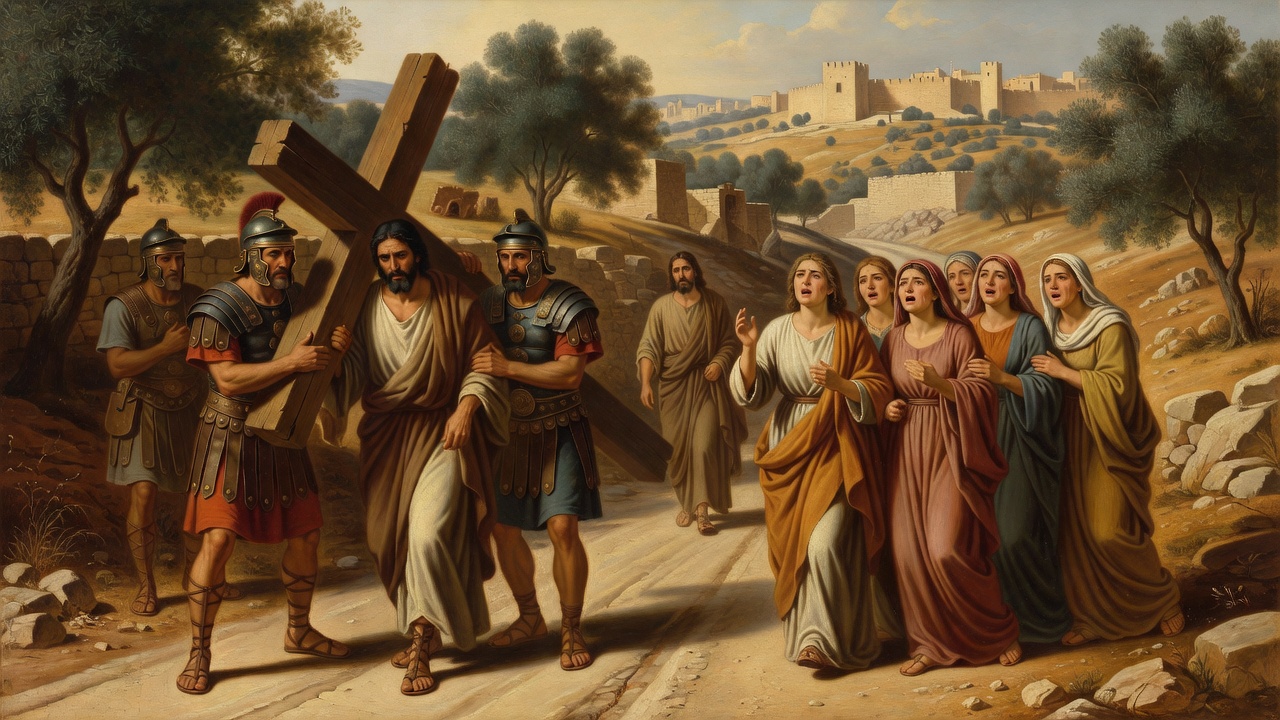
Jesús wötëne krus mik
26Mik Roma shkëkipa wa̱ Jesús dami, e'pa tö isué̱ tö ie' kë̀ ki̱ krus dë'ka̱ia̱, eta̱ ie'pa tö wëm eköl kiè Simón e' klö'wé̱wa̱ ta̱ iké krus ppökka̱ tsè̱mi Jesús itöki̱. Wëm e' dör Cirene wak. Ie' tso' bánet, e̱rpa e' de Jerusalén.
27Tai̱ë pë' mirwa̱ Jesús itöki̱. E'pa shu̱a̱ alakölpa tso' tai̱ë ii̱u̱ramirak tai̱ë ie' i̱e̱itsök. 28Jesús wötréene ie'pa sa̱u̱k ta̱ ichéitö:
—A Jerusalén alékölpa, ka̱wö suluë döraë a' ki̱, e' kue̱ki̱ kë̀ a' i̱u̱k ye' i̱e̱itsök. E' skéie a' wákpa e̱' i̱e̱itsö́, ñies a' ala'r i̱e̱itsö́. Aishkuö ta̱ iyërdaë: ‘Ayëcha buaë alakölpa ko̱s kë̀ döta̱' alàë. Ayëcha buaë alakölpa ko̱s kë̀ alà ta̱'.’ 30Ye' dör we̱s kal pa̱'a̱li̱ es e' weirke i' es, e' ta̱ ¿ì kë̀ wamblërpa a' dör we̱s kal sí es, e'pa ta̱? E' kue̱ki̱ e' ké̱wö ska' ta̱ iyërdaë ka̱bata a̱: ‘Be' a̱núka̱ sa' ki̱ a̱s sa' duö̀wa̱ wötëulewa̱ íyök a̱.’
32Ñies wëpa böl dör pë' sulusipa e'pa mirwa̱rak iwa̱ Jesús ta̱ wötèwa̱ krus mik. 33Mik ie'pa demirak ká̱ kiè S'wökirdiche ee̱, eta̱ ie'pa tö Jesús wöté krus mik. Ñies wëpa böl sulusipa wötérakitö, eköl iulà bua'kka, eköl bakli̱'kka. 34[Jesús tö iché: “A yë́wö, ì wambleke ie'pa tö ye' ta̱, e' kë̀ a̱ne ie'pa é̱na, e' kue̱ki̱ e' nuí̱ olo'yö́ ie'pa ki̱.”]
Eta̱ Roma shkëkipa iné ñì ma'wo̱ie suè̱ tö we̱s ie'pa tö Jesús datsi' blatemi ñì a̱. 35Pë' iëte̱r Jesús sa̱u̱k. Dö̀ judiowak wökirpa tso' ie' wayuök suluë, ie'pa tö icheke:
—Moki̱ ie' dör wé̱ pairine'bitu̱ idi' wa s'blúie shu̱kit Skëköl tö e' e̱'ma a̱s iwák e̱' tsa̱tkö̀ we̱s o̱'kapa tsa̱tkéitö es.
36Ñies Roma shkëkipa tö ie' wayué. Ie'pa de tsi̱net ie' ska' ta̱ blo' shköshkö watké ie'pa tö ie' a̱. 37Ie'pa iché:
—¡Moki̱ be' dör judiowak blú, e̱'ma be' wák e̱' tsa̱tkö́!
38Kaltak ki̱ itso' kitule tö ichè: “I' dör judiowak blú e'”, e' batsulewa̱ Jesús tsa̱ka̱.
39Eta̱ wëm eköl àr wötëulewa̱ ikrus mik Jesús o̱'mik, e' tso' ie' chök suluë. Ichéitö ia̱:
—¡Moki̱ be' dör wé̱ pairine'bitu̱ idi' wa s'blúie e', e̱'ma be' e̱' tsa̱tkö́, ñies sa' tsa̱tkö́!
40Erë iëköl tso' wötëulewa̱ ie' o̱'mik, e' tö iëköl uñé ta̱ ichéitö:
—Be' wömenettsa̱ ttèwa̱ we̱s ie' es, erë wësua be' kë̀ suar ta̱' Skëköl yöki̱. 41Moki̱ se' weirke se' wák kue̱ki̱, se' nuì̱ kue̱ki̱. Erë ie' kë̀ wa̱ ì sulu wamblëne yës.
42E' ukuöki̱ ta̱ ie' tö iché Jesús a̱:
—A Jesús, mik be' detkene s'blúie, eta̱ kë̀ be' é̱na ye' chökwa.
43Ie' tö iiu̱té:
—Moki̱ ye' tö be' a̱ ichè tö i̱'ñe be' dörawa̱ ká̱ buaala tso' ká̱ jaì a̱ e' a̱ ye' ta̱.
Jesús duowa̱
44Mik diwö de bata a̱, eta̱ ká̱ mía̱ ttsettseë ká̱ wa'ñe, dö̀ tsá̱li̱ diwö de mañat ekkë. 45Diwö kë̀ dalöbunei̱a̱, eta̱ Skëköl wé a̱ ie'pa wa̱ datsi' buririë ese shu̱ku̱ar u blatoie, e' jchënane shu̱sha̱ë. |src="12 LB00265 b.tif" size="col" ref="Lc 23.45" 46Eta̱ Jesús tö iché a̱neule:
—A yë́wö, ye' wiköl méa̱t be' ulà a̱.
E' chéitö ta̱ isiwa̱' bata tké.
47Roma ñippökwak eköl dör capitán, mik e' tö isué̱, eta̱ Skëköl ki̱kéka̱itö ta̱ ichéitö:
—Moki̱, wëm wí̱ se̱ne' yësyësë.
48Pë' daparke tai̱ë isa̱u̱k, mik e'pa tö isué̱ tö we̱s Jesús blënewa̱, eta̱ ie'pa e̱rianeka̱ tai̱ë ta̱ es imíyalnerak iu a̱. 49Erë wé̱pa wa̱ Jesús su̱ule buaë ena alakölpa manetwa̱ ie' ta̱ Galilea, e'pa ko̱s iëte̱r ie' kí̱ sa̱u̱k erë ka̱mië.
Jesús nu wötëne
50Wëm tso' eköl kiè José, e' dör ká̱ kiè Arimatea e' wak. Arimatea a̱te̱ Judea. Ie' dör wëm buaë yësyësë. Ñies ì blúie Skëköl tso' e' ké̱wö panuk ie' tso'. Ie' dör judiowak wökirpa e' eköl, erë ie' tö ibikeitsé tö we̱s imale̱pa tö Jesús wé̱ e' dör suluë. 52Ie' mía̱ Pilato ska', eta̱ Jesús nu kiéitö. 53Ie' tö Jesús nu yéttsa̱ krus mik éwa i̱ski̱ ta̱ ipatréwa̱itö datsi' ukuö bua'bua saruru ese wa. E' ukuöki̱ ta̱ ie' tö Jesús nu bléwa̱ ákuk bine pa̱'a̱li̱ s'nu blóie ese a̱. 54Ká̱ tuirketke eta̱ e̱no diwö batseitsekemitke, e' kue̱ki̱ ie' ka̱wöta̱ Jesús nu wötökwa̱ bet.
55Eta̱ alakölpa manetwa̱ Jesús ta̱ Galilea, e'pa mirwa̱ñak isa̱u̱k tö wé̱ Jesús nu mekewa̱. Ie'pa tö isué̱ tö we̱s ie' nu blëne ákuk a̱. 56Mik ie'pa dene u a̱, eta̱ kiö̀ masmas tso' tè s'nu ki̱, ese kanewé̱rakitö. Ie'pa tö e̱no diwö batseitsé we̱s Skëköl ttè dalöiëno tö ichè es.
Did you know?
Trial, Cross, and Burial
- Pontius Pilate, identified by Easton's Bible Dictionary (1897) as the sixth Roman procurator of Judea (A.D. 26–36), kept his headquarters at Caesarea but often went up to Jerusalem. The council’s accusations in this chapter are political: that Jesus was subverting the nation, forbidding the payment of taxes to Caesar, and proclaiming himself Christ, a king.Sources: Pontius Pilate · the Bible text itself
- When Pilate learned that Jesus was a Galilean and under Herod’s jurisdiction, he sent him to Herod Antipas, a son of Herod by Malthace, who was then in Jerusalem. Herod had long wanted to see Jesus and hoped for a miracle, but Jesus did not answer his questions. After Herod and his soldiers mocked Jesus and dressed him in a fine robe, they sent him back, and that day Herod and Pilate, who had been enemies, became friends.Sources: Herod Antipas · the Bible text itself
- The place of crucifixion is called The Skull; a Latin form, Calvaria, translated the Greek Kranion, which rendered the Hebrew Gulgoleth. It probably took this name from its shape, a low, rounded, bare rise somewhat like a human skull, and Scripture nowhere calls it a hill. The crucifixion took place outside the city walls and near a public road.Sources: Skull · the Bible text itself
Notes written with AI assistance from open sources (Theographic Bible Metadata, CC BY-SA 4.0; Easton’s Bible Dictionary, public domain) and reviewed before publishing.
Places in this chapter
- Galilee · 32.760, 35.527 · verses 5, 6, 7, 49, 55
- Jerusalem · 31.777, 35.234 · verses 5, 7, 19, 28
- Judea · Today: Judea 1 · 31.777, 35.234 · verses 5, 51
- Cyrene · 32.821, 21.851 · verse 26
Only places identified with high confidence are shown (90% or more according to the scholarly sources compiled by OpenBible). Period map: DARE (Digital Atlas of the Roman Empire), CC BY 4.0; modern map: © OpenStreetMap contributors; places: OpenBible.info (CC BY 4.0).
Credits and license for this translation
Tte Pa̱'a̱li̱ Me' Skëköl tö Se' a̱
New Testament and Shorter Old Testament in Bribri (CS:bzd:Bribri)
copyright © 2010 Wycliffe Bible Translators, Inc.
Language: Bribri
Translation by: Wycliffe Bible Translators, Inc.
Bribri
bzd
Costa Rica
Copyright Information
© 2010, Wycliffe Bible Translators, Inc. All rights reserved.
This translation text is made available to you under the
terms of the Creative Commons License: Attribution-Noncommercial-No Derivative Works.
( http://creativecommons.org/licenses/by-nc-nd/3.0/ )
In addition, you have permission to port the text to different file formats, as long as you
do not change any of the text or punctuation of the Bible.
You may share, copy, distribute, transmit, and extract portions
or quotations from this work, provided that you include the above copyright
information:
You must give Attribution to the work.
You do not sell this work for a profit.
You do not make any derivative works that change any of the actual words or punctuation of the Scriptures.
Permissions beyond the scope of this license may be
available if you contact
us with your request.
The New Testament and Shorter Old Testament
in Bribri
© 2010, Wycliffe Bible Translators, Inc. All rights reserved.
This translation is made available to you under the terms of the
Creative Commons Attribution-Noncommercial-No Derivatives license 4.0.
You may share and redistribute this Bible translation or extracts from it in any format, provided that:
You include the above copyright and source information.
You do not sell this work for a profit.
You do not change any of the words or punctuation of the Scriptures.
Pictures included with Scriptures and other documents on this site are licensed just for use with those Scriptures and documents.
For other uses, please contact the respective copyright owners.
2014-04-22
Source: http://ebible.org/bzdNTpo/ · eBible.org