Jonah 4
Tte Pa̱'a̱li̱ Me' Skëköl tö Se' a̱ · Tap a verse to see its cross-references.
Jonás uluneka̱ Skëköl ki̱
1Erë e' kë̀ dör bua' Jonás a̱ ta̱ ie' uluneka̱ tai̱ë. 2Ie' iché Jehová a̱:
—A Jehová, be' isué̱. Mik ye' tkëria̱ ye' ka̱ska', eta̱ ye' iyë' tö be' e̱r buaë chöraë Nínive wakpa a̱. Ye' wa̱ ijche̱r tö be' dör es, e' kue̱ki̱ ye' bakshkar Tarsis. Ye' wa̱ ijche̱r tö be' kë̀ ulurta̱'ka̱ bet. Be' e̱r tottoë. Be' sa' suè̱ e̱r sia̱rë wa. Mik sa' tö ì sulu wamblé ta̱ sa' e̱r mane'wé̱, e' ta̱ bet e' nuí̱ olo'yé be' tö sa' ki̱, kë̀ sa' we'ikè we̱s be' sa' pau̱ñé es. 3A Jehová, e' kue̱ki̱ ye' be' a̱ ichè ye' ttö́wa̱, e' dör bua'ie ye' a̱.
4Erë Jehová tö ie' a̱ ichaké:
—¿I̱ma be' ibikeitsè tö be' wa̱ ka̱wö ta̱' ulunukka̱ se̱ es?
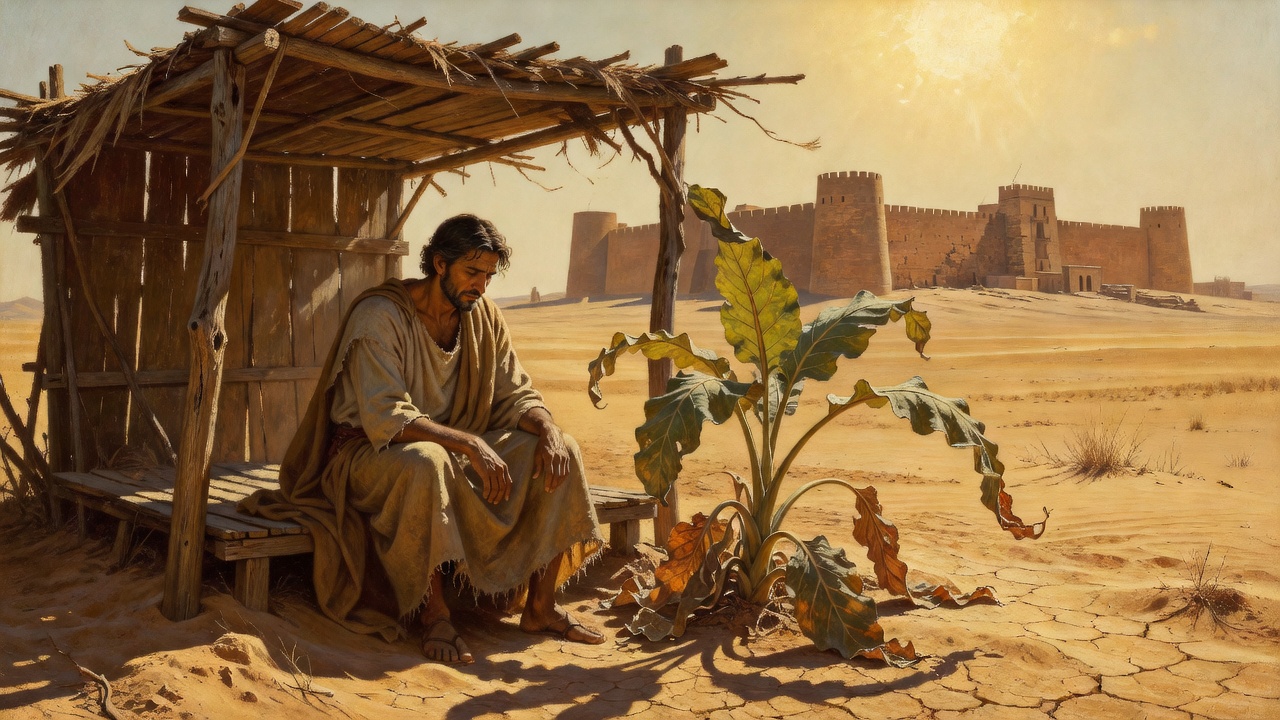
5Eta̱ Jonás e̱' yéttsa̱ Nínive mía̱ diwö tskirke e' kke̱ ta̱ ee̱ úla yuéka̱itö e̱' blóie dìba yöki̱. Ee̱ ie' e̱' tkése̱r ì tkö̀mi Nínive wakpa ta̱ e' wà panuk. 6Eta̱ Skëköl Jehová tö kalkua tskéka̱ elka tala'wé̱ka̱itö Jonás tsa̱ka̱ a̱s ikí̱ ttsë'r buaë. E' tö ie' ttsë'wé̱ buaë. 7Erë bule es bla'mi ká̱ ñine eta̱ Skëköl tö í̱ patké kalkua katökwa ta̱ isinewa̱ duowa̱. 8Mik diwö deka̱, eta̱ ie' tö siwa̱' darërëë ba'baë e' patké diwö tskirke e' kke̱ Jonás ki̱. Dìba a̱ne darërëë Jonás wökir ki̱, ta̱ ie' tö ittsé tö ie' siwa̱'a̱rkewa̱. Ibikeitséitö “¡Ye' mú duö̀wa̱!” Ie' iché, “Ye' duowa̱, e' dör bua'ie ye' a̱.”
9Erë Skëköl tö iché ie' a̱:
—¿I̱ma be' ibikeitsè tö be' wa̱ ka̱wö ta̱' ulunukka̱ kalkua sinewa̱ e' kue̱ki̱?
Ie' iiu̱té:
—Tö́, ye' wa̱ ka̱wö ta̱'. ¡Ye' ulune tai̱ë mik ye' duowa̱ eta̱ e' olone!
10Eta̱ Jehová tö iché ie' a̱:
—Kal kuá kë̀ tkëne be' wa̱, kë̀ talane kë̀ kaneo̱ne be' wa̱. E' tskine talane ká̱ et nañewe ë̀, bule es nañewe ta̱ iduowa̱, e' dalëne be' é̱na. 11Eta̱ ¿we̱s ye' kë̀ é̱na Nínive wakpa dalënuk? Ie'pa dör tai̱ë, ie'pa ala'rla tso' tai̱ë döka̱ 120.000 kë̀ wa̱ ijche̱r ì dör buaë, ì dör suluë. Ñies ie'pa iyiwak tso' tai̱ë.
Did you know?
Jonah's Anger and God's Compassion
- Jonah admits that he originally attempted to flee toward Tarshish precisely because he knew God is gracious, compassionate, slow to anger, and relents from sending disaster. His distress arose when God chose to spare Nineveh rather than destroy it.Sources: the Bible text itself · Tarshish
- Nineveh, the flourishing capital of the Assyrian empire, is described at the conclusion of the book as home to more than 120,000 people who cannot discern between their right and left hand, along with many cattle. God highlights this massive population to contrast divine compassion with Jonah's concern for a single withered plant.Sources: the Bible text itself · Nineveh
Notes written with AI assistance from open sources (Theographic Bible Metadata, CC BY-SA 4.0; Easton’s Bible Dictionary, public domain) and reviewed before publishing.
Places in this chapter
- Nineveh · 36.359, 43.153 · verse 11
Only places identified with high confidence are shown (90% or more according to the scholarly sources compiled by OpenBible). Period map: DARE (Digital Atlas of the Roman Empire), CC BY 4.0; modern map: © OpenStreetMap contributors; places: OpenBible.info (CC BY 4.0).
Credits and license for this translation
Tte Pa̱'a̱li̱ Me' Skëköl tö Se' a̱
New Testament and Shorter Old Testament in Bribri (CS:bzd:Bribri)
copyright © 2010 Wycliffe Bible Translators, Inc.
Language: Bribri
Translation by: Wycliffe Bible Translators, Inc.
Bribri
bzd
Costa Rica
Copyright Information
© 2010, Wycliffe Bible Translators, Inc. All rights reserved.
This translation text is made available to you under the
terms of the Creative Commons License: Attribution-Noncommercial-No Derivative Works.
( http://creativecommons.org/licenses/by-nc-nd/3.0/ )
In addition, you have permission to port the text to different file formats, as long as you
do not change any of the text or punctuation of the Bible.
You may share, copy, distribute, transmit, and extract portions
or quotations from this work, provided that you include the above copyright
information:
You must give Attribution to the work.
You do not sell this work for a profit.
You do not make any derivative works that change any of the actual words or punctuation of the Scriptures.
Permissions beyond the scope of this license may be
available if you contact
us with your request.
The New Testament and Shorter Old Testament
in Bribri
© 2010, Wycliffe Bible Translators, Inc. All rights reserved.
This translation is made available to you under the terms of the
Creative Commons Attribution-Noncommercial-No Derivatives license 4.0.
You may share and redistribute this Bible translation or extracts from it in any format, provided that:
You include the above copyright and source information.
You do not sell this work for a profit.
You do not change any of the words or punctuation of the Scriptures.
Pictures included with Scriptures and other documents on this site are licensed just for use with those Scriptures and documents.
For other uses, please contact the respective copyright owners.
2014-04-22
Source: http://ebible.org/bzdNTpo/ · eBible.org