Jonah 1
Tte Pa̱'a̱li̱ Me' Skëköl tö Se' a̱ · Tap a verse to see its cross-references.
About this book
About Jonah
- Jonah, whose name means “a dove,” was the son of Amittai of Gath-hepher and a prophet of Israel. Easton's Bible Dictionary (1897) holds that he wrote the book himself. His ministry is placed very early in the reign of Jeroboam II: he was contemporary with Hosea and Amos, or possibly earlier, and so may have been the oldest of the prophets whose writings survive.Sources: Jonah · Amittai · Easton: Jonah, Book of
- The book professes to tell what actually happened to the prophet. Some critics have read it as a parable or allegory rather than history, because miracle is so prominent and the form is narrative rather than prophecy, or because they deny miracles altogether. Easton's Bible Dictionary (1897) instead treats it as history, attaching great weight to the mention of Jonah in Matthew 12:39-40 and Luke 11:29.Sources: Easton: Jonah, Book of
- Jonah was commissioned to go to Nineveh, described as a great and populous city and the flourishing capital of the Assyrian empire, but he sailed from Joppa, Judea's chief seaport, to flee toward Tarshish. Where Tarshish lay is disputed: some place it in the east, on the Indian coast, some identify it with Carthage, and Easton's dictionary takes it to be a Phoenician port in Spain.Sources: Easton: Jonah, Book of · Nineveh · Joppa · Tarshish
- Easton's outline has four movements: the divine commission, disobedience, and punishment; Jonah's prayer and deliverance; a second commission, the Ninevites' repentance, and God's sparing mercy; and Jonah's anger at that mercy, followed by a rebuke. The same dictionary notes that Nineveh was spared for more than a century after his mission.Sources: Easton: Jonah, Book of
- As a prophet of Israel, Jonah foretold the restoration of the kingdom's ancient borders. A biographical note presents him both as a missionary to Nineveh and as a type of the Son of man. The book of Nahum is taken up almost entirely with denunciations of that city, and Zephaniah also predicts its destruction.Sources: Jonah · Nineveh
Notes written with AI assistance from open sources (Theographic Bible Metadata, CC BY-SA 4.0; Easton’s Bible Dictionary, public domain) and reviewed before publishing.
Jonás kë̀ é̱na Jehová ttö̀ iu̱tak
1Etökicha ta̱ Jehová tö iché itteköl kiè Jonás dör Amitai alà, e' a̱: 2“Be' yú ká̱ kibi kiè Nínive ee̱, ta̱ ichö́ ká̱ e' wakpa a̱ we̱s a' e̱' wamblö̀ e' dör suluë ye' wöa̱, e' kue̱ki̱ ye' tö a' e̱we̱rawa.”
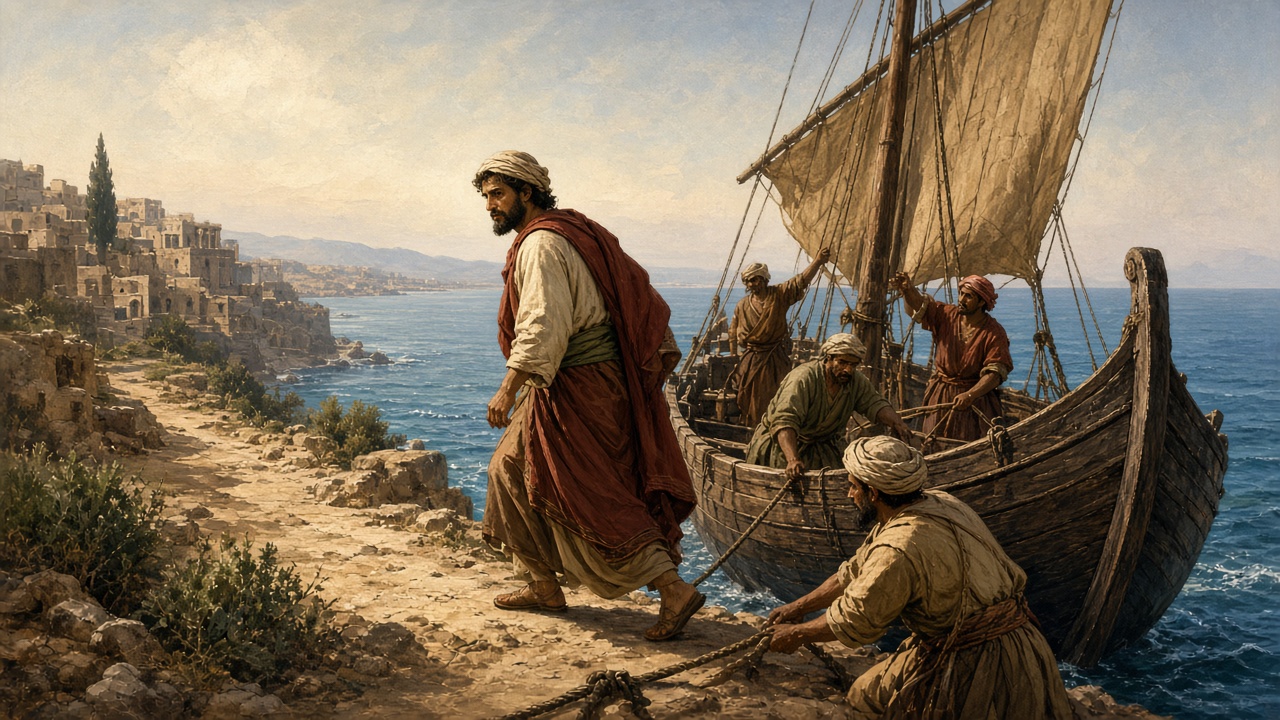
3Erë ie' kë̀ é̱na Jehová ttö̀ iu̱tak. E' kue̱ki̱ ie' tkashkar iyöki̱. Ie' mía̱ dayë kkömik ká̱ kiè Jope wé̱ kanò irirke ee̱. Ee̱ ie' tö kanò kué̱ etö mitke ká̱ kiè Tarsis e' patué̱itö shkomi ta̱ ie' e̱' iéka̱ iki̱ ta̱ imía̱. I' dör ká̱ kiè Jope e'.|src="HK00370b.tif" size="span" ref="Jonás 1.3"
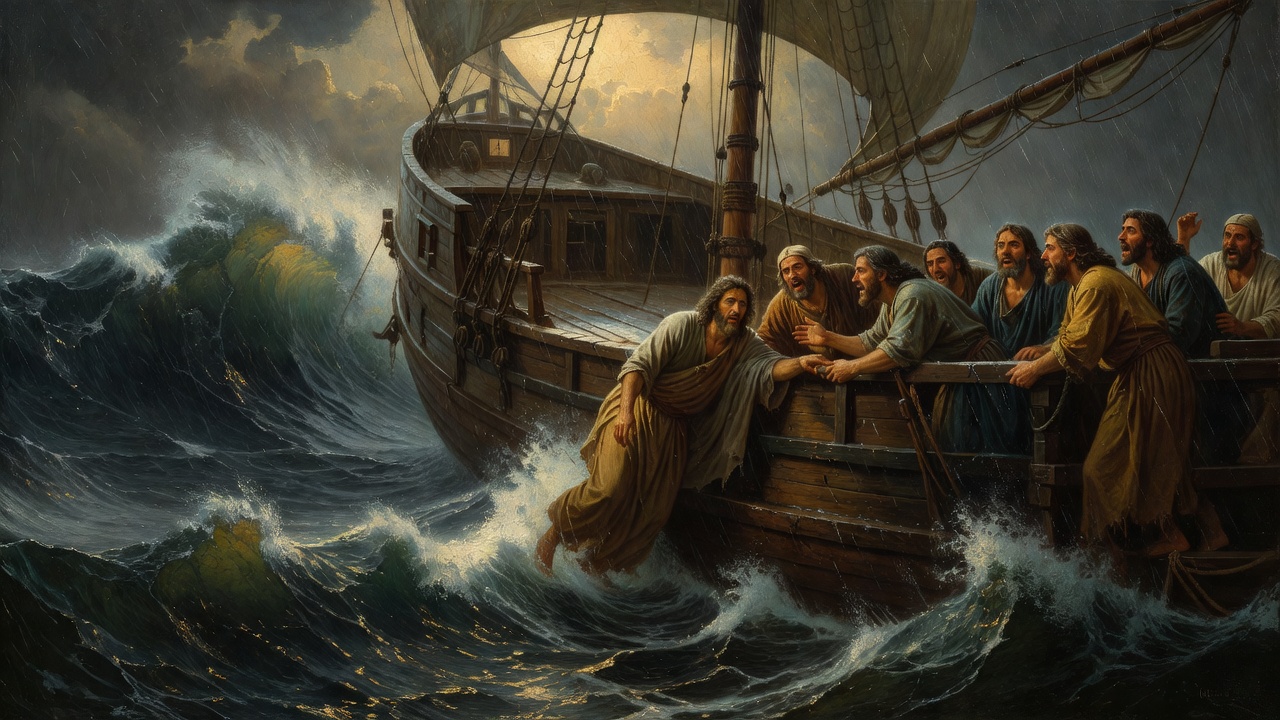
4Erë Jehová tö sërkë patké ie'pa ki̱ tai̱ë darërëë. E' tö kanò u̱yé tai̱ë dö̀ wësua itskirwa̱mi. 5Eta̱ ko̱s ie'pa tso' kanò a̱, e'pa suane tai̱ë. Ie'pa eköl eköl tö ikieke a̱neule iwák këköl a̱: “¡Sa' tsa̱tkö́, sa' tsa̱tkö́!” Eta̱ dalì ko̱s tuléttsa̱mi dayë ki̱ a̱s kë̀ kanò katsi̱rwa̱.
Erë Jonás e̱' a'wa kanò shu̱a̱ dalì bló wé a̱, ee̱ ie' kapötër tai̱ë. 6Eta̱ kanò ñakökwak mía̱ dö̀ wé̱ ie' kapötër ee̱ ta̱ iché ia̱:
—¿Iö́k be' kapötër? ¡Be' e̱' kö́ka̱! Be' këköl a̱ ikiö́ a̱s ie' tö se' tsa̱tkö̀. Isalema ie' se' suè̱mi e̱r sia̱rë wa ta̱ se' tsa̱tkèmiitö.
7E' dalewa kanò wakpa male̱pa tö iché ñì a̱:
—Mishka itötkök isuo̱ie yi ia̱ne iwiie e' kue̱ki̱ se' weirke i' es.
Eta̱ iwëne tö Jonás idir. 8E' kue̱ki̱ ie'pa iché ie' a̱:
—Ichö́ sa' a̱, ¿ì kue̱ki̱ ì sulu i' tköke se' ta̱? ¿Iö́k be' e̱' iébitu̱ kanò i' a̱? ¿Wé̱ be' datse̱? ¿Yi ditséwö be' dör?
9Ie' iiu̱té:
—Ye' dör hebreowak. Jehová dör Skëköl tso' ká̱ jaì a̱ e' dalöiökwak ye' dör. Ie' tö dayë ena ká̱ i' yö'a̱t.
10Ie' tö ie'pa a̱ ipaké tö ie' tso' tkökshkar Jehová yöki̱. Mik e' ttsé ie'pa tö ñies isué̱rakitö tö dayë kí̱ ulune tai̱ë, eta̱ ie'pa suane tai̱ë shu̱te̱. Ie'pa tö ie' a̱ ichaké:
—¿Ì wè̱mi sa' tö be' ta̱ a̱s sërkë wöklörwa̱?
12Ie' tö iiu̱té:
—Ye' wa̱ ijche̱r buaë tö ye' kue̱ki̱ sërkë i' bitsi̱neka̱ tai̱ë a' ki̱. E' kue̱ki̱ ye' u̱yö́mi dayë a̱ eta̱ sërkë wöklördawa̱.
13Erë kanò wákpa tö kanò iklémi darërëë a̱s irirka̱. Erë kë̀ ie'pa diché dë'ka̱, dayë kí̱ ulune tai̱ë e' kue̱ki̱. 14Eta̱ ie'pa tö Jehová a̱ ikié i' es: “A Jehová, kë̀ sa' maktsa̱ duökwa̱ wëm i' kue̱ki̱. I' u̱k be' tso' sa' ta̱, e' we̱kebö we̱s be' ki̱ ikiane es. E' kue̱ki̱ wëm i' kë̀ ki̱ ì nuí̱ ta̱', e' ta̱ sa' tö ie' u̱yekemi dayë a̱ e' nuí̱ kë̀ marka̱ sa' ki̱.”
15E' ukuöki̱ ta̱ ie'pa tö Jonás u̱yémi dayë a̱, eta̱ sërkë wöklönewa̱ ta̱ dayë mía̱ne a̱lmië. 16Mik kanò wákpa tö e' sué̱, eta̱ ie'pa suane tai̱ë Jehová yöki̱ ta̱ idalöiérakitö tai̱ë. E' ukuöki̱ ta̱ ie'pa tö iyiwak jché ña'wé̱ mè Skëköl a̱ idalöioie, ñies ie'pa tö ttè mé ie' a̱ tö sa' tö be' dalöieraë.
17Eta̱ Jehová tö nima bërie shu̱te̱ patké etö Jonás mulu̱kwa̱. Eta̱ nima e' tö imulé̱wa̱ ta̱ ee̱ nima shu̱a̱ ie' se̱né döka̱ ká̱ mañat ñië nañeë.
Did you know?
Jonah Flees from the Lord
- Jonah, the son of Amittai from Gath-hepher, is also recorded in 2 Kings 14:25 as a prophet active in the northern kingdom of Israel during the reign of Jeroboam II. God instructed him to travel east to Nineveh, the prominent and populous capital of the Assyrian empire, to preach against its wickedness.Sources: Jonah · Amittai · Nineveh · the Bible text itself
- Rather than traveling northeast overland to Nineveh, Jonah journeyed down to the Mediterranean seaport of Joppa to board a ship for Tarshish. Tarshish is traditionally identified as a Phoenician trading port located far to the west in southern Spain, representing the exact opposite direction.Sources: Joppa · Tarshish · the Bible text itself
- The sailors aboard the cargo ship came from polytheistic backgrounds, each calling out to his own deity during the violent tempest. After throwing the ship's cargo overboard to lighten the vessel, they turned to the ancient practice of casting lots to determine who was responsible for the calamity.Sources: the Bible text itself
Notes written with AI assistance from open sources (Theographic Bible Metadata, CC BY-SA 4.0; Easton’s Bible Dictionary, public domain) and reviewed before publishing.
Places in this chapter
Only places identified with high confidence are shown (90% or more according to the scholarly sources compiled by OpenBible). Period map: DARE (Digital Atlas of the Roman Empire), CC BY 4.0; modern map: © OpenStreetMap contributors; places: OpenBible.info (CC BY 4.0).
Credits and license for this translation
Tte Pa̱'a̱li̱ Me' Skëköl tö Se' a̱
New Testament and Shorter Old Testament in Bribri (CS:bzd:Bribri)
copyright © 2010 Wycliffe Bible Translators, Inc.
Language: Bribri
Translation by: Wycliffe Bible Translators, Inc.
Bribri
bzd
Costa Rica
Copyright Information
© 2010, Wycliffe Bible Translators, Inc. All rights reserved.
This translation text is made available to you under the
terms of the Creative Commons License: Attribution-Noncommercial-No Derivative Works.
( http://creativecommons.org/licenses/by-nc-nd/3.0/ )
In addition, you have permission to port the text to different file formats, as long as you
do not change any of the text or punctuation of the Bible.
You may share, copy, distribute, transmit, and extract portions
or quotations from this work, provided that you include the above copyright
information:
You must give Attribution to the work.
You do not sell this work for a profit.
You do not make any derivative works that change any of the actual words or punctuation of the Scriptures.
Permissions beyond the scope of this license may be
available if you contact
us with your request.
The New Testament and Shorter Old Testament
in Bribri
© 2010, Wycliffe Bible Translators, Inc. All rights reserved.
This translation is made available to you under the terms of the
Creative Commons Attribution-Noncommercial-No Derivatives license 4.0.
You may share and redistribute this Bible translation or extracts from it in any format, provided that:
You include the above copyright and source information.
You do not sell this work for a profit.
You do not change any of the words or punctuation of the Scriptures.
Pictures included with Scriptures and other documents on this site are licensed just for use with those Scriptures and documents.
For other uses, please contact the respective copyright owners.
2014-04-22
Source: http://ebible.org/bzdNTpo/ · eBible.org