John 8
Tte Pa̱'a̱li̱ Me' Skëköl tö Se' a̱ · Tap a verse to see its cross-references.
1Erë Jesús mía̱ Olivo ké̱bata a̱. 2Bule es bla'mi ie' dene Skëköl wé a̱ ta̱ pë' ulitane debitu̱ ie' ska'. Ie' e̱' tkése̱r ie'pa wöbla'u̱k.
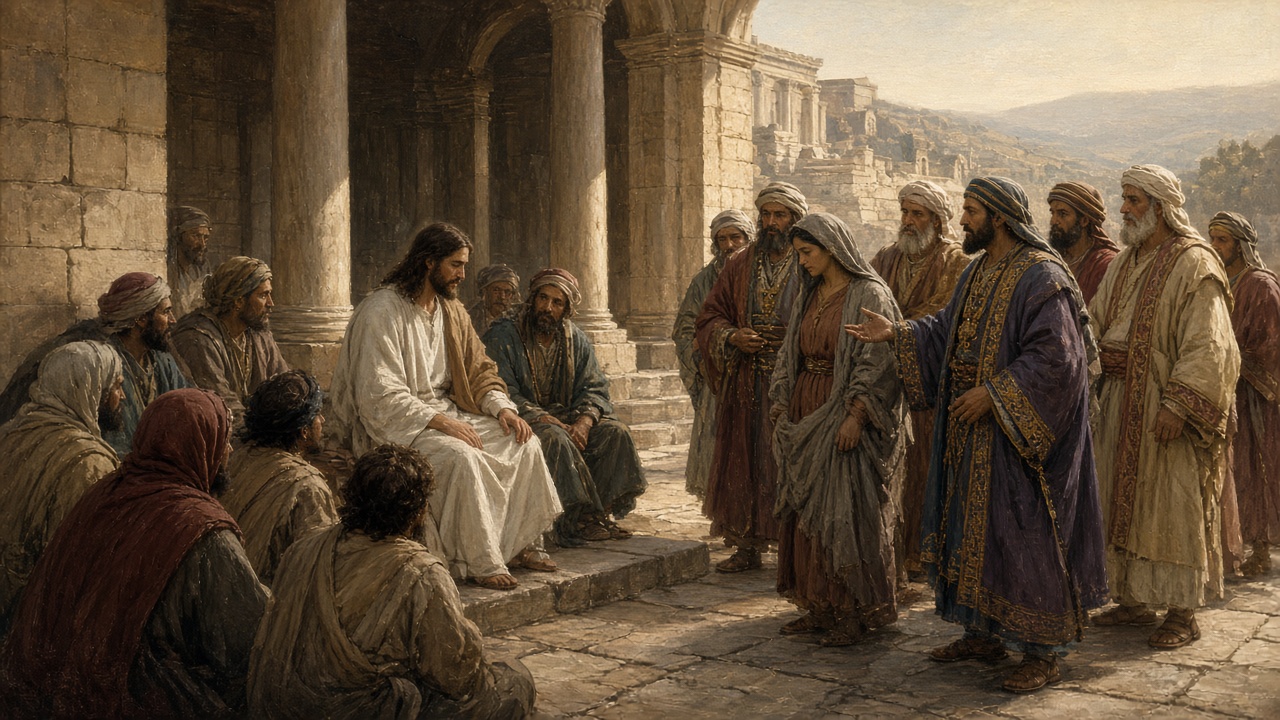
3S'wöbla'u̱k ttè dalöiëno wa wakpa ena fariseowakpa de ie' ska'. Ie'pa wa̱ alaköl eköl ku̱newa̱ ise̱newa̱bak dalöse̱u̱kwa̱ e' debitu̱. Ie'pa tö iké e̱' duökse̱r sulitane wörki̱. 4Ie'pa tö iché Jesús a̱:
—A s'wöbla'u̱kwak, alaköl i' ku̱newa̱ ise̱newa̱bak dalöse̱u̱kwa̱. 5Ttè dalöiëno me'a̱t Moisés tö se' a̱, e' tö se' ké alaköl i'se ttökwa̱ ák wa. ¿I̱ma e' chè be' tö?
6Ie'pa tö Jesús a̱ ichaké ima'wo̱ie tö i̱ma ie' tö iu̱tèmi ikkatoie. Erë Jesús e̱' wöéwa i̱ski̱ ta̱ iulatska wa ishtémiitö i̱ski̱ we̱s íyi shtèsö yëkkuö ki̱ es. 7Ie'pa tö ikí̱ chaké ia̱. Ie̱' wöduéka̱ ta̱ ichéitö:
—A' wé̱ kë̀ wa̱ ì sulu wamblëule yës, ese tö ák tsá̱ u̱yö́ ie' ki̱.
8Eta̱ Jesús e̱' wöéwane i̱ski̱ ta̱ ishtémineitö i̱ski̱. 9Mik ie'pa tö ttè e' ttsé, eta̱ ì sulu wambleke ie'pa tö, ese a̱ne ie'pa é̱na ta̱ imíyal eköl eköl. Ikëkëpa míyal ke̱we, e' itöki̱ iduladulapa. Bata ekkë ta̱ alaköl ë̀ a̱te̱ dur Jesús wörki̱. 10Eta̱ Jesús e̱' wöduéka̱ne ta̱ ie' a̱ ichakéitö:
—A tayë, ¿wé̱ ie'pa? ¿Yi a̱te̱ be' kkatök?
11Ie' tö iiu̱té:
—A këkëpa, kë̀ yi a̱te̱.
Jesús tö iché ia̱:
—Ye' ñies kë̀ tö be' kkatè. Be' yúshka. Kë̀ ì sulu skà wamblaria̱.]
Jesús dör we̱s ká̱ olo es sulitane a̱
12Eta̱ Jesús tö iskà chéne pë' a̱:
—Ye' dör ká̱ ulitane wakpa a̱ we̱s ká̱ olo es. Wé̱pa e̱' yué ye' ttökataie, esepa se̱r michoë ká̱ olo e' a̱. Ie'pa kë̀ se̱rpaia̱ we̱s s'shkö̀ stui a̱ es.
13Fariseowakpa tö iché ie' a̱:
—Be' wák tso' e̱' tté chök, e' kue̱ki̱ be' ttö̀ kë̀ wà ta̱'.
14Ie' tö ie'pa iu̱té:
—E' yëne tö ye' e̱' tté chöke, erë i̱ma ye' e̱' chöke e' wà ta̱'. Ye' wa̱ ijche̱r wé̱ ye' datse̱, ñies wé̱ ye' michoë, erë e' kë̀ jche̱r a' wa̱. E' kue̱ki̱ i̱ma ye' e̱' chö̀ e' wà ta̱'. 15A' tö ye' bikeitseke we̱s a' wakpa ka̱bikeitsö̀ es, e' kue̱ki̱ a' tö ye' kkateke tö ye' dör ka̱chökwak. Erë ye' kë̀ tö yi bikeitseta̱' es. Ye' kë̀ dë'bitu̱ yi shu̱lök, ye' dë'bitu̱ s'tsa̱tkök. 16Erë mik ye' tö s'shu̱lè, eta̱ ye' kë̀ tö s'shu̱leta̱' ekörla, e' kue̱ki̱ ye' tö s'shu̱leraë yësyësë. Ye' yë́ tö ye' patkë', e' tso' ye' ta̱ s'shu̱lök. 17Ttè dalöiëno tö ichè tö s'ditsö böl tso' ittekölie, e'pa tö iché ñikkëë, e' ta̱ ie'pa ttè wà ta̱'. 18Es e', ye' dör ye' wák tteköl. Ñies ye' Yë́ tö ye' patkë', e' dör ye' tteköl. E' kue̱ki̱ ye' ttekölpa dör böl.
19Ie'pa tö ie' a̱ ichaké:
—¿Wé̱ be' yë́ tso'?
Ie' iiu̱té:
—A' kë̀ wa̱ ye' su̱ule, ñies a' kë̀ wa̱ ye' Yë́ su̱ule. A' mú wa̱ ye' su̱ule, e̱'ma ñies a' wa̱ ye' Yë́ su̱ule.
20Ttè ikkë ché Jesús tö itso' s'wöbla'u̱k e' dalewa. Ie' tkër s'wöbla'u̱k Skëköl wé a̱ wé̱ kalkuö tso' inuköl ioie mè Skëköl a̱ ee̱. Erë ka̱m ie' ké̱wö döka̱, e' kue̱ki̱ kë̀ yi wa̱ iklönewa̱.
A' kë̀ dö̀pa wé̱ ye' mírö ee̱
21Jesús tö iskà ché ie'pa a̱:
—Ye' mía̱ ta̱ a' tö ye' yuleraë, erë a' duöralur ì sulu ko̱s wambleke a' tö e' a̱. E' kue̱ki̱ kë̀ a' döpaka̱ wé̱ ye' mírö ee̱.
22Eta̱ judiowak wökirpa tö iché:
—Ie' iché tö sa' kë̀ döpaka̱ wé̱ ie' mírö ee̱. Ie' e̱' ttökewa̱ alè, e' kue̱ki̱ ie' iché es.
23Ie' tö ie'pa a̱ iché:
—A' dör ká̱ i' wakpa ë̀, erë ye' dör ká̱ jaì wak. A' dör ká̱ í̱e̱ wakpa, erë ye' kë̀ dör ká̱ í̱e̱ wak. 24E' kue̱ki̱ ye' tö a' a̱ ichè tö ‘a' duöralur ì sulu ko̱s wambleke a' tö e' a̱.’ A' kë̀ wa̱ iklöne tö ye' dör yi yë'bitu̱ ye' tö a' a̱ e', e' ta̱ a' duöralur ì sulu ko̱s wambleke a' tö ese a̱.
25Eta̱ ie'pa tö ie' a̱ ichaké:
—¿Yi be' dör?
Ie' tö iiu̱té:
—Ye' dör yi yë'bitu̱ ye' tö a' a̱ kuaë e'. 26Tai̱ë ye' wa̱ ttè tso' a' kkatoie. Erë ì ko̱s cheke ye' tö sulitane a̱ e' ttsëule ye' wa̱ yi tö ye' patkë' e' kkö̀ a̱. Ie' ttè dör moki̱ë.
27Erë ie'pa kë̀ é̱na iwà a̱ne tö ie' tso' iyë́ dör Skëköl, e' chök. 28E' kue̱ki̱ ie' tö iché ie'pa a̱:
—S'ditsö Alà, e' dör ye'. Mik a' tö ye' batséka̱ krus mik, eta̱ a' tö isue̱raë tö yi dör ye'. Ye' kë̀ tö ì wè̱pa ye' wák e̱r wa. Ì cheke ye' Yë́ tö ye' a̱ tö ichö́, e' ë̀ chekeyö. 29Yi tö ye' patkë' e' tso' ye' ta̱. Ì wër buaë ie' wa, e' ë̀ we̱keyö, e' kue̱ki̱ kë̀ ie' wa̱ ye' meulea̱t ekörla.
30Mik e' ché Jesús tö, eta̱ tai̱ë pë' e̱rblé ie' mik.
Se' yënettsa̱ ì sulu ulà a̱ Jesús batamik
31Jesús tö iché judiowak e̱rblé ie' mik, e'pa a̱:
—A' se̱rke ke̱kraë ye' ttè diki̱a̱, e' je' ta̱ a' dör ye' ttökatapa chökle. 32A' wa̱ Skëköl ttè moki̱ e' jche̱rdaë buaë ta̱ e' tö a' yerattsa̱, ì ulà a̱ a' klöulewa̱ e' yöki̱.
33Ie'pa tö ie' iu̱té:
—Sa' dör Abraham aleripa. Sa' kë̀ klöulewa̱ ì ulà a̱. ¿We̱s be' tö ichèmi tö sa' yërdattsa̱?
34Ie' tö ie'pa iu̱té:
—Moki̱ ye' tö a' a̱ ichè tö wé̱pa tö ì sulu wambleke, esepa tso' klöulewa̱ se̱ne sulu ulà a̱. 35Erë́ s'klöulewa̱ kanè mésoie ese se̱rke iwökir ska', erë kë̀ idör iwökir yami e̱kka. Iwökir alà e' dör iyami e̱kka ke̱kraë. 36Ye' dör Skëköl Alà. Ye' tö a' yéttsa̱ se̱ne sulu ulà a̱, e' ta̱ moki̱ a' yënettsa̱. 37Ye' wa̱ ijche̱r tö a' dör Abraham aleripa, erë a' kë̀ tö ye' ttè klö'wè̱, e' kue̱ki̱ a' ki̱ ye' kiane ttèwa̱. 38Ì kkacheke ye' Yë́ tö ye' a̱, ese cheke ye' tö a' a̱. Es ñies a' tö iwambleke we̱s a' yë́ tö a' a̱ ikkacheke es.
39Ie'pa tö iiu̱té:
—Sa' yë́ bak ká̱ ia̱ia̱ë e' dör Abraham.
Erë ie' tö ie'pa a̱ iché:
—A' mú dör Abraham aleripa, e̱'ma a' se̱rmi we̱s ie' se̱ne' es. 40Ye' tö ttè moki̱ ché a' a̱ we̱s Skëköl tö ye' a̱ ikkaché es. E' ë̀ wé̱yö, erë a' ki̱ ye' kiane ttèwa̱. Ese kë̀ wamblëne Abraham wa̱. 41A' e̱' wamblö̀ we̱s a' yë́ e̱' wamblö̀ es.
Ie'pa tö ie' a̱ iché:
—¡Sa' kë̀ dör ñala̱ alé! ¡Sa' yë́ dör eköl ë̀ e' dör Skëköl!
42Ie' tö ie'pa a̱ iché:
—Ye' datse̱ Skëköl ska', e' tso' í̱e̱. Ye' kë̀ dë' ye' wák e̱r wa. Ie' tö ye' patkë'. E' kue̱ki̱ moki̱ ie' chö́pa a' yë́, e̱'ma ye' dalërmi a' é̱na. 43¿Ì kue̱ki̱ a' kë̀ é̱na ye' ttè wà a̱ne? A' kë̀ ki̱ ye' ttè kiane klö'wè̱, e' kue̱ki̱ a' kë̀ é̱na ye' ttè wà a̱ne. 44A' yë́ dör bë́. A' dör ie' ala'r. A' dör ie' icha ta̱ a' e̱' wamblö̀ we̱s ie' ki̱ ikiane es. Ke̱kraë ie' dör s'ttökwak. Ie' ttö̀ ko̱s e' dör ka̱chè wöchka, e' kue̱ki̱ Skëköl ttö̀ moki̱, e' kë̀ wa ie' wöbatsö. Ie' dör ka̱chökwak, ie' wák dër es, e' kue̱ki̱ ie' ka̱chö̀ tai̱ë. Ie' dör ka̱chè këköl. 45Erë ye' tö ttè moki̱ chè a' a̱, e' kue̱ki̱ a' kë̀ tö ye' ttè klö'wè̱. 46¿A' wé̱ tö ikkachèmi tö ye' tö ì sulu wamblé? Ye' tö ttè moki̱ cheke a' a̱, e' ta̱ ¿ì kue̱ki̱ a' kë̀ tö ye' ttè klö'wè̱? 47Yi dör Skëköl icha, ese tö ie' ttè ttsè e̱r bua' wa. Erë a' kë̀ dör ie' icha, e' kue̱ki̱ a' kë̀ é̱na ie' ttè ttsak.
Abraham ka̱m ku̱r e' yöki̱ Jesús tso'tke
48Eta̱ judiowak kë̀ e̱rblëne Jesús mik, e'pa tö iché ie' a̱:
—Mik sa' iché tö be' dör Samaria wak suluë, e' a̱ aknama tso', eta̱ sa' tö iché yësyësë.
49Jesús tö ie'pa iu̱té:
—Au, kë̀ ye' a̱ aknama ku̱'. Ye' tö ye' Yë́ dalöieke, erë a' kë̀ tö ye' dalöiè. 50Ye' kë̀ ku̱' ì yulök ye' wák a̱ e̱' ki̱koka̱. Erë itso' eköl, e' ki̱ ikiane tö a' tö ye' ki̱kèka̱. E' dör s'shu̱lökwak. 51Moki̱ ye' tö a' a̱ ichè tö yi tö ye' ttè iu̱teke moki̱ë, ese kë̀ duö̀pawa̱.
52Ie'pa tö iché ie' a̱:
—I̱'ñe je' sa' tö iklö'wé̱ moki̱ tö be' a̱ aknama tso'. Abraham ena Skëköl ttekölpa ko̱s durulune. ¿We̱s be' tö iché tö yi tö be' ttè iu̱teke, esepa kë̀ duö̀pawa̱? 53¿I̱ma be' e̱rbikö̀ tö be' dör se' yë́ Abraham e' tsa̱ta̱? Ie' blënewa̱ ñies Skëköl ttekölpa ko̱s blërulune. ¿I̱ma be' e̱rbikö̀ tö be' dör yi?
54Ie' tö ie'pa iu̱té:
—Ye' wák e̱' ki̱kökeka̱, e̱'ma e' kë̀ dör ìie bua'. Erë ye' Yë́ tö ye' ki̱kekeka̱, e' wák cheke a' tö tö e' dör a' Këköl. 55Erë a' kë̀ wa̱ ie' su̱ule. Ye' je' wa̱ isu̱ule. Ye' ichö́pa tö ye' kë̀ wa̱ ie' su̱ule, e̱'ma ye' ka̱chö̀ suluë we̱s a' es. Moki̱ ye' wa̱ isu̱ule. Ie' ttè iu̱tekeyö. 56Abraham dör a' yë́ bak ká̱ ia̱ia̱ë e' tö ye' datse̱, e' ké̱wö sue̱raë, e' kue̱ki̱ ie' ttsë'ne buaë. Ie' tö isu̱' ta̱ e' tö ie' ttsëo̱' buaë.
57Ie'pa tö ie' a̱ iché:
—Ka̱m be' ki̱ duas dö̀ dabom ske̱yök (50), eta̱ ¿we̱s be' ichèmi tö be' wa̱ Abraham su̱ule?
58Jesús tö ie'pa iu̱té:
—Moki̱ ye' tö a' a̱ ichè tö ye' tso'tke Abraham bak ká̱ ia̱ia̱ë e' yöki̱ ke̱we.
59Eta̱ ie'pa tö ák klö'wé̱ tai̱ë Jesús toie. Erë Jesús e̱' bléwa̱ ie'pa shu̱a̱ e̱' yéttsa̱ Skëköl wé a̱.
Did you know?
Light, Law, and Abraham
- John 8 opens as Jesus goes to the Mount of Olives and returns early in the morning to the temple courts, where he sits and teaches the people who gather. The Mount of Olives is a ridge east of Jerusalem, separated from the city by the Kidron valley and named for the olive trees that cover its sides.Sources: the Bible text itself · Mount of Olives
- Scribes and Pharisees bring in a woman caught in adultery and ask Jesus what he says about Moses' command in the Law to stone such a woman, seeking to test him and to gain a basis for accusing him. Still in the temple courts, near the treasury, Jesus later says, "I am the light of the world." A dated event list places both episodes in AD 29, each lasting one day.Sources: the Bible text itself · Woman Caught in Adultery · Light of the World/I am discourse
- When Jesus says that the truth will set them free, his hearers answer that they are Abraham's descendants and have never been slaves to anyone. Abraham is called "father of a multitude"; he was the son of Terah and the heir of the promises. After Jesus declares, "before Abraham was born, I am," they pick up stones to throw at him.Sources: the Bible text itself · Abraham
Notes written with AI assistance from open sources (Theographic Bible Metadata, CC BY-SA 4.0; Easton’s Bible Dictionary, public domain) and reviewed before publishing.
Places in this chapter
- Mount of Olives · 31.778, 35.246 · verse 1
Only places identified with high confidence are shown (90% or more according to the scholarly sources compiled by OpenBible). Period map: DARE (Digital Atlas of the Roman Empire), CC BY 4.0; modern map: © OpenStreetMap contributors; places: OpenBible.info (CC BY 4.0).
Credits and license for this translation
Tte Pa̱'a̱li̱ Me' Skëköl tö Se' a̱
New Testament and Shorter Old Testament in Bribri (CS:bzd:Bribri)
copyright © 2010 Wycliffe Bible Translators, Inc.
Language: Bribri
Translation by: Wycliffe Bible Translators, Inc.
Bribri
bzd
Costa Rica
Copyright Information
© 2010, Wycliffe Bible Translators, Inc. All rights reserved.
This translation text is made available to you under the
terms of the Creative Commons License: Attribution-Noncommercial-No Derivative Works.
( http://creativecommons.org/licenses/by-nc-nd/3.0/ )
In addition, you have permission to port the text to different file formats, as long as you
do not change any of the text or punctuation of the Bible.
You may share, copy, distribute, transmit, and extract portions
or quotations from this work, provided that you include the above copyright
information:
You must give Attribution to the work.
You do not sell this work for a profit.
You do not make any derivative works that change any of the actual words or punctuation of the Scriptures.
Permissions beyond the scope of this license may be
available if you contact
us with your request.
The New Testament and Shorter Old Testament
in Bribri
© 2010, Wycliffe Bible Translators, Inc. All rights reserved.
This translation is made available to you under the terms of the
Creative Commons Attribution-Noncommercial-No Derivatives license 4.0.
You may share and redistribute this Bible translation or extracts from it in any format, provided that:
You include the above copyright and source information.
You do not sell this work for a profit.
You do not change any of the words or punctuation of the Scriptures.
Pictures included with Scriptures and other documents on this site are licensed just for use with those Scriptures and documents.
For other uses, please contact the respective copyright owners.
2014-04-22
Source: http://ebible.org/bzdNTpo/ · eBible.org