Genesis 27
Tte Pa̱'a̱li̱ Me' Skëköl tö Se' a̱ · Tap a verse to see its cross-references.
Isaac e̱r buaë ché Jacob ena Esaú a̱
1Isaac dewa̱ këkëpalatke. Ie' kë̀ wöbla wawëria̱. Ká̱ et ta̱ ilà kibi Esaú e' kiéitö ta̱ ichéitö ia̱:
—¡A alà!
Esaú tö iiu̱té:
—A yë́wö, ¿ì?
2Eta̱ Isaac iché ia̱:
—Be' tö isué̱ tö ye' kënewa̱tke dö' we̱kkë alè ta̱ ye' duö̀wa̱. 3E' kue̱ki̱ ye' ki̱ ikiane tö be' kuaböt klö'ú̱ ta̱ be' yú ye' a̱ yëblök. 4Eta̱ iwakaneú̱ ña buaë we̱s ye' wöbatsö iwa es, ta̱ itsú̱bitu̱ ña katè. E' wa ye' e̱r buaë chöke be' a̱ ka̱m ye' duö̀wa̱ e' yöki̱.
5Erë Isaac ttöke Esaú ta̱ e' ttsé Rebeca tö. E' kue̱ki̱ mik Esaú mía̱ yëblök kañika̱ 6eta̱ bet ie' tö iché Jacob a̱:
—A alà, ye' ttö̀ ttsö́. Ye' tö be' yë́ ttsé ttök be' ël Esaú ta̱, ta̱ iché ia̱: 7“Be' yú yëblök, e' wakaneú̱ ña buaë ta̱ itsú̱bitu̱ ña katè. E' ukuöki̱ ta̱ ye' tö be' a̱ íyi ko̱s bua' e' ké̱wö mekeyö be' a̱ Jehová wörki̱ ka̱m ye' duö̀wa̱ e' yöki̱.” 8E' kue̱ki̱ ye' ttö̀ ttsö́ buaë. 9Be' yú chibo pupula bua'bua ese tsú̱bitu̱ ña bötö ta̱ ikanewe̱keyö buaë we̱s be' yë́ wöbatsö iwa es. 10E' ukuöki̱ ta̱ be' tö chkè tsú̱mi be' yë́ a̱ a̱s iñuitö. Es íyi ko̱s e' ké̱wö a̱tmi be' a̱ be' ël skéie.
11Erë Jacob tö iché imì a̱:
—Ye' ël pa shamamaë. Ye' kë̀ dör es. 12Ye' yë́ tö ye' kèmi, e' ta̱ ittsèwa̱mi tö ye' idir, eta̱ ie' ichèmi tö ye' tso' ie' dalöse̱u̱kwa̱. Ie' kë̀ e̱r buaë chepa ye' a̱. E' skéie ie' e̱r sulu chöraë ye' ki̱.
13Erë imì tö iiu̱té:
—A alà, a̱s ie' e̱r sulu chö̀ ye' ki̱. Ye' ttö̀ iu̱tö́. Be' yú chibola chéyö be' a̱ e' tsu̱k.
14Eta̱ Jacob mía̱ chibola tsu̱k e' debitu̱ iwa̱ imì a̱. E' kanewé̱ imì tö buaë we̱s Isaac wöbatsö iwa es. 15Ilà kibi Esaú datsi' tso' blëule u a̱ e' bua'bua yéttsa̱ iéka̱itö ilà tsirla ki̱. 16E' ukuöki̱ ta̱ chibola kkuölit wa Jacob ulà ena ikuli' patréwa̱itö. 17Chkö̀ bua' ena pan yuétkeitö, e' méitö Jacob a̱ tsè̱mi iyë́ a̱.
18Jacob dewa̱ iyë́ ska' ta̱ ichéitö ia̱:
—A yë́wö.
Isaac tö iiu̱té:
—A alà, ¿be' dör ye' alà wé̱ne ë́k?
19Ie' iiu̱té:
—Ye' dör Esaú, be' alà kibi ë́k. Ì chébö ña, e' kanewé̱tkeyö. Be' e̱' tkö́se̱r iyiwak ttéyö e' katök. E' ukuöki̱ ta̱ be' íyi buaë e' ké̱wö mekebö ye' a̱, e' mú ye' a̱.
20Erë Isaac tö ichaké ia̱:
—A alà, ¿we̱s be' ulà de iyiwak e' ska' bet?
Ie' iiu̱té:
—Jehová dör be' Këköl e' tö ye' ki̱mé e' wa ikué̱wa̱yö bet.
21Isaac tö iché ia̱:
—Be' e̱' skö́wa̱ ye' o̱'mik pattsèyö tö moki̱ë be' dör ye' alà Esaú.
22Ie' e̱' skéwa̱ iyë́ o̱'mik a̱s ipattsö̀itö. Isaac tö iché:
—Be' ttö̀ e' dör Jacob ttö̀. Erë be' ulà e' dör Esaú ulà.
23Jacob ulà kö̀ shamamaë we̱s iël kibi ulà es, e' kue̱ki̱ Isaac kë̀ é̱na ia̱ne buaë tö e' dör Jacob. Mik ie' e̱r buaë chöketke ilà a̱, 24eta̱ iskà chakéneitö:
—¿Moki̱ be' dör ye' alà Esaú?
Ie' iiu̱té:
—Tö́, ye' dör Esaú.
25Iyë́ tö iché ia̱:
—A alà, iyiwak ttébö kanewé̱bö e' mú ña katè a̱s ye' e̱r buaë chö̀ be' a̱.
Ie' tö iyë́ tié ñies vino mé ia̱ yè. Isaac chké, vino yé. 26E' ukuöki̱ ta̱ ichéitö ia̱:
—A alà, be' e̱' skö́wa̱ ye' o̱'mik ye' wöalattsö́.
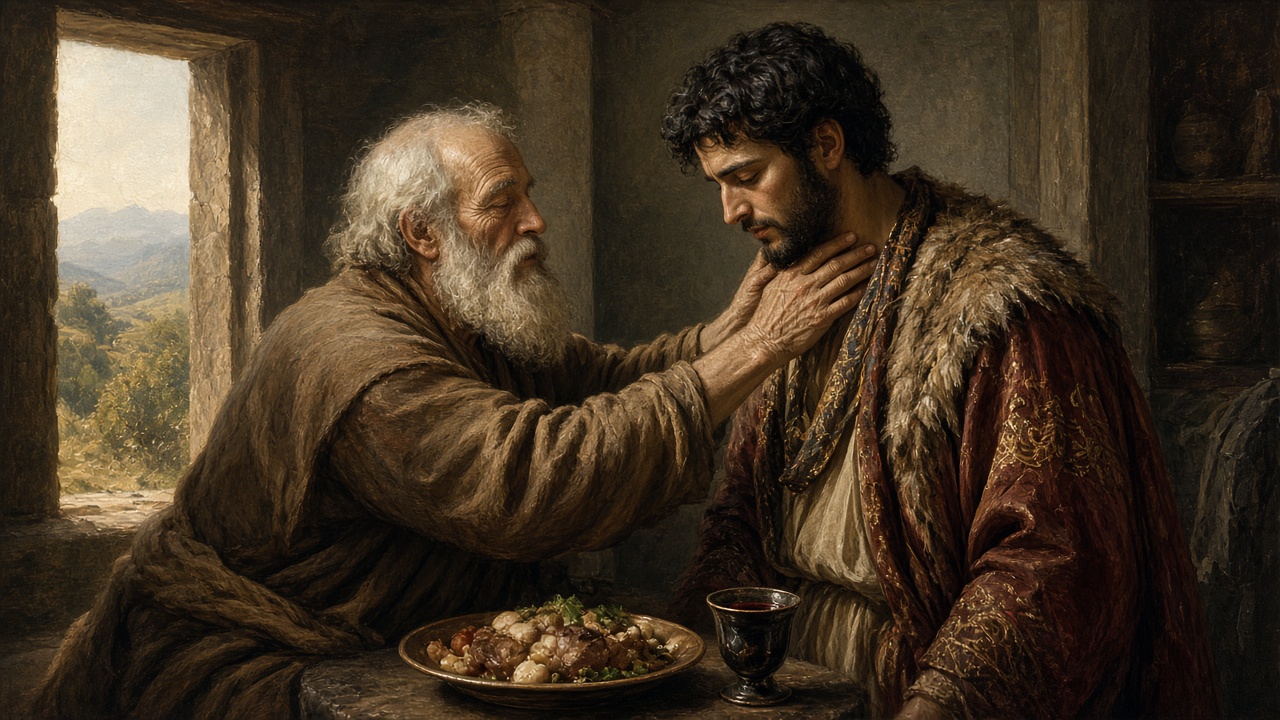
27Mik Jacob e̱' skéwa̱ iyë́ wöalattsök, eta̱ iyë́ tö idatsi' alattsé ta̱ ie̱r buaë ché ilà a̱ ttè ikkë wa:
“Tö́, ipaalar we̱s ye' alà paalar es.
Ie' paalar buaë we̱s kañika̱ kkö'nè Jehová tö e' alar ë̀.
28A̱s Skëköl tö be' a̱ mò wöli mè ke̱kraë be' dalikua ki̱.
A̱s ie' tö be' dalikua ko̱s e' wöù̱ buaë
a̱s be' wa̱ trigowö ta̱' tai̱ë ena vino ta̱' tai̱ë.
29Ká̱ kua̱'ki̱ wakpa tai̱ë a̱s e' dö̀ be' kanè mésopaie.
A̱s ie'pa e̱' tulö̀wa̱rak kuchë ki̱ be' wörki̱ be' dalöiök.
A̱s be' mú dö̀ be' ëlpa wökirie.
A̱s ie'pa e̱' tulö̀wa̱ kuchë ki̱ be' wörki̱ be' dalöiök.
Wé̱pa e̱r sulu ché be' ki̱, esepa ki̱ Skëköl e̱r sulu ské chöraë.
Ñies wé̱pa e̱r buaë ché be' a̱, esepa a̱ Skëköl e̱r buaë ské chöraë.”
30Isaac e̱r buaë chétke Jacob a̱ ta̱ Jacob mía̱tke. E' bet ta̱ Esaú tso' yëblök e' dene. 31Ñies ie' tö chkè alé buaë, e' mí iwa̱ iyë́ a̱ ta̱ ichéitö ia̱:
—A yë́wö, dúla ttéyö e' alí katö́. E' ukuöki̱ ta̱ be' e̱r buaë chöke ye' a̱ e' chö́ ña.
32Isaac tö ichaké:
—¿Yi dör be'?
Ilà tö iiu̱té:
—Ye' dör Esaú be' alà kibi.
33Isaac tkinewa̱ painéka̱ tai̱ë ta̱ ichéitö:
—E̱'ma ¿yi dare yëblök, e' wa̱ chkè debitu̱ ña? E' katéwayö se̱raa̱ ka̱m be' dö̀ e' yöki̱. E' a̱ ye' e̱r buaë chétke. Es ie' a̱ ye' e̱r buaë chè e' a̱te̱tke.
34Mik Esaú tö ì ché iyë́ tö e' ttsé, eta̱ ie' e̱rianeka̱ a̱neka̱ tai̱ë ta̱ ichéitö:
—¡A yë́wö, ye' a̱ e̱r buaë chö́ ñies!
35Erë Isaac tö iiu̱té:
—Be' ël datke ye' ki̱tö'u̱k e' a̱ ye' e̱r buaë chétke be' skéie.
36Esaú tö iiu̱té:
—Wëe' ie' kiè Jacob. I' ta̱ bötökicha iwambléitö ye' ta̱ i' es. Be' íyi ké̱wö mekebö ye' a̱ ye' dör be' alà kibi e' kue̱ki̱, e' ké̱wö yë'ttsa̱ ye' ulà a̱ ie' tö kuaë. I̱'ñe ta̱ be' e̱r buaë chöke ye' a̱ e' yéttsa̱itö ye' yöki̱. ¿Warma be' e̱r buaë chöke ye' a̱ e' kë̀ ta̱'ia̱?
37Isaac tö iiu̱té:
—Ittsö́. Ye' tö ie' méka̱tke be' wökirie. Ye' tö be' aleripa ko̱s e' métke ie' kanè mésopaie. Ñies ye' tö ichétke a̱s chkewö ena vino dö̀ ie' ulà a̱ tai̱ë. A alà, ¿ì memiia̱ ye' tö be' a̱ i' ta̱?
38Erë Esaú tö ikí̱ ché iyë́ a̱:
—A yë́wö ¿be' e̱r buaë chöke sa' a̱ e' dör etkë̀? ¡Ye' a̱ e̱r buaë chö́ ñies! Eta̱ Esaú i̱é̱ka̱ tai̱ë.
39Isaac tö iché ia̱:
“Be' se̱rdaë wé̱ mò wöli kë̀ ta̱' tai̱ë ese ska'.
Ee̱ be' dalikua kë̀ wörpa buaë.
40Be' ñippöraë tabè wa o̱'ka ta̱ iíyi kue̱ki̱, e' mik be' se̱rdaë.
Be' döraë be' ël kanè mésoie.
Erë mik be' ñippémi ie' ta̱,
eta̱ be' e̱' yörattsa̱ ie' ulà a̱.”
Jacob tkashkar Esaú yöki̱
41Isaac e̱r buaë ché Jacob a̱ Esaú skéie. E' kue̱ki̱ Esaú é̱na suluë Jacob a̱rke. Ie' ibikeitsé: “Ye' yë́ duökewa̱tke. Mik iduowa̱ e' ké̱wö tka, eta̱ ye' ël tterawa̱yö.”
42Mik Rebeca wa̱ ijche̱newa̱ tö Esaú tö iël bikeitsé ttèwa̱, eta̱ Jacob tsu̱k patkéitö ta̱ iché ia̱:
—A alà, ittsö́. Be' ël Esaú e̱' pablöke tö ie' be' tterawa̱. 43E' kue̱ki̱ ye' ttö̀ ttsö́. Be' tkö́shkar bet ye' akë kiè Labán se̱rke Harán e' u a̱. 44Be' e̱' tsú̱a̱t ie' ska' ká̱ tai̱ë dö̀ mik be' ël e̱r buanene be' ki̱ ena ì sulu wamblébö e' chowane ie' é̱na eta̱. E' ukuöki̱ ta̱ ye' tö be' tsu̱k patkeraë, e' wa be' döne. ¡Ye' kë̀ ki̱ ikiane tö ye' ala'r böl e' duö̀wa̱ diwö etkë̀ a̱!
46E' ukuöki̱ ta̱ Rebeca tö iché Isaac a̱:
—Esaú alakölpa dör hititawak e'pa tö ye' shtriwé̱tke tai̱ë. Jacob se̱néwa̱ alaköl ese ta̱, e' ta̱ ye' mú duö̀wa̱.
Did you know?
A Blessing Taken by Deceit
- The name Jacob is traditionally explained as “one who follows on another’s heels” or “supplanter.” When Esau learns that the blessing has gone to his brother, he says Jacob has cheated him twice—first taking his birthright, then his blessing—and asks whether he is not rightly named Jacob.Sources: Jacob (Israel) · the Bible text itself
- Esau, Rebekah’s firstborn twin, was hairy and lived as a hunter, while Jacob was smooth-skinned and became a shepherd. Rebekah dresses Jacob in Esau’s finest clothes and covers his hands and the smooth of his neck with the skins of young goats, so that Isaac, whose eyes are too weak to see, will take him for Esau when he touches him.Sources: Esau (Edom) · Jacob (Israel) · the Bible text itself
- Esau then holds a grudge and plans to kill Jacob after Isaac dies. Rebekah sends Jacob to her brother Laban in Haran, a city of Upper Mesopotamia on the Belik, a tributary of the Euphrates—also called the city of Nahor—where Laban lived.Sources: the Bible text itself · Laban · Haran
Notes written with AI assistance from open sources (Theographic Bible Metadata, CC BY-SA 4.0; Easton’s Bible Dictionary, public domain) and reviewed before publishing.
Places in this chapter
- Haran · Today: Harran · 36.864, 39.033 · verse 43
Only places identified with high confidence are shown (90% or more according to the scholarly sources compiled by OpenBible). Period map: DARE (Digital Atlas of the Roman Empire), CC BY 4.0; modern map: © OpenStreetMap contributors; places: OpenBible.info (CC BY 4.0).
Credits and license for this translation
Tte Pa̱'a̱li̱ Me' Skëköl tö Se' a̱
New Testament and Shorter Old Testament in Bribri (CS:bzd:Bribri)
copyright © 2010 Wycliffe Bible Translators, Inc.
Language: Bribri
Translation by: Wycliffe Bible Translators, Inc.
Bribri
bzd
Costa Rica
Copyright Information
© 2010, Wycliffe Bible Translators, Inc. All rights reserved.
This translation text is made available to you under the
terms of the Creative Commons License: Attribution-Noncommercial-No Derivative Works.
( http://creativecommons.org/licenses/by-nc-nd/3.0/ )
In addition, you have permission to port the text to different file formats, as long as you
do not change any of the text or punctuation of the Bible.
You may share, copy, distribute, transmit, and extract portions
or quotations from this work, provided that you include the above copyright
information:
You must give Attribution to the work.
You do not sell this work for a profit.
You do not make any derivative works that change any of the actual words or punctuation of the Scriptures.
Permissions beyond the scope of this license may be
available if you contact
us with your request.
The New Testament and Shorter Old Testament
in Bribri
© 2010, Wycliffe Bible Translators, Inc. All rights reserved.
This translation is made available to you under the terms of the
Creative Commons Attribution-Noncommercial-No Derivatives license 4.0.
You may share and redistribute this Bible translation or extracts from it in any format, provided that:
You include the above copyright and source information.
You do not sell this work for a profit.
You do not change any of the words or punctuation of the Scriptures.
Pictures included with Scriptures and other documents on this site are licensed just for use with those Scriptures and documents.
For other uses, please contact the respective copyright owners.
2014-04-22
Source: http://ebible.org/bzdNTpo/ · eBible.org