Genesis 24
Tte Pa̱'a̱li̱ Me' Skëköl tö Se' a̱ · Tap a verse to see its cross-references.
Abraham tö alaköl yulök patké Isaac a̱
1Abraham dewa̱ këkëpalaie. Ie' a̱ Jehová e̱r buaë ché íyi ulitane wa. 2Ká̱ et ta̱ ie' tö ikanè méso kibi kié. E' dör ie' íyi ko̱s e' kue̱blu. Ie' tö iché ia̱:
—Be' ulà múwa̱ ye' tu' diki̱a̱ iwà kkachoie tö moki̱ ì kiekeyö be' a̱ e' wawe̱raëbö. 3Jehová dör ká̱ jaì ena ká̱ i' e' Këköl e' wörki̱ be' ttè mú ye' a̱ moki̱ë tö ye' alà kë̀ kar se̱nukwa̱ Canaán í̱e̱ se' se̱rke e' alékölpa ta̱. 4Be' yú ká̱ wé̱ ye' manét ee̱, eta̱ ee̱ alaköl yulö́ eköl ye' yamipa shu̱a̱ se̱nukwa̱ ye' alà ta̱.
5Ie' tö iiu̱té:
—Dö' alaköl kë̀ bitu̱ ye' ta̱, e' ta̱ ¿we̱s ye' iwè̱mi? ¿Buaë idir be' a̱ tö be' alà mi' ye' wa̱ dö̀ wé̱ be' manét ee̱?
6Ie' iiu̱té:
—¡Au, kë̀ ye' alà tsa̱rmi ee̱! 7Jehová dör ká̱ jaì Këköl, e' tö ye' yë'ttsa̱ ye' yë́ u a̱ ena ye' yamipa ká̱ a̱. Ie' tö ittè me' ye' a̱ tö ká̱ i' meraëitö ye' aleripa a̱. Ie' tö ibiyöchökwak patkeraë be' ki̱muk alaköl tsu̱kbitu̱ ye' yàkie. 8Alaköl kë̀ shkak be' ta̱, e' ta̱ kë̀ be' tkinuk. Kë̀ be' kàne iskà yulök. Erë kë̀ ye' alà tsa̱rmi ee̱.
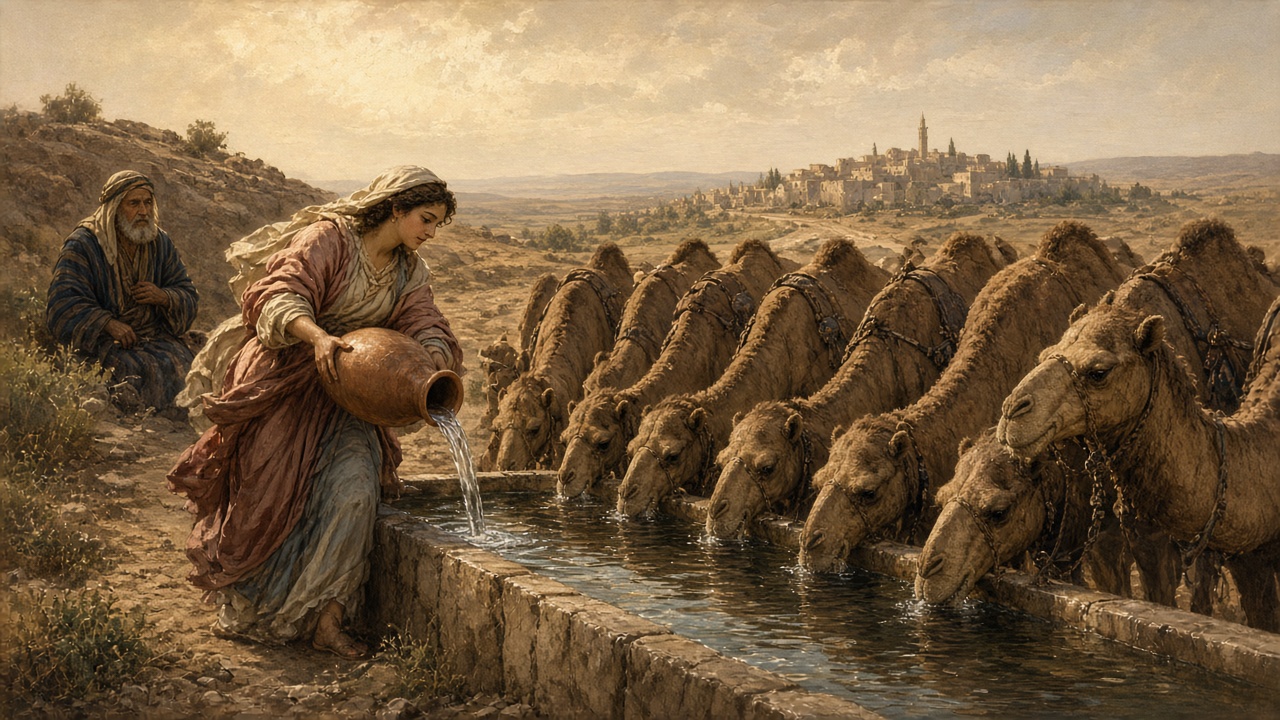
9Eta̱ ikanè méso ulà méwa̱ ie' tu' diki̱a̱ ta̱ ittè mé ia̱ tö iwe̱raë we̱s iu̱k patkéitö es. 10E' ukuöki̱ ta̱ ie' tö iwökir íyi ko̱s bua'bua, ese shté tsè̱mi kakmè. Ekkë ko̱s payuéitö iyiwak kiè kameio e' ki̱ döka̱ dabop. Eta̱ ie' mía̱ iyiwak wëttsë tkörö Nahor a̱te̱ Mesopotamia ee̱. 11Mik ie' demi tsi̱net Nahor, eta̱ ká̱ tuirketke. Diwö ekkë ta̱ ká̱ e' alékölpa mi'ke di' tsu̱k. E' wösha̱ ta̱ ie' de di' tum biule e' kkömik ta̱ ikameio kéitö e̱' tulökse̱r e̱nuk ee̱. I' dör di' tum biule ese.|src="LB00134b.tif" size="span" ref="Génesis 24.11" 12Eta̱ ie' tö iché Skëköl a̱: “A Jehová, be' dör ye' wökir Abraham e' Këköl. Ye' ki̱mú i̱'ñe ñies e̱r buaë chö́ ye' wökir a̱. 13Í̱e̱ di' tum biule o̱'mik ye' e̱' tsu̱kea̱t bërbër ë̀ ká̱ i' busipa tso' di' tsu̱k e' dalewa. 14Ka̱wö mú ña tö wé̱ne ë́k a̱ ye' iché: ‘Be' kakö' ö́wa ye' a̱ di' kakmú yè’, a̱s e' tö ye' iu̱tö̀: ‘Be' di' yö́ ñies be' kameio a̱ ikakmekeyö.’ Es ye' é̱na ia̱ne tö e' ë́k shu̱shté be' tö Isaac a̱ alakölie. Es ye' wa̱ ijche̱rmi tö be' e̱r bua' ché ye' wökir a̱.”
15Eta̱ ka̱m ì chekeitö e' o̱r, eta̱ ie' isué̱ alaköl datse̱ eköl kakö' bune kuli' ki̱ di' tso̱ie. E' dör Rebeca, ie' dör wëm kiè Betuel e' alà busi. Betuel mì dör Milcá ena iyë́ dör Nahor. Nahor dör Abraham ël. 16Rebeca dör busi buaala ka̱m ise̱r wëm ta̱. Ie' mía̱ döttsa̱ di' tum biule e' a̱ ikakö' wà iök. 17Mik imítke eta̱ Abraham kanè méso tu̱nemi itöki̱ ta̱ iché ia̱:
—Be' we'ikèyö, di' dami be' wa̱ e' kakmú ña yè.
18Ie' tö iiu̱té,
—A këkëpa, be' di' yö́.
E' bet ie' kakö' éwa klö'wé̱wa̱ ulà a̱ ta̱ di' méitö ia̱ yè. 19Mik ie' di'yé o̱ne ta̱ Rebeca tö iché ia̱:
—Ye' mí di' tsu̱k ñies mè be' kameio a̱.
20Bet ikakö' wà ka'wé̱itö wé̱ iyiwak di'yöke e' a̱ ta̱ imí di' kí̱ tsu̱k iyiwak a̱. Es iwé̱itö kameio ulitane a̱. 21E' dalewa Abraham kanè méso tso' isa̱u̱k bë̀rë, wà dör tö ie' ki̱ ikiane jche̱nowa̱ yësyësë tö Jehová tö ie' ki̱mé ì dalërmik ie' shkö̀ e' wa a̱s idöttsa̱ buaë ö au. 22Mik kameio di'yé o̱ne, eta̱ ie' tö ula'tsio sù̱ e̱s dör gramo teröl ese tkéwa̱ busi yik a̱. Ñies ulaio méitö böt, e' e̱s dör cien gramos tsa̱ta̱. 23Eta̱ ie' tö iché ia̱:
—Be' we'ikèyö, ichö́ ña ¿Yi alà busi be' dör? ¿Ye' chö̀mi i̱'ñe nañewe be' yë́ u a̱ kapökrö ye' kanè mésopa ta̱?
24Ie' iiu̱té:
—Ye' dör Betuel alà busi, e' dör Milcá ena Nahor alà wëm. 25Sa' u a̱ a' chö̀mi. Ñies a' kameio a̱ chkè tso'.
26Eta̱ Abraham kanè méso e̱' tkéwa̱ kuchë ki̱ Jehová dalöiök 27ta̱ ichéitö: “Jehová dör ye' wökir Abraham e' Këköl. E' ki̱kökka̱ ye' tso'. Ke̱kraë ie' tö ye' wökir Abraham ki̱meke buaë. Ke̱kraë ie' e̱r buaë chöke ye' wökir a̱. Ie' wa̱ ye' debitu̱ buaë ñala̱ ki̱ dö̀ í̱e̱ ye' wökir yamipa u a̱. E' kue̱ki̱ iki̱kèka̱yö.”
28Rebeca tu̱nemi shka̱la̱la̱ë imì u a̱ ì ko̱s tka ie' ta̱ e' pakök. 29Ie' akë kiè Labán, e' tö ula'tsio sué̱ ena ulaio sué̱ ikutà ulà a̱. Ñies ì ché Abraham kanè méso tö e' tté ttséitö. E' kue̱ki̱ ie' bite̱a̱ iñale̱tsu̱k di' tum biule a̱. Ie' de Abraham kanè méso ska' e' tso'ia̱ ikameio ta̱ di' tum biule ska'. 31Eta̱ Labán tö iché ia̱:
—Jehová tso' be' ta̱ buaë. ¡Mishka ye' ska'! ¿We̱s be' e̱' tsu̱kea̱t u'rki̱? Ye' u kanewé̱tke be' a̱ ñies kameio a̱.
32Es Abraham kanè méso bite̱a̱ ie' ta̱. Ee̱ ie' tö dalì tso' kameio ki̱ e' éwa ta̱ itiéitö. E' ukuöki̱ ta̱ ie' wa̱ di' debitu̱ Abraham kanè méso a̱ ena iwapiepa a̱ klö̀ skuoie.
33Mik ie'pa tö itié, eta̱ Abraham kanè méso tö iché:
—Kë̀ ye' chkö̀pa ka̱m ye' tö iö́k ye' debitu̱ e' wà pakö̀ a' a̱ eta̱.
Labán tö iiu̱té:
—E̱'ma ichö́. ¿Ì dör iwà?
34Ie' tö iché:
—Ye' dör Abraham kanè méso. 35Jehová tö iki̱mé tai̱ë. Ie' tö iblu'wé̱ tai̱ë. Obeja, baka, orochka, inukölchka, kanè mésopa wëpa ena alakölpa, kameio ena burro, e' ko̱s méitö ia̱ tai̱ë. 36Ñies ilaköl Sara e' tö alà mé ia̱ eköl wák wëm ikënewa̱tke eta̱. Ì ko̱s tso' ye' wökir wa̱ e' méitö ilà a̱. 37Ie' tö ye' ké ttè muk ie' a̱. Ye' a̱ ichéitö: ‘Ye' alà kë̀ kar se̱nukwa̱ Canaán wé̱ ye' se̱rke e' alékölpa ta̱. 38Be' yú wé̱ ye' yë́pa tso' ee̱ ta̱ alaköl yulö́ eköl ye' yàkie ye' ditséwö shu̱a̱.’ 39Ye' tö iiu̱té: ‘A ye' wökir Abraham, ¿dö' alaköl kë̀ bitu̱ ye' ta̱?’ 40Ie' tö ye' iu̱té: ‘Ke̱kraë ye' se̱rke buaë Jehová wöa̱, e' kue̱ki̱ ie' tö ibiyöchökwak patkeraë be' ta̱ a̱s be' ka̱wö tkö̀ buaë ñala̱ ki̱, ñies a̱s alaköl kù̱bö ye' yàkie ye' yamipa ye' yë́ wa e'pa shu̱a̱. 41Erë ye' yamipa kë̀ é̱na ilà busi patkak be' ta̱, e' ta̱ kë̀ be' tkinuk. Kë̀ ì tté ta̱'ia̱ be' ki̱.’
42“E' kue̱ki̱ ye' debitu̱ i̱'ñe di' tum biule ska'. Ee̱ ye' tö ikié Jehová dör ye' wökir Abraham e' Këköl e' a̱: ‘tö moki̱ be' ye' ki̱meke alaköl yulök ye' wökir Abraham yàkie, e' ta̱ a̱s e' bitu̱ ye' ska' í̱e̱ di' tum biule ska'. Mik ye' tö ie' a̱ di' kak kié, eta̱ a̱s imùitö ye' a̱ ena ichö̀itö: Ñies ye' tö be' kameio a̱ ikakmeke. Es ye' isuè̱mi tö alaköl e' shu̱shté be' tö ye' wökir yàkie.’ 45Mik e' chekeyö e' e̱rketke, eta̱ ye' isué̱ tö Rebeca datse̱ ikakö' bune ikuli' ki̱. 46Mik ie' di' yinetke eta̱ ye' tö ie' a̱ iché: ‘Be' we'ikèyö, di' dami be' wa̱ e' kakmú ña yè.’ E' bet ikakö' éwaitö ta̱ ichéitö: ‘Be' di' yö́. Ñies imekeyö be' kameio a̱.’ Ie' ye' a̱ di' mé ñies ye' kameio a̱. 47E' ukuöki̱ ta̱ ye' tö ie' a̱ ichaké: ‘¿Yi alà busi be' dör?’ Ie' iiu̱té: ‘Ye' dör Betuel alà busi e' dör Nahor ena Milcá alà.’ Eta̱ ula'tsio sù̱ e' tkéwa̱yö iyik a̱ ena ulaio tkéwa̱yö böt iulà a̱. 48E' ukuöki̱ ta̱ ye' e̱' tkéwa̱ kuchë ki̱ ta̱ Jehová dalöiéyö. Ie' dör ye' wökir Abraham e' Këköl e' ki̱kéka̱yö. Ie' wa̱ ye' debitu̱ buaë yësyësë busi shu̱kititö ye' wökir yamipa shu̱a̱ ilà a̱ e' ska'. 49Es ¿a' e̱r buaë chöke ye' wökir a̱? ¿A' e̱' chöke iki̱muk e̱r bua' wa? Ichö́ ña i' ta̱ yësyësë i̱ma a' tö ichè, es ye' é̱na ia̱rmi tö ì wè̱miyö.”
50Eta̱ Labán ena Betuel e'pa tö iiu̱té:
—E̱'ma i' ko̱s debitu̱ Jehová ttö̀ wa. E' kue̱ki̱ kë̀ we̱s sa' a̱ ì o̱nuk. Kë̀ sa' a̱ ì yënuk yës. 51I' Rebeca. Itsú̱mi be' wökir a̱ se̱nukwa̱ ilà ta̱ we̱s Jehová ki̱ ikiane es.
52Mik Abraham kanè méso tö ttè e' ttsé, eta̱ ie' e̱' tkéwa̱ kuchë ki̱ iwötsa̱ méwa̱ íyök ki̱ Jehová dalöiök. 53E' ukuöki̱ ta̱ ie' tö íyi yöule orochka wa ena inukölchka wa ñies datsi' bua'bua e' tai̱ë yélur méitö Rebeca a̱. Ñies ie' tö ikakmé Rebeca akë a̱ ena imì a̱. 54E' ukuöki̱ ta̱ ie' ena iwapiepa chké di'yé ta̱ ikapere ee̱. Bule es ta̱ iti̱'nerak ta̱ Abraham kanè méso tö iché:
—Ye' mía̱ne ye' wökir ska'.
55Erë Rebeca akë ena imì e'pa tö iché ia̱:
—Rebeca kë̀ tsa̱rmi bet. Ka̱wö mú ie' a̱ a̱s ie' e̱' tsù̱a̱t sa' ta̱ ká̱ dabop, e' wa wë' be' wa̱ imi'mi.
56Erë ie' tö iché ie'pa a̱:
—Kë̀ ye' wöklö'u̱kia̱ a' tö. Jehová tö ye' ki̱mé a̱s ì ko̱s döttsa̱ buaë ye' a̱. E' kue̱ki̱ ye' ö́mi ye' wökir u a̱.
57Ie'pa tö iiu̱té:
—Sa' mí Rebeca kiök chakè ¿i̱ma ichèmiitö?
58Eta̱ Rebeca kiérakitö ta̱ ichakérakitö ia̱:
—A Rebeca ¿be' shkak wëm i' ta̱?
Ie' tö iiu̱té:
—Tö́.
59Es ie'pa tö Rebeca ena alaköl tso' ie' kkö'nuk ke̱kraë e'pa a̱ ka̱wö mé a̱s imi'rak. Ñies Abraham kanè méso ena iwapiepa ko̱s e'pa a̱ ka̱wö mérakitö a̱s imi'rak. 60Ie'pa mitke ta̱ Rebeca yamipa e̱r buaë ché ie' a̱ ttè i' wa:
“A sa' yami,
A̱s be' alör tai̱ë shu̱te̱ë.
A̱s be' aleripa e̱' alö̀ka̱ ibolökpa ko̱s ki̱.”
61Eta̱ Rebeca ena ikanè mésopa e̱' tuléka̱ ie'pa kameio ki̱ ta̱ imíyal Abraham kanè méso itöki̱.
62E' ké̱wö ska' ta̱ Isaac se̱rke Négueb wé̱ di' tum biule tso' kiè “Skëköl tso' e' tö ye' sue̱ke” ee̱, e' dene iyë́ ska'. 63Tsá̱li̱ ta̱ Isaac e̱' yéttsa̱ shkök ka̱bikeitsörami. E' wösha̱ ta̱ ie' isué̱ tö kameio datse̱ tseë. 64E' wösha̱ Rebeca tö ie' sué̱ ñies ta̱ ie' e̱' éwa kameio ki̱. 65Rebeca tö ichaké Abraham kanè méso a̱:
—¿Wëm doa̱ wì̱ se' kke̱, e' dör yi?
Ie' iiu̱té:
—E' dör ye' wökir Isaac.
Eta̱ Rebeca wö pabakéwa̱ datsi'tak wa.
66Abraham kanè méso tö ì ko̱s tka ie' ta̱ e' paké Isaac a̱. 67E' ukuöki̱ ta̱ Rebeca mítse̱r Isaac wa̱ imì Sara blënewa̱ e' u a̱. Es Isaac se̱néwa̱ ie' ta̱. Isaac é̱na Rebeca dalër tai̱ë, es ie' e̱r pabléne imì blënewa̱ e' kue̱ki̱.
Did you know?
A Wife for Isaac from Abraham's Kindred
- Abraham would not take a wife for his son from among the Canaanites, so he sent the chief servant of his household to his own kindred. His brother Nahor had remained east of the Euphrates at Haran, and the servant set out for Nahor's hometown in Aram-naharaim—Mesopotamia, the land between the Euphrates and the Tigris, also called Padan-aram in the Old Testament.Sources: the Bible text itself · Nahor (brother of Abraham) · Mesopotamia
- The young woman at the well was Rebekah, daughter of Bethuel and granddaughter of Nahor and his wife Milcah. A Bible dictionary notes that Bethuel appears in person only once, in this chapter, when he and Rebekah's brother Laban agree to the marriage; Laban, who lived at Haran, rushed to the spring as soon as he saw the gold nose-ring and bracelets given to his sister.Sources: the Bible text itself · Bethuel · Laban · Nahor (brother of Abraham)
- Easton's Bible Dictionary (1897) states that Rebekah was chosen for Isaac when he was forty. In this chapter he is living in the Negev, the arid district south of Palestine, and has just returned from Beer-lahai-roi, a name rendered "the well of him that liveth and seeth me," or, as some render it, "the well of the vision of life."Sources: Isaac · the Bible text itself · Negeb · Beer-lahai-roi
Notes written with AI assistance from open sources (Theographic Bible Metadata, CC BY-SA 4.0; Easton’s Bible Dictionary, public domain) and reviewed before publishing.
Places in this chapter
Only places identified with high confidence are shown (90% or more according to the scholarly sources compiled by OpenBible). Period map: DARE (Digital Atlas of the Roman Empire), CC BY 4.0; modern map: © OpenStreetMap contributors; places: OpenBible.info (CC BY 4.0).
Credits and license for this translation
Tte Pa̱'a̱li̱ Me' Skëköl tö Se' a̱
New Testament and Shorter Old Testament in Bribri (CS:bzd:Bribri)
copyright © 2010 Wycliffe Bible Translators, Inc.
Language: Bribri
Translation by: Wycliffe Bible Translators, Inc.
Bribri
bzd
Costa Rica
Copyright Information
© 2010, Wycliffe Bible Translators, Inc. All rights reserved.
This translation text is made available to you under the
terms of the Creative Commons License: Attribution-Noncommercial-No Derivative Works.
( http://creativecommons.org/licenses/by-nc-nd/3.0/ )
In addition, you have permission to port the text to different file formats, as long as you
do not change any of the text or punctuation of the Bible.
You may share, copy, distribute, transmit, and extract portions
or quotations from this work, provided that you include the above copyright
information:
You must give Attribution to the work.
You do not sell this work for a profit.
You do not make any derivative works that change any of the actual words or punctuation of the Scriptures.
Permissions beyond the scope of this license may be
available if you contact
us with your request.
The New Testament and Shorter Old Testament
in Bribri
© 2010, Wycliffe Bible Translators, Inc. All rights reserved.
This translation is made available to you under the terms of the
Creative Commons Attribution-Noncommercial-No Derivatives license 4.0.
You may share and redistribute this Bible translation or extracts from it in any format, provided that:
You include the above copyright and source information.
You do not sell this work for a profit.
You do not change any of the words or punctuation of the Scriptures.
Pictures included with Scriptures and other documents on this site are licensed just for use with those Scriptures and documents.
For other uses, please contact the respective copyright owners.
2014-04-22
Source: http://ebible.org/bzdNTpo/ · eBible.org