Genesis 14
Tte Pa̱'a̱li̱ Me' Skëköl tö Se' a̱ · Tap a verse to see its cross-references.
Abram tö ilayök Lot, e' tsa̱tké
1E' ké̱wö ska' ta̱ blu'pa tso' tkël. Eköl kiè Amrafel, e' dör ká̱ kiè Sinar, e' blú. Iëköl kiè Arioc, e' dör ká̱ kiè Elasar, e' blú. Iëköl skà kiè Quedorlaómer, e' dör ká̱ kiè Elam, e' blú. Eta̱ ibata ë́k kiè Tidal, e' dör ká̱ kiè Goím, e' blú. 2Blu'pa skà tso' döka̱ ske̱l e' eköl kiè Bera, e' dör ká̱ kiè Sodoma, e' blú. Iëköl kiè Birsá, e' dör ká̱ kiè Gomorra, e' blú. Iëköl kiè Sinab, e' dör ká̱ kiè Admá, e' blú. Skà kiè Seméber, e' dör ká̱ kiè Seboím, e' blú. Ibata ekkë e' dör ká̱ kiè Bela, e' blú. Ká̱ e' kiè Sóar ñies. E' ké̱wö ska' ta̱ blu'pa döka̱ tkël ñe' e̱' kéka̱ ñippök blu'pa skà döka̱ ske̱l ñe' ta̱. 3Blu'pa ske̱l e'pa tö iñippök wakpa dapa'wé̱ ek tsi̱ní ñippök blu'pa tkël e'pa ta̱ ka̱kkue kiè Sidim ee̱. Ee̱ dayë wölö me'r bërie kiè Mar Muerto.
4Blu'pa döka̱ ske̱l e'pa bak se̱nuk iwakpa ta̱ döka̱ duas dabom eyök ki̱ bök (12), blu' kiè Quedorlaómer, e' diki̱a̱. Mik e' ki̱ duas de dabom eyök ki̱ mañal (13) eta̱ ie'pa kë̀ é̱na Quedorlaómer ttè dalöiakia̱. Ie'pa e̱' kakka̱ ñippök ie' ta̱. 5E' ki̱ duas de ek eta̱ Quedorlaómer e̱' yéttsa̱ mía̱ ñippök ibolökpa ta̱. Blu'pa döka̱ mañal dör ie' klépa, e' míyal ie' ta̱ ñippök. Ie'pa mía̱ ká̱ kiè Astarot Carnaim ta̱ ee̱ ie'pa e̱' aléka̱ refaítawak ki̱. E' ukuöki̱ ta̱ ie'pa e̱' aléka̱ zuzitawak ki̱, ká̱ kiè Ham ee̱. E' ukuöki̱ ta̱ ie'pa e̱' aléka̱ emiwak ki̱, e' wakpa ká̱ kiè Savé-quiriataim. 6E' ukuöki̱ ie'pa e̱' aléka̱ horeowak ki̱ ka̱bata kiè Seír ee̱. Eta̱ itötié̱mi ie'pa tö dö̀ tkörö ká̱ kiè El-parán ee̱. Ká̱ e' a̱te̱ ká̱ sir poë, e' kkömik. 7Eta̱ ee̱ ie'pa bite̱ne itö̀ wane dö̀ ká̱ kiè En-mispat. Ká̱ e' kiè Cadés ñies. Ie'pa e̱' aléka̱ Amalec aleripa ki̱ ta̱ iká̱ klö'wé̱wa̱rakitö. Ñies ie'pa e̱' aléka̱ amorreowak ki̱. E' wakpa ká̱ kiè Hasesón-tamar. E' ukuöki̱ ta̱ ie'pa mi'ke ñippök blu'pa ske̱l ta̱. E' kue̱ki̱ blu'pa ske̱l e̱' dapa'wé̱ka̱ Sidim ké̱kkue ki̱ blu'pa tkël ki̱nuk ñippoie.
8Eta̱ Sodoma blú ena Gomorra blú ena Admá blú ena Seboím blú ena Bela blú (Bela kiè Sóar ñies), blu'pa ske̱l ekkëpa ñì dapa'wé̱ka̱ Sidim ké̱kkue ki̱ ñippoie, Quedorlaómer, e' dör Elam blu', e' ta̱ ena blu'pa tso' ie' ta̱ e'pa ta̱ ñies. Blu'pa e'pa dör Tidal, e' dör Goím blu'. Iëköl dör Amrafel, e' dör Sinar blu'. Bata ë́k dör Arioc, e' dör Elasar blu'. Es blu'pa tkël míyal ñippök blu'pa ske̱l ta̱. 10E' ké̱wö ska' ta̱ Sidim ké̱kkue ki̱ kiöchka dalolo bötsböts ese dapé tso' tai̱ë. Mik Sodoma wakpa ena Gomorra wakpa tkayal ñippè yöki̱ eta̱ ie'pa sha̱böts a̱nemi kiöchka dapé tso' tai̱ë ese a̱. Imale̱pa tkayalmi ka̱bata shu̱a̱.
11Es blu'pa döka̱ tkël e'pa e̱' aléka̱ blu'pa ske̱l ki̱. Eta̱ ie'pa tö chkewö ena íyi bua'bua tso' Sodoma ena Gomorra e' ko̱s klö'wé̱wa̱rakitö ta̱ iponemirak. 12E' ké̱wö ska' ta̱ Abram alayök Lot se̱rke Sodoma. E' mítse̱rak iwa̱, es ie' dalì ko̱s e' mítse̱rak iwa̱ ñies.
13Eta̱ ñippè shu̱a̱ wëm tkashkar eköl, e' wa̱ ibiyö́ mí Abram a̱. Abram e' dör hebreowak. Ie' se̱rke tsi̱net wëm kiè Mamré dör amorreowak e' kós klö̀ wökir àr ee̱. Mamré dör Escol ena Aner ël. Ie'pa wa Abram wër buaë.
14Mik Abram tö ibiyö́ ttsé, eta̱ ie' kanè mésopa ku̱ne ie' u a̱, e'pa dapa'wé̱itö döka̱ cien mañayök ki̱ dabom eyök ki̱ pàköl (318) ilayök tsa̱tkoie. Eta̱ ie'pa míyal blu'pa tkël itöki̱ döka̱ ká̱ kiè Dan ee̱. 15Eta̱ nañewe ie'pa demi me'ie ñippémiie blu'pa ta̱. Eta̱ ie'pa tö blu'pa töié̱mi tkörö ká̱ kiè Hobá ee̱. Hobá a̱te̱ ká̱ kiè Damasco e' wöwí̱. 16Eta̱ ì ko̱s minetse̱r blu'pa wa̱, e' ko̱s yélur ie'pa tö blu'pa ulà a̱. Es Abram tö ilayök Lot e' tsa̱tkée. Ñies ì tso' ilayök wa̱ e' ko̱s dene iulà a̱. Ñies alakölpa ena pë' male̱pa tso' klöulewa̱ e'pa ko̱s tsa̱tkée ie' tö.
Melquisedec e̱r buaë ché Abram a̱
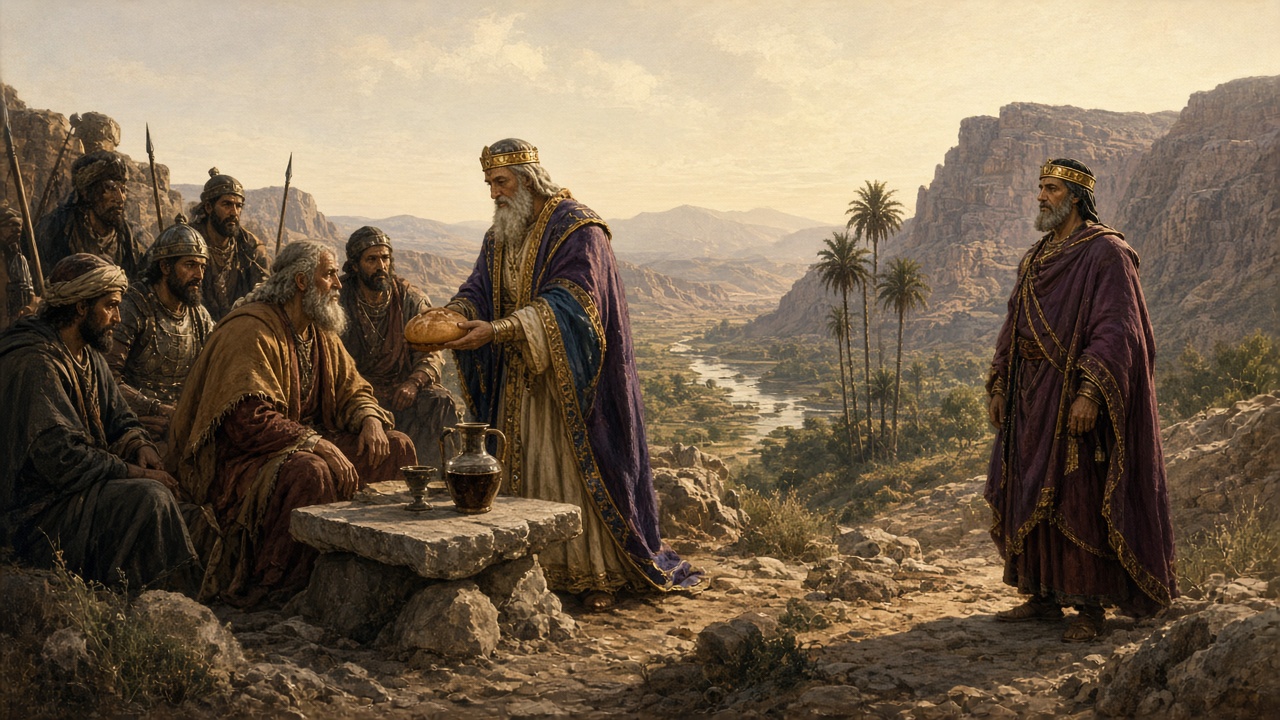
17Mik Abram e̱' aléka̱ Quedorlaómer ki̱, e' sù̱ blu'pa mañal shköke ie' ta̱, e'pa ki̱. E' ukuöki̱ ta̱ ie' bite̱ne de Savé ké̱kkue ki̱. Ka̱kkue e' kiè ñies Blu' Ké̱kkue. Eta̱ ee̱ Sodoma blú de ie' ñale̱tsu̱k ie' shke̱'u̱k. 18Ñies ká̱ kiè Salem, e' blú kiè Melquisedec, e' dör Skëköl dör íyi ulitane tsa̱ta̱ e' sacerdote. Ie' tö pan ena vino yéttsa̱. 19Eta̱ ie' e̱r buaë ché Abram a̱ ttè i' wa:
“Skëköl dör íyi ulitane tsa̱ta̱, e' tö ká̱ jaì ena ká̱ i' yö'.
Ie' tö be' ki̱mè a̱s be' ka̱wö tkö̀ buaë ke̱kraë.
20Ie' dör íyi ulitane tsa̱ta̱, e' ki̱köka̱sö.
Ie' tö be' ki̱mé e̱' alökka̱ be' bolökpa ki̱, e' kue̱ki̱ iki̱köka̱sö.”
Eta̱ íyi ko̱s de Abram ulà a̱ ñippè shu̱a̱, e' mú blatèsö döka̱ dabop ta̱ e' tsá̱ eyök yéttsa̱itö méitö Melquisedec a̱ Skëköl dalöioie. 21E' ukuöki̱ ta̱ Sodoma blu' tö iché Abram a̱:
—Sa' yamipa tsa̱tkée be' tö, e'pa múne ye' a̱. Erë dalì ko̱s e' tsú̱mi be' tö be' a̱.
22Erë Abram tö iiu̱té:
—Au. Jehová dör Skëköl íyi ulitane tsa̱ta̱, e' tö ká̱ jaì ena ká̱ i' yö', ie' a̱ ye' kablétke 23tö ì ko̱s dör be' icha, e' kë̀ tse̱paa̱työ yës. Dö̀ be' datsi'takla ö be' klökkuö kicha kë̀ tse̱paa̱työ etkla wë'ia̱ a̱s kë̀ be' ichö̀ tö be' íyi wa ye' blune. 24Kë̀ ì kiane ye' ki̱ ye' wák a̱. Chkö̀ ko̱s ñétke ye' kanè mésopa tö, e' ë̀ dör wë' ye' a̱. Erë wé̱pa dare ye' ta̱ ñippök bulu'pa ta̱ kiè Aner ena Escol ena Mamré, a̱s ie'pa wa̱ dalì kakmi' ko̱s ika̱wöta̱ tsu̱kmi eköl eköl ekkë.
Did you know?
The Campaign of the Four Kings
- Easton's Bible Dictionary (1897) identifies the four invading kings with names on ancient inscriptions: Chedorlaomer with Khudur-Lagamar of Elam, Amraphel with Khammu-rabi of Shinar (southern Chaldea), Arioch, king of Ellasar, with Eri-Aku of Larsa, and Tidal with Tudkhula. It explains Eri-Aku as an Elamite name meaning “servant of the moon-god,” later changed to Rimsin, and takes Goiim—“nations”—as Gutium, east of the Tigris and north of Elam.Sources: Chedorlaomer · Amraphel · Arioch (king of Ellasar) · Tidal
- The five local kings drew up for battle in the Valley of Siddim, which this chapter equates with the Salt Sea, and the valley was full of tar pits into which some of the fleeing men fell. Easton's Bible Dictionary places that valley at the south end of the Dead Sea, between Engedi and the cities of the plain, and calls the pits bitumen pits.Sources: the Bible text itself · Vale of Siddim
- Abram lived near the oaks of Mamre the Amorite, a brother of Eshcol and Aner, and the three were bound by treaty to him. Easton's Bible Dictionary calls Mamre and Eshcol Amorite chiefs and Aner a Canaanite chief, and notes that they joined Abram in pursuing Chedorlaomer and recovering Lot.Sources: the Bible text itself · Mamre · Eshcol · Aner
Notes written with AI assistance from open sources (Theographic Bible Metadata, CC BY-SA 4.0; Easton’s Bible Dictionary, public domain) and reviewed before publishing.
Places in this chapter
- Elam · 32.189, 48.258 · verses 1, 9
- Shinar · Today: Babylonia · 32.543, 44.422 · verses 1, 9
- Salt Sea · Today: Dead Sea · 31.500, 35.500 · verse 3
- Shaveh-kiriathaim · Today: within 1 km of Al Qurayyat · 31.541, 35.686 · verse 5
- Dan · Today: Tel Dan · 33.249, 35.652 · verse 14
- Damascus · 33.511, 36.306 · verse 15
- Valley of Shaveh · Today: intersection of Kidron Valley and Valley of Hinnom · 31.767, 35.236 · verse 17
- Salem · Today: Jerusalem · 31.777, 35.234 · verse 18
Only places identified with high confidence are shown (90% or more according to the scholarly sources compiled by OpenBible). Period map: DARE (Digital Atlas of the Roman Empire), CC BY 4.0; modern map: © OpenStreetMap contributors; places: OpenBible.info (CC BY 4.0).
Credits and license for this translation
Tte Pa̱'a̱li̱ Me' Skëköl tö Se' a̱
New Testament and Shorter Old Testament in Bribri (CS:bzd:Bribri)
copyright © 2010 Wycliffe Bible Translators, Inc.
Language: Bribri
Translation by: Wycliffe Bible Translators, Inc.
Bribri
bzd
Costa Rica
Copyright Information
© 2010, Wycliffe Bible Translators, Inc. All rights reserved.
This translation text is made available to you under the
terms of the Creative Commons License: Attribution-Noncommercial-No Derivative Works.
( http://creativecommons.org/licenses/by-nc-nd/3.0/ )
In addition, you have permission to port the text to different file formats, as long as you
do not change any of the text or punctuation of the Bible.
You may share, copy, distribute, transmit, and extract portions
or quotations from this work, provided that you include the above copyright
information:
You must give Attribution to the work.
You do not sell this work for a profit.
You do not make any derivative works that change any of the actual words or punctuation of the Scriptures.
Permissions beyond the scope of this license may be
available if you contact
us with your request.
The New Testament and Shorter Old Testament
in Bribri
© 2010, Wycliffe Bible Translators, Inc. All rights reserved.
This translation is made available to you under the terms of the
Creative Commons Attribution-Noncommercial-No Derivatives license 4.0.
You may share and redistribute this Bible translation or extracts from it in any format, provided that:
You include the above copyright and source information.
You do not sell this work for a profit.
You do not change any of the words or punctuation of the Scriptures.
Pictures included with Scriptures and other documents on this site are licensed just for use with those Scriptures and documents.
For other uses, please contact the respective copyright owners.
2014-04-22
Source: http://ebible.org/bzdNTpo/ · eBible.org