Exodus 14
Tte Pa̱'a̱li̱ Me' Skëköl tö Se' a̱ · Tap a verse to see its cross-references.
Israel aleripa tkattsa̱ Dayë Mat a̱
1Eta̱ Jehová tö iché Moisés a̱:
2“Ichö́ Israel aleripa a̱: A' yúne a' itö̀ wane ta̱ a' e̱' tsú̱a̱t ká̱ kiè Pi-hahirot e' wösha̱. Ká̱ e' a̱te̱ ká̱ kiè Migdol ena dayë kkömik e' shu̱sha̱, ká̱ kiè Baal-sefón, e' wösha̱. E' wösha̱ dayë kkömik tsi̱net úla yuö́. 3Es Egipto blú tö ibikeitseraë: ‘Israel aleripa kë̀ wa̱ ijche̱r wé̱ imi'mirö. Ie'pa cholurmi ká̱ sir po, e' shu̱a̱.’ 4Erë ye' tö ie' e̱r terawa̱ darërë a̱s ie' tö a' tötiù̱mi. Ye' e̱' alöraka̱ ie' ki̱ ena iñippökwakpa ko̱s ki̱, e' wa ye' dalöiërdaë tai̱ë. Egiptowak ulitane wa̱ ijche̱rdaë tö moki̱ ye' dör Jehová.”
Eta̱ Israel aleripa tö iwakanewé̱ es. 5E' dalewa Egipto blú wöki̱ ibiyö̀ demi tö Israel aleripa tkayal. Ie' ena ikue̱blupa e̱rbikéne kua̱'ki̱ ta̱ ichérakitö ñì a̱: “¿We̱s se' tö ì wamblé i' es? ¿Ìie se' tö Israel aleripa émi ta̱ yi kaneblömiia̱ se' a̱?”
6E' ukuöki̱ bet ta̱ Egipto blú tö ikarreta tso' ñippoie e' tsu̱k patké ta̱ iñippökwakpa patkéitö ñì dapa'u̱k. I' dör karreta tso' ñippoie ese.|src="HK00191b.tif" size="span" ref="Éxodo 14.6" 7Eta̱ imía̱ Israel aleripa itöki̱ karreta ñippoie ibua'bua döka̱ cien teryök (600) ekkë. Egipto karreta ñippoie e' male̱pa ko̱s mírak iwa̱ ñies. Karreta ko̱s e' a̱ ñippökwakpa wökir shköke ek ek. 8Jehová tö Egipto blú e̱r darë'wé̱wa̱ a̱s ie' mi' Israel aleripa itöki̱ erë́ ie'pa yënettsa̱ Egipto a̱ Jehová diché tai̱ë wa.
9Eta̱ Egipto ñippökwakpa mirwa̱ kabaio ki̱, karreta ki̱, e'pa ko̱s tö Israel aleripa tötié̱mi kué̱rakitö wé̱ Israel aleripa tso' dayë kkömik ká̱ kiè Pi-hahirot e' o̱'mik ena ká̱ kiè Baal-sefón, e' wösha̱ë. 10Mik Israel aleripa isué̱ tö egiptowak datse̱, e' tö ie'pa suawé̱ tai̱ë. Ie'pa kköché tai̱ë Jehová a̱ tö sa' tsa̱tkö́. 11Moisés a̱ ichérakitö:
—¿I̱ma be' iklö'wé̱ pö kë̀ ta̱' Egipto, e' kue̱ki̱ be' tö sa' yë'ttsa̱ duökwa̱ í̱e̱ ká̱ sir po shu̱a̱? ¿Iö́k bö iwamblé es sa' ta̱? ¿Ìie be' tö sa' yë'lur Egipto a̱? 12Kuaë sa' tö be' a̱ iyë' Egipto: ‘Sa' múa̱t kaneblök bë̀rë egiptowak a̱. ¡Sa' weirke sia̱rë kaneblök egiptowak a̱, e' dör bua' sa' a̱ duökulur í̱e̱ ká̱ sí poë a̱ e' skéie!’
13Erë Moisés tö iiu̱té:
—Kë̀ a' tö egiptowak sue̱paia̱. E' kue̱ki̱ kë̀ a' suanuk. A' e̱' tkö́wa̱ darërëë. I̱'ñe Jehová tö a' tsa̱tkeraë e' sa̱ú̱. 14Kë̀ se' tkinuk ì ki̱. Jehová ñippöraë se' skéie.
15Jehová tö iché Moisés a̱:
—¡Kë̀ be' kköchökia̱ ye' a̱! Ichö́ ie'pa a̱ tö a' shkö́ wöwí̱ ë̀. 16Be' shko kéli kö́ka̱ dayë tsa̱ka̱ a̱s dayë blatënar ñala̱ie shkotkö poppo dayë shu̱a̱. 17Erë ye' tö ie' e̱r terawa̱ darërë a̱s ie' tö a' tötiù̱mi. Ye' e̱' alöraka̱ ie' ki̱ ena iñippökwakpa ko̱s ki̱, e' wa ye' dalöiërdaë tai̱ë. Egiptowak ulitane wa̱ ijche̱rdaë tö moki̱ ye' dör Jehová. 18Egiptowak ulitane wa̱ ijche̱rdaë tö moki̱ ye' dör Jehová.
19E' wösha̱ë ta̱ Skëköl biyöchökwak mirwa̱ Israel aleripa yöki̱ ke̱we e' e̱' mane'wé̱ttsa̱ne ie'pa tsi̱kkane. Ñies mò àr tai̱ë alabo e' mía̱ ie'pa tsi̱kkane. 20Es mò e' a̱te̱ Egipto ñippökwakpa ena Israel aleripa e' shu̱sha̱. Egiptowak kke̱ mò ettaie dör ttsettseë, e' kue̱ki̱ ie'pa tso' ká̱ ttsettse a̱. Erë Israel aleripa kke̱ mò e' dalöburke tai̱ë ká̱ ñiwe sù̱. E' kue̱ki̱ egiptowak kë̀ ulà dë' Israel aleripa ska' e' nañewe.
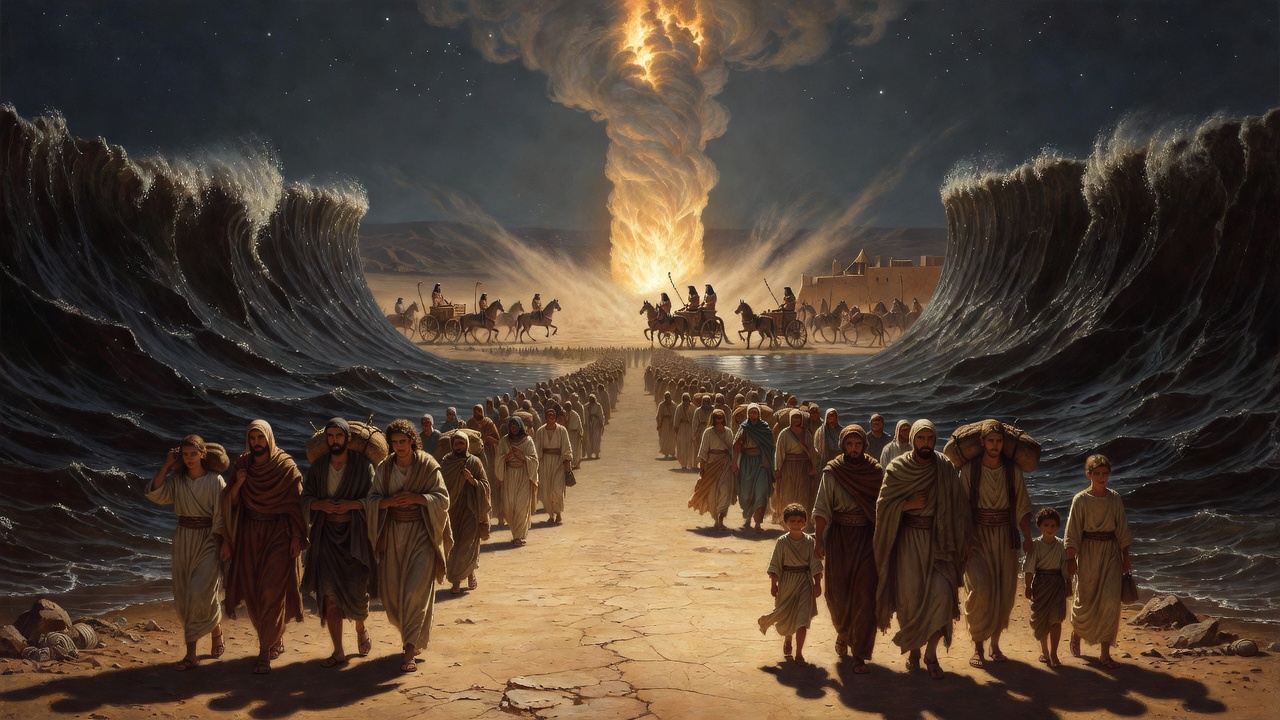
21Eta̱ Moisés ulà kéka̱ dayë tsa̱ka̱ ta̱ Jehová tö siwa̱' bitsi̱wé̱ka̱ darërëë datse̱ diwö tskirke e' ëka̱. E' bitsi̱ne nañeë dayë ki̱. E' tö dayë blatée shu̱sha̱. Es Jehová tö ká̱ ulat poppo yué ñala̱ie dayë shu̱a̱ ie'pa a̱ shkotkö. 22Ie'pa tkami ká̱ poppo a̱. Es dayë wötuki̱ a̱te̱ wi̱'kë io̱'kë. Dayë wötuki̱ a̱te̱ wi̱'kë io̱'kë a̱s Israel aleripa tkö̀mi.|src="CO00820b.tif" size="span" ref="Éxodo 14.22"
23Eta̱ egiptowak ñippökwakpa mirwa̱ kabaio ki̱ ena karreta ki̱ e'pa ko̱s tö Israel aleripa tötié̱mi dayë a̱. 24E' bla'mi ká̱ ñirketke eta̱ mò wöñarke bö'wöie e' shu̱a̱ Jehová tso' egiptowak sa̱u̱k. Ie' tö ie'pa suawé̱ka̱ tai̱ë e' tö ie'pa wöa̱ ká̱ chöwé̱ka̱ tai̱ë. 25Ñies ie' tö ie'pa karreta wöshki ko̱s e' wötélur dö́ a̱ a̱s kë̀ ishkö̀ bet. Ie'pa tö iché ñì a̱:
—Mishka Israel aleripa yöki̱. Jehová tso' ñippök se' ta̱ ie'pa tsa̱tkoie.
26Jehová tö iché Moisés a̱:
—Be' ulà kö́ka̱ dayë tsa̱ka̱ a̱s iwöiërwa̱ne Egipto ñippökwakpa ki̱.
27Moisés ulà kéka̱ dayë tsa̱ka̱. Mik ká̱ ñine, eta̱ dayë wöiënewa̱ne es. Mik egiptowak mí tkökshkar, eta̱ dayë wöiënewa̱ ie'pa ki̱. Es Jehová tö ie'pa e̱wé̱wa dayë a̱. 28Es Egipto ñippökwakpa mineyal Israel aleripa itöki̱ e'pa ko̱s durulune se̱raa̱ dayë a̱ ikabaioë. Egipto blú ñippökwakpa e' kë̀ a̱te̱ yës ttsë'ka. 29Erë Israel aleripa tkami buaë dayë a̱ dö̀ wi̱she̱t ká̱ sí ki̱, dayë wötuki̱ wi̱'kë io̱'kë e' shu̱sha̱.
30E' ké̱wa Jehová tö Israel aleripa tsa̱tkée egiptowak ulà a̱. Ie'pa tö egiptowak nu sué̱ dayë kkömik. 31Mik ie'pa tö isué̱ tö we̱s Jehová tö egiptowak e̱wé̱wa idiché tai̱ë e' wa, eta̱ ie'pa tö ie' dalöié tai̱ë. Ie'pa e̱r blé ie' mik ñies itteköl Moisés e' mik.
Did you know?
Israel trapped between Pharaoh and the sea
- Israel was told to turn back and camp before Pi-hahiroth, between Migdol and the sea, directly opposite Baal-zephon, so that Pharaoh would think the wilderness had boxed them in. Pi-hahiroth means place where the reeds grow, though the Septuagint and the Coptic read farmstead, and Baal-zephon means Baal of the north.Sources: the Bible text itself · Pi-hahiroth · Baal-zephon
- Easton's Bible Dictionary (1897) describes Baal-zephon as an Egyptian town on the shores of the Gulf of Suez, probably modern Jebel Deraj or Kulalah on the western shore, and notes that Egyptian Baal-zapuna was a place of worship. Some have identified Pi-hahiroth with Ajrud, a fortress between Etham and Suez. The entry on Pi-hahiroth adds that the condition of the Isthmus of Suez at the time of the Exodus is not exactly known, so Pi-hahiroth and Israel's other camps in Egypt cannot be definitely located; the isthmus has been formed by deposits of the Nile.Sources: Baal-zephon · Pi-hahiroth
- Easton's Bible Dictionary (1897) says the Pharaoh of the Exodus was probably Menephtah I, the fourteenth and eldest surviving son of Rameses II, and that he resided at Zoan, where his interviews with Moses and Aaron recorded in Exodus took place. The same entry still treats it as an open question whether Seti II or his father Menephtah was that king, and notes that some judge the evidence to favor Seti II.Sources: Pharaoh (of the Exodus)
Notes written with AI assistance from open sources (Theographic Bible Metadata, CC BY-SA 4.0; Easton’s Bible Dictionary, public domain) and reviewed before publishing.
Places in this chapter
Only places identified with high confidence are shown (90% or more according to the scholarly sources compiled by OpenBible). Period map: DARE (Digital Atlas of the Roman Empire), CC BY 4.0; modern map: © OpenStreetMap contributors; places: OpenBible.info (CC BY 4.0).
Credits and license for this translation
Tte Pa̱'a̱li̱ Me' Skëköl tö Se' a̱
New Testament and Shorter Old Testament in Bribri (CS:bzd:Bribri)
copyright © 2010 Wycliffe Bible Translators, Inc.
Language: Bribri
Translation by: Wycliffe Bible Translators, Inc.
Bribri
bzd
Costa Rica
Copyright Information
© 2010, Wycliffe Bible Translators, Inc. All rights reserved.
This translation text is made available to you under the
terms of the Creative Commons License: Attribution-Noncommercial-No Derivative Works.
( http://creativecommons.org/licenses/by-nc-nd/3.0/ )
In addition, you have permission to port the text to different file formats, as long as you
do not change any of the text or punctuation of the Bible.
You may share, copy, distribute, transmit, and extract portions
or quotations from this work, provided that you include the above copyright
information:
You must give Attribution to the work.
You do not sell this work for a profit.
You do not make any derivative works that change any of the actual words or punctuation of the Scriptures.
Permissions beyond the scope of this license may be
available if you contact
us with your request.
The New Testament and Shorter Old Testament
in Bribri
© 2010, Wycliffe Bible Translators, Inc. All rights reserved.
This translation is made available to you under the terms of the
Creative Commons Attribution-Noncommercial-No Derivatives license 4.0.
You may share and redistribute this Bible translation or extracts from it in any format, provided that:
You include the above copyright and source information.
You do not sell this work for a profit.
You do not change any of the words or punctuation of the Scriptures.
Pictures included with Scriptures and other documents on this site are licensed just for use with those Scriptures and documents.
For other uses, please contact the respective copyright owners.
2014-04-22
Source: http://ebible.org/bzdNTpo/ · eBible.org