Acts 7
Tte Pa̱'a̱li̱ Me' Skëköl tö Se' a̱ · Tap a verse to see its cross-references.
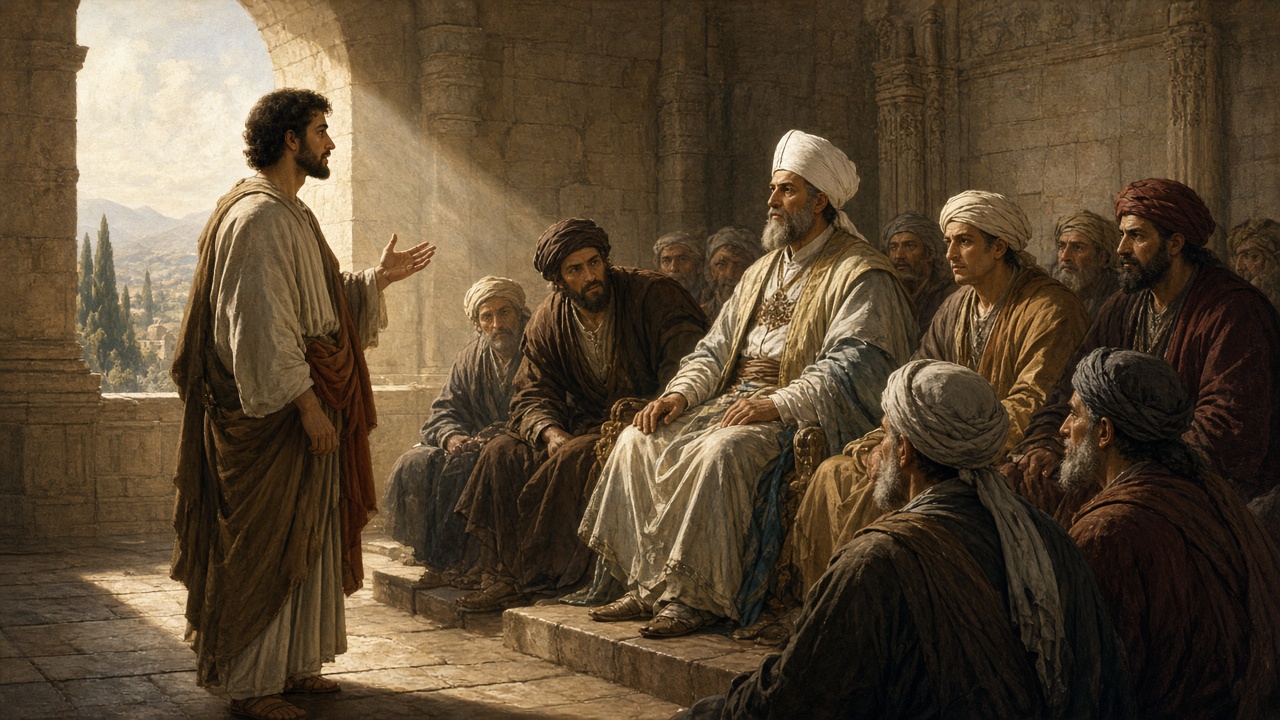
Esteban e̱' tsa̱tké
1Sacerdote kibi, e' tö Esteban a̱ ichaké:
—Ì ki̱ be' kkatërke ¿e' dör moki̱?
2Ie' iiu̱té: “A yamipa, a yë́pa, ye' ttö̀ ttsö́. Mik se' këkëpa Abraham bak ia̱ia̱ë Mesopotamia, ka̱m imi' se̱nuk Harán, eta̱ ee̱ se' Këköl olo ta̱' tai̱ë, e' e̱' kkayë' ie' a̱. 3Eta̱ ichéitö ia̱: ‘Be' ká̱ ena be' yamipa, e' múa̱t ta̱ be' yúshka se̱nuk, ká̱ kkachekeyö be' a̱ ee̱.’ 4Es Abraham e̱' yë'ttsa̱ Caldea a̱te̱ Mesopotamia ee̱, ta̱ imía̱ se̱nuk Harán. Iyë́ blënewa̱ e' ukuöki̱ ta̱ Skëköl tö ie' patkë' se̱nuk í̱e̱, wé̱ se' se̱rke i̱'ñe ta̱ ee̱. 5Kuaë Skëköl kë̀ wa̱ ká̱ i' mène ie' a̱ yës, elkela wë'ia̱ ë̀ kë̀ ie' a̱ imène. Erë́ e' ké̱wö ska' ta̱ ie' kë̀ ala'r ta̱', erë Skëköl kablë' ie' a̱ ttè i' wa: ‘Ká̱ i' meraëyö be' aleripa a̱ be' blënewa̱ e' ukuöki̱ ta̱.’ 6Ñies Skëköl tö iché ie' a̱: ‘Be' aleripa se̱rdaë ká̱ kua̱'ki̱ ki̱ we̱s ká̱ kua̱'ki̱ wakpa es. Ee̱ ie'pa klördawa̱ kanè mésoie kë̀ patue̱ta̱' ese. Iweirdarak sia̱rë döka̱ duas cien tkëyök (400).’ 7Erë Skëköl tö iché ia̱: ‘Ká̱ wé̱ wakpa tö ie'pa we'ikera, esepa ské we'ikerayö sia̱rë. E' ukuöki̱ ta̱ ie'pa e̱' yörattsa̱ ká̱ e' a̱ a̱s ye' dalöiörakitö ká̱ i' ki̱.’ 8Eta̱ Skëköl tö iché ia̱: ‘A' ala'r wëpa ku̱rke ko̱s esepa tottola kkuölitla tö́ö tsir. E' ú̱ ke̱kraë iwà kkachoie tö ye' tö ttè me' be' a̱.’ E' kue̱ki̱ mik ie' alà kiè Isaac ki̱ ká̱ de pàköl, eta̱ itóttola kkuölitla téeitö tsir. Es ñies Isaac tö iwé̱ ilà Jacob ta̱. E' sù̱ Jacob tö iwé̱ ila'rla dabom eyök kí̱ böl (12), e'pa ta̱. Ie'pa dör se' dör Israel aleripa ditséwöpa dabom eyök kí̱ böl e' yë́pa tsá̱.
9“Erë se' yë́pa tsá̱, e'pa ukyëne iël tsirla kiè José e' ta̱. E' kue̱ki̱ ie'pa tö iwato̱'ttsa̱ ta̱ yi tö itué̱ e' wa̱ imítse̱r Egipto. Erë Skëköl tso' ie' ta̱. 10Ie' tö itsa̱tké ke̱kraë ko̱s iweirke e' shu̱a̱. Ñies ka̱bikeitsè buaë méitö ia̱. Ñies ie' tö Faraón ké isa̱u̱k e̱r bua' wa (Egipto wakpa tö iblúpa ko̱s kiè Faraón). E' kue̱ki̱ Faraón tö ie' tkéka̱ Egipto íyi ko̱s e' wökirie ñies ie' wák u wökirie.
11“E' ukuöki̱ ta̱ ketba a̱neka̱ Egipto ena Canaán, e' ko̱s a̱. E' wakpa weine sia̱rë. Se' yë́pa tsá̱ kë̀ wa̱ ì ku̱ne ñanoie katanoie. 12Erë mik Jacob wa̱ ijche̱newa̱ tö iyiwö tso' Egipto, eta̱ ie' tö ila'r dör se' yë́pa tsá̱, e'pa patkémi iyiwö ta̱u̱k ee̱, e' dör ie'pa tsá̱ dë'rö. 13Mik ie'pa skà dë'rö eta̱ José tö ie'pa a̱ iché: ‘ye' dör a' ël.’ Es Faraón wa̱ ijche̱newa̱ tö yi ditséwö José dör. 14E' ukuöki̱ ta̱ ie' tö iyë́ Jacob ena iyamipa ko̱s tsu̱k patké a̱s idöbitu̱ Egipto. E'pa döka̱ dabom kuryök ki̱ ske̱l (75). 15Es Jacob minea̱ se̱nuk Egipto. Ee̱ iblënewa̱. Ee̱ ie' ala'r dör se' yë́pa tsá̱, e'pa blërulune ñies. 16Ie'pa nu minene Siquem wötéwa̱ iwakpa pö a̱. Ká̱ e' wato̱' Hamor ala'r tö Abraham a̱ pöie.
17“Erë Skëköl kablë' Abraham a̱ ttè i' wa: ‘Be' aleripa yerattsa̱ne ye' tö Egipto.’ Mik e' ké̱wö dökewa̱tke, eta̱ se' yë́pa kí̱ alöne tai̱ë. 18E' ké̱wö ska' ta̱ Egipto blú ské tkëneka̱, e' kë̀ wa̱ José pakè jche̱r. 19Blu' e' tö se' yë́pa ki̱tö'wé̱ we'iké sia̱rë. Ie' tö ie'pa ké kësik wa ila'rla wëpa ku̱ne e̱rpa esepa ko̱s watöktsa̱ a̱s iduölur. 20E' ké̱wö ska' ta̱ Moisés ku̱ne', e' dör buaala shu̱te̱. Iyë́ ena imì tö ikkö'né u a̱ döka̱ sí mañat. 21E' ukuöki̱ ta̱ ie'pa ka̱wöta̱ iwatöktsa̱ a̱s iduöwa̱ erë Egipto blú alà busi tö ikué̱wa̱ tsé̱mi u a̱ tala'wè̱ we̱s iwák alà es. 22Es Moisés yöne tai̱ë íyi jche̱r Egipto wakpa wa̱, ko̱s e' wa. Ittö̀ ë̀ ki̱ ittsënewa̱, ñies ì we̱keitö e' ë̀ ki̱ iwënewa̱ tö ie' dör wëm tai̱ë ese.
23“Mik ie' ki̱ duas de dabom tkëyök, (40) eta̱ ibikeitséitö: ‘Ye' mía̱ ye' yamipa dör Israel aleripa e' weblök.’ 24Eta̱ ie' isué̱ tö egiptowak eköl tso' Israel aleri eköl we'ikök. E' kue̱ki̱ ie' mishka itsa̱tkök ta̱ egiptowak ttéwa̱itö iskéie. 25Ie' ibikeitsé tö iyamipa Israel aleripa é̱na ia̱rmi tö Skëköl tö ie' patké ie'pa tsa̱tkök. Erë kë̀ iwà a̱ne ie'pa é̱na. 26Bule es ta̱ ie' tö Israel aleripa kué̱ böl ñippök. Ie' ki̱ ikiane tö ie'pa mú e̱r buarne ñì ki̱, e' kue̱ki̱ ichéitö ia̱rak: ‘A' dör ñì yamipa. ¿Iö́k a' ñì we'ikö̀?’ 27Eta̱ eköl tö iyami we'ikeke, e' tö Moisés patkéu̱mi ta̱ ichéitö ia̱: ‘¿Yi tö be' tkéka̱ sa' wökirie sa' shu̱lökwakie? 28¿Be' é̱na ye' ttakwa̱ we̱s chkì be' tö egiptowak kötwa̱ es?’ 29E' ttséwa̱ Moisés tö ta̱ itkashkar ká̱ bánet kiè Madián ee̱. Ee̱ ise̱né we̱s ká̱ kua̱'ki̱ wak es. Ee̱ ila'rla kéka̱ böl.
30“Ee̱ ie' se̱né dö̀ duas dabom tkëyök (40). Ká̱ et ta̱ Skëköl biyöchökwak eköl e̱' kkaché ie' a̱ Sinaí ké̱bata a̱ tsi̱net ká̱ sir poë wé̱ kë̀ yi se̱rku̱' ese ska'. Ie' e̱' kkaché ia̱ kal tsir wöñarke bö'ie e' shu̱a̱. 31Moisés wökranewa̱ iweblök. Erë mik ie' e̱' skéwa̱ isa̱u̱k bua'iewa̱ ta̱ Skëköl ttö̀ ttséitö, e' tö iché ia̱: 32‘Ye' dör be' yë́pa bak ia̱ia̱ë kiè Abraham, Isaac ena Jacob e'pa Këköl.’ Eta̱ Moisés painéka̱ tai̱ë suane kue̱ki̱. Ie' kë̀ diché dë'ka̱ia̱ isa̱u̱k. 33Eta̱ Skëköl tö iché ia̱: ‘Wé̱ be' dur, e' ké̱ dör batse'r, e' kue̱ki̱ be' klökkuö yö́ttsa̱. 34Moki̱ ye' isué̱ tö wé̱pa dör ye' icha tso' Egipto e'pa weirke. Ie'pa kköchöke e' ttséyö. E' kue̱ki̱ ye' dë'ttsa̱ ie'pa tsa̱tkök. E' kue̱ki̱ ittsö́: Ye' tö be' patkerami Egipto.’
35“Israel aleripa tö iyë' Moisés a̱: ‘¿Yi tö be' tkéka̱ sa' wökirie sa' shu̱lökwakie?’ Erë́ ie'pa tö ie' watë'ttsa̱, erë Skëköl tö patkë' ie'pa wökirie ena ie'pa tsa̱tkökwakie. E' bak mik Skëköl biyöchökwak e̱' kkayë'wa̱ ie' a̱ kal tsitsirla shu̱a̱ eta̱. 36Es Moisés tö se' yë́pa yë'ttsa̱ Egipto a̱. Egipto ena dayë kiè Dayë Mat ee̱ ie' tö ì kë̀ o̱r yi a̱ ese wé̱ tai̱ë. Ñies e' wé̱itö duas dabom tkëyök ekkë ká̱ sir poë wé̱ kë̀ yi se̱rku̱' ee̱. 37Ie' wák tö iché ie'pa a̱: ‘Skëköl tö itteköl keraka̱ eköl a' shu̱a̱ we̱s ye' es.’ 38Mik Israel aleripa tso'rak echkaie ká̱ sir poë wé̱ kë̀ yi se̱rku̱' ee̱, eta̱ Moisés tso' ie'pa shu̱a̱. Ñies Skëköl biyöchökwak tté ie' ta̱ Sinaí ké̱bata a̱. Skëköl ttè tö se̱ne meke sia̱ e' yëne ie' a̱ ee̱, e' pakéne ie' tö se' a̱.
39“Erë se' yë́pa kë̀ wa̱ ie' ttè dalöiëne'. Ie'pa tö ie' ttè watë'ttsa̱. Ie'pa shkakne Egipto. 40E' kue̱ki̱ ie'pa tö iché Aarón a̱: ‘Moisés tö se' yë'ttsa̱ Egipto a̱. Kë̀ sa' wa̱ ijche̱r ì tka ie' ta̱. E' kue̱ki̱ íyi diököl yuö́ se' a̱ böt mañat dalöiè skëkölie a̱s e' mi' se' wëttsu̱k.’ 41Es ie'pa tö baka pupula diököl yué dalöiè. Ta̱ iyiwak jchérakitö mè baka diököl a̱ idalöioie. Ie'pa tö e' ké̱wö tkö'wé̱ tai̱ë, baka diököl yuérakitö iwákpa ulà wa, e' dalöioie. 42E' kue̱ki̱ Skëköl e̱' skéttsa̱ ie'pa yöki̱. Ie' tö ie'pa méa̱t a̱s bëkwö dalöiörakitö ie' skéie. Es Skëköl ttekölpa tö ikit iyëkkuö ki̱. Ie'pa tö ichè:
‘A Israel aleripa,
mik a' se̱ne' ká̱ sir poë wé̱ kë̀ yi se̱rku̱' ee̱ duas dabom tkëyök (40) ekkë,
eta̱ a' tö iyiwak jchë' erë e' kë̀ dör ye' dalöioie.
43Wé̱ dalöieke pë' tö skëkölie kiè Moloc, e' diököl wéla dami a' wa̱.
Ñies wé̱ dalöieke pë' tö skëkölie kiè Refán e' diököl bëkwöie, e' dami a' wa̱.
E' ko̱s diököl yué a' wákpa tö, esepa dami a' wa̱ dalöiè.
E' kue̱ki̱ ye' tö a' patkeraë ka̱mië weinuk sia̱rë Babilonia wi̱'kie.’
Es ikite̱a̱t.
44“Es mik se' yë́pa bak se̱nuk ká̱ sir poë wé̱ kë̀ yi se̱rku̱' ee̱, eta̱ ie'pa wa̱ datsi'kuö dami e' shu̱kue̱kear Skëköl wéie. E' a̱ ie' bak e̱' kkachök ie'pa a̱. U e' yöne we̱s ie' tö Moisés ka' iyuök es, we̱s ie' tö ikkayë' ia̱ es. 45E' ukuöki̱ ta̱ u e' méa̱t se' yë́pa bak e'pa tö ileripa a̱. Mik ie'pa demi Josué ta̱ pë' kua̱'ki̱ wakpa ká̱ klö'u̱kwa̱, eta̱ u e' mirwa̱rak iwa̱. Skëköl tö pë' kua̱'ki̱ wakpa u̱yéttsa̱ ie'pa yöki̱. E' ukuöki̱ ká̱ tai̱ë ta̱ David tkëneka̱ blu'ie. E' ké̱wö ska' ta̱ u yöne ia̱ia̱ë datsi'kuö wa, e' tso'ia̱. 46David wër buaë Skëköl wa ta̱ ie' a̱ David tö ka̱wö kié ie' dalöio wé yuoie Israel aleripa a̱. 47Erë David alà kiè Salomón, e' tö Skëköl wé e' yué. 48Erë Skëköl dör íyi ulitane tsa̱ta̱ e' kë̀ se̱r u yué s'ditsö tö ese a̱. Es itteköl eköl tö iyë'a̱t, e' tö ichè:
49‘Skëköl tö ichè:
Ká̱ jaì e' dör ye' e̱' tkoie.
ká̱ i' dör ye' klö̀ tkose̱r.
Ye' wák tö íyi ko̱s yö',
e' kue̱ki̱ ¿we̱s a' tö u yuèmi ye' a̱?
¿We̱s a' tö ká̱ mèmi ye' a̱ e̱noie?’
Es ikite̱a̱t.
51“Erë a' kë̀ tö Skëköl dalöieta̱'. A' e̱r darërë. A' kukuöña darërëë. Ke̱kraë Wiköl Batse'r wöklö'wè̱ a' tö. A' dör we̱s a' yë́pa bak ká̱ ia̱ia̱ë es. 52Ie'pa tö Skëköl ttekölpa ko̱s we'ik. Es ñies ittekölpa bak ichök tö yi dör Yësyësë Chökle e' datse̱, e'pa kötulur ie'pa tö. I̱'ñe ta̱ yi dör Yësyësë Chökle ñe' detke, erë iwatué̱ttsa̱ a' tö ttèwa̱. 53A' ulà a̱ Skëköl ttè dalöiëno dë' ibiyöchökwakpa wa. Erë a' kë̀ tö idalöiè.”
Esteban ttéwa̱ ie'pa tö
54Mik iwökirpa tö ì pakè Esteban tö e' ttsé, eta̱ ie'pa uluneka̱ iki̱ tai̱ë. Ie'pa kà wötéwa̱ ulune ë̀ kue̱ki̱. 55Erë Esteban ki̱ Wiköl Batse'r kí̱ de tai̱ë ta̱ iwö kéka̱ ká̱ jaì a̱ ta̱ Skëköl olo tai̱ë e' sué̱itö. Ñies ie' tö Jesús sué̱ dur Skëköl ulà bua'kka. 56Ie' tö iché:
—¡Isa̱ú̱! Ye' tso' isa̱u̱k tö ká̱ jaì wékkö àr áie. Ñies Jesús dör S'ditsö Alà e' sa̱u̱k ye' tso' tö idur Skëköl ulà bua'kka.
57Erë ie'pa e̱' kukuöña wötéwa̱ a̱s kë̀ iwattsër. Eta̱ ia̱neka̱rak tai̱ë ta̱ imishkarak se̱raa̱ Esteban ki̱. 58Ta̱ iyéttsa̱rakitö Jerusalén a̱ mítse̱r u'rki̱ ee̱, ta̱ ie'pa tö ie' témi ák wa ittowa̱ie. Esteban kkatökwakpa tso' itök, e'pa datsi' me'itörak duladula kiè Saulo e' a̱ blè. |src="4 CNT5972b.tif" size="col" ref="Hch 7.58"
59Ie'pa tso' Esteban tök ák wa, e' dalewa ie' tö ikié Skëköl a̱ i' es: “A Skëkëpa Jesús, ye' wiköl tsú̱mi be' ska'.” 60E' ukuöki̱ ta̱ ie' e̱' tkéwa̱ kuchë ki̱ ta̱ ia̱neka̱ tai̱ë: “A Skëkëpa, ì sulu wamblök itso'rak, e' nuí̱ olo'yö́ ie'pa ki̱.”
Mik e' chéitö ta̱ iduowa̱.
Did you know?
Stephen retells Israel's story
- Stephen opens his speech with Abraham still in Mesopotamia, before he settled in Haran, when he was told to leave his country and his kindred. Mesopotamia—Hebrew Aram-naharaim, “Syria of the two rivers”—was the name Greeks and Romans gave the region between the Euphrates and the Tigris; the Old Testament also calls it Padan-aram, “the plain of Aram,” and the north of that plateau was the early home of the Hebrews’ ancestors. Easton's Bible Dictionary (1897) notes that this first call is not mentioned in the Old Testament, though Genesis 12 implies it, and that Abraham left Ur in Chaldea and traveled about 300 miles north to Haran.Sources: the Bible text itself · Mesopotamia · Abraham
- Stephen says the bones of Jacob and the fathers were carried back to Shechem and placed in the tomb Abraham had bought from the sons of Hamor. Easton's Bible Dictionary (1897) identifies Hamor as a Hivite whose name means “he-ass,” notes that Acts 7:16 calls him Emmor, and says Jacob bought from him the plot at Shechem in which Joseph was later buried. The entry adds that Hamor’s son Shechem founded the city that took his name.Sources: the Bible text itself · Hamor
- Stephen places the burning bush in the desert near Mount Sinai and says Moses received living words there from the angel who spoke to him on the mountain. Easton's Bible Dictionary (1897) treats Sinai—a name linked with Sin, a moon god—as the same mountain district also called Horeb. The entry says the Hebrews reached that region in the third month after the Exodus, after a journey of about 150 miles from the Red Sea, including all the windings of the route, and remained encamped for about a year.Sources: the Bible text itself · Mount Sinai
Notes written with AI assistance from open sources (Theographic Bible Metadata, CC BY-SA 4.0; Easton’s Bible Dictionary, public domain) and reviewed before publishing.
Places in this chapter
- Haran · Today: Harran · 36.864, 39.033 · verses 2, 4
- Mesopotamia · Today: Aram-naharaim · 36.864, 39.033 · verse 2
- Chaldea · 30.962, 46.104 · verse 4
- Egypt · 30.129, 31.308 · verses 9, 10, 11, 12, 14, 15, 17, 18, 34, 36, 39, 40
- Canaan · 32.767, 35.333 · verse 11
- Shechem · Today: Tell Balatah · 32.214, 35.282 · verse 16
- Nile · Today: Nile River · 31.465, 30.367 · verse 19
- Midian · 28.495, 35.012 · verse 29
- Babylon · 32.543, 44.422 · verse 43
Only places identified with high confidence are shown (90% or more according to the scholarly sources compiled by OpenBible). Period map: DARE (Digital Atlas of the Roman Empire), CC BY 4.0; modern map: © OpenStreetMap contributors; places: OpenBible.info (CC BY 4.0).
Credits and license for this translation
Tte Pa̱'a̱li̱ Me' Skëköl tö Se' a̱
New Testament and Shorter Old Testament in Bribri (CS:bzd:Bribri)
copyright © 2010 Wycliffe Bible Translators, Inc.
Language: Bribri
Translation by: Wycliffe Bible Translators, Inc.
Bribri
bzd
Costa Rica
Copyright Information
© 2010, Wycliffe Bible Translators, Inc. All rights reserved.
This translation text is made available to you under the
terms of the Creative Commons License: Attribution-Noncommercial-No Derivative Works.
( http://creativecommons.org/licenses/by-nc-nd/3.0/ )
In addition, you have permission to port the text to different file formats, as long as you
do not change any of the text or punctuation of the Bible.
You may share, copy, distribute, transmit, and extract portions
or quotations from this work, provided that you include the above copyright
information:
You must give Attribution to the work.
You do not sell this work for a profit.
You do not make any derivative works that change any of the actual words or punctuation of the Scriptures.
Permissions beyond the scope of this license may be
available if you contact
us with your request.
The New Testament and Shorter Old Testament
in Bribri
© 2010, Wycliffe Bible Translators, Inc. All rights reserved.
This translation is made available to you under the terms of the
Creative Commons Attribution-Noncommercial-No Derivatives license 4.0.
You may share and redistribute this Bible translation or extracts from it in any format, provided that:
You include the above copyright and source information.
You do not sell this work for a profit.
You do not change any of the words or punctuation of the Scriptures.
Pictures included with Scriptures and other documents on this site are licensed just for use with those Scriptures and documents.
For other uses, please contact the respective copyright owners.
2014-04-22
Source: http://ebible.org/bzdNTpo/ · eBible.org