Genesis 8
Yipma Genesis and New Testament · Tap a verse to see its cross-references.
Aalya naangeꞌ miꞌnanyɨra.
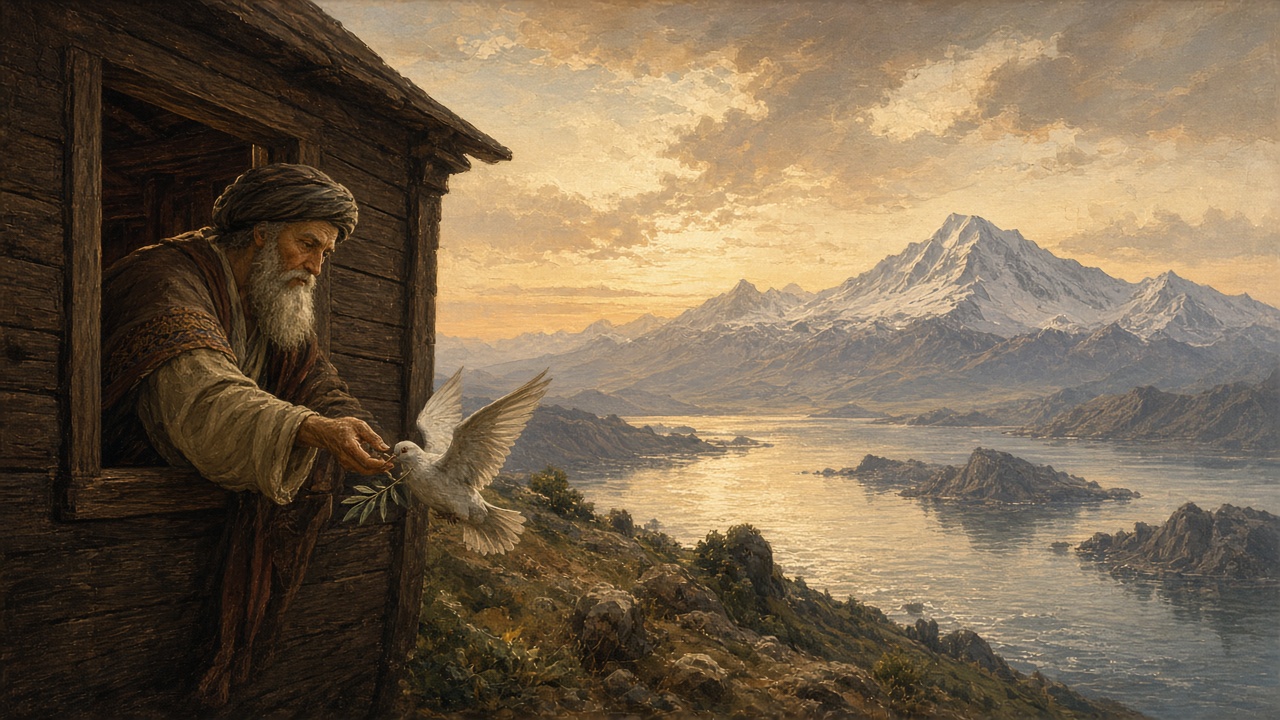
1Nowaai sɨpɨyavɨ wɨlaꞌdɨꞌnyɨ Gotɨyai sɨmunya yawɨraꞌ. Yawɨraka yɨhuta wakɨna kyaꞌ aalyaꞌ walyuina yadaasɨ lawe dɨkaai dɨkaai dɨꞌ kwavɨlavaꞌ aalya maalɨka warɨna kyaꞌ, sɨpɨyaꞌ Ararata mugunyavɨ waraꞌ. Kwaraꞌ sawɨta aꞌmwe pwaraare ata sɨvɨlɨraai kajɨnnaꞌ Nowaai sɨpɨyavɨya yɨrɨtɨnnyarɨkɨ baasaka mwasawɨ kaamyaakerɨ marapɨlakwaasɨna yaꞌ. Kwaakevakɨ aalɨbunya waꞌdɨsɨ kaamyaakei pɨlakuna. Pɨlakuna kyaꞌ Nowaai “Aalya tɨvi kyeꞌnɨgwaimwaawɨꞌ daaꞌ?” daka mwasawɨ kwaamɨryarɨ marapɨlakwaasɨna yaꞌ. Aalɨbunyaꞌ kuna waꞌdɨsɨ kwaamɨryai mwalaawiaꞌneba kunewɨ wanganaka ayawɨnna sɨpɨyavɨna bulamwaaina. Bulamwaaina kyaꞌ sawɨta ata pwi yaka ata purɨdaaꞌnyɨ pwaraai kajɨnnaꞌ pɨgaaꞌ Nowaai kwaamɨryarɨ marapɨlakwaasaꞌ. Kamarapɨlakwaasaꞌ sawɨsɨrɨ kwaamɨryai yɨta wolivɨyare kɨwasaꞌ mudɨꞌmɨlamaraawɨna yaꞌ. Kamakabaꞌ Nowaai tɨnna wanganaka “Kwaakevaꞌ yaalɨka menanyɨra,” yawɨraꞌ. Kyawɨraꞌ sawɨta ata pwi ata purɨdaasɨ pwaraai kajɨnnaꞌ pɨgaaꞌ Nowaai kwaamɨryarɨ kamarapɨlakwaasaꞌ saꞌ kwaamɨryai yuna kaanna wɨna yaꞌ. Wɨna kyaꞌ Nowaai sɨpɨyavɨya kaanyaꞌ baasaka wanganaasaꞌ. Tɨnna dara wanganakeꞌ kwaakeꞌ yaalɨkevɨ wanganaꞌ. Mena kwanganaꞌ lawe puꞌna kwavɨlavaꞌ Gotɨyai Nowaarɨ wɨdɨna, “Sarɨmɨ mwasabanna jɨkwalyaabila! Jɨlɨkyaawaryaraavɨ yɨkurɨyaawiaraavɨ dɨvuradɨhalamakwalyaama! Kumɨ sara kwaakevakɨ kwala naanga yariwannɨpɨꞌderera.” Sara wɨdɨna kyaꞌ sɨpɨyavɨdaaꞌnyɨ Nowaalyɨ gamɨre gawaalɨsɨ yuya mwasabanna walyaabɨna yeꞌ. Walyaabɨna kyeꞌ Nowaai sɨmunya yawɨraka “Gotɨyai neyɨvainɨwakeꞌna nɨmɨ Gotɨyai tewannyarɨna yɨlaaya yɨgalɨdeꞌna jɨlɨkyaawarya yɨkurɨyaawia wɨjaawɨwɨnabɨsaꞌ dɨkevɨ gaayadɨka yɨravɨma!” yawɨraka Gotɨyarɨne simɨnyeꞌ lɨvalaabaꞌ. Lɨvalaabaka dɨka mariraꞌna yaka “Jɨlɨkyaawarya yɨkurɨyaawia kɨmaaka mwarikera,” daka maarɨna yaka simɨnye lɨvalaabakevɨ dɨkevɨ marakɨna yaꞌ. Sɨmahurɨka wɨvwasɨꞌna yakevɨdaaꞌnyɨ tɨrɨnya wabatɨrɨnya winnaka Gotɨyai daꞌ “Dɨvi yunegaaꞌ nɨmɨ yeꞌna sɨmudɨnya yadɨvɨsangɨ maramuneinyɨra.”
Did you know?
The Waters Recede
- The ark came to rest on the mountains of Ararat, a name meaning “sacred land” or “high land” for a country on whose mountains the ark settled after the flood. Easton's Bible Dictionary (1897) suggests those mountains were probably the Kurdish range of southern Armenia, though the name is also commonly applied to a high, almost inaccessible peak rising from the plain of the Araxes. In 2 Kings 19:37 and Isaiah 37:38 the Authorized Version renders the name “Armenia” and the Revised Version “land of Ararat,” while Jeremiah 51:27 uses it for central or southern Armenia.Sources: Ararat · the Bible text itself
- Noah’s Hebrew name means “rest,” and in this chapter the ark itself comes to rest as the waters go down. He was the son of Lamech and the grandson of Methuselah, and the father of Shem, Ham, and Japheth. Easton's Bible Dictionary describes him as the connecting link between the old world and the new, and as a second great progenitor of the human family.Sources: Noah · the Bible text itself
- Chronological notes place the Great Flood in 2347 BC, lasting one year; the subsiding of the waters in 2346 BC, over 220 days; and the leaving of the ark in 2346 BC, as a single day. In the chapter itself, the waters have gone down after 150 days and the ark rests on the seventeenth day of the seventh month; on the first day of the first month of Noah’s six hundred and first year the waters have dried up, and by the twenty-seventh day of the second month the earth is fully dry.Sources: The Great Flood · The flood subsides · Leaving the Ark · the Bible text itself
Notes written with AI assistance from open sources (Theographic Bible Metadata, CC BY-SA 4.0; Easton’s Bible Dictionary, public domain) and reviewed before publishing.
Places in this chapter
- Ararat · Today: Urartu · 39.703, 44.300 · verse 4
Only places identified with high confidence are shown (90% or more according to the scholarly sources compiled by OpenBible). Period map: DARE (Digital Atlas of the Roman Empire), CC BY 4.0; modern map: © OpenStreetMap contributors; places: OpenBible.info (CC BY 4.0).
Credits and license for this translation
Yipma Genesis and New Testament
Genesis and The New Testament in the Yipma/Baruya language
Buk Stat na Nupela Testamen long tokples Yipma long Niugini
copyright © 1993, 1994 Wycliffe Bible Translators, Inc.
Language: Yipma (Baruya)
Translation by: Wycliffe Bible Translators
Video recording © The Jesus Film, a project of Cru.
This translation is made available to you under the terms of the
Creative Commons Attribution-Noncommercial-No Derivatives license 4.0.
You may share and redistribute this Bible translation or extracts from it in any format, provided that:
You include the above copyright and source information.
You do not sell this work for a profit.
You do not change any of the words or punctuation of the Scriptures.
Pictures included with Scriptures and other documents on this site are licensed just for use with those Scriptures and documents.
For other uses, please contact the respective copyright owners.
2013-02-07
Source: http://png.bible/byr/ · eBible.org