Genesis 3
Yipma Genesis and New Testament · Tap a verse to see its cross-references.
Aꞌmwera kayaaꞌnanyabwi yaaꞌ.
1Kamaala sai sɨduꞌnakei aꞌmwevɨ wɨdɨna “Gotɨyai jɨhɨthaka? ‘Kɨrɨmɨ yɨsɨla yɨta dangɨdaaꞌnyɨ mamaranyɨkanesɨ,’ jɨhɨthako?” Sara wɨdɨna kyaꞌ aꞌmweꞌ wɨdɨna “Yɨsɨlya nakajanga yawɨꞌmanɨgoi. Yɨsɨla yɨta wawɨnyavɨ tɨnnyaba waayɨkerɨdaaꞌnyɨ naarɨmɨ mamaranakanesɨ. Yɨta darɨ yɨmeꞌnakwoihɨjɨ balɨna yakadeꞌnaalyɨ,” wɨdɨna. Wɨdɨna kyaꞌ kamaalyai wɨdɨna “Kɨrɨmɨ dɨvalyidewaaihi mɨka. Kɨrɨmɨ kayaaꞌnanya pɨnɨnna tewaanya pɨnɨnna yawɨꞌna jidewaaihɨlyɨra,” wɨdɨna. “Kɨrɨmɨ Gotɨyaibɨꞌ jɨmaꞌnyidewaaihɨlyɨ. Saꞌna nabaai Gotɨyai yawɨꞌmanɨꞌ,” wɨdɨna. Kamaalyai miꞌna wɨdɨna kyaꞌ, sagaaꞌ aꞌmweꞌ tɨnna wanganakeꞌ “Yɨsɨla maranyɨna yɨma!” daꞌ. Sara daka maranyɨna yaꞌ. Nabaai gamɨre kwalaangerɨ kumaryaꞌ aꞌmwei yɨsɨlyai maranyɨna yaꞌ. Tɨviꞌna maranyɨna kyaꞌ kɨrɨmɨ sawaai kunya yawɨragi. Yawɨragɨla dara yennagɨlyaꞌ “Kannya maayaꞌnaai daaka!” Dahɨlegaaꞌ wagɨla kuvwaꞌnaꞌ yɨkɨwasa gipwaina, kannya yɨraꞌnyɨna yagi.
8Sawɨsaburɨ Gotɨyai wawɨnyavɨ kaanya yamaryɨna. Yamaryɨna yadaaꞌnyɨ Ataamɨjɨ gannya aꞌmwesɨ sawaai gamɨnyɨ wɨꞌnagɨla yɨkaavɨlyavɨ kɨmaꞌnyawɨ lɨka yulyaꞌna yagi. Yulyaꞌdakɨlyɨ Gotɨyai jaka wɨdɨna “Gawɨ mwaaihɨlo?” Sara wɨdɨna kyaꞌ aꞌmwei wɨdaꞌ “Purinya kiwaa guꞌnɨwa. Kannya maayainyɨ lɨka yulyake,” wɨdaꞌ. Gotɨyai wɨdɨna “Saꞌna aai kagɨthɨwakaka? ‘Yɨsɨla mamaranɨnnesɨra,’ gɨthɨwaꞌdeꞌ danɨwaana?” wɨdɨna yaꞌ. Wɨdɨna kyaꞌ Ataamɨ wɨdɨna “Aꞌmwe nyɨjaavagɨne daꞌ yɨsɨla kanyɨmaariwaꞌ nɨwana.” Sara wɨdɨna kyaꞌ aꞌmweꞌ wɨdaꞌ “Nɨmɨnyɨ kamaalyai kwaasɨyagaala kanyɨdɨwaꞌ yɨsɨla maranyɨna yɨwana.”
14Miꞌna wɨdɨna kyaꞌ kamaalyarɨ Gotɨyai wɨdɨna “Sayaba kamaala sɨvɨlata maaya daigɨ labwatavamarina jahoꞌdeigɨnyɨ. Gɨmɨre kaimɨraayara kwarajɨ savɨre kaimɨraayara kwarajɨ sɨmɨlɨka winadɨvɨꞌ mala tannɨpɨꞌdeꞌna wɨjɨwaakɨderera,” wɨdɨna. “Gamɨre sɨvidaahunnyavɨ kayaaka yɨgaidɨzaꞌneꞌ gɨmɨre mɨnyagɨnyavɨ gɨvɨzaꞌjɨvaladeigɨnyɨ,” wɨdɨna yaꞌ kamaalyarɨ.
16Gotɨyai aꞌmwevɨ wɨdɨna “Mudangegaaꞌ gɨnnya kaimɨraayai maꞌdaaꞌgiyagaaꞌ daanga naanga gɨvɨnadeꞌgɨnyɨra. Sara yɨjaꞌ gɨnnya aꞌmwerɨ yɨlaaya jɨhaidesɨ. Nabaai gamɨ gɨmaremwaaladelyɨ,” wɨdɨna yaꞌ.
17Gotɨyai Ataamɨmɨ wɨdɨna “Sayaba adaꞌ gɨmɨ sara yɨwaanya saꞌneꞌ nɨmɨ kwaakevakɨ kurɨvaarɨya wakɨdeinyɨ. Kwakaꞌmuri gɨmɨ wapaaya nyaꞌne wawɨnya naanga yadɨ sagaaꞌ gɨmɨnyɨ maaꞌna naanga ginadeigɨnyɨ. Yuyagaaꞌ kwaihwaainakeigɨ mwaalaꞌgɨzɨyagaaꞌ gɨmɨ sara jɨtheigɨnyɨ. Kwaakejɨsɨ gyavɨkaryagɨnyaigɨ gɨmɨ balaꞌgiyagaaꞌ gɨmɨre kɨlaakejɨꞌ kwaaka ayɨna yɨmaꞌnadezɨkɨ,” wɨdɨna yaꞌ.
20Miꞌna wɨdɨna yaka Gotɨyai yaawɨhɨlaakeꞌ maarɨna yaka kannya yavɨkarina yakewaai maarɨna yagɨla kannya mariraꞌnyɨna yagi. Ataamɨ aꞌmwevɨ wɨdaꞌ “Yɨvaꞌ gɨthɨwe saꞌ gɨnnya yaya naangeꞌ gɨthɨwa.” Aꞌmwe yuyaraavɨ kuvɨnaangeꞌ yɨmaꞌnadeꞌnanyɨra. Ataamɨjɨ Yɨvasɨ sawaai kunya kayaaꞌna yawɨꞌna, tewaanna yawɨꞌna yadiꞌ mwaalagi. “Yɨsɨla gaalyaꞌneꞌ nyɨna yakɨri gazagaasagaaꞌ namwaalyɨkadɨka!” daka Gotɨyai wɨdaasɨna. Sara wɨdaasɨna yaka “Yɨta tewaanyarɨna maremwaaipɨꞌderaava,” daka wawɨnyavɨ mwasɨlaa ejelɨya dameraavɨ wɨmwaaihaꞌ.
Did you know?
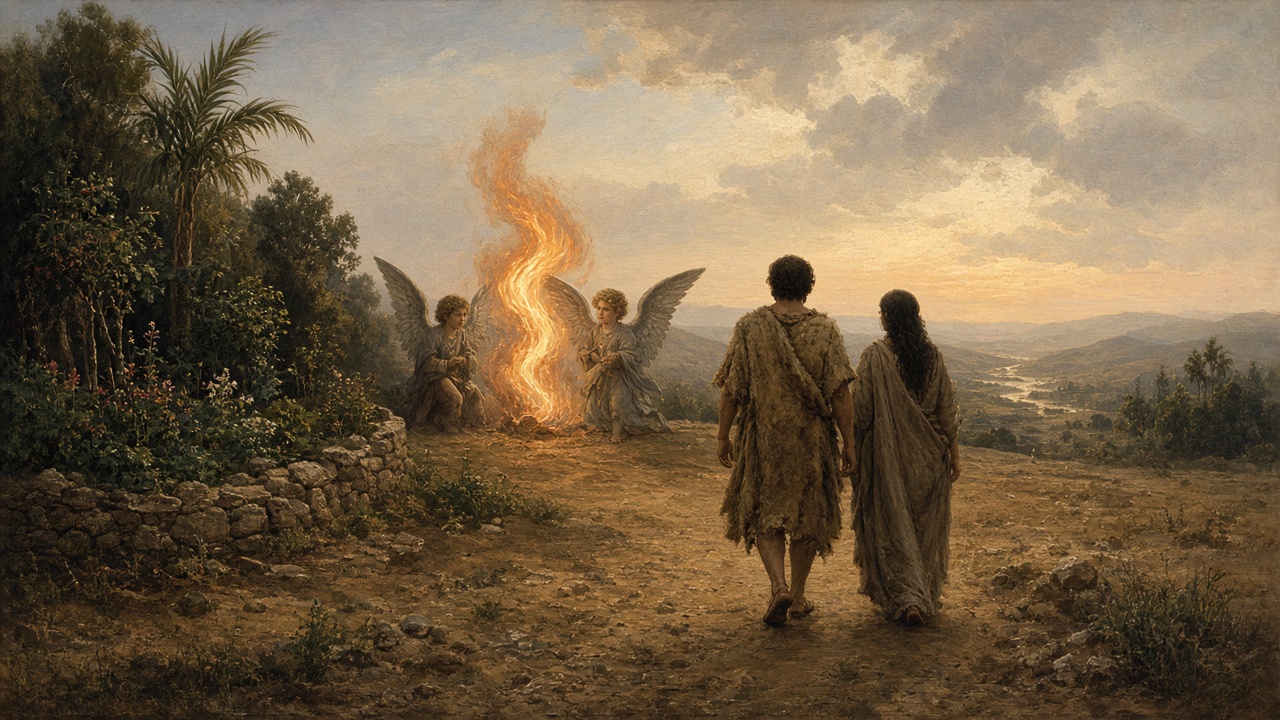
The Fall and Exile from Eden
- A traditional reference explains Adam as “red,” a Babylonian word used as the generic name for man, with the same meaning in Hebrew and Assyrian, and links the name to his being formed from the dust of the earth. In this chapter that origin returns in the judgment: he will toil for his food until he returns to the ground, for he is dust and to dust he will return, and he is sent to work the soil from which he was taken.Sources: Adam · the Bible text itself
- In this chapter Adam gives his wife the name Eve, meaning “life” or “living,” because she would be the mother of all the living.Sources: Eve · the Bible text itself
- The site of the garden of Eden, from which the man is driven in this chapter, has been much discussed and placed in Armenia, west of the Caspian Sea, in Media, near Damascus, in Palestine, in southern Arabia, and in Babylonia. A traditional geographical note looks for it along the Tigris and the Euphrates, in the land of Shinar, or Babylonia.Sources: Eden · the Bible text itself
Notes written with AI assistance from open sources (Theographic Bible Metadata, CC BY-SA 4.0; Easton’s Bible Dictionary, public domain) and reviewed before publishing.
Credits and license for this translation
Yipma Genesis and New Testament
Genesis and The New Testament in the Yipma/Baruya language
Buk Stat na Nupela Testamen long tokples Yipma long Niugini
copyright © 1993, 1994 Wycliffe Bible Translators, Inc.
Language: Yipma (Baruya)
Translation by: Wycliffe Bible Translators
Video recording © The Jesus Film, a project of Cru.
This translation is made available to you under the terms of the
Creative Commons Attribution-Noncommercial-No Derivatives license 4.0.
You may share and redistribute this Bible translation or extracts from it in any format, provided that:
You include the above copyright and source information.
You do not sell this work for a profit.
You do not change any of the words or punctuation of the Scriptures.
Pictures included with Scriptures and other documents on this site are licensed just for use with those Scriptures and documents.
For other uses, please contact the respective copyright owners.
2013-02-07
Source: http://png.bible/byr/ · eBible.org