2 Corinthians 4
Yipma Genesis and New Testament · Tap a verse to see its cross-references.
1Sarevɨ Gotɨyai kaleꞌna negaimwagakabaaibɨꞌ wawɨnya nawɨꞌnya dazaꞌ wɨdayadaanyainaavɨna nejaavakesɨ. Savɨ yɨ nemɨ wawɨnya dazaꞌna dɨragɨnna dadaa maaꞌna neyɨdeina mɨꞌ. 2Aawa. Nemɨ wagɨla kɨnɨnnakebwi lɨka yulyarɨkeburɨ buleꞌnanyaꞌ mena wɨjavadaanyaine. Nemɨ kwaasɨya saburɨ yamaryadaanyaina mɨꞌ. Sara myadaa yɨ nemɨ Gotɨyare yagaalyaꞌ maravɨlaꞌnya yadaanyaina mɨꞌ. Aawa. Nemɨ Gotɨyarɨ tɨnnyarɨ yagaala nebulyaꞌnanyaꞌ kuꞌmaayabanna marimaꞌnaabya yadaanyaꞌ yɨ aꞌmweraavɨre sɨmunya gazarɨzarɨ dara yɨbwakɨdɨvɨsasɨ. Yɨ apozelɨyara sareraavɨne yayaꞌ munyaba makɨlaana! 3Kɨrɨꞌ nemɨ yagaala tewaanya dazaꞌ wɨjɨwakadaanya savɨ kawaaka yɨrakɨnajaꞌ yɨ saꞌ aꞌmwe saba sana yɨwɨna yaꞌneraavɨna kawaaka yɨrakɨvanɨkesɨ. 4Yɨ dathahaasaraavɨre gotɨyai Saataanɨ aꞌmwe sahwara Kɨraazɨtɨyarɨ malɨmwagyadɨvɨta dazaraavɨre sɨmunyangɨ gidɨravalɨmwagata yadelyɨ. Yɨ yagaala tewaanyavɨneꞌ Kɨraazɨtɨyare byaanna dɨragɨnyavɨre baakeꞌ kumɨre sɨmunyangɨ yɨnɨga wiꞌna wannadeꞌ mɨꞌ. Yɨ sarevɨ tihɨralɨmwagata yadelyɨ. Yɨ sahwara Kɨraazɨtɨyarɨ tɨnna mwanganyadɨvɨsalyɨ. Yɨ sai Gotɨyare aꞌmabaala nebulyaꞌnanyalyɨ. 5Sareꞌ darevɨnyɨ. Nemɨ yagaalyaꞌ yune nemɨnyɨneꞌ wɨjɨwakadaanyaina mɨꞌ. Aawa. Nemɨ yagaalyaꞌ dara jalɨkurakadaanyaine. Kɨraazɨtɨyai Jizaazai sai Naangelyɨ. Yɨ Jizaazarɨna nemɨ sarɨmɨre yɨhɨthayadaanyainera. 6Sareꞌ dareꞌnanyɨ. Sɨnnawɨ Gotɨyai mena jaakelyɨ “Jɨhɨnyavɨdaasɨ baakeꞌ mwadana!” Yɨ Gotɨyai sarei gamɨre baakeꞌ nemɨnyɨne sɨmunyangɨ banemwadakesɨ. Gotɨyare byaanna dɨragɨnyaꞌ Kɨraazɨtɨyare sɨnnyɨkɨ warɨkeꞌ nemɨ yawɨranganyaꞌneinaavɨna baaka saꞌ banemwadakesɨ.
7Nabaai kɨrɨꞌ nawɨꞌnya dazaꞌ kɨnɨnnakeina, kwadɨka yaasɨwaꞌnanyaraavɨ Gotɨyai nawɨꞌnya dazaꞌ maradɨngikakabaaibɨsaine. Gotɨyai “Aꞌmwe yuyara dɨragɨnya nawɨꞌnyaangeꞌ yawɨrangabɨka!” kadaꞌ dara yɨmaꞌnakesɨ. Dɨragɨnya naanga dazaꞌ yune nawɨꞌnyaꞌ yɨ saꞌ Gotɨyare dɨragɨnyasɨ. Saꞌ yɨ nemɨreꞌ mɨꞌ. 8Yɨ nemɨre wawɨnyaꞌ yadaa yuyanna nemɨnyɨ taangeꞌ neyɨmaꞌnadeine. Sare kɨrɨꞌ saꞌ kayaaka nebulyaꞌna neyɨgalakadeina mɨꞌ. Yawɨta kwalaalya nemɨre sɨmunyangɨ nerihɨralɨmwagaꞌdengɨ. Sare kɨrɨꞌ nemɨre sɨmunya yunebanna yɨwɨya yada mɨꞌ. 9Aꞌmwera “Sahwaraavɨ kayaaka yɨgalaana!” dadɨvɨꞌ negaꞌmɨjamakwodɨvɨsaine. Sara neyadaapɨri kɨrɨꞌ Gotɨyai nemɨnyɨ neyagalyaꞌmaꞌdei mɨꞌ. Sahwara nemɨnyɨ mala neradaapɨri walaꞌdaanyaine. Sare kɨrɨꞌ Gotɨyai negaimwadaaꞌnyɨ nemɨ kayaaka nebulyaꞌna yɨdaanyaina mɨꞌ. 10Yuyagaaꞌ nennya kɨlaakejɨkaavɨ Jizaazare baryabwi maꞌdaanyaine. Yadaa kaanya yamaryadaanyaine. Gotɨyai nemɨnyɨna “Jizaazare gaala sabwi kɨbulyɨ kumɨre kɨlaakejɨkaavɨ kuꞌmaayabanna yɨmaꞌnaabana!” kadaꞌ sareina kaanya yamaryadaanyaine. 11Sareꞌ darevɨnyɨ. Yuyagaaꞌ gaala mwaidaanyainaavɨ Jizaazarɨna aꞌmwera aꞌmwatamakya saza baryaburɨ nemarɨmwangadɨvɨsaine. Gotɨyai nemɨnyɨna “Jizaazare gaala kɨbwi yɨ kumɨre kɨlaakejɨꞌ balyaꞌnejɨkɨ kuꞌmaayaba marimaꞌnaabana!” kadaꞌ nemarɨmwangadɨvɨsaine. 12Sarevɨ barya sabwi nemɨnyɨ neyadesɨ. Kɨrɨꞌ Gotɨyai gaalyabwina sarɨmɨnyɨ yɨhyadevulyɨ.
13Nemɨnyɨna Kuryai dɨragɨnna lɨmwangebwi nejaavakeine. Yɨ sasare dazabwi Gotɨyare bukuyaꞌ yɨdaꞌnɨkabaaibɨsarɨ avaaina wɨjayaakesɨ. Yɨ dara dɨnɨꞌ “Nɨmɨ Gotɨyarɨ dɨragɨnna mena lɨmwagevɨ yɨ yagaalyaꞌ wɨdeinyɨ.” Lɨmwanga avaalyabwi maaroina kwainajɨ dɨragɨnna lɨmwadaanyavɨ yagaalyaꞌ wɨdadaanyaine. 14Yɨ nemɨ mena dɨragɨnna yawɨꞌmanɨgo. Gotɨyai Naanga Jizaazarɨ yɨdɨkaavakei yɨ sahwai nemɨ Jizaazalyɨya kwainaavɨ neyɨdɨkaavadelyɨ. Yɨ nemɨnyɨjɨ sarɨmɨnyɨjɨ sainaavɨ nemakwawojɨ gamɨnyaba gidɨhusaba nemwaaihadelyɨ. 15Sareꞌ darevɨnyɨ. Yuya daza sarɨmɨnyɨ gaimwagyaꞌne neyɨmaꞌnɨvanɨkengɨ. Gotɨyai “Nɨmɨre yanga gaimwangebwi aꞌmwe kwalaalya naanga naangeraavɨ yunebanna wɨwarana!” kadaꞌ sara neyɨmaꞌnɨvanɨkengɨ. Yɨ yuya sahwara Gotɨyarɨ suya naanga naange yɨpɨꞌdeꞌnanyɨ. Sara yadɨvɨꞌ gamɨnyɨne yayaꞌ munyabanna makibɨꞌdere.
16Dazahɨrɨvɨ yɨ nemɨ Gotɨyare yagaalyaꞌ dɨragɨnna dadaa maaꞌna neyɨdeina mɨꞌ. Aawa. Nemɨre kɨlaakejɨꞌ kayaaka kuna yade kɨrɨꞌ yuya yɨrɨka sarɨkɨ yuyagaaꞌ nemɨre kuryai mudɨkei dɨragɨnyai yɨmaꞌnadelyɨ. 17Yɨ daresɨ. Gotɨyarɨna nemɨ dara yawɨꞌdaanyɨ. Taanga nemɨnyɨ neyɨmaꞌnade dazaꞌ wana maalɨkesɨ. Yɨ saꞌ wana kɨbawe maalɨkegaaꞌ waradesɨ. Nabaai taanga wana maalɨka saꞌ dɨvi sagaaꞌ nemɨnyɨne wana nawɨꞌnyaꞌ byaanna dɨragɨnya naangeꞌ kɨnɨnnakeꞌ marimaꞌnaabathesɨ. Nabaai wana nawɨꞌnyaꞌ taanginya maalɨtaaya savɨ yuna wavɨlaꞌdeꞌ yɨ yuyagaaꞌ yuyagaaꞌnesɨ. 18Yɨ nemɨ Kwaaka davakɨyangɨ taanginyangɨjɨ tɨnnyalyɨ wangadaanyangɨ dɨragɨnna myawɨranganyadaanyaine. Aawa. Sɨgunyavɨyangɨ tɨnnyalyɨ mwanganyadaanyangɨ dɨragɨnna yawɨrangadaanyaine. Sareꞌ darevɨnyɨ. Yuya nemɨ tɨnnyalyɨ wangadaanya sa yune maalɨkegaaꞌna waradengɨ. Yɨ daza tɨnnyalyɨ mwanganyadaanya sa, sa yuyagaaꞌ yuyagaaꞌ waradengɨ. Sara yawɨꞌdaa dɨragɨnna dadaa maaꞌna neyɨdeina mɨꞌ.
Did you know?
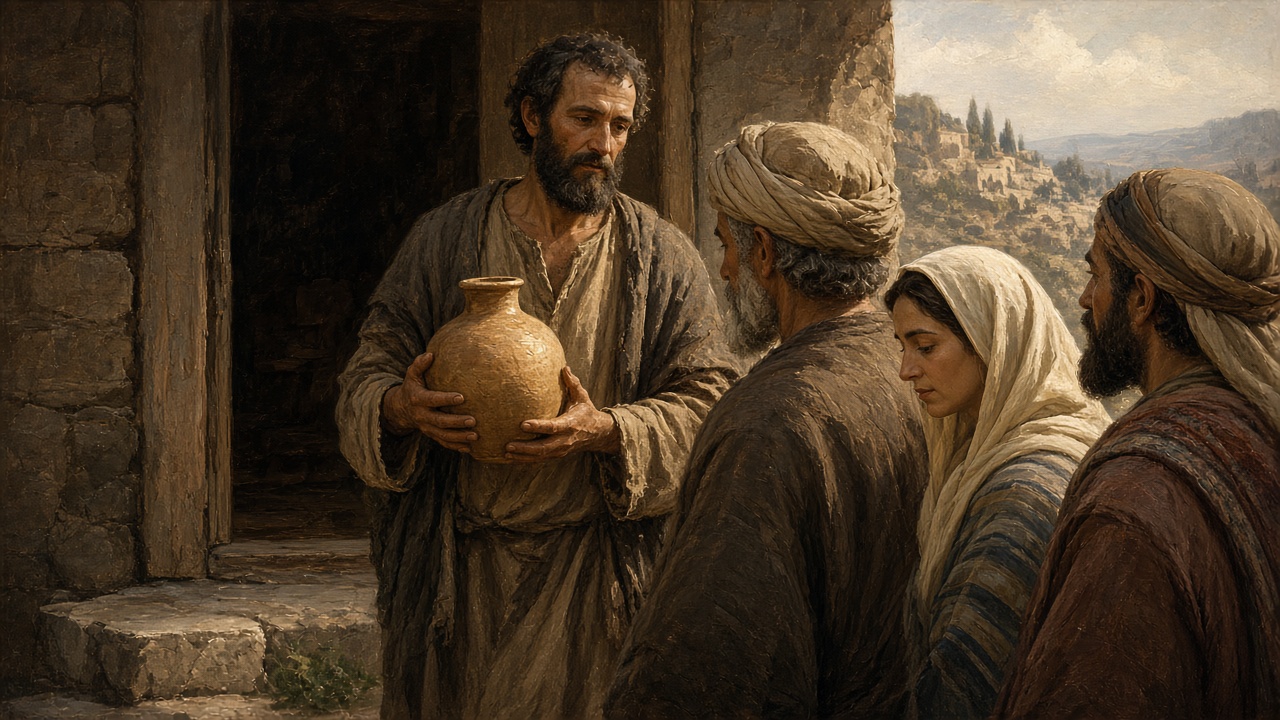
Treasure in Jars of Clay
- In this chapter the speakers say that, because God in his mercy has given them this ministry, they do not lose heart. They have renounced secret and shameful ways: they do not practice deceit or distort the word of God, but by the open proclamation of the truth they commend themselves to every person's conscience in the sight of God.Sources: the Bible text itself
- Their message is pictured as a treasure held in jars of clay, so that this surpassingly great power is shown to be from God and not from them. The same contrast runs through their hardships: hard pressed on all sides but not crushed, perplexed but not in despair, persecuted but not forsaken, struck down but not destroyed.Sources: the Bible text itself
- Light is the chapter's other central image. God, who said, "Let light shine out of darkness," is said to have shone his light in their hearts to give the light of the knowledge of the glory of God in the face of Jesus Christ. They proclaim not themselves but Jesus Christ as Lord, and themselves as servants of those they address, for Jesus' sake; if the gospel is veiled, the text says it is veiled to those who are perishing, whose minds "the god of this age" has blinded.Sources: the Bible text itself
Notes written with AI assistance from open sources (Theographic Bible Metadata, CC BY-SA 4.0; Easton’s Bible Dictionary, public domain) and reviewed before publishing.
Credits and license for this translation
Yipma Genesis and New Testament
Genesis and The New Testament in the Yipma/Baruya language
Buk Stat na Nupela Testamen long tokples Yipma long Niugini
copyright © 1993, 1994 Wycliffe Bible Translators, Inc.
Language: Yipma (Baruya)
Translation by: Wycliffe Bible Translators
Video recording © The Jesus Film, a project of Cru.
This translation is made available to you under the terms of the
Creative Commons Attribution-Noncommercial-No Derivatives license 4.0.
You may share and redistribute this Bible translation or extracts from it in any format, provided that:
You include the above copyright and source information.
You do not sell this work for a profit.
You do not change any of the words or punctuation of the Scriptures.
Pictures included with Scriptures and other documents on this site are licensed just for use with those Scriptures and documents.
For other uses, please contact the respective copyright owners.
2013-02-07
Source: http://png.bible/byr/ · eBible.org