John 1
Selected Scriptures in Yipma/Wagamwa · Tap a verse to see its cross-references.
About this book
About John
- Easton's Bible Dictionary (1897) attributes the Gospel of John to the apostle John and says it was probably written at Ephesus about A.D. 90. It notes that after Jerusalem was destroyed in A.D. 70, Ephesus became a center of Christian life and activity in the East, and that from about 1820 many attempts were made to deny that John was the author.Sources: Easton: John, Gospel of
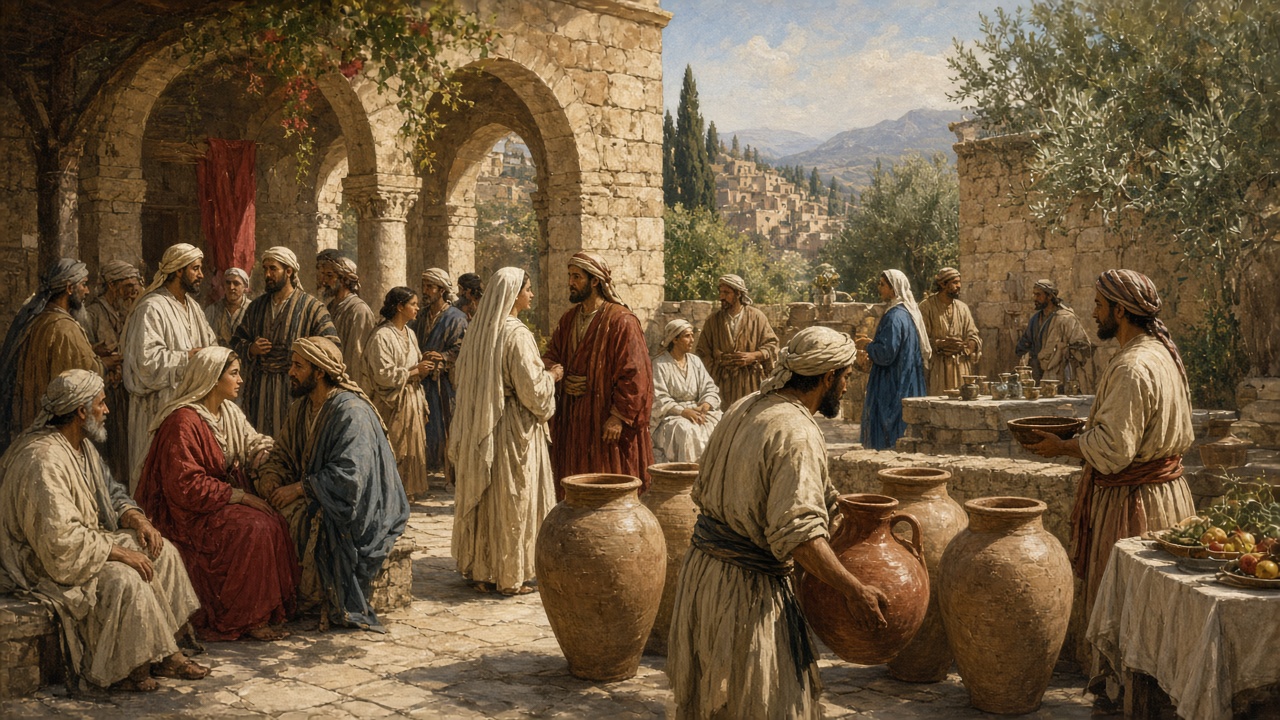
- The narrative is set in the time of Pontius Pilate, the sixth Roman procurator of Judea from A.D. 26 to 36, whose headquarters were at Caesarea and who often went up to Jerusalem. Judea was then the southernmost of Palestine's three divisions, distinguished from Galilee and Samaria, and was part of the Roman province of Syria; the Gospel also places a wedding at Cana, a town of Galilee near Capernaum.Sources: Pontius Pilate · Judea · Cana
- After the prologue (1:1-5), Easton says the historical narrative begins at verse 6 and falls into two parts. The first (1:6 through chapter 12) follows the public ministry from John the Baptist's introduction of Jesus until that ministry closes. The second (chapters 13-21) presents him in private life with his immediate followers (13-17) and then recounts his sufferings and his appearances to the disciples after the resurrection (18-21).Sources: Easton: John, Gospel of
- Easton lists four distinctive features: the relation of the Son to the Father, the relation of Christ to believers, the announcement of the Holy Spirit as the Comforter, and the prominence given to love in Christian character. The dictionary says the Gospel was addressed primarily to Christians.Sources: Easton: John, Gospel of
- Easton notes that it was once supposed John wrote to supply omissions in the first three Gospels, but says there is no evidence for this. Citing Reuss, it describes the book instead as a historical presentation of Christian faith centered on the person of Christ, picturing the world's antagonism to the truth revealed in him and the spiritual blessedness of the few who yield themselves to him as the Light of life.Sources: Easton: John, Gospel of
Notes written with AI assistance from open sources (Theographic Bible Metadata, CC BY-SA 4.0; Easton’s Bible Dictionary, public domain) and reviewed before publishing.
Godɨyarɨne Yagaalyai (Jisaasi) mwaarɨgerɨnesɨ.
1Sɨnyamwɨnyagaa' kɨgaakuna Kwaaga taba' myɨma'nyamwɨ Godɨyarɨne Yagaalyai mwaryaagemwɨnyɨ. Nabaai, Godɨyai mwaaragemwɨ kamɨnyɨmwɨ Godɨyarɨne Yagaalyai mwaarɨ'. Gotɨyarɨne Yagaalyai sagwai Godɨyai.
2Sɨnyamwɨnyagaa' kunegaa' aayamwɨdaa'nyɨ Godɨyalyɨ sagwai mwarɨbainyɨna yaagelyɨ. 3Godɨyai sara kyabwɨra' sagwai wɨyangɨ sara wagagei. Aane pɨrɨ' kɨrɨ' kamɨ saba yɨma'naga' mɨ'. Aawa, sagwai wagagengɨ wɨya sa. 4Sɨnyamwɨ sagaa' sagwarɨ kaalyabwi waragelyɨ. Kaala sabwi a'mwe wɨyaraabɨre Paagelyɨ. Yɨnɨga sai a'mweinaabɨna kunya tewaanya yabwɨrya'ne nejaabɨnɨgerɨna. Kunya tewaanya yabwɨrya'ne wɨjaabɨna kaneya' paaga sabɨ nabyaa mwaindaanyaine. (Godɨyarɨna nabyaa yabwɨtaanyaine.) 5Saburɨdaa'nyɨ sɨgɨnya kayaa'nayaburɨ Godɨyare paage' wannyɨna. Nabaai sɨgɨnya sa' paagebɨ mwabɨlayɨnɨgesɨ.
6Godɨyai yabwɨ'na “A'mwera paagebɨ mwaaimbɨga!” yabwɨraga sɨnyamwɨ a'mwerɨ wɨdaasagelyɨ. Sai Sonɨ (pabɨtaajɨya yandei) wɨdaasagelyɨ. 7A'mwe sagwai salɨguragyɨ'nei pɨna. “A'mweraabɨ a'mwengɨ Jisaasi Paagerɨna wɨjalɨguragana!” taga wɨdaasagei pɨna. “Kadɨga wɨ'napɨjɨ Naangerɨ lɨmwagapɨga!” tagei pɨna. 8Sonɨ kamɨ sai Paagei mɨka! Aawa. “Paaga nabwɨ'nya sarɨna salɨguragana!” tagelyɨra. 9Tɨbi Paagei Kwaaga tabagɨ waraabaga a'mwe kajainajainaabɨna Paaga nebulya'nanyalyɨ. A'mwe wɨyainaabɨ kunya tewaanya yabwɨrya'ne nejaabandei.
10Nabaai, Kwaaga tabagɨ sai pamwaaina ya'. Sɨnyamwɨ Godɨyai kyabwɨra' sagwai Kwaaga taba' sara wagɨna. Sara wagɨna yaga pamwaaina kya' kɨrɨ' Kwaaga Tabagɨ mwaaryara kamɨ sagwarɨ myabwɨramaaryɨ yesalyɨ. 11Kamnya Anga Yɨjɨrelɨna pɨna yaga mwaaindaasɨ kamɨjɨyara mamaaryɨ. 12Sara yɨna yeba mamaaryɨ kye' kɨrɨ' a'mwera pwara “Nebulyasɨra. Naangelyɨra,” teba maarɨna ye'. Maarɨna kye' sai wɨya saraabɨ kamnya tɨragɨnyabwi wɨjaabɨna ya'. Kamnya tɨragɨnya sabwi sagwara Godɨyale kwaimɨraayara yɨma'nyɨ'nebulyɨ. Kamɨ sagwarɨnajɨ kamɨre yebyabɨnajɨ lɨmwagatɨbɨsaraabɨnebulyɨ. Yɨ sagwara mudɨgera yɨma'nyɨna ye'. 13A'mweraabɨre yɨjabagaabɨdaa'nyɨ tawengɨna mudɨgera myɨma'nyɨna. Aawa. Kɨraagejɨgɨya sɨndujaburɨ mudɨgera myɨma'nyɨna. Aawa. A'mweraabɨre tɨragɨnyabɨ mudɨgera myɨma'nyɨna. Aawa. Godɨyai kebwi yabwɨ'na “Sagwara nɨmɨre kwaimɨraayara mudɨgeraabɨ yawagɨnɨma!” kada' yɨma'nɨgabɨnɨgengɨ.
14Godɨyarɨne Yagaalyai a'mwe kɨraa'nagei yɨma'nyɨna yagei nemɨnyɨmwɨ kamnya selɨ ange' yɨradaakuna. Kamɨre kɨraagejɨgɨ wɨramwaaina yɨna yandaasɨ tɨnya tara wangano' “O, Nabwɨ'nyai tɨragɨnaangei taaga!” Sara tandaa kamɨre paagebɨ tɨnya wangano. Kanɨmaangerɨdaa'nyai kambei yamagɨnarɨgabaaimbɨta paaga sasɨ. Sagwarɨ yuneba yanga kaimwangebulyɨ nebulyabulyɨ maanga yegu'nɨgelyɨ.
15A'mwe Sonɨ kamɨnyɨna nejalɨguraganda saga tara tanganna “A'mwe tajarɨna yɨnggɨdelyɨ. Nɨmɨ Godɨyale yagaala kyɨnggɨdɨmwa tɨbiya pwai pojɨ yɨnggɨdɨbwaagadei Naangelyɨ. Nɨmɨ sagwainyɨ mɨga! Nɨmɨ maarɨgeinyɨra/wabeinyɨra. Nɨmɨ myɨma'nyagaa' kuna mwaryaage'na Sɨnyamwɨnyalyɨ.
16Sagwai maanga yegu'nɨgebɨdaa'nyɨ nemɨ wɨyainaabɨna wana nabwɨ'nya nejaabande'na tewaanna mwaaigo. Nemɨnyɨ kamɨre yanga kaimwanggaimwange' nejaabanda nejaabɨnɨgelyɨ. 17Sare' Godɨyai kujaa' Ne Mojɨji Godɨyale Kɨmwɨnya tewaanya' wɨjaabɨna. Wɨjaabɨna neyɨnɨge' nemɨnyɨmwɨ Godɨyai Kɨraajɨtɨya Jisaasɨrɨ wɨdasaabɨna. Wɨdasaabɨna kyɨnɨ' sagwarɨ nemɨnyɨna yanga kaimwangebulyɨ nebulyabulyɨ yɨma'nɨnɨge'nanyɨ.
18Godɨyarɨ a'mwe Kwaaga tabagɨyaina wangandaanyarɨna mɨ'. Aane pwai kwai tɨnya mwanganyɨ. Aawa. Godɨyai, kambei kanɨmaangeryaba kusɨmagɨnna mwaarɨgei nemɨnyɨ yɨbwarɨdaakwia neyɨgelyɨ.
Jisaasi nemɨnyɨnneba paragarɨnesɨ.
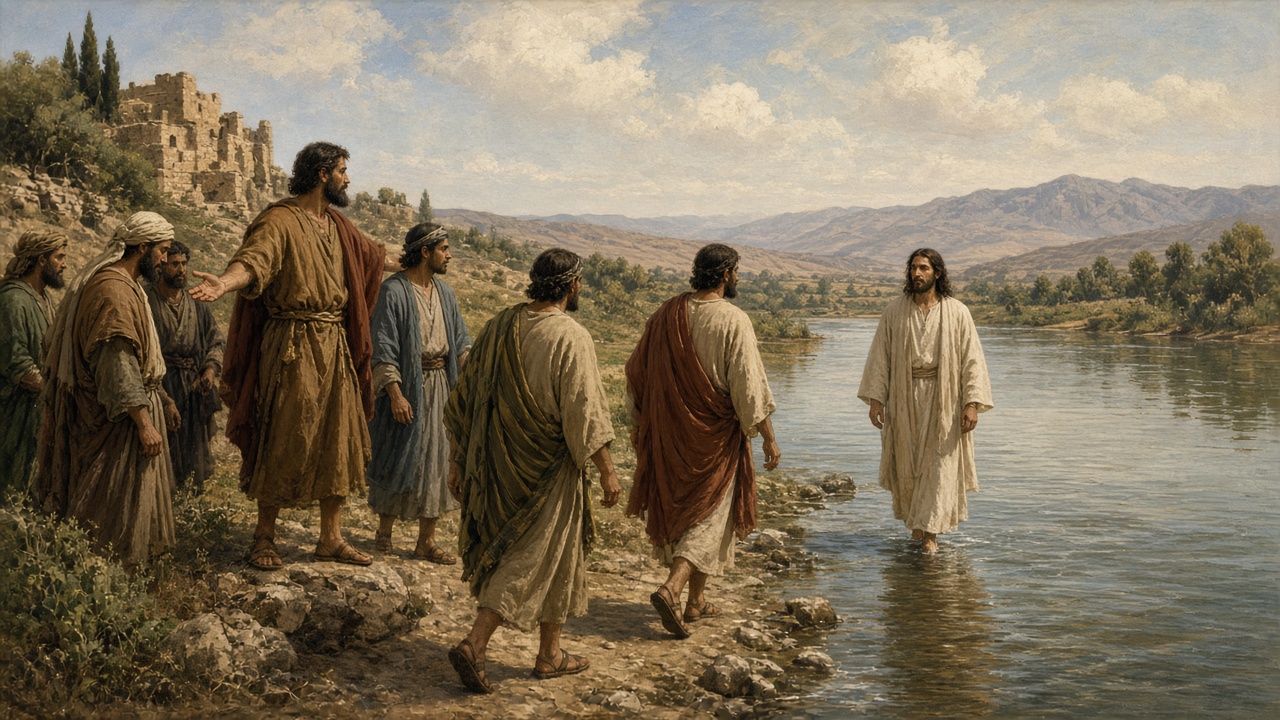
29Mwanyɨgaa' Sonɨ mwaaraga Jisaasi pagerɨ tɨnya wanganaasɨna yaga a'mweraabɨ wɨdɨna “Yɨdaanyi! Tajai Godɨyalei Sipɨjipɨya tɨmwɨnyara! Kayaa'nayanna a'mwera sipɨjipɨyarɨ lamɨna yandɨbɨ' kwaraanyaba Godɨyarɨna tɨga nasɨ'na yandebaaimbɨ' sai Kwaagebagɨ mwaaryainaabɨre kayaa'nayanna marasɨsa'na paradelyɨ. 30Sagwarɨna yɨnggɨdandɨnyalyɨ. “Nɨmɨ pɨmeinyɨ, tɨbi a'mwei padelyɨ. Nɨmɨ myɨma'nyagaa' sai kuna mwaaryaagalyɨ. Sai sɨnyamwɨnyai Naangalyɨ. Nɨmɨ wabeinyɨra. 31‘Pojɨyai Naanga Kwarɨnera,’ yabwɨrena kamɨnyɨ myabwɨranganyainyɨ. Aawa. ‘Sagwarɨna Yɨjɨrelɨyaraabɨ yɨbwarɨdaakwia'na yɨma!’ tena pɨma. Aarya yɨnggyandɨnya (lɨbamabandɨnya) sabɨ tara sabwɨryinde' ‘O, sai Naangai taaga!’”
32Sonɨ tɨnya mena paigɨnaraga a'mwe Sudaayaraabɨ wɨjalɨguragɨna “Sugunyabɨ Godɨyalebadaa'nyɨ Kuryai Tewaanyai kwaamɨryaimbɨsai waraabɨna yaga a'mwe sarɨ mwaarɨbainɨgarɨ tɨnya wanganerɨnera. 33Sɨnyamwɨ kamɨnyɨ myabwɨranganyainyɨ. Aawa. Pabɨtaajɨya'na nyɨdasaabagai sagwai nyɨnda' ‘Tɨbidaa'nyɨ tara tongandeigɨnyɨ. Kurya Tewaanyai a'mwe pwarɨ pwaramwaaina yaja' wanganakɨjɨ tara sabwɨte' “Ai, sai a'mweraabɨna Kurya Tewaanyarɨ yanga wɨjaabadei taaga!” Kɨmɨ aaryabɨ pabɨtaajɨya' sɨde' sai Kuryarɨ pabɨtaajɨya' yadelyɨ.’ 34Sara wɨdɨna nyage' tɨnya nabyaa wangameinyɨ yɨnggɨjalɨguragɨbaiga. Sai Godɨyale Kawaarɨbaangalyɨra.”
Did you know?
The Word, John's Witness, and the First Disciples
- When the Jews of Jerusalem sent priests and Levites to ask who he was, John denied that he was the Christ, Elijah, or the Prophet, and described himself, in Isaiah's words, as a voice crying in the wilderness. He was of priestly descent: his father, Zacharias, belonged to the course of Abia, and his mother, Elisabeth, was of the daughters of Aaron. A note on the event dates this testimony to AD 27.Sources: the Bible text itself · John the Baptist · John's Witness
- All this happened at Bethany beyond the Jordan, where John was baptizing. A place note records that the Revised Version reads Bethany here instead of Bethabara, on the authority of the oldest manuscripts, and that the name appears to have belonged to a place east of the Jordan.Sources: the Bible text itself · Bethany
- Andrew, then a disciple of John and a man of Bethsaida, heard John call Jesus the Lamb of God, followed him, and is described as the first of Jesus' disciples; he then brought his brother Simon. Philip found Nathanael and told him about Jesus of Nazareth, and Nathanael asked whether anything good could come from there, a town not mentioned in the Old Testament. Nathanael, from Cana in Galilee, is called an Israelite in whom there is no deceit, and because this Gospel never names Bartholomew, he has been identified with him.Sources: the Bible text itself · Andrew · Nathanael · Nazareth
Notes written with AI assistance from open sources (Theographic Bible Metadata, CC BY-SA 4.0; Easton’s Bible Dictionary, public domain) and reviewed before publishing.
Places in this chapter
- Jerusalem · 31.777, 35.234 · verse 19
- Jordan · Today: Jordan River · 31.761, 35.558 · verse 28
- Galilee · 32.760, 35.527 · verse 43
- Nazareth · 32.702, 35.298 · verses 45, 46
Only places identified with high confidence are shown (90% or more according to the scholarly sources compiled by OpenBible). Period map: DARE (Digital Atlas of the Roman Empire), CC BY 4.0; modern map: © OpenStreetMap contributors; places: OpenBible.info (CC BY 4.0).
Credits and license for this translation
Selected Scriptures in Yipma/Wagamwa
Selected Scriptures in the Wagamwa dialect of the Yipma language (parts of John, 1 John, Romans, and Hebrews).
Sampela hop long Nupela Testamen long tokples YIipma Wagamwa long Niugini
copyright © 2011 Wycliffe Bible Translators, Inc.
Language: Yipma/Wagamwa (Yipma)
Dialect: Wagamwa
Translation by: Wycliffe Bible Translators
This translation is made available to you under the terms of the
Creative Commons Attribution-Noncommercial-No Derivatives license 4.0.
You may share and redistribute this Bible translation or extracts from it in any format, provided that:
You include the above copyright and source information.
You do not sell this work for a profit.
You do not change any of the words or punctuation of the Scriptures.
Pictures included with Scriptures and other documents on this site are licensed just for use with those Scriptures and documents.
For other uses, please contact the respective copyright owners.
2015-01-02
Source: http://png.bible/byr-w/ · eBible.org