Numbers 6
Buka Tabuna Tefadi · Tap a verse to see its cross-references.
About this book
About Numbers
- Numbers is the fourth book of the Pentateuch. In Hebrew it is called be-midbar, “in the wilderness”; the Greek Septuagint called it Numbers, the name still usual, because it records a census in the wilderness of Sinai and a later census on the plain of Moab.Sources: Easton: Numbers, Book of
- Easton's Bible Dictionary (1897) presents Numbers, like the other books of the Pentateuch, as written by Moses. The history it contains runs from the second month of the second year after the Exodus to the beginning of the eleventh month of the fortieth year, about thirty-eight years and ten months.Sources: Easton: Numbers, Book of
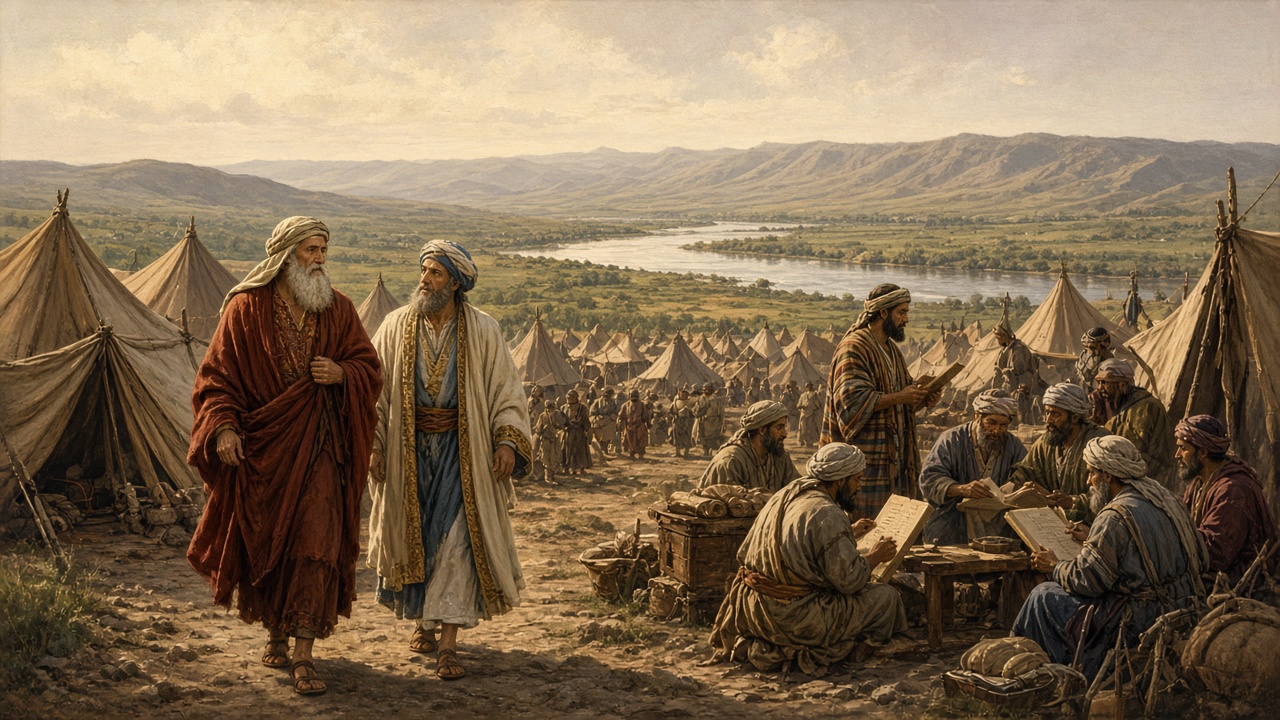
- The narrative begins at Sinai, the mountain district Israel reached in the third month after the Exodus and where they camped for about a year, and follows their route and encampments through the wilderness. It ends on the plains of Moab, east of the Jordan and the Dead Sea, opposite Jericho, their last camp before entering Canaan, the country west of the Jordan. Easton describes those years as a time of wandering in which that generation died in the wilderness, and notes that the people were fewer then than when they left Egypt.Sources: Easton: Numbers, Book of · Sinai · Moab · Canaan
- Easton divides the book into three parts: the census at Sinai and preparations to resume the march, including the Nazirite vow (1–10:10); the journey from Sinai to Moab, the sending of the spies and the report they brought back, and the people’s murmurings, eight times, at the hardships of the way (10:11–21:20); and the events on the plain of Moab before the crossing of the Jordan (21:21–36).Sources: Easton: Numbers, Book of
- While Israel was camped on the plains of Moab, Balak, son of Zippor and king of Moab, fearing them, sent to Pethor in Mesopotamia for Balaam, son of Beor, to curse them; the narrative says Balaam was unable to do so. Numbers 21:14 also cites “the book of the wars of the Lord,” a work that Easton says is uncertain, perhaps a lost writing of Israel or an Amorite record of the victories of their king Sihon.Sources: Easton: Numbers, Book of · Balaam · Balak
Notes written with AI assistance from open sources (Theographic Bible Metadata, CC BY-SA 4.0; Easton’s Bible Dictionary, public domain) and reviewed before publishing.
Tau Antalasam edi Liba Faloholoho, Dodoga Enehedi
22Guyau ya libalau Mose lebena iyen,
23Elon ma afa nanatuna tatau u falibadi uwen,
“Isalaela em aba faloholohodi mate itete. ‘U falibadi uwen, 24“ Guyau ena loholoho lisimiu yai yo i bobodiyemiu; 25Nenena i fasina lisimiu yai yo i fanuwatohatohaemiu; 26I ita faloholohomiu yo nuwamiu i fadaumwalidi. 27Ibe yena hesagu sa fapaisowa Isalaela dodogadi ai lisidi, yau haba loholoho E feledi.”
Did you know?
The Nazirite Vow and the Priestly Blessing
- The Nazirite vow was a voluntary period of special consecration to God available to both men and women. During this time, the person had to abstain completely from grape products and fermented drinks, leave their hair uncut, and avoid ritual defilement from any dead body, even that of an immediate family member.Sources: the Bible text itself
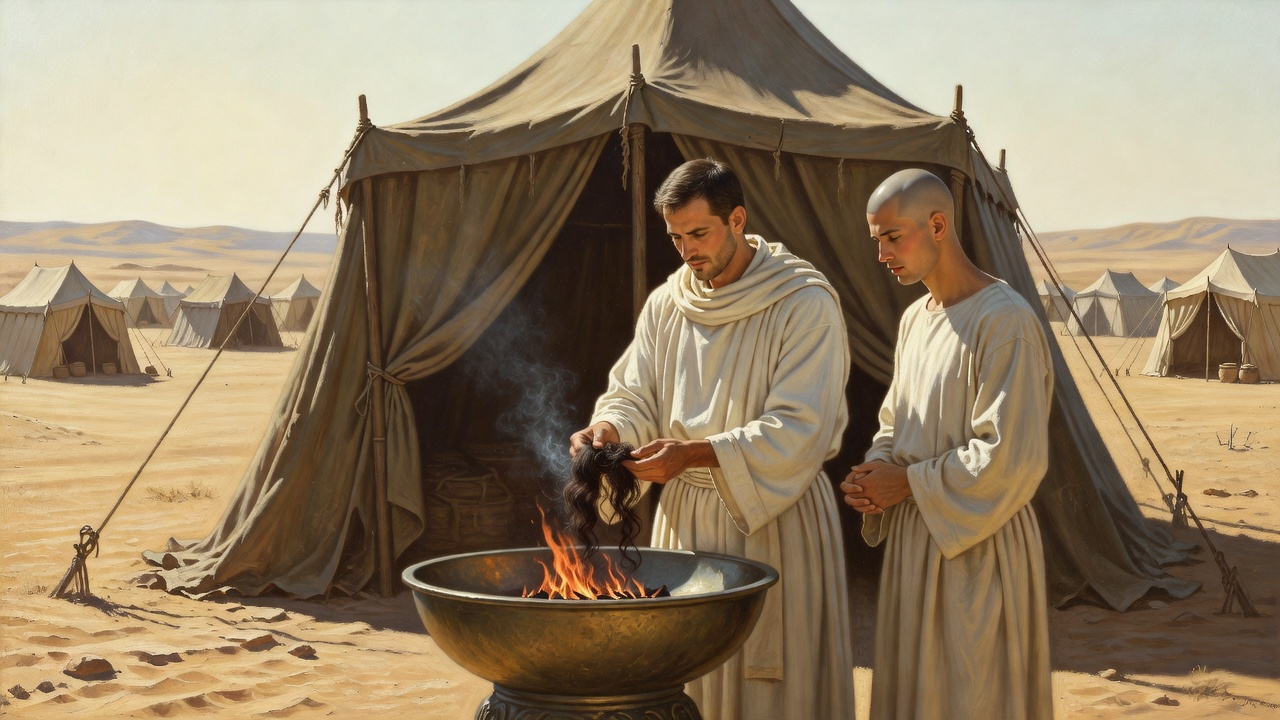
- When the period of separation ended, the Nazirite brought sacrifices to the entrance of the Tent of Meeting, shaved their head of hair, and burned the hair in the fire beneath the peace offering sacrifice. After the priest offered the required portions before God, the vow concluded and the person was allowed to drink wine again.Sources: the Bible text itself
- The chapter concludes with the priestly blessing that God instructed Moses to give to Aaron and his sons. By invoking God's protection, shining face, grace, and peace, the priests placed the divine name upon the people of Israel.Sources: the Bible text itself · Moses · Aaron
Notes written with AI assistance from open sources (Theographic Bible Metadata, CC BY-SA 4.0; Easton’s Bible Dictionary, public domain) and reviewed before publishing.
Credits and license for this translation
Buka Tabuna Tefadi
Mark, Acts, and selected excerpts of the Old Testament in the Buhutu language of Papua New Guinea
Buk Baibel long tokples Buhutu long Niugini
copyright © 2015 Wycliffe Bible Translators, Inc.
Language: Buhutu
Translation by: Wycliffe Bible Translators
This translation is made available to you under the terms of the
Creative Commons Attribution-Noncommercial-No Derivatives license 4.0.
You may share and redistribute this Bible translation or extracts from it in any format, provided that:
You include the above copyright and source information.
You do not sell this work for a profit.
You do not change any of the words or punctuation of the Scriptures.
Pictures included with Scriptures and other documents on this site are licensed just for use with those Scriptures and documents.
For other uses, please contact the respective copyright owners.
2015-10-06
Source: http://png.bible/bxh/ · eBible.org