Exodus 14
Buka Tabuna Tefadi · Tap a verse to see its cross-references.
Isalaela Gabogabo Balebalelemna yai
5Fuyana Idipi edi Baꞌisa sa faliba mate Isalaela haꞌa sa gela, yo fede maꞌena tau paisowa lalaꞌidi edi nuwanuwatuhu sa buidi. Na tiyen,
Paꞌana somo Isalaela te biya afuledi sa lau? Aho te hige gonowana ti paisowa boda.
6Yo fede, ena saliyoti ya nonohaidi be ena tau hiyala ma afa haidana sa lau. 7Ena saliyoti 600 loholoho wananahadi maꞌedi saliyoti hahaisa Idipi yai ya lawedi. Saliyoti mahudoꞌidi maꞌadi tanuwaga. 8Guyau mate Idipi edi Baꞌisa Falo nuwana ya fapoꞌi be Isalaela ya lau weꞌa watanidi. Na Isalaela hige ti ꞌwasabu, ma nuwa adidilidi sa lau moho. 9Falo ena hosi yo saliyoti, hosi tau gelugeluidi, yo tau hiyala mate, Isalaela dodogadi sa lau weꞌa watanidi, be somo yai edi an pei gwaꞌu Gabogabo Balebalelemna yai, Pi Hahiloti sadaina yai na Baꞌala Sefon mate tefa yai sa itaꞌita lawen. 10Fuyana Falo ya kepa lau, na Isalaela sa itaꞌita hasa sa itadi sa laolaoma adi halulu, sa ꞌwasabu yo fede sa tan lau Guyau lisina.
11Mose sa faliba tiyen,
Nuwana Idipi nuꞌuna hige boꞌusa, be logena wa foyaimai nuꞌu pitapitalina yai te bena ꞌe peꞌi?! Idipi yai wa foya fahimai mate somo haꞌa wa ginauli?! 12Idipi yai haꞌa ꞌe falibam, aiyawa, “U lau afulemai! Haba Idipi dodogadi edi ꞌe paisowa. Ibe edi ꞌe paisowa nuwana haba i loholoho wananaha, habahim peꞌi nuꞌu pitapitalina yai.”
13Mose dodoga alinadi ya bui iyen,
Tabu au ꞌwasabu. Au obiyo esegahimiu na Guyau aho te ya fofofahimiu haba ami ita. Idipi dodogadi aho te ami itadi ibege au ita fuyoꞌidi. 14Guyau haba enehimiu ya hiyala. Nuwamiu moho bena sa adidili.
15Habahim Guyau ya libalau Mose lisina, iyen,
Paꞌana somo be ami tantan laoma lisigu? Isalaela u falibadi be ti aulaha. 16Em tuꞌe u lau hitini be nimam u lolon gabogabo ai hewana na gabogabo haba ya pei daili be Isalaela dodogadi haba ai tanohi pitapitalina sa dohe. 17Idipi haba nuwadi E fapoꞌidi be Isalaela haba sa luhu watanidi. Falo ma ena tau hiyala, saliyoti, yo ena hosi tau gelugeluidi ai lisidi somo E ginauli haba sa noꞌoꞌegu. 18Fuyanna somo E ginauli faꞌofi, Falo, ena saliyoti yo hosi tau gelugeluidi lisidi yai, haba Idipi sa sibai mate, Yau Guyau.
19Yaubada ena anelu, Isalaela edi hiyala tataudi nuwanuwadi yai ya fuyo mulidi yai na yada piꞌana nuwanuwadi yai hinaga ya fuyo mulidi yai be ya todi, 20Idipi yo Isalaela atiꞌatipudi yai, yadana Idipi ya fakamumudi, na Isalaela mala ya feledi be hiyala tataudi maihonana hige gonowadi ti sigilau Isalaela lisidi.
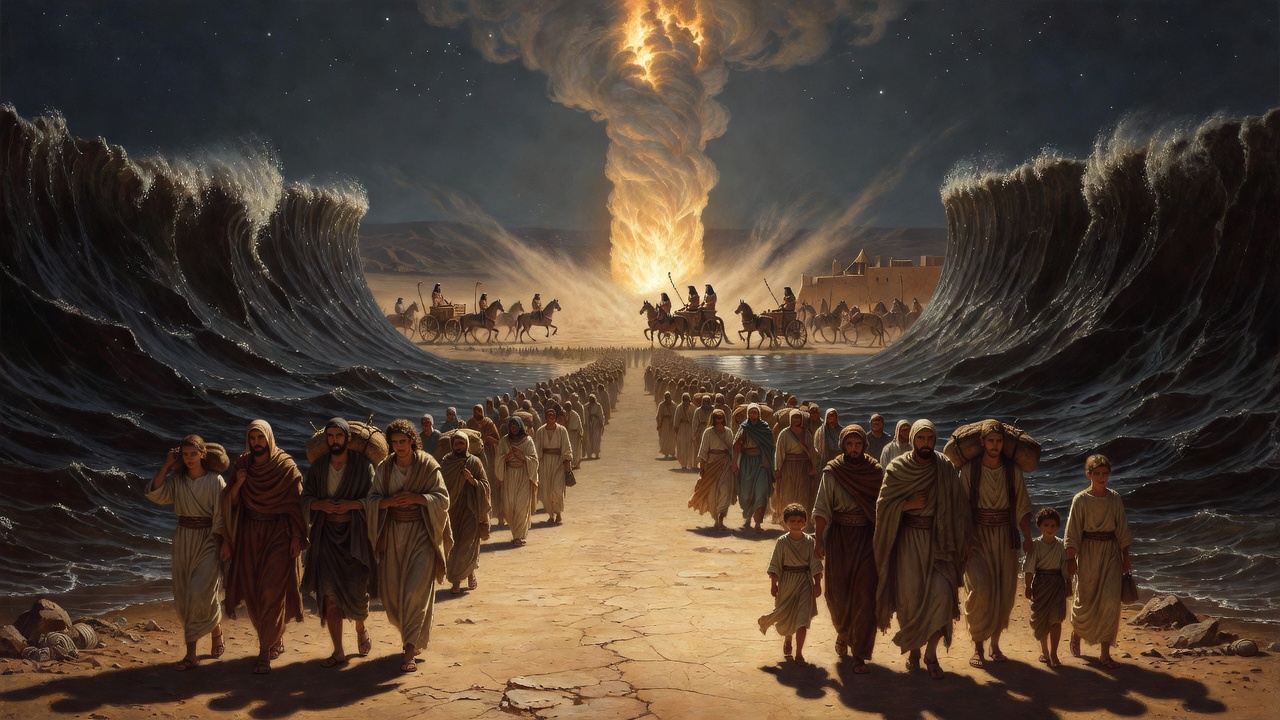
21Mose nimana ya lolon lawen gabogabo hewana na Yaubada kaluwabu adiꞌadidilina ya fatowa be gabogabo ya tamo daili. Maihona ya towa ee–, tanohi ya pitali. 22Yo fede, Isalaela sa sola gabogabo yai be tanohi pitapitalina sa lau watan. Hoꞌowa ya peiꞌi, tefa luwaluwaga yai doha bilibili. |alt="Gabogabo Balebalelemna sa gayo dohe" src="cd-085.tif" size="span" ref="14:22"
23Idipi sa lau weꞌa watanidi be sa tafo gayogayo gabogabo yai ma hosihosidi, edi saliyoti, yo tau awaidi.
24Begana haba ya ifi tatatali, Yaubada oyagi balebalelemna piꞌana yai yo yada yai ya itaꞌita lidima be ya fanuwa ponoponodi.
25Saliyoti ya falau sopudi be adi paisowa ya laꞌi.
Idipi tiyen,
Guyau Isalaela edi ya lau! Ta lau afuledi!
26Yaubada ya libalau Mose lebena iyen,
Nimam u lolon lawen gabogabo ai hewana be haba ya didi fuyoma be Idipi ma salisaliyotidi yo hosi tau awaidi ai hewadi.
27Yo fede, Mose nimana ya lolon lawen gabogabo hewana yai. Ya lahai mate, gabogabo ya didi fuyoma. Idipi bena sa gela, in moho, Guyau ya pei lidiyedi gabogabo yai. 28Gabogabo ya didi fuyoma be Falo ena tau hiyala mahudoꞌidi sa lau weʼa wata be edi saliyoti, hosi yo tau awaidi mahudoꞌidi sa kapulolo, hige sai laʼi i mwahuli.
29Isalaela ibodi moho sa sola gabogabo ganahewana yai, na gabogabo mate, tefa luwaluwaga yai ya peiꞌi. 30Lahaina yai mate, Yaubada Isalaela ya saguhidi Idipi nimadi yai. Idipi sa faipeꞌipeꞌinidi, gelegele yai sa itadi.
31Na fuyana Isalaela, gigibwali laꞌilaꞌi sa ita, Guyau ya famahata Idipi lisidi yai, mate dodoga Guyau sa ꞌwasabuwen, be edi sunuma sa tole lisina yai, yo ena tau paisowa, Mose lisina yai.
Did you know?
Israel trapped between Pharaoh and the sea
- Israel was told to turn back and camp before Pi-hahiroth, between Migdol and the sea, directly opposite Baal-zephon, so that Pharaoh would think the wilderness had boxed them in. Pi-hahiroth means place where the reeds grow, though the Septuagint and the Coptic read farmstead, and Baal-zephon means Baal of the north.Sources: the Bible text itself · Pi-hahiroth · Baal-zephon
- Easton's Bible Dictionary (1897) describes Baal-zephon as an Egyptian town on the shores of the Gulf of Suez, probably modern Jebel Deraj or Kulalah on the western shore, and notes that Egyptian Baal-zapuna was a place of worship. Some have identified Pi-hahiroth with Ajrud, a fortress between Etham and Suez. The entry on Pi-hahiroth adds that the condition of the Isthmus of Suez at the time of the Exodus is not exactly known, so Pi-hahiroth and Israel's other camps in Egypt cannot be definitely located; the isthmus has been formed by deposits of the Nile.Sources: Baal-zephon · Pi-hahiroth
- Easton's Bible Dictionary (1897) says the Pharaoh of the Exodus was probably Menephtah I, the fourteenth and eldest surviving son of Rameses II, and that he resided at Zoan, where his interviews with Moses and Aaron recorded in Exodus took place. The same entry still treats it as an open question whether Seti II or his father Menephtah was that king, and notes that some judge the evidence to favor Seti II.Sources: Pharaoh (of the Exodus)
Notes written with AI assistance from open sources (Theographic Bible Metadata, CC BY-SA 4.0; Easton’s Bible Dictionary, public domain) and reviewed before publishing.
Places in this chapter
Only places identified with high confidence are shown (90% or more according to the scholarly sources compiled by OpenBible). Period map: DARE (Digital Atlas of the Roman Empire), CC BY 4.0; modern map: © OpenStreetMap contributors; places: OpenBible.info (CC BY 4.0).
Credits and license for this translation
Buka Tabuna Tefadi
Mark, Acts, and selected excerpts of the Old Testament in the Buhutu language of Papua New Guinea
Buk Baibel long tokples Buhutu long Niugini
copyright © 2015 Wycliffe Bible Translators, Inc.
Language: Buhutu
Translation by: Wycliffe Bible Translators
This translation is made available to you under the terms of the
Creative Commons Attribution-Noncommercial-No Derivatives license 4.0.
You may share and redistribute this Bible translation or extracts from it in any format, provided that:
You include the above copyright and source information.
You do not sell this work for a profit.
You do not change any of the words or punctuation of the Scriptures.
Pictures included with Scriptures and other documents on this site are licensed just for use with those Scriptures and documents.
For other uses, please contact the respective copyright owners.
2015-10-06
Source: http://png.bible/bxh/ · eBible.org