Deuteronomy 4
Buka Tabuna Tefadi · Tap a verse to see its cross-references.

About this book
About Deuteronomy
- Easton's Bible Dictionary (1897) explains that the Greek name Deuteronomion, the second law, gave us Deuteronomy: a second statement of laws already promulgated. It says the division of the Pentateuch into five books was probably first made by the Greek translators, whom the Vulgate follows. Jews name the book from its opening Hebrew words, 'Elle haddabharim, These are the words.Sources: Easton: Deuteronomy
- Easton's Bible Dictionary (1897) presents Deuteronomy as chiefly three discourses delivered by Moses a short time before his death, spoken to all Israel in the eleventh month of the last year of their wanderings in the wilderness. It says the story of his death and burial was written by some other hand, probably that of Joshua, who succeeded him as leader of Israel.Sources: Easton: Deuteronomy · Joshua
- The discourses of Deuteronomy are set in the plains of Moab, east of the Jordan and opposite Jericho, Israel's last encampment before entering Canaan, a region then held by the Amorites. East of the Jordan the Israelites had defeated Sihon, king of the Amorites, whose country ran from the Arnon to the Jabbok, and Og, king of Bashan, whose kingdom was given to Reuben, Gad, and half the tribe of Manasseh.Sources: Easton: Deuteronomy · Moab · Sihon · Og
- Easton's Bible Dictionary (1897) describes three discourses: the first (1-4:40) recapitulates forty years in the wilderness, exhorts obedience to the divine ordinances, and warns against forsaking the God of their fathers; the second (5-26:19), the body of the book, restates the law given at Mount Sinai and instructs Israel for life in Canaan; the third (chapters 27-30) sets out blessings for the obedient and the curse on the rebellious, urging faithfulness to the covenant.Sources: Easton: Deuteronomy
- Easton's Bible Dictionary (1897) adds three appendices after the addresses: a song which God had commanded Moses to write (32:1-47), blessings pronounced on the separate tribes (chapter 33), and the story of his death (32:48-52) and burial (chapter 34). In Hebrew manuscripts the Pentateuch forms one scroll; Jews divided this book into eleven parshioth, and the English Bible contains thirty-four chapters.Sources: Easton: Deuteronomy
Notes written with AI assistance from open sources (Theographic Bible Metadata, CC BY-SA 4.0; Easton’s Bible Dictionary, public domain) and reviewed before publishing.
Mose, Isalaela ya Falibadi bena sa Awaꞌabi
1Habahim Mose Isalaela dodogadi ya falibadi, iyen,
Au ataꞌatahi komakoman! Laugagayo mahudoꞌidi E fatalahamiu, bena ami lau watanidi haba ami miya lofalofa yo ami lau somo yai tanohi Guyau afa wahamiu edi Yaubada ya feledi, aiꞌedi, ami abi, enehemiu. 2Laugagayo, yau haꞌa E felemiu, tabu hagahagana au tole lawen, o laꞌi au kam fahi. Guyau ena Laugagayo E felemiu moho, au lau watanidi.
6Laugagayo te au lau watan komakomanidi, be haba nuꞌu hahaisa dodogadi, emi nuwatuhu loholohona yo emi sibasiba sa ita lobahidi. Yena laugagayodi sa atahiyedi, haba tiyen, “Moꞌisa, Isalaela mate nuꞌu laꞌilaꞌi yo dodogadi sa sibasiba yo edi nuwatuhu sa loholoho.” 7Hige nuꞌu hesa laꞌilaꞌi ena yaubada sadaidi doha ita. In moho, Guyau eda Yaubada mate sadaida yai, na yena te anꞌetai haba ya saguhida. 8Laugagayodi, aho te, E felemiu mate, sa dudulai yo sa loholoho. Hige nuꞌu hesa laꞌina doha somo, ena laugagayo doha ite.
Guyau mate Yaubada
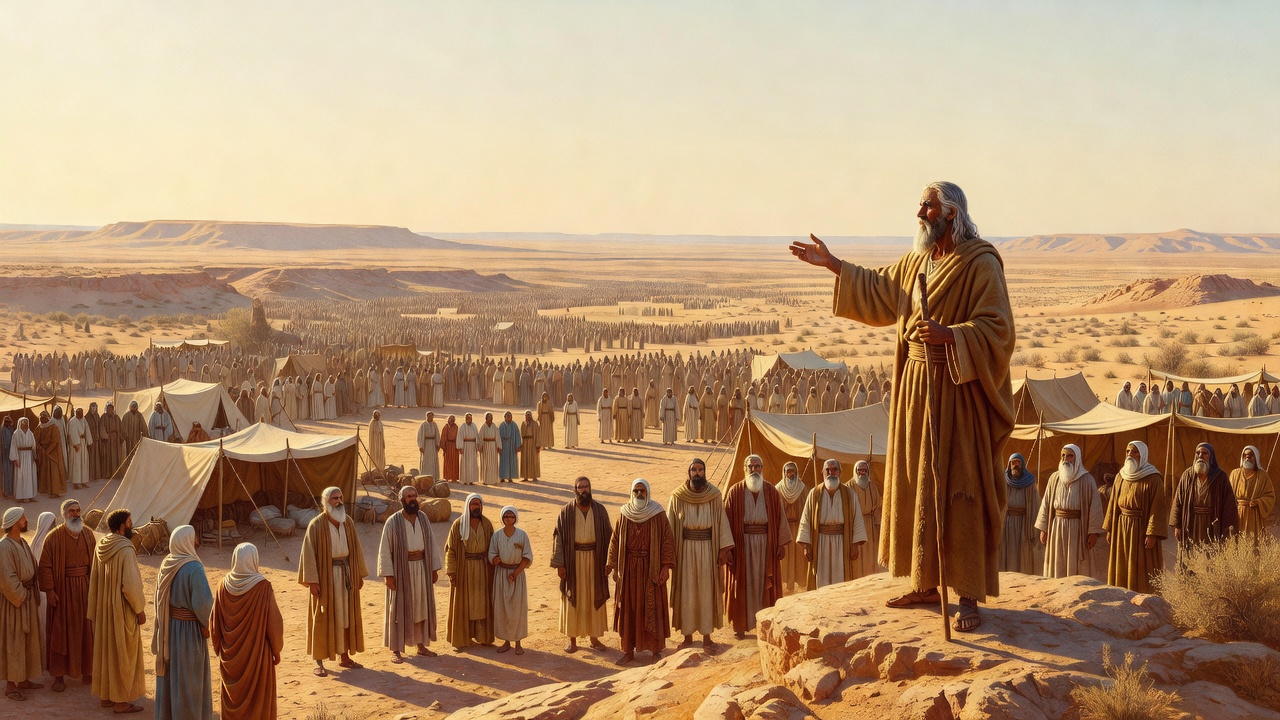
Mose ya liba hinaga iyen,
32Guyau emi Yaubada hige doha yaubada hahaisa. Idipi yai ena adidili yai ya foyahimiu, be ya lau itamiu. Noꞌo ginaulidi yo fafaꞌilala ya lau ginauli matamiu yai.
Debamiu yai, Idipi ya hiyalaidi be kamkamna laꞌilaꞌi sa fahoina. Ya abimiu, be ami famala ena dodoga, be fuyana Sainai Tuꞌana yai oyagi ya ala balebalelem ganahewana yai ya falibamiu. Haꞌa ami atahi, na hige au peꞌi!
Ginauli doha ite, beyabeyana ya tubu, e higeꞌe? Higeꞌe! Fuyana Guyau ena fuya bwaꞌibwaꞌina dodoga ya ginaulidi tanoꞌubu yai, haga au nuwatuhui. Tanoꞌubu mahudoꞌina au yoꞌoi! Hige yaubada hesa, ginaulidi doha ite i ginaulidi.
39Aho te, bena wa nuwatuhui mate, Guyau in Yaubada galewa hewa wananahana yai yo tanoꞌubu yai. Hige Yaubada hesa. 40Ena laugagayo E felemiu, aho te, bena ami lau watanidi, be haba umi yo laulauwewemiu ami miya loholoho yo emi miya ya lofa, nuꞌu, Guyau emi Yaubada ya felemiu ai lisina ee–, hige anadan.
Did you know?
A Call to Obedience and the Cities of Refuge
- Moses reminded Israel that at Mount Horeb they heard God's voice from the fire but saw no visible form. This absence of a physical appearance served as the primary foundation for the strict prohibition against making any carved image or idol of God.Sources: the Bible text itself · Horeb
- The text cites the incident at Baal-peor, where Israelites who followed the Moabite deity were destroyed. Moses pointed out that those who remained faithful survived, using this recent event as a clear warning against idolatry.Sources: the Bible text itself · Baal · Baal-peor
- After defeating the Amorite kings Sihon and Og, Moses designated three cities of refuge east of the Jordan: Bezer, Ramoth, and Golan. These locations provided asylum for individuals who caused an unintentional, non-malicious death.Sources: the Bible text itself · Sihon · Og · Golan
Notes written with AI assistance from open sources (Theographic Bible Metadata, CC BY-SA 4.0; Easton’s Bible Dictionary, public domain) and reviewed before publishing.
Places in this chapter
- Peor · Today: within 1 km of Khirbet Ayun Musa · 31.777, 35.738 · verse 3
- Mount Horeb · Today: Jebel Musa · 28.540, 33.973 · verses 10, 15
- Jordan · Today: Jordan River · 31.761, 35.558 · verses 14, 21, 22, 26, 41, 46, 47, 49
- Egypt · 30.129, 31.308 · verses 20, 34, 37, 45, 46
- Bashan · 32.781, 35.935 · verses 43, 47
- Gilead · Today: Gilead 1 · 32.187, 35.692 · verse 43
- Ramoth · Today: Tall er Rumeith · 32.500, 36.015 · verse 43
- Mount Hermon · 33.400, 35.850 · verse 48
- Valley of the Arnon · Today: Wadi Mujib · 31.466, 35.573 · verse 48
- Arabah · 30.417, 35.151 · verse 49
- Salt Sea · Today: Dead Sea · 31.500, 35.500 · verse 49
Only places identified with high confidence are shown (90% or more according to the scholarly sources compiled by OpenBible). Period map: DARE (Digital Atlas of the Roman Empire), CC BY 4.0; modern map: © OpenStreetMap contributors; places: OpenBible.info (CC BY 4.0).
Credits and license for this translation
Buka Tabuna Tefadi
Mark, Acts, and selected excerpts of the Old Testament in the Buhutu language of Papua New Guinea
Buk Baibel long tokples Buhutu long Niugini
copyright © 2015 Wycliffe Bible Translators, Inc.
Language: Buhutu
Translation by: Wycliffe Bible Translators
This translation is made available to you under the terms of the
Creative Commons Attribution-Noncommercial-No Derivatives license 4.0.
You may share and redistribute this Bible translation or extracts from it in any format, provided that:
You include the above copyright and source information.
You do not sell this work for a profit.
You do not change any of the words or punctuation of the Scriptures.
Pictures included with Scriptures and other documents on this site are licensed just for use with those Scriptures and documents.
For other uses, please contact the respective copyright owners.
2015-10-06
Source: http://png.bible/bxh/ · eBible.org