2 Kings 2
Buka Tabuna Tefadi · Tap a verse to see its cross-references.

About this book
About 2 Kings
- Easton's Bible Dictionary (1897) states that the authorship of the books of Kings is uncertain. Nearly identical passages shared with Jeremiah, together with events Jeremiah knew personally, give some support to the tradition that he wrote them, yet Easton regards it as more probable that Ezra compiled the books after the Captivity from earlier documents. Easton dates their composition between 561 B.C., when Evil-merodach released Jehoiachin, and 538 B.C., the year of Cyrus's decree of deliverance.Sources: Easton: Kings, The Books of
- The two books of Kings originally formed a single book in the Hebrew Scriptures. The Septuagint first divided them into two, and together with the Vulgate numbers them as the third and fourth books of Kings, counting the books of Samuel as the first and second.Sources: Easton: Kings, The Books of
- These books contain the annals of the Jewish commonwealth from the accession of Solomon until the subjugation of the kingdom by Nebuchadnezzar and the Babylonians, a period Easton describes as apparently about four hundred and fifty-three years. While Chronicles gives greater prominence to the priestly or Levitical office, Kings gives greater prominence to the kingly office, and the narrative refers to sources such as the book of the acts of Solomon and the chronicles of the kings of Judah and of Israel.Sources: Easton: Kings, The Books of
- In the threefold division of the Scriptures by the Jews, the books of Kings are ranked among the Prophets. Easton notes that they are frequently quoted or alluded to by Jesus and the apostles.Sources: Easton: Kings, The Books of
Notes written with AI assistance from open sources (Theographic Bible Metadata, CC BY-SA 4.0; Easton’s Bible Dictionary, public domain) and reviewed before publishing.
Guyau, Ilaidiya ya Abi Hasaꞌen Galewa
1Fuyanna Guyau bena haba Ilaidiya ya abi hasaꞌen galewa bwai filifili yai, mate Ilaidiya maꞌena Ilaisa Giligala nuꞌuna sa lau afulen, na sa laoma edaꞌeda yai. 2Ilaidiya ya libalau Ilaisa lisina iyen,
Aiteꞌi u miya. Guyau ya duigu bena E lau Beteli.
Na Ilaisa iyen,
Wananaha, Guyau ya mwahumwahuli, yo hesana yai, wa mwahuli hinaga, be ibege ya lau afulem.
Yo fede maꞌena sa lau Beteli.
3Peloweta baiwadi Beteli yai sa miyamiya sa laoma Ilaidiya lisina be sa fatiꞌoi, tiyen,
Wa sibai, aho te Guyau haba em baꞌisa Ilaidiya ya abi hudoꞌiyen ai lisim?
Na Ilaisa iyen,
Ii–, E sibai. In moho tabu au libalibaen.
4Habahim Ilaidiya ya libalau Ilaisa lisina iyen,
Ilaisa aiteꞌi u miyamiya. Guyau ya duigu bena E lau Diyeliko.
Na Ilaisa iyen,
Wananaha, Guyau ya mwahumwahuli, yo In hesana yai, um wa mwahumwahuli hinaga, be ibege ya lau afulemiu.
Yo fede maꞌena sa lau Diyeliko.
5Peloweta pelena Diyeliko yai sa miyamiya mate sa laoma sa fatiꞌoi tiyen,
Wa sibai, Aho te, ai lisim, Guyau haba em Baꞌisa, ya lawe hudoꞌiyen?
Na Ilaisa iyen,
Moꞌisa, E siba, in moho tabu au libalibaen.
6Habahim Ilaidiya ya faliba iyen,
U miyamiya aiteꞌi. Guyau ya duigu bena E lau Diyodan.
Na Ilaisa iyen,
Wananaha Guyau ya mwahumwahuli, yo hesana yai, um wa mwahumwahuli hinaga, be ibege ya lau afulem.
Yo fede tataudi luwaga sa lau.
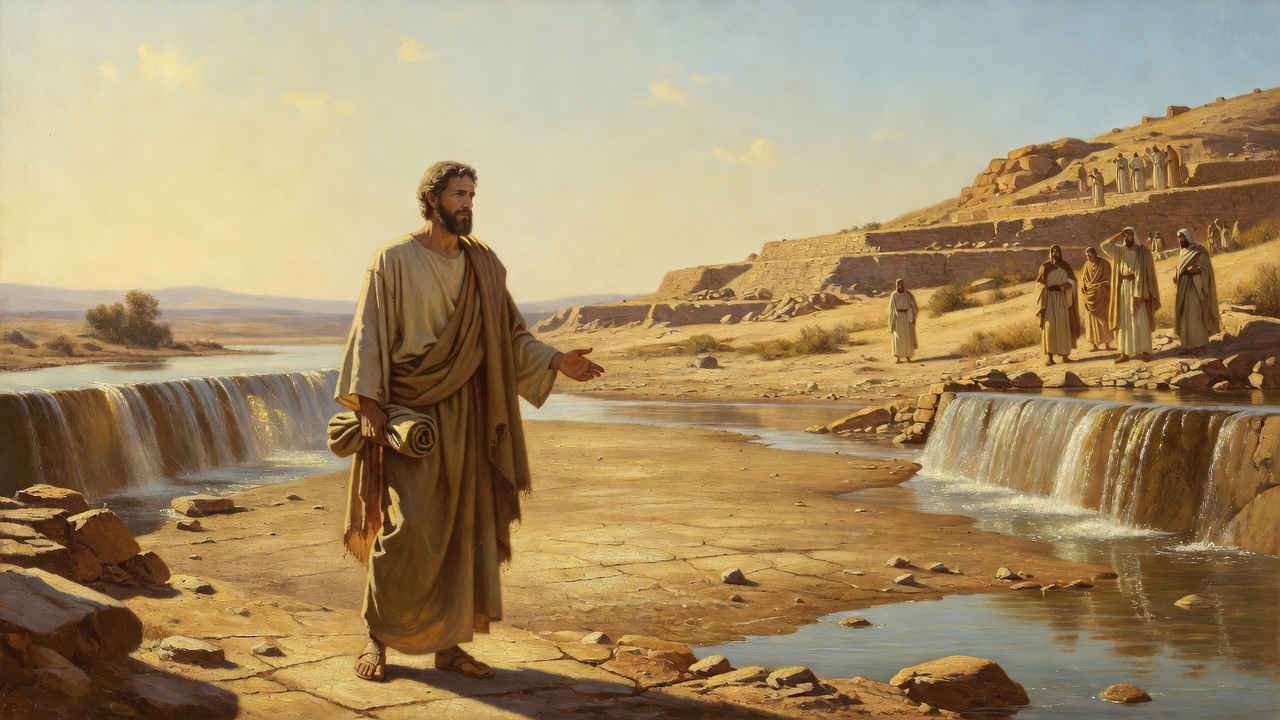
7Peloweta pelena, ouꞌoulidi 50 sa lau be sa obiꞌobiyo, begana aꞌawadi ya lofa, na sa sana lau Ilaidiya yo Ilaisa lebedi, sa obiꞌobiyo Diyodan Hoꞌowana sadaina yai. 8Ilaidiya ana luhuluhu ya kamfahi be ya noꞌu, habahim hoꞌowa yai ya oiyen yo fede hoꞌowa ya tamo daili be tanohi pitapitalina yai tataudi luwaga sa dohe tefa.
9Fuyana sa mahano tefa yai, Ilaidiya ya libalau Ilaisa lisina iyen,
Somo wa fanuha, u falibagu, haba E ginauli, enehem, na habahim Guyau ya lawe hudoꞌiyegu.
Yo fede Ilaisa ena bui ya felen iyen,
Em adidili yo gigibwali, Yaubada ya felem, tefana u felegu yo ai hewana Yaubada ena namanamali, yo ginauli mahudoꞌina lisim yai u felegu. Doha taumoho natuna tau baguna, gogo mahudoꞌina ya felen aiʼena. Be haba E falau damahim peloweta edi baꞌisa.
10Ilaidiya iyen,
Ginauli poꞌipoꞌina wa anꞌetai. Yena Guyau wa ita, ya abifahigu lebem yai, somo wa anꞌetai, haba ya felem. Na yena hige u ita, somo wa anꞌetai ibege i felem. (1 Kin 19:16; 19:21)
11Edaꞌeda yai sa laulau libaliba, ma esega na, hosi ma oyagi alaꞌalana yo saliyoti ma oyagi alaꞌalana sa taumahata Ilaidiya maꞌena Ilaisa atiꞌatipudi yai be sa dailidi. Na Guyau bwai filifili yai Ilaidiya ya hasaꞌen galewa. |alt="Ilaidiya ya hasae galewa" src="12_2Ki_02_08_RG.jpg" size="span" loc="2 Kings 2:11" ref="2:11" 12Ilaisa laulau te ya ita mate ya tan ꞌwalaꞌwalawui, iyen,
Tamagu! Tamagu! Isalaela edi saliyoti yo hosi tau awaidi E itadi!
Na matana yai ya tauyamuhi be hige i ita fuyoi. Yo fede ana luhuluhu ya kamgigi luwagai. (2 Kin 6:17; 13:14)
13Fuyana Guyau Ilaidiya ya hasaꞌen galewa, In ana luhuluhu ya beꞌu lidi tanohi yai. Na Ilaisa luhuluhuna ya abi hitin, na ya fuyo Diyodan Hoꞌowana sadaina yai ya obiyo. 14Na luhuluhu ya oiyen hoꞌowa yai, na ya liba iyen,
Guyau, Ilaidiya ena Yaubada somo yai?
Yo fede, fuyanna luhuluhu hoꞌowa yai, ya faʼoiyen, hoꞌowa ya tamo daili luwagai be ya dohe tefa.
15Peloweta pelena ouꞌoulina 50 Diyeliko yai, hola otadi tefa yai sa maimainenei tiyen,
Gigibwali, Ilaidiya lisina yai mate Ilaisa haꞌa ya abi.
Yo fede sa lau sa failobahi, nuwanuwana yai sa tuli bono na sa dulu tanohi yai, (Namba 11:17; 1 Samuwela 10:5)
16Na tiyen,
Ouꞌoulimai 50 na E adidili. U laliyemai be, ai lau em baꞌisa ai yoꞌoi. Nuwana Guyau Yaluwana Ilaidiya ya abi hitiʼi, be ya lawen tuꞌa e gunuwala haisa amaniya i faꞌota lidiyen. (Acts 8:39)
Ilaisa edi bui ya feledi iyen,
Higeꞌe, tabu au lau.
17Na sa eli dududuꞌi ee–, ya taumayamaya, be hige gonowana i gududi. Yo fede iyen, (Tau Eda Bwaꞌiyedi 3:25)
Au lau.
Be tatau 50 sa duidi sa lau sa yoꞌoi ee–, lahai faihona sa ofi, na hige ti lobahi.
18Ilaisa mate Diyeliko yai ya miyamiya na fuyanna sa fuyoma ya falibadi iyen,
Doha haꞌa E falibamiu yawa, “Tabu au lau.”
Did you know?
The Departure of Elijah and the Succession of Elisha
- Elijah's rough mantle had first marked Elisha's calling when Elijah threw it over his shoulders in the field. When Elijah was taken into heaven in a whirlwind, Elisha picked up the fallen cloak and struck the Jordan River with it, demonstrating to the watching prophets that he had received Elijah's spirit and succeeded him as prophet.Sources: Elisha · the Bible text itself
- The spring near Jericho, historically identified with Ain es-Sultan or Elisha's Fountain, had unwholesome water that left the surrounding land barren. Elisha purified the water by casting salt from a new bowl directly into the spring.Sources: Jericho · the Bible text itself
- Before crossing the Jordan, Elijah and Elisha visited communities of the sons of the prophets located at Bethel and Jericho. Fifty men from these prophetic groups watched the miraculous crossing from afar and later spent three days searching the surrounding hills and valleys for Elijah.Sources: Bethel (of Palestine) · Jericho · the Bible text itself
Notes written with AI assistance from open sources (Theographic Bible Metadata, CC BY-SA 4.0; Easton’s Bible Dictionary, public domain) and reviewed before publishing.
Places in this chapter
- Jericho · Today: Tell es Sultan · 31.872, 35.445 · verses 4, 5, 15, 18, 19, 23
- Jordan · Today: Jordan River · 31.761, 35.558 · verses 6, 7, 13
- Mount Carmel · 32.672, 35.023 · verse 25
- Samaria · 32.276, 35.195 · verse 25
Only places identified with high confidence are shown (90% or more according to the scholarly sources compiled by OpenBible). Period map: DARE (Digital Atlas of the Roman Empire), CC BY 4.0; modern map: © OpenStreetMap contributors; places: OpenBible.info (CC BY 4.0).
Credits and license for this translation
Buka Tabuna Tefadi
Mark, Acts, and selected excerpts of the Old Testament in the Buhutu language of Papua New Guinea
Buk Baibel long tokples Buhutu long Niugini
copyright © 2015 Wycliffe Bible Translators, Inc.
Language: Buhutu
Translation by: Wycliffe Bible Translators
This translation is made available to you under the terms of the
Creative Commons Attribution-Noncommercial-No Derivatives license 4.0.
You may share and redistribute this Bible translation or extracts from it in any format, provided that:
You include the above copyright and source information.
You do not sell this work for a profit.
You do not change any of the words or punctuation of the Scriptures.
Pictures included with Scriptures and other documents on this site are licensed just for use with those Scriptures and documents.
For other uses, please contact the respective copyright owners.
2015-10-06
Source: http://png.bible/bxh/ · eBible.org