Colossians 3
Handr Taara · Tap a verse to see its cross-references.
Krstosn handr beyo
1Krstosnton k'irotse it tuwiyakon eshe Krstos Ik'o k'ani aaromantse b́beeyirwoke dambe fa'a keewwotsi geyore. 2Uni aawo dambe fa'a keewwotsi gawwore bako datsatse fa'a keewwots jangosh shiyank'ayere. 3It k'iron k'alewok'ó k'alewon datsanatse k'alewtserte, it beyonwere Krstosnton Ik'ots aashwtsere. 4It kash wottso Krstos b́be'ewor itwere bínton mangon be'etute.
Natona bandr beyon
5Eshe mansh it gitsotse datsatsi beyi tewun jamo ud'uwere, boowere «Widona, kiimo, gusiyo, gond tewuno, Woteraw ik'uwotsi ik'iyok'o wotts tewno» manootsiye. 6Keewanotsatse tuutson aleraw ashuwotsats Ik'i fayo weetuwe. 7It woor haniyere shin it beyor keewanotsi finefetsatniye it teshi.
8Andmó fayo, nibk'úno, nemigondo, ash shúts t'afiyo, itatse wokiwere, jitsit keewonwere it nonotse keshk'aye. 9Natts doyo b́fiinonton kishde'k'at juu it k'rtsotse itatsatseyo kooto keewek'ayere. 10Aztso aro aron dano daatsosh andrefere ameetwo handr doyo tahdek'rtee. 11Hank'on Girik ashonat Ayhudi ashon, gof amtsonat gof amawon, ash dats ashwotowa, salat'ank wotowa salat'anera ash wotowa, guutsonat guutswoteraw ash dagotse k'osh k'oshewo aaliye, Krstos jamoniye, jamotsnowere bíne.
12Eshe Ik'o galb́dek'tsanotsnat S'ayin shunetswots it wottsosh maac'k'ewo, doo, b́took dashan detso, t'at'deshawo, k'amo tahde'ere. 13It atsa atsewo k'amewere, ititsere iko ikats b́ iirits keewo fa'e wotiyal orowa erere, Krstos itsh orowa b́ ettsok'o itwere orowa erere. 14Jamánatsere bogshde'er jamo ikok koide tifde'er b́ jamon ik wot daatsit shuno tahde'ere. 15Ik atsikaywotsi wotat arikon s'eegetswots jeen wotts Krstosko jeeno itnibats naashowe, bín údirwotsnowere wotoore. 16Krstos aap'tso ititse s'eenon it nibots beewe, dani teleef jamonowere it atsatsewo daniwere, shiyewere, duubonat údi dubonowere, Shayiri jááwi dubonowere it nibotse Ik'o údfetsr duuwere. 17Iyesus weeron Ik'o niho údfetsr it keewirwonowere it k'aliru jamo doonzo shútson k'aluwere, bínowere Ik'o niho údoore.
18Máátsuwotso! doonzo shinatse sheeng b́wottsotse it kenihsh alewere.
19Kenihuwotso! it máátswotsi shunere, boosh maac' kup'wotsi wotk'ayere.
20Nana'uwotso! han doonzo geneúshitk b́wottsotse jamkeewon it ind nihosh alewere.
21Nihwotso! bo maac'o bok'ut'rawok'o it nana'o fayon nibo k'únik'ayere.
22Guuts guutsuwotso! datsatsi it doonzotssh jamkeewon alewere, it aletwere bo iti bobek'iruwonat ash maac'o k'eezon be'ewosh b́woterawon doonzo shatonat nib s'ayinon wotowe. 23It k'aliru jamo ashosh b́woterawon doonzo Iyesussh it k'aliruwok'o it nibon k'aluwere. 24Hanshowere doonzo dari ristiyo k'awnts woshde'er itsh b́imetwok'o danfte, bísh itfinirwonwere doonzo Krstosiye, 25Ik'oke bogabogsho bíaaltsotse gond finitwonwere b́gondfinosh fayo dek'etwe.
Did you know?
New life in one body and at home
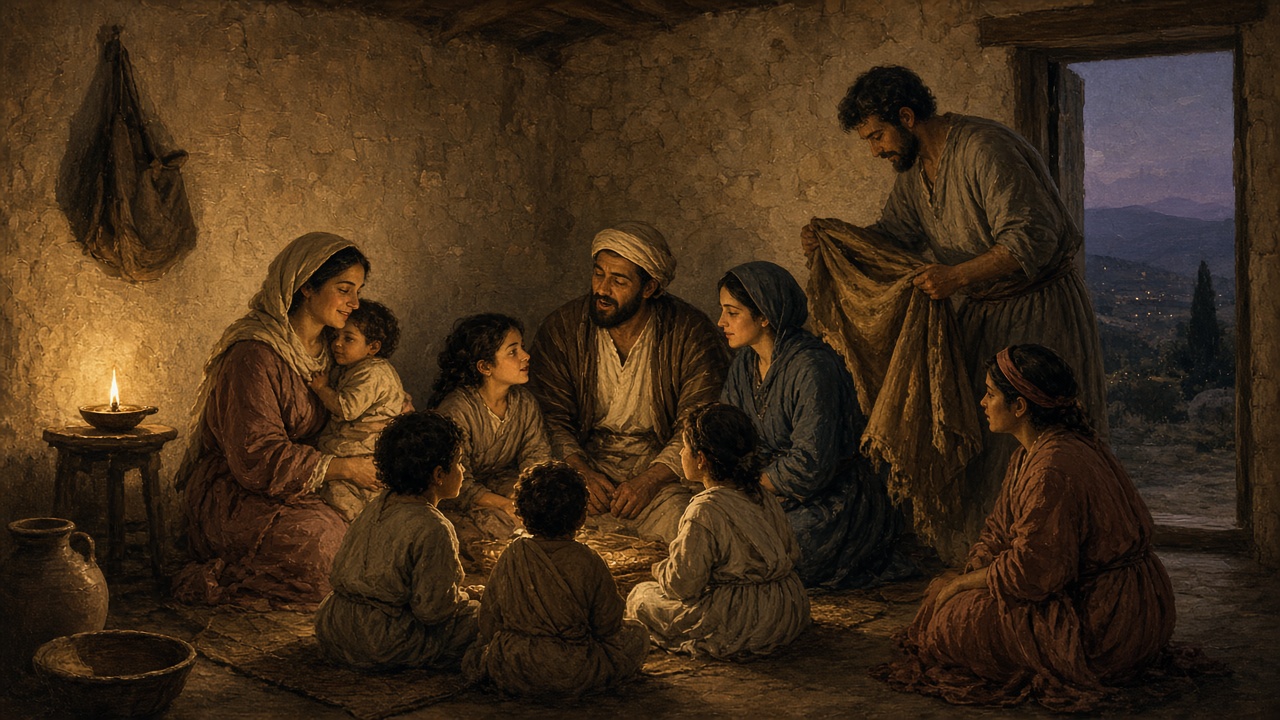
- This chapter pictures a changed life as a change of clothing. Readers are said to have taken off the old self with its practices and put on the new self, which is being renewed in knowledge in the image of its Creator. They are then told to clothe themselves with hearts of compassion, kindness, humility, gentleness, and patience, and to put on love over all these virtues as the bond of perfect unity.Sources: the Bible text itself
- The chapter lists Greek and Jew, circumcised and uncircumcised, barbarian, Scythian, slave and free, and declares that here none of these distinctions remains, because Christ is all and is in all.Sources: the Bible text itself
- The chapter then gives instructions for household relationships: wives and husbands, children and parents, and slaves and their earthly masters. Fathers are warned not to provoke their children, so that the children will not become discouraged. Slaves are told to obey with sincerity of heart, not only while they are being watched, and to work with their whole being for the Lord rather than for men, with the promise of an inheritance from the Lord as a reward; whoever does wrong will be repaid, and there is no favoritism.Sources: the Bible text itself
Notes written with AI assistance from open sources (Theographic Bible Metadata, CC BY-SA 4.0; Easton’s Bible Dictionary, public domain) and reviewed before publishing.
Credits and license for this translation
Handr Taara
The New Testament in the Borna Language of Ethiopia (Handr Taara)
copyright © 2018 The Word for the World International
Language: Borni (Borna)
Contributor: The Word for the World Southern Africa
Handr Taara
The New Testament in Borna in Latin version
The Word for the World
This translation is made available to you under the terms of the
Creative Commons Attribution license 4.0.
You may share and redistribute this Bible translation or extracts from it in any format, provided that:
You include the above copyright and source information.
If you make any changes to the text, you must indicate that you did so in a way that makes it clear that the original licensor is not necessarily endorsing your changes.
Pictures included with Scriptures and other documents on this site are licensed just for use with those Scriptures and documents.
For other uses, please contact the respective copyright owners.
Note that in addition to the rules above, revising and adapting God's Word involves a great responsibility to be true to God's Word. See Revelation 22:18-19.
2023-04-08
Source: http://ebible.org/bwo/ · eBible.org