Micah 6
Nyanyapa Arrku Gun-nika Gun-molamola Janguny: Minypa Jesus Christ Guna-ganyja Arrburrwa Gun-geka Rum · Tap a verse to see its cross-references.
About this book
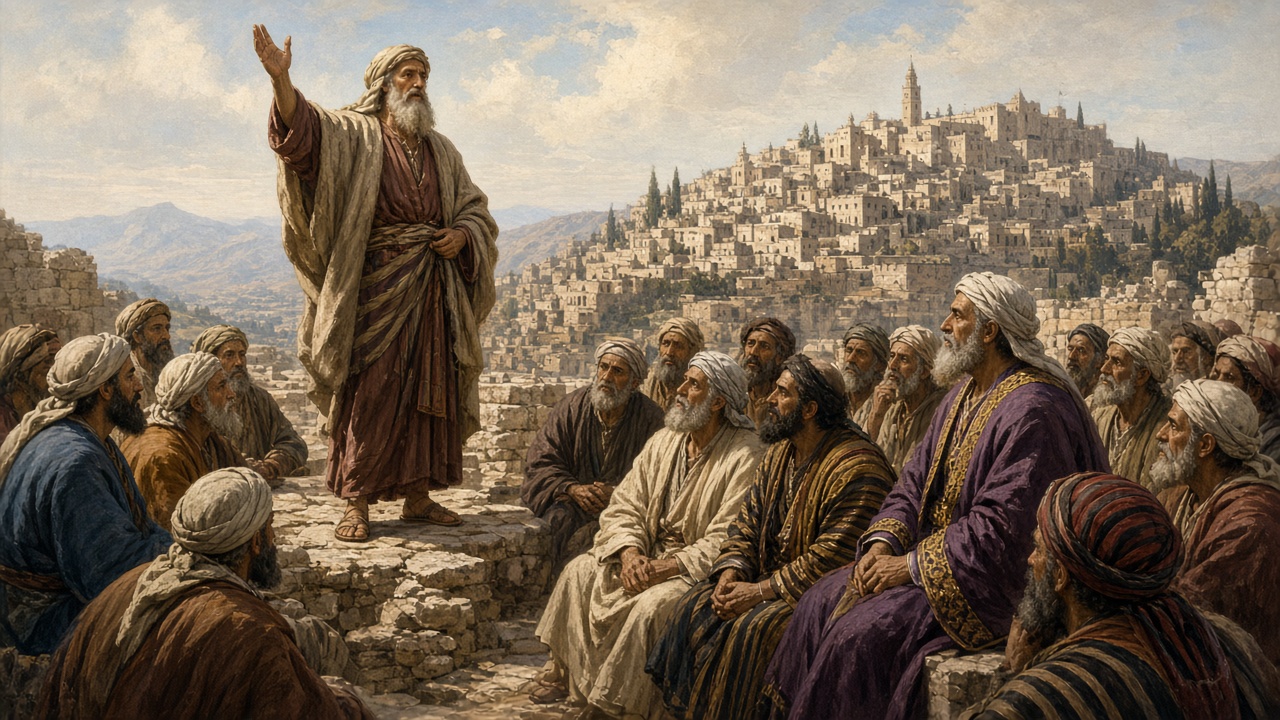
About Micah
- According to the superscription, as Easton's Bible Dictionary (1897) records it, Micah exercised his office in the reigns of Jotham, Ahaz, and Hezekiah. Easton offers two ways of reckoning that ministry: from the beginning of Jotham's reign to the end of Hezekiah's (B.C. 759-698), about fifty-nine years, or from Jotham's death to Hezekiah's accession (B.C. 743-726), only sixteen years.Sources: Easton: Micah, Book of
- Easton's entry on Micah calls him the Morasthite, to distinguish him from Micaiah the son of Imlah. It describes him as a prophet of Judah, a contemporary of Isaiah, and a native of Moresheth of Gath, and notes that very little is known of the circumstances of his life.Sources: Micah
- The kings named in the superscription ruled Judah in succession. Easton says that Jotham, son of Uzziah, reigned in the fear of God and prospered; that Ahaz turned to idolatry and appealed to Tiglath-pileser of Assyria against Rezin of Damascus and Pekah of Israel; and that Hezekiah, Ahaz's son, carried out a reformation to abolish idolatry in Judah, including worship of the bronze serpent.Sources: Jotham · Ahaz · Hezekiah
- Easton's Bible Dictionary (1897) places the book sixth among the so-called minor prophets and describes three sections, each opening with a rebuke, "Hear ye," and closing with a promise: chapters 1-2; chapters 3-5, addressed especially to the princes and heads of the people; and chapters 6-7, in which Jehovah is represented as holding a controversy with his people. The whole concludes with a song of triumph over the great deliverance the Lord will achieve for his people.Sources: Easton: Micah, Book of
- Easton notes that the book opens with words also spoken by Micaiah the son of Imlah: "Hearken, O people, every one of you." He records that the prediction in Micah 5:2 about the place where Christ should be born is quoted in Matthew 2:6, and lists further links: Micah 5:2 with John 7:42, Micah 7:6 with Matthew 10:21, 35-36, and the closing verse, Micah 7:20, with the song of Zacharias in Luke 1:72-73.Sources: Easton: Micah, Book of
Notes written with AI assistance from open sources (Theographic Bible Metadata, CC BY-SA 4.0; Easton’s Bible Dictionary, public domain) and reviewed before publishing.
Gun-guna Nipa Wangarr Jal A-nirra Nginyipa Barra Ny-yinda Barra Ny-yorkiya
8Alay, ny-jurnarra ny-jaliyarra ny-yorkiya, nyi-gugaliya,
Wangarr gipa biy-gurdagurdarrana gun-nga gun-molamola.
Ya? Nipa jal a-nirra nginyipa barra ny-yinmiya barra ny-yorkiya?
Wurra nginyipa barra ny-yinda barra ny-yorkiya gun-molamola.
Jal nyi-ni barra ny-yorkiya ny-junggaja barra burrwa.
Delipa nyi-negiya barra ny-yorkiya,
Wangarr ny-jurdajurdamunga ny-jamburda.
Did you know?
The Lord's Lawsuit and True Requirements
- The chapter opens as a legal covenant dispute where God calls the mountains and foundations of the earth to stand as witnesses against Israel. God reminds the people of his faithfulness in delivering them from Egypt under Moses, Aaron, and Miriam, and protecting them from Balak of Moab through Balaam during their journey from Shittim to Gilgal.Sources: the Bible text itself · Miriam · Balak · Balaam
- The text contrasts extreme outward sacrifices—such as offering thousands of rams, torrents of olive oil, or even child sacrifice—with what God genuinely requires. True devotion is defined simply as acting justly, loving mercy, and walking humbly with God.Sources: the Bible text itself
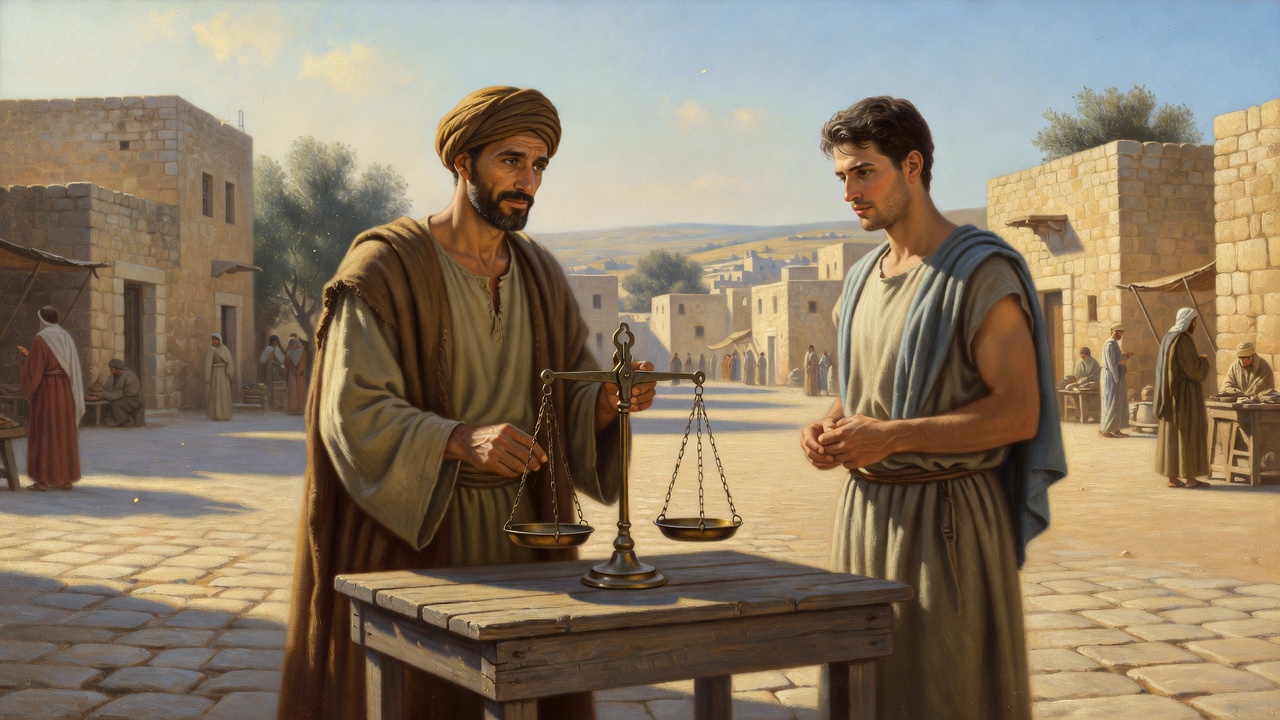
- Micah denounces urban economic injustice, explicitly condemning dishonest merchants who used false weights, deceptive scales, and short ephahs. He warns that following the corrupt statutes and practices associated with northern kings Omri and Ahab will bring devastation and public contempt.Sources: the Bible text itself · Omri · Ahab
Notes written with AI assistance from open sources (Theographic Bible Metadata, CC BY-SA 4.0; Easton’s Bible Dictionary, public domain) and reviewed before publishing.
Places in this chapter
- Egypt · 30.129, 31.308 · verse 4
- Moab · Today: Moab 1 · 31.181, 35.701 · verse 5
- Jerusalem · 31.777, 35.234 · verse 9
Only places identified with high confidence are shown (90% or more according to the scholarly sources compiled by OpenBible). Period map: DARE (Digital Atlas of the Roman Empire), CC BY 4.0; modern map: © OpenStreetMap contributors; places: OpenBible.info (CC BY 4.0).
Credits and license for this translation
Nyanyapa Arrku Gun-nika Gun-molamola Janguny: Minypa Jesus Christ Guna-ganyja Arrburrwa Gun-geka Rum
The New Testament and portions of the Old Testament in the Burarra language of coastal Arnhem Land in Northern Australia
copyright © 2008-2023 Wycliffe Bible Translators
Language: Burarra
NT: 2008; OT portions: 2023
This translation is made available to you under the terms of the
Creative Commons Attribution-Noncommercial-No Derivatives license 4.0.
You may share and redistribute this Bible translation or extracts from it in any format, provided that:
You include the above copyright and source information.
You do not sell this work for a profit.
You do not change any of the words or punctuation of the Scriptures.
Pictures included with Scriptures and other documents on this site are licensed just for use with those Scriptures and documents.
For other uses, please contact the respective copyright owners.
2026-09-09
Source: http://ebible.org/bvr/ · eBible.org