Romans 16
Luda yã takada kↄ̃n Bokobaru yão · Tap a verse to see its cross-references.
Ìkpammana
1Mɛ́ɛ wa dãre Febe, Kɛnkɛrɛa sↄsi dↄnlɛri naaare a ↄzĩ. 2À à sí Dii guu, lán à maa Luda gbɛ̃nↄ kɛ kↄ̃o nà. À dↄàlɛ kↄ̃n pↄ́ kɛ̀ à yezi a kiiao píngi, zaakɛ à dↄ̀ gbɛ̃nↄlɛ pari kↄ̃n mapio se.
3À ì kpá Pirisila kↄ̃n Akilaoa. Ma zĩkɛri daanↄmɛ Kirisi Yesu zĩi guu. 4Aↄ̃ sì wà ń zĩnda da kari guu ma yãnzi. Èe kɛ mámbe madoro, bori pãnde sↄsinↄ gbɛ̃nↄↄ e ń sáabu kpaa píngi dↄ.
5À ì kpá sↄsi gbɛ̃ kɛ̀ aↄ̃ègↄ̃ kↄ̃ kaakↄ̃a aↄ̃ bɛɛ guunↄa.
À ì kpá ma gbɛ̃ yenzide Ɛpɛnɛtua, àmↄ kɛ̀ à Kirisi náanɛ kɛ̀ Asia bùsun káaku.
6À ì kpá Mariamaa, àmↄ kɛ̀ zĩi kɛ̀are maamaa.
7À ì kpá Andarↄnikua kↄ̃n Yuniao. Ma bori daa kɛ̀ wà wa da kpɛ́siaan lɛdoonↄmɛ. Aↄ̃ tↄ́ bↄ̀ Luda zĩ̀rinↄ tɛ́ bensↄ̃ aↄ̃ↄ kú Kirisi guu ma ã.
8À ì kpá Ampliatu kɛ̀ dɛ ma gbɛ̃ yenzidee ũ Dii guua.
9À ì kpá Ubanu kɛ̀ dɛ wa zĩkɛri daa ũ Kirisi zĩi guua kↄ̃n ma gbɛ̃ yenzide Satakio.
10À ì kpá Apɛlɛ kɛ̀ à zɛna gbãa Kirisi guua.
À ì kpá Arisitↄbulu bɛdeenↄa.
11À ì kpá ma Yuda daa Hɛrↄdiↄ̃a.
À ì kpá Nasisu bɛdee kɛ̀ aↄ̃ↄ kú Dii guunↄa.
12À ì kpá Tirifɛnaa kↄ̃n Tirifosao. Nↄgbɛ̃ pìnↄ è zĩi kɛ Diinɛ maamaa.
À ì kpá Pɛsia. Nↄgbɛ̃ yenzidee pì zĩi kɛ̀ Diinɛ maamaa.
13À ì kpá Rufu kɛ̀ bↄ̀ ado Dii zĩi guua kↄ̃n à da kɛ̀ mɛ́ɛ gwaa ma da ũuo.
14À ì kpá Asinkiritua kↄ̃n Flɛgↄ̃o kↄ̃n Ɛmɛsio kↄ̃n Patarobao kↄ̃n Ɛmasio kↄ̃n ń Yesude daa kɛ̀ aↄ̃ↄ kú lɛdoonↄ ń píngi.
15À ì kpá Filↄlↄgua kↄ̃n Yuliao kↄ̃n Nɛrɛuo kↄ̃n à dãreo kↄ̃n Ɔlimpao kↄ̃n Luda gbɛ̃ kɛ̀ aↄ̃ↄ kú lɛdoonↄ ń píngi.
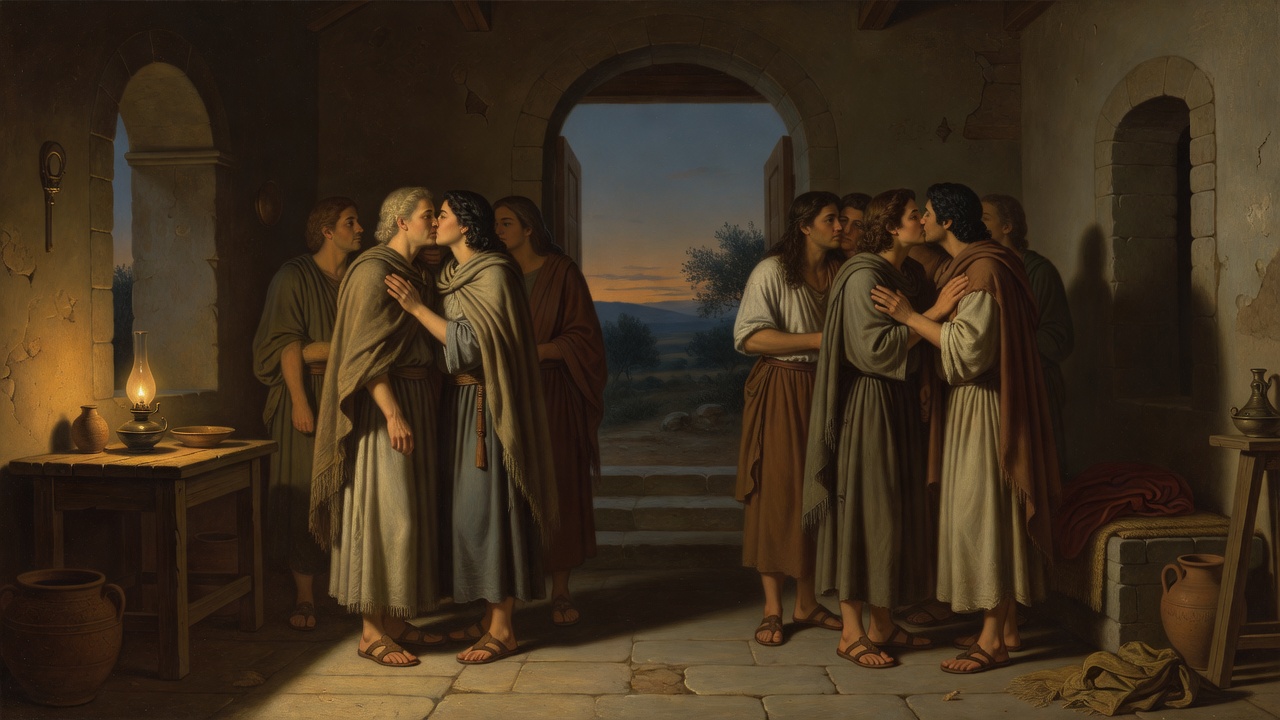
16À ì kpákↄ̃a kↄ̃n Luda gbɛ̃nↄ lɛ́pɛmmanao. Kirisi sↄsinↄ ì kpàawa ń píngi.
Lɛ́zamma
17Ma gbɛ̃nↄ, mɛ́ɛ ooare à làakari kɛ gbɛ̃ kɛ̀ aↄ̃ bↄ̀ yã kɛ̀ á dàda kpɛɛnↄzi. Aↄ̃è gbɛ̃nↄ kɛ̃kↄ̃a wà gbɛ̃nↄ sãsã. À kɛ̃ḿma, 18zaakɛ gbɛ̃ beee takanↄ è dↄ wa Dii Kirisiziro, sé ń gbɛɛ yã. Aↄ̃è taarisaideenↄ sãsã kↄ̃n lɛ́nnaao kↄ̃n yãdↄ̃ↄo. 19Baade píngi a mìsiɛna Diinɛ baaru mà. Mɛ́ɛ pↄnnaa kɛɛ a yã musu. Má yezi àgↄ̃ à maa ↄ̃ndↄ̃ↄ vĩ àgↄ̃ taarisaideenↄ ũ à zaaa musu. 20Luda Aafiade é Setãn dúgu zↄ̃ a gbá gĩzĩ tia. Wa Dii Yesu gbɛ̃kɛɛ kɛare.
21Ma zĩkɛri daa Timↄti kↄ̃n ma bori daanↄ Lusiu kↄ̃n Yasↄ̃o kↄ̃n Sosipatao ì kpàawa.
22Mamↄma Tɛtiu kɛ̀ ma takada kɛ̀ kɛ̃̀ ì kpàawa Dii guu.
23Ma bɛdee Gayusi kɛ̀ sↄsi gbɛ̃nↄ è kakↄ̃a à bɛɛ ì kpàawa. Wɛ́tɛ ↄↄ'utɛri Erasatu ì kpàawa kↄ̃n wa gbɛ̃ndo Kaatuo.
Luda tↄ́bↄna
25Tia sa Luda é fↄ̃ à a gba gbãa kↄ̃n Yesu Kirisi baaru nnaa kɛ̀ mɛ́ɛ kpaao, lán asiiyã kɛ̀ utɛna zaa tontori kɛ̀ wà bìiamɛɛo dɛ nà. 26Luda kɛ̀ ègↄ̃ kuu gurↄ píngi dìɛ wà yã kɛ̀ kɛ̃na annabinↄ takadanↄ guu pì bↄ gupuraaa sa, lɛ bori píngi e à dↄ̃ aↄ̃ Luda náanɛ kɛ aↄ̃ gↄ̃ à yãmarinↄ ũ. 27Wà Luda mɛ̀n do ↄ̃ndↄ̃de tↄ́ bↄ Yesu Kirisi gãzĩ ai gurↄ píngi! Aami.
Did you know?
Greetings to the church in Rome
- Paul commends Phoebe, a servant of the church in Cenchrea, and asks the recipients in Rome to welcome her and help her with whatever she needs, because she has been a great help to many people, including him. Cenchrea was the eastern harbor of Corinth, about nine miles east of the city and the outlet for its trade with the Asiatic shores of the Mediterranean; Easton's Bible Dictionary (1897) says she was probably the bearer of this letter.Sources: the Bible text itself · Phebe · Cenchreae
- Paul greets Prisca and Aquila, his fellow workers in Christ Jesus, who risked their lives for him, and also the church that meets in their house; he says that not only he but all the churches of the Gentiles are grateful to them. Easton's Bible Dictionary (1897) calls her Priscilla and describes Aquila as a tent-maker from Pontus who, with his wife, left Rome because of a decree of Claudius in A.D. 50 commanding all Jews to leave the city; her name sometimes comes before his, as it does here.Sources: the Bible text itself · Priscilla · Aquila
- Near the close, Tertius, who wrote the letter down, adds his own greeting. Gaius, who has hosted Paul and all the church, also sends greetings, as do Erastus, the city treasurer, and Quartus.Sources: the Bible text itself
Notes written with AI assistance from open sources (Theographic Bible Metadata, CC BY-SA 4.0; Easton’s Bible Dictionary, public domain) and reviewed before publishing.
Places in this chapter
Only places identified with high confidence are shown (90% or more according to the scholarly sources compiled by OpenBible). Period map: DARE (Digital Atlas of the Roman Empire), CC BY 4.0; modern map: © OpenStreetMap contributors; places: OpenBible.info (CC BY 4.0).
Credits and license for this translation
Luda yã takada kↄ̃n Bokobaru yão
The New Testament and portions of the Old Testament in the Bokobaru language of Nigeria
copyright © 2005 SIM International
Language: Bokobaru
Translation by: SIM
This translation text is made available to you under the
terms of the Creative Commons License: Attribution-Noncommercial-No Derivative Works.
( http://creativecommons.org/licenses/by-nc-nd/3.0/ )
In addition, you have permission to port the text to different file formats, as long as you
do not change any of the text or punctuation of the Bible.
You may share, copy, distribute, transmit, and extract portions
or quotations from this work, provided that you include the above copyright
information:
You must give Attribution to the work.
You do not sell this work for a profit.
You do not make any derivative works that change any of the actual words or punctuation of the Scriptures.
Permissions beyond the scope of this license may be
available if you contact
us with your request.
This translation is made available to you under the terms of the
Creative Commons Attribution-Noncommercial-No Derivatives license 4.0.
You may share and redistribute this Bible translation or extracts from it in any format, provided that:
You include the above copyright and source information.
You do not sell this work for a profit.
You do not change any of the words or punctuation of the Scriptures.
Pictures included with Scriptures and other documents on this site are licensed just for use with those Scriptures and documents.
For other uses, please contact the respective copyright owners.
2014-09-22
Source: http://ebible.org/bus/ · eBible.org