Psalms 88
Luda yã takada kↄ̃n Bokobaru yão · Tap a verse to see its cross-references.
Kuuna gaa lɛ́zĩ aduakɛna
Ɛzɛra bori Emani lɛ̀.
1Dii Luda ma Mìsiri,
mɛ́ɛ wii pɛɛnzi fãantɛ̃ kↄ̃n gwãavĩo.
2Ǹ tó ma aduakɛna ká n kiia,
ǹ swã kpá ma wiipɛnazi.
3Zaakɛ yã'ↄ̃amma ma nↄ̀sɛ pà,
ma wɛ̃̀ndi kú gaa lɛ́zĩ.
4Wà ma da gbɛ̃ kɛ̀ aↄ̃ↄe sii gɛ̀wãannↄ tɛ́,
ma gↄ̃ gbãasaidee ũ.
5Wà pã kpàmazi wà ma da gɛ̀nↄ tɛ́
lán gbɛ̃ kɛ̀ aↄ̃ↄ daɛna miran sↄ̀rↄrↄnↄ bà,
lán gbɛ̃ kɛ̀ aↄ̃ yã dↄngu dↄro
aↄ̃ bà kúnyo dↄroonↄ bà.
6N ma zu wɛ̀ɛ zã̀n
ai tↄↄtɛ tú kokotɛ̃wɛɛ gusiaan.
7N pↄfɛ̃ tↄ̃̀ma,
à ísↄ̃ dàmala.
8Ń tò ma gbɛ̃nↄ ma zĩnna,
ń tò aↄ̃ↄ ye ma kãziro.
Wà ma kagura kɛ̀, bↄkii kuuro,
9nawɛ̃a ma wɛ́ɛ sìsi.
Mɛ́ɛ n sisii zaa kↄngↄ ai uusiɛ,
ma ↄↄnↄↄ dↄnzi.
10Gɛ̀nↄn nɛɛ̀ yãbↄnsaɛ kɛńnɛↄ́?
Gɛ̀wãadeenↄ bé wè fɛɛ wà n sáabu kpáↄ́?
11Wè n gbɛ̃kɛɛ tↄ̃kɛ̃ mira guun yↄ́?
Wè n náanɛkɛyã o gɛ̀wãann yↄ́?
12Wà n dabuyãnↄ dↄ̃ gusiaa guun yↄ́?
N maakɛnanↄ dↄ̃na kú yãsãngukii guun yↄ́?
13Dii, mɛ́ɛ wii pɛɛnzi,
ma aduakɛna kↄngↄ è ká n kiia.
14Bↄ́yãnzin nɛ́ɛ giimazizi, Dii?
À kɛ̀ dia n mìkpɛɛ zùmɛɛ?
15Má kú gaa lɛ́zĩ wɛ̃ndawɛ̃nda zaa ma gↄ̃kparɛkɛgurↄ,
n yã pãsĩnↄ tↄ̃̀ma, ma gↄ̃ sã̀ii.
16N pↄfɛ̃namazii dàmala,
n vĩapↄnↄ ma kaatɛ.
17Aↄ̃ dàmala lán í bà zaa kↄngↄ ai uusiɛ,
aↄ̃ lìgamazi mámmam.
18Ń tò ma gbɛ̃nↄ kↄ̃n ma gbɛ̃nnanↄ ma zĩnna,
gusiaa bé à gↄ̃̀ ma kpàasi ũ.
Did you know?
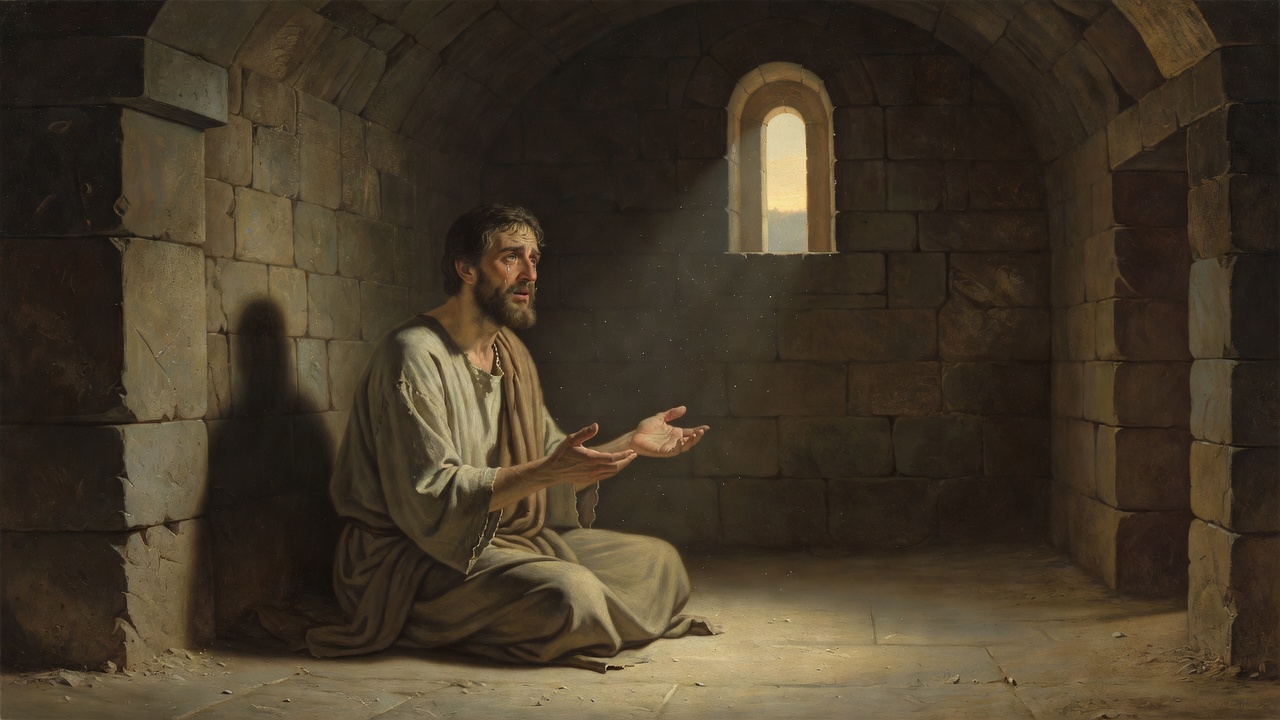
A Cry from Deep Darkness
- The superscription designates this song as a psalm of the sons of Korah and a Maskil of Heman the Ezrahite, directed according to Mahalath Leannoth.Sources: the Bible text itself
- The speaker depicts the realm of the dead using several terms, including Sheol, the Pit, Abaddon, and the land of oblivion. The text poses rhetorical questions about whether God's wonders and faithfulness can be known or praised from such places.Sources: the Bible text itself
- Unlike many biblical laments that transition into expressions of confidence or praise, Psalm 88 sustains an unrelieved tone of suffering and isolation, ending with darkness described as the speaker's closest companion.Sources: the Bible text itself
Notes written with AI assistance from open sources (Theographic Bible Metadata, CC BY-SA 4.0; Easton’s Bible Dictionary, public domain) and reviewed before publishing.
Credits and license for this translation
Luda yã takada kↄ̃n Bokobaru yão
The New Testament and portions of the Old Testament in the Bokobaru language of Nigeria
copyright © 2005 SIM International
Language: Bokobaru
Translation by: SIM
This translation text is made available to you under the
terms of the Creative Commons License: Attribution-Noncommercial-No Derivative Works.
( http://creativecommons.org/licenses/by-nc-nd/3.0/ )
In addition, you have permission to port the text to different file formats, as long as you
do not change any of the text or punctuation of the Bible.
You may share, copy, distribute, transmit, and extract portions
or quotations from this work, provided that you include the above copyright
information:
You must give Attribution to the work.
You do not sell this work for a profit.
You do not make any derivative works that change any of the actual words or punctuation of the Scriptures.
Permissions beyond the scope of this license may be
available if you contact
us with your request.
This translation is made available to you under the terms of the
Creative Commons Attribution-Noncommercial-No Derivatives license 4.0.
You may share and redistribute this Bible translation or extracts from it in any format, provided that:
You include the above copyright and source information.
You do not sell this work for a profit.
You do not change any of the words or punctuation of the Scriptures.
Pictures included with Scriptures and other documents on this site are licensed just for use with those Scriptures and documents.
For other uses, please contact the respective copyright owners.
2014-09-22
Source: http://ebible.org/bus/ · eBible.org