Numbers 9
Luda yã takada kↄ̃n Bokobaru yão · Tap a verse to see its cross-references.
About this book
About Numbers
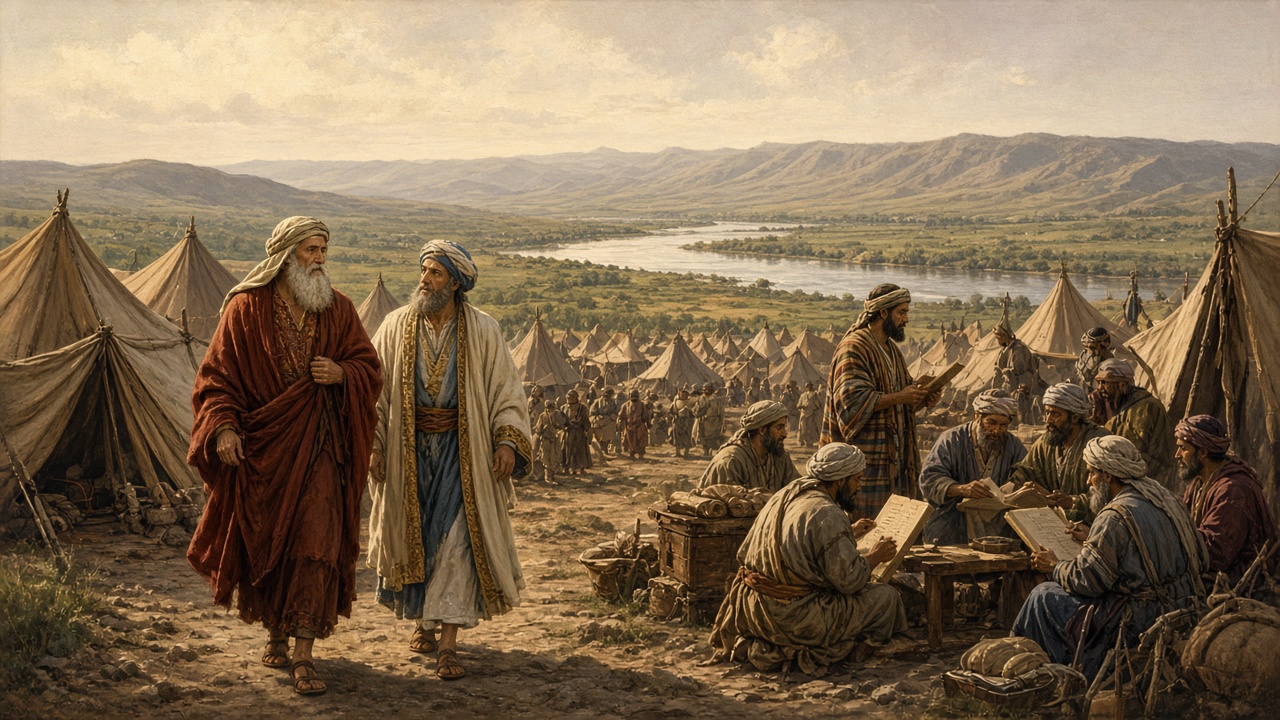
- Numbers is the fourth book of the Pentateuch. In Hebrew it is called be-midbar, “in the wilderness”; the Greek Septuagint called it Numbers, the name still usual, because it records a census in the wilderness of Sinai and a later census on the plain of Moab.Sources: Easton: Numbers, Book of
- Easton's Bible Dictionary (1897) presents Numbers, like the other books of the Pentateuch, as written by Moses. The history it contains runs from the second month of the second year after the Exodus to the beginning of the eleventh month of the fortieth year, about thirty-eight years and ten months.Sources: Easton: Numbers, Book of
- The narrative begins at Sinai, the mountain district Israel reached in the third month after the Exodus and where they camped for about a year, and follows their route and encampments through the wilderness. It ends on the plains of Moab, east of the Jordan and the Dead Sea, opposite Jericho, their last camp before entering Canaan, the country west of the Jordan. Easton describes those years as a time of wandering in which that generation died in the wilderness, and notes that the people were fewer then than when they left Egypt.Sources: Easton: Numbers, Book of · Sinai · Moab · Canaan
- Easton divides the book into three parts: the census at Sinai and preparations to resume the march, including the Nazirite vow (1–10:10); the journey from Sinai to Moab, the sending of the spies and the report they brought back, and the people’s murmurings, eight times, at the hardships of the way (10:11–21:20); and the events on the plain of Moab before the crossing of the Jordan (21:21–36).Sources: Easton: Numbers, Book of
- While Israel was camped on the plains of Moab, Balak, son of Zippor and king of Moab, fearing them, sent to Pethor in Mesopotamia for Balaam, son of Beor, to curse them; the narrative says Balaam was unable to do so. Numbers 21:14 also cites “the book of the wars of the Lord,” a work that Easton says is uncertain, perhaps a lost writing of Israel or an Amorite record of the victories of their king Sihon.Sources: Easton: Numbers, Book of · Balaam · Balak
Notes written with AI assistance from open sources (Theographic Bible Metadata, CC BY-SA 4.0; Easton’s Bible Dictionary, public domain) and reviewed before publishing.
Banla zĩbaakɛna
1Dii yã ò Musanɛ Sinai gbáan Isarailinↄ bↄna Igipiti wɛ̃̀ plaade mↄ káaku guu à bè: 2Isarailinↄ gae Banla zĩbaa kɛ à gurↄↄa. 3À zĩbaa pì kɛ mↄↄ kɛ̀kii gurↄ gɛ̃rodosaideen uusiɛ. À kɛ lán má dàare nà píngi kↄ̃n à dokayã kɛ̀ má dàareenↄ.
4Musa ò Isarailinↄnɛ aↄ̃ Banla zĩbaa kɛ, 5ben aↄ̃ zĩbaa pì kɛ̀ Sinai gbáan mↄ káaku gurↄ gɛ̃rodosaideen uusiɛ. Aↄ̃ↄ kɛ̀ lán Dii ò Musanɛ nà píngi. 6Gbɛ̃kenↄ kú gwe aↄ̃ↄ gbãsĩ kɛ̀ aↄ̃ ↄ kɛ̀ gɛ̀a yãnzi, ben aↄ̃ↄe e wà Banla zĩbaa kɛ̀ zĩ beeearo. Ben aↄ̃ gàa wà Musa kↄ̃n Arunao lè zĩ beeea gↄ̃ↄ 7aↄ̃ bè Musanɛ: Gɛ̀ yã musu wa gbãsĩ lɛ̀. Bↄ́yãnzi wà gìwe wà mↄ́ kↄ̃n gbaanↄ Diinɛ kↄ̃n wa gbɛ̃nↄo à gurↄↄazi? 8Musa wèńla à bè: À zɛ ai mà ma lán Dii é o a yã musu nà. 9Ben Dii bè Musanɛ: 10Ǹ o Isarailinↄnɛ, tó aↄ̃ gbɛ̃kenↄ ke aↄ̃ boriinↄↄ kpɛ́ gbãsĩ gɛ̀ yã musu, ke aↄ̃ gàa wɛ́tɛ zã̀azã ken, aↄ̃é fↄ̃ wà Banla zĩbaa kɛmɛ zãa. 11Mↄ plaadee gurↄ gɛ̃rodosaidee uusiɛn aↄ̃é zĩbaa pì kɛ. Aↄ̃é sã nↄ̀bↄ só kↄ̃n burɛdi sɛ́sɛ'ɛ̃zɛ̃saio kↄ̃n lá kyã̀kyão. 12Aↄ̃ton à ke tó guu dↄ̀aro bensↄ̃ aↄ̃ton sãa pì wá ke ɛ́ro. Aↄ̃é Banla zĩbaa pì kɛ lán má dìɛare nà píngi. 13Gbɛ̃ kɛ̀ èe gbãsĩ lɛ́ro bensↄ̃ èe gá wɛ́tɛ kearo, tó à gì Banla zĩbaa pì kɛzi, wà adee bↄ a gbɛ̃nↄ tɛ́, zaakɛ èe mↄ́mɛ kↄ̃n gbaao à gurↄↄaro. À taari é wí à musu. 14Bↄ̀amↄ kɛ̀ kú a tɛ́ bensↄ̃ à yezi à Banla zĩbaa kɛmɛ, séde à kɛ lán ma à doka dìɛare nà. Bↄ̀amↄ kↄ̃n bɛdeeo ń píngi yã dↄ̃nkↄ̃mɛ.
Tɛ́luguu dana bisakutaalaa
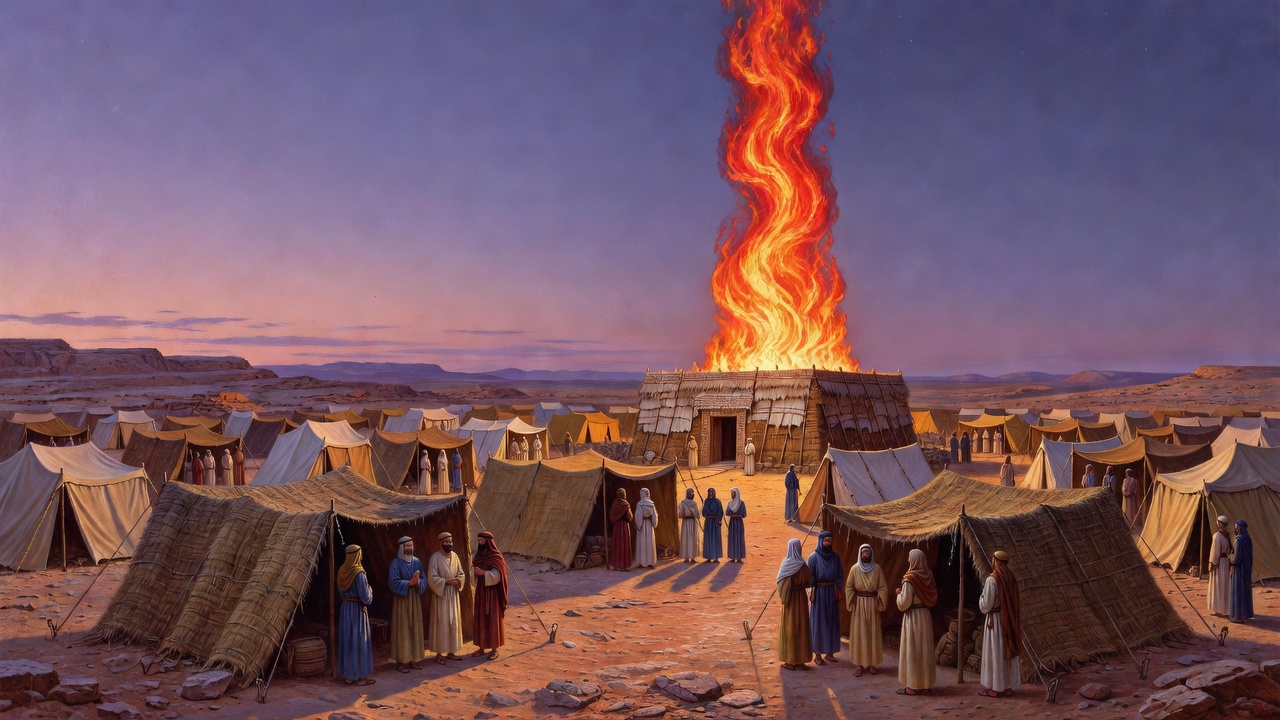
15Zĩ kɛ̀ wà bisakutaa mↄ̀ dↄ̀, tɛ́luguu pì dà sèeda kutaa pìla. Zaa uusiɛ ai guu gàa à dↄ̀o tɛ́luguu pì kú kutaa pì musu lán tɛ́ bà. 16Lɛn ègↄ̃ kuu lɛ gurↄ píngi, ègↄ̃ kú kutaa pìla fãantɛ̃, gwãavĩ sↄ̃ lán tɛ́ bà. 17Tó à gò kutaa pìa, ben Isarailinↄ è fɛɛ kↄ̃n táo. Guu kɛ̀ tɛ́luguu pì zɛ̀n, gwen aↄ̃è bùra káɛn. 18Tó Dii ↄ̀dↄańnɛ lɛ, aↄ̃è bùra fɛɛ. Tó à ↄ̀dↄańnɛ dↄ, aↄ̃è ɛara wà bùra káɛ. Tó tɛ́luguu pì da kutaa pìla sↄ̃, aↄ̃ bùra ègↄ̃ kaɛnamɛ. 19Tó tɛ́luguu pì e gurↄ plaaa kɛɛ kutaa pìla, aↄ̃ègↄ̃ Dii yã maa, aↄ̃è bùra fɛɛro. 20Zĩkenↄa tɛ́luguu pì è gurↄ plaaa kɛ kutaalaro. Tó Dii ↄ̀dↄańnɛ, aↄ̃è bùra káɛ, tó Dii ɛ̀ara à ↄ̀dↄańnɛ dↄ, ben aↄ̃è bùra fɛɛ. 21Zĩkenↄa sↄ̃ tɛ́luguu pì è zɛ gu dↄ̃nkↄ̃ féte zaa uusiɛ ai kↄngↄ. Tó à gòa kↄngↄ, ben aↄ̃è bùra fɛɛ. Fãantɛ̃ ke gwãavĩn yoo, tó tɛ́luguu pì gòa, aↄ̃è bùra fɛɛmɛ. 22Tó tɛ́luguu pì gↄ̃̀ zɛna kutaa pìla gurↄ do ke mↄ do ke wɛ̃̀ don yoo, aↄ̃ègↄ̃ kaɛna bùrammɛ, aↄ̃è fɛɛro. Tó à gòa, ben aↄ̃è bùra fɛɛ. 23Aↄ̃è bùra káɛ ke wà bùra fɛɛ Dii lɛ́ saɛro. Aↄ̃ègↄ̃ Dii yã maa lán à dà Musanɛ à òńnɛ nà.
Did you know?
The Second Passover and the Guiding Cloud
- Numbers 9 records the observance of Passover in the Wilderness of Sinai in the first month of the second year after leaving Egypt. According to tradition, the Israelites remained encamped in the Sinai region for about a year while receiving the laws and erecting the Tabernacle.Sources: the Bible text itself · Sinai
- A special provision was established for individuals who could not celebrate Passover at the appointed time due to ceremonial defilement from a corpse or travel. Such persons were permitted to celebrate a supplementary Passover exactly one month later, on the fourteenth day of the second month.Sources: the Bible text itself
- The movement and rest of the entire camp were directed by the cloud that covered the Tabernacle by day and appeared as fire by night. Whether the cloud remained over the Tent for a single night, a few days, or many months, the Israelites only journeyed when it lifted.Sources: the Bible text itself
Notes written with AI assistance from open sources (Theographic Bible Metadata, CC BY-SA 4.0; Easton’s Bible Dictionary, public domain) and reviewed before publishing.
Places in this chapter
- Egypt · 30.129, 31.308 · verse 1
- Wilderness of Sinai · Today: about 50 km around Jebel Musa · 28.540, 33.973 · verses 1, 5
Only places identified with high confidence are shown (90% or more according to the scholarly sources compiled by OpenBible). Period map: DARE (Digital Atlas of the Roman Empire), CC BY 4.0; modern map: © OpenStreetMap contributors; places: OpenBible.info (CC BY 4.0).
Credits and license for this translation
Luda yã takada kↄ̃n Bokobaru yão
The New Testament and portions of the Old Testament in the Bokobaru language of Nigeria
copyright © 2005 SIM International
Language: Bokobaru
Translation by: SIM
This translation text is made available to you under the
terms of the Creative Commons License: Attribution-Noncommercial-No Derivative Works.
( http://creativecommons.org/licenses/by-nc-nd/3.0/ )
In addition, you have permission to port the text to different file formats, as long as you
do not change any of the text or punctuation of the Bible.
You may share, copy, distribute, transmit, and extract portions
or quotations from this work, provided that you include the above copyright
information:
You must give Attribution to the work.
You do not sell this work for a profit.
You do not make any derivative works that change any of the actual words or punctuation of the Scriptures.
Permissions beyond the scope of this license may be
available if you contact
us with your request.
This translation is made available to you under the terms of the
Creative Commons Attribution-Noncommercial-No Derivatives license 4.0.
You may share and redistribute this Bible translation or extracts from it in any format, provided that:
You include the above copyright and source information.
You do not sell this work for a profit.
You do not change any of the words or punctuation of the Scriptures.
Pictures included with Scriptures and other documents on this site are licensed just for use with those Scriptures and documents.
For other uses, please contact the respective copyright owners.
2014-09-22
Source: http://ebible.org/bus/ · eBible.org