Numbers 11
Luda yã takada kↄ̃n Bokobaru yão · Tap a verse to see its cross-references.
Dii tɛ́fɛɛna
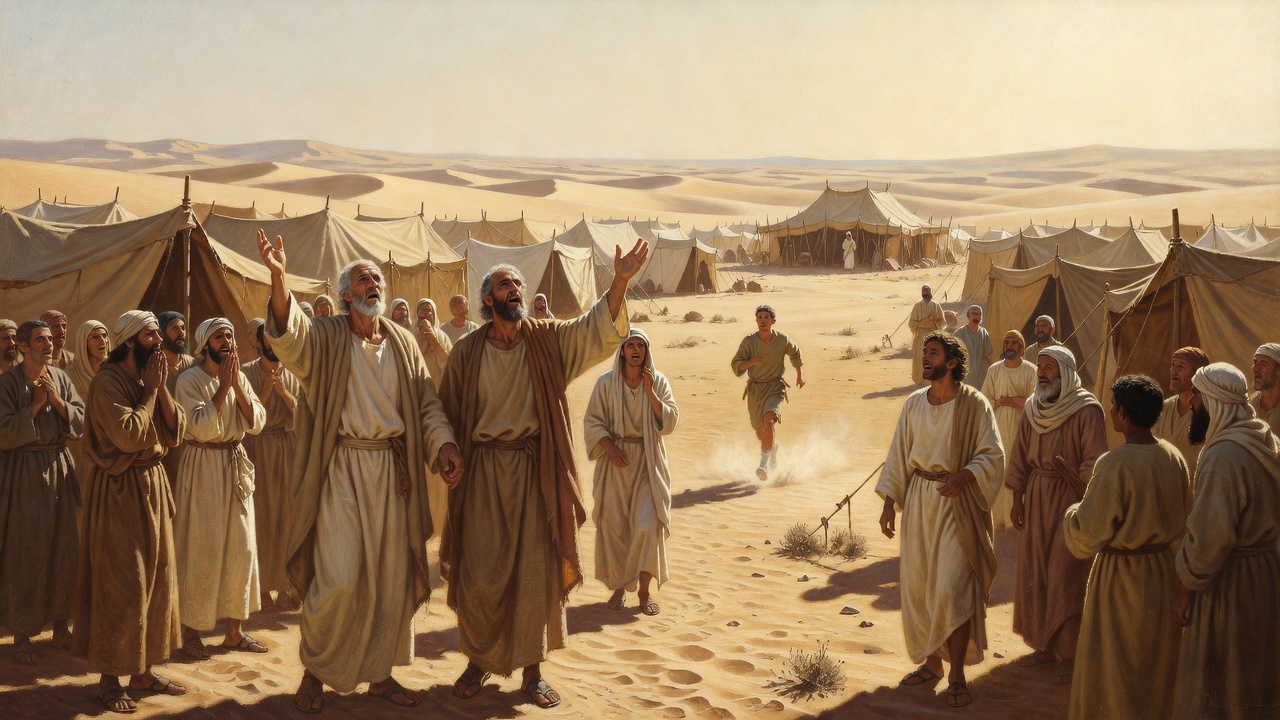
1Isarailinↄ zↄka kà Diizi ń nawɛ̃akɛna yãnzi. Kɛ̀ Dii mà, à pↄ fɛ̃̀, ben à tɛ́ fɛ̀ɛ ń tɛ́, aↄ̃ bùra kpadoo tɛ́ kũ̀. 2Ben gbɛ̃nↄ wii pɛ̀ Musazi. Kɛ̀ à wɛ́ɛ kɛ̀ Diia, ben tɛ́ pì zɛ̀. 3Ben wà tↄ́ kpà guu pìnɛ Tabera, kɛ̀ Dii tɛ́ fɛ̀ɛ ń tɛ́ gwe yãnzi.
Dii bùrunↄ gbarɛna
4Bori pãndenↄ kú Isarailinↄ tɛ́, aↄ̃ↄe pↄ́ble pãnde nii dɛɛ, ben Isarailinↄↄ e ↄ́ↄ dↄↄ se wà bè: Mán wé nↄ̀bↄ en wà sóo? 5Wée kpↄ̀ kɛ̀ wá sò Igipiti wa pↄyezia bɛgɛ kɛɛ kↄ̃n plɛ̃̀nↄ kↄ̃n gbɛzɛɛnↄ kↄ̃n ɛfↄnↄ kↄ̃n aubasanↄ kↄ̃n aubasa gizonↄo. 6Tia sa wa lɛ́ gà, zaakɛ weè pↄ́ke ero, tó èe kɛ mana kɛ̀ baasiro.
7Mana pì wɛ́ɛ kete, à dɛ lán lí'ↄↄ bàmɛ. 8Isarailinↄ è sɛ́ɛ wà lↄ́ gbɛ̀n ke aↄ̃è zↄ̃ gón. Aↄ̃è disa wà kàra kɛo. À nna lán kàra tɛ̃ngo bà. 9Tó kpíi kpà bùran gwãavĩ, ben mana pì è kwɛ́ se.
10Musa mà wèe ↄ́ↄ dↄↄ ualɛ kↄ̃n ualɛo. Dii pↄ fɛ̃̀ maamaa, ben à kɛ̀ Musanɛ ĩi 11à bènɛ: Bↄ́yãnzin nɛ́ɛ wɛ́ɛ tãamazi? Ma yã kparee bé à kɛ̀nnɛ zaa, ben n gbɛ̃ pìnↄ gwana asoo dìmɛɛ? 12Mámbe ma gbɛ̃ pìnↄ nↄ̀ sìↄ́? Mámbe ma ń íↄ́? Bↄ́yãnzi n bèmɛ mà ń kú kpɛɛ lán nɛ́dandee bà mà gáńyo bùsu kɛ̀ ń la dà aↄ̃ dezinↄnɛnzi? 13Mákpan mɛ́ nↄ̀bↄ en mà kpá gbɛ̃ pìnↄa ń píngii? Zaakɛ aↄ̃ↄe wii pɛɛmazi wèe bee mà ń gba nↄ̀bↄ wà só. 14Mɛ́ fↄ̃ mà gbɛ̃ pìnↄↄ kú kpɛɛ ń píngi madoro, zaakɛ aↄ̃ asoo dɛmala. 15Tó lɛn nɛ́ kɛmɛ lɛ, ǹ tó ma n pↄnnaa e ǹ ma dɛ gↄ̃ↄ. Ǹton tó mà nawɛ̃a pì kɛ dↄro. 16Ben Dii bènɛ: Ǹ Isaraili gbɛ̃nsi kɛ̀ ń ń dↄ̃ dↄn'aɛdee ũunↄ kakↄ̃a gↄ̃ↄn baaagↄ̃ akuri ǹ mↄ́ńyo dakↄ̃rɛki kuta kiia aↄ̃gↄ̃ kúnyo gwe. 17Mɛ́ pita mà yã onnɛ gwe mà a Ninii kɛ̀ kúmmaa kpadoo go mà dińnɛ, aↄ̃é gbɛ̃nↄ gwana aso sɛ́nyo lɛ ǹtongↄ̃ ń sɛna ndo dↄro yãnzi. 18Ǹ o gbɛ̃nↄnɛ aↄ̃ gbãsĩ bↄ ń zĩndan zia yãnzi, aↄ̃é nↄ̀bↄ e wà só. Zaakɛ aↄ̃ wii pɛ̀mazi wà bè, mán wé nↄ̀bↄ en kɛ̀ wà sóo? Aↄ̃ bè wà sã̀ↄ Igipiti. Beee yãnzin mɛ́ ń gba nↄ̀bↄ aↄ̃ sózi. 19Aↄ̃é só èe kɛ gurↄ donlo, gurↄ plaanlo, gurↄ sↄↄronlo, gurↄ kurinlo, gurↄ baronlo. 20Aↄ̃é só mↄ do gbãngbãn ai à bↄ ń yĩn à nii bↄ ń pↄↄ guu. Zaakɛ mamↄma Dii má kú ń tɛ́, ben aↄ̃ pã kpàmazi. Aↄ̃ zↄka dↄ̀ma wà bè, bↄ́yãnzi wà bↄ̀ Igipitizi? 21Ben Musa bè: Gↄ̃gbɛ̃nↄↄ kúmao tá guu gↄ̃ↄn bↄrↄ wàa aagↄ̃, ben n bè nɛ́ nↄ̀bↄ kpáḿma wà só ai mↄ do gbãngbãn-ↄ́? 22Baa tó wà sãanↄ kↄ̃n zùnↄ dɛ̀dɛ paripari, eé mↄ́ḿmaↄ́? Tó wà ísia kpↄ̀nↄ sɛ̀ɛ píngi, eé mↄ́ḿmaↄ́? 23Dii wèàla à bè: Ma gbãaa é kánloo? Nɛ́ e tia, tó yã kɛ̀ má ònnɛɛ é kɛ ke eé kɛro.
24Musa bↄ̀ à Dii yã pìnↄ òńnɛ. À Isaraili gbɛ̃nsinↄ kàkↄ̃a gↄ̃ↄn baaagↄ̃ akuri à ń zɛ́ wà lìga kutaa pìzi. 25Ben Dii pìta tɛ́luguu guu à yã òo. À a Ninii kɛ̀ kúa kpadoo gò à dì gbɛ̃nsi gↄ̃ↄn baaagↄ̃ akuri pìnↄnɛ. Kɛ̀ à a Ninii pì dìńnɛ lɛ, aↄ̃ annabikɛɛ kɛ̀, beee gbɛra aↄ̃ↄe ɛara wà kɛ̀ dↄro. 26Gbɛ̃ kɛ̀ Musa ń sɛ́ gↄ̃ↄn plaaanↄ gↄ̃̀ bùran, gbɛ̃ doo tↄ́n Ɛlɛdada, gbɛ̃ doo sↄ̃ Mɛdada. Aↄ̃ↄe gá kutaa kiiaro, mↄde Ninii pì sùḿma se, ben aↄ̃ annabikɛɛ kɛ̀ bùran. 27Gↄ̃kparɛ ke bàa lɛ̀ à gàa à bè Musanɛ: Ɛlɛdada kↄ̃n Mɛdadao e annabikɛyã oo bùran. 28Nuni nɛ́ Yↄsuan Musa kpàasi ũ zaa a ↄ̀wazikɛgurↄ, ben à bè: Baa Musa, ǹ gíńnɛ. 29Ben Musa bènɛ: Nɛ́ɛ nↄ̀sɛgↄ̃aanↄ kɛɛńyo ma yã musun yↄ́? Tó Dii a Ninii dì a gbɛ̃nↄnɛ aↄ̃ gↄ̃̀ annabinↄ ũ ń píngi, à maaroo? 30Ben Musa ɛ̀ara bùran kↄ̃n Isarailinↄ gbɛ̃nsi pìnↄo.
31Dii tò ĩa bↄ̀ ísiaa kpa à mↄ̀ kↄ̃n bùrunↄ, aↄ̃ dà bùrala. Aↄ̃ lìga bùrazi baama píngi à kà tágurↄ doo ũ, bensↄ̃ aↄ̃ vĩana lezĩ kà gã̀sãsuu plaa. 32Fãantɛ̃ beeea kↄ̃n gwãavĩo kↄ̃n à gu làa dↄnao aↄ̃ fɛ̀ɛ wà gàa wà bùrunↄ kũ̀kũ. Gbɛ̃ kɛ̀ èe kũkũ bítaroo kũ̀kũ sùu baro. Ben aↄ̃ↄ fã̀ɛ à gàga. 33Kɛ̀ aↄ̃ à nↄ̀bↄ dà ń lɛ́n gↄ̃ↄ, aↄ̃ↄe e wà só bítaro, ben Dii pↄ fɛ̃̀ńzi à gagyãa kàńgu. 34Ben wà tↄ́ kpà guu pìnɛ Lóudeenↄ Mira, zaakɛ gwen wà gbɛ̃ kɛ̀ nↄ̀bↄ lóu ń kũnↄ vĩ̀in. 35Ben Isarailinↄ fɛ̀ɛ gwe aↄ̃ gàa Azero aↄ̃ gurↄplaa kɛ̀ gwe.
Did you know?
Complaints, Quail, and the Spirit in the Camp
- The places mentioned in this chapter derive their names from events during the journey: Taberah means "burning," named after fire consumed the outskirts of the camp, while Kibroth-hattaavah means "graves of longing" or "graves of lust," where those who craved meat were buried.Sources: Taberah · Kibroth-hattaavah · the Bible text itself
- Although seventy elders were selected to help Moses bear the responsibility of leadership, Eldad and Medad remained in the camp instead of going to the Tent of Meeting, yet the Spirit rested on them and they prophesied. When Joshua urged Moses to stop them, Moses replied that he wished all the Lord's people were prophets.Sources: Eldad · Joshua · the Bible text itself
- The text describes manna as resembling coriander seed and resin, which the Israelites gathered, ground with handmills or crushed in mortars, and boiled in pots or baked into cakes tasting like pastry prepared with fine oil.Sources: the Bible text itself
Notes written with AI assistance from open sources (Theographic Bible Metadata, CC BY-SA 4.0; Easton’s Bible Dictionary, public domain) and reviewed before publishing.
Places in this chapter
Only places identified with high confidence are shown (90% or more according to the scholarly sources compiled by OpenBible). Period map: DARE (Digital Atlas of the Roman Empire), CC BY 4.0; modern map: © OpenStreetMap contributors; places: OpenBible.info (CC BY 4.0).
Credits and license for this translation
Luda yã takada kↄ̃n Bokobaru yão
The New Testament and portions of the Old Testament in the Bokobaru language of Nigeria
copyright © 2005 SIM International
Language: Bokobaru
Translation by: SIM
This translation text is made available to you under the
terms of the Creative Commons License: Attribution-Noncommercial-No Derivative Works.
( http://creativecommons.org/licenses/by-nc-nd/3.0/ )
In addition, you have permission to port the text to different file formats, as long as you
do not change any of the text or punctuation of the Bible.
You may share, copy, distribute, transmit, and extract portions
or quotations from this work, provided that you include the above copyright
information:
You must give Attribution to the work.
You do not sell this work for a profit.
You do not make any derivative works that change any of the actual words or punctuation of the Scriptures.
Permissions beyond the scope of this license may be
available if you contact
us with your request.
This translation is made available to you under the terms of the
Creative Commons Attribution-Noncommercial-No Derivatives license 4.0.
You may share and redistribute this Bible translation or extracts from it in any format, provided that:
You include the above copyright and source information.
You do not sell this work for a profit.
You do not change any of the words or punctuation of the Scriptures.
Pictures included with Scriptures and other documents on this site are licensed just for use with those Scriptures and documents.
For other uses, please contact the respective copyright owners.
2014-09-22
Source: http://ebible.org/bus/ · eBible.org