Matthew 12
Luda yã takada kↄ̃n Bokobaru yão · Tap a verse to see its cross-references.
Kámmabogurↄ yã
1Gurↄ beeea Yesu e pãa buraanↄla kámmabogurↄↄ zĩ. Nↄaa e à ìbanↄ dɛɛ, ben aↄ̃ pↄ́wɛɛ wòro, aↄ̃ↄe soo. 2Kɛ̀ Farisinↄↄ è lɛ, ben aↄ̃ bènɛ: Ǹ n ìbanↄ gwa, aↄ̃ↄe yã kɛ̀ wè kɛ kámmabogurↄↄ zĩroo kɛɛ. 3Ben Yesu bèńnɛ: Ée kyó kɛ á è lán Dauda kɛ̀ nà kↄ̃n a gbɛ̃nↄ gurↄↄ kɛ̀ nↄaa e ń dɛɛroo? 4À gɛ̃̀ Luda ua guu, àpi kↄ̃n a gbɛ̃nↄ burɛdi kɛ̀ wà kàɛ Ludanɛ sò, burɛdi kɛ̀ aↄ̃ↄ à sona zɛ́ vĩro, sé sa'orinↄ. 5Kɛ̀ sa'ori kɛ̀ aↄ̃ↄ kú Luda ua guu kámmabogurↄↄ zĩnↄ è gurↄↄ pì yã daro, bensↄ̃ èe kɛńnɛ taari ũro, ée à kyó kɛ á è Luda yãnloo? 6Mɛ́ɛ ooare: Pↄ́ kɛ̀ à bíta dɛ Luda ualaa kú kɛ̀. 7Tó á yã kɛ̀kii mì dↄ̃, kɛ̀ kↄ̃wɛ̃ndagwanan má yezi, èe kɛ sa'onanlo, lɛ ée taarisaideenↄ taari ero. 8Zaakɛ Gbɛ̃ntee Nɛ́ bé à iko vĩ kámmabogurↄↄa.
9Kɛ̀ Yesu bↄ̀ gwe, ben à gɛ̃̀ ń aduakɛkpɛn. 10Gↄ̃gbɛ̃ kee kú gwe, à ↄ doo fɛ̃fɛ̃na. Gbɛ̃kenↄ e zɛ́ wɛtɛɛ wà yã di Yesua, ben aↄ̃ à là wà bè: Gbɛ̃kɛ̃kↄ̃ana kámmabogurↄↄ zĩ zɛ́ vĩↄ́? 11Ben à wèńla à bè: Tó a gbɛ̃kee sãa vĩ à zù wɛ̀ɛn kámmabogurↄↄ zĩ, à gí gá à bↄzi? 12Gbɛ̃ntee dɛ sãala zã̀. Beee yãnzi maakɛna kámmabogurↄↄ zĩ zɛ́ vĩ. 13Ben Yesu bè gↄ̃gbɛ̃ pìnɛ: Ǹ n ↄↄ pì poro. Kɛ̀ à pòro, ben à kɛ̀ a gbɛ̀n wásawasa lán à doo bà. 14Ben Farisinↄ bↄ̀ɛ wà gàa wà yã gↄ̃gↄ̃ dian aↄ̃é kɛ nà wà Yesu dɛ.
Zĩkɛri kɛ̀ Ludaa sɛ̀
15Yesu dↄ̃̀, ben à gù gwe. Parii bↄ̀ wà tɛ̀zi, ben à gyãree kɛ̀ aↄ̃ↄ kú ń tɛ́nↄ kɛ̃̀kↄ̃a ń píngi, 16à gìńnɛ aↄ̃ o gbɛ̃ kɛ̀ á dɛ à ũ. 17Lɛn Luda yã kɛ̀ annabi Isaya ò kɛ̀ lɛ, à bè:
18Ma zĩkɛri kɛ̀ má sɛ̀n yɛ̀,
ma yenzidee kɛ̀ à yã è kámaguu.
Mɛ́ ma Ninii di à musu,
eé yãzɛdee da boriinↄnɛ.
19Eé lɛokpakↄ̃a kɛro, eé pataḿmaro,
gbɛ̃ke é à zↄka ma dↄ gãalɛro.
20Eé kàba kɛ̀ kpá zɛ́n ɛ́ro,
eé fitia wɛ́ɛ'ibakɛna dɛro,
ai à tó yãzɛdee zĩ̀ ble.
21Bori píngi tãmaa égↄ̃ dↄa.
Zĩn gona gbɛ̃nↄa
22Ben wà mↄ̀ Yesunɛ kↄ̃n zĩnde vĩ̀a kɛ̀ à nɛ́nɛ naɛnao. Yesu à kɛ̃̀kↄ̃a, èe yã oo sa, èe guu ee. 23Ben yã pì bↄ̀ gbɛ̃nↄ saɛ ń píngi wà bè: Dauda borii pìn yɛ̀roo? 24Kɛ̀ Farisinↄↄ mà, ben aↄ̃ bè: Gbɛ̃ kɛ̀kii é fↄ̃ à zĩn goḿmaro sé kↄ̃n zĩnnↄ kí Bɛlɛzɛbubu gbãaao. 25Yesu ń laasuu dↄ̃, ben à bè: Kpata kɛ̀ à gbɛ̃nↄ íbɛtɛ kpà kↄ̃o é kaatɛ. Wɛ́tɛ ke ua kɛ̀ à gbɛ̃nↄ íbɛtɛ kpà kↄ̃o é gↄ̃ bɛzĩ ũmɛ. 26Tó Setãn e a zĩnda goo gbɛ̃nↄa, à íbɛtɛ kpà a zĩndaon gwe. À kpata é gì kɛ diamɛ? 27Tó Bɛlɛzɛbubu gbãaan mɛɛ̀gↄ̃ zĩnnↄ goooḿma sↄ̃, a gbɛ̃nↄ è ń go kↄ̃n dé gbãaaomɛ? Lɛn a zĩnda gbɛ̃nↄ a ɛgɛ bò lɛ. 28Tó Luda Nini gbãaan mɛ́ɛ zĩn gooḿma, àgↄ̃ dↄ̃ kɛ̀ kí kɛ̀ Ludaa kà mↄ̀ à a len gwe.
29Dian gbɛ̃ é kɛ nà à gɛ̃ gↄ̃sagbãaa kpɛ́n à à pↄ́nↄ sɛ́ɛɛ? Séto à à yì gĩa, gbasa à à kpɛ́ kpokɛ. 30Gbɛ̃ kɛ̀ dɛ ma gbɛ̃ ũroo nɛ́ ma ibɛɛmɛ. Gbɛ̃ kɛ̀ èe pↄ́ kaakↄ̃amaoroo e fãakↄ̃amɛ. 31Beee yãnzi mɛ́ɛ ooare, Luda é gbɛ̃nↄ durunnↄ kɛ̃ńnɛ kↄ̃n a tↄ́ zaaa kɛ̀ aↄ̃è sísinↄ píngi, mↄde eé gbɛ̃ kɛ̀ à à Ninii tↄ́ zaaa sì kɛ̃ro. 32Tó gbɛ̃ Gbɛ̃ntee Nɛ́ tↄ́ zaaa sì, Luda é kɛ̃nɛ, mↄde tó gbɛ̃ Luda Nini tↄ́ zaaa sì, eé adee kɛ̃ anduna tiaa kɛ̀kii guuro ke à kɛ̀ èe mↄↄ.
Gbɛ̃ dↄ̃na a yãkɛnaa
33Tó lí maa, à nɛ́ égↄ̃ maamɛ. Tó lí zaa sↄ̃, à nɛ́ égↄ̃ zaamɛ. Zaakɛ líbɛɛn wè lí dↄ̃a. 34Gbɛ̃ntee pitigoonↄ! Kɛ̀ á zaa, à kɛ̀ dia é fↄ̃ à yã maaa oo? Zaakɛ yã kɛ̀ swɛ̃̀ pàn lɛ́ è o. 35Gbɛ̃ maaa è à maaa bↄ à maaa kɛ̀ kaɛna a guumɛ. Gbɛ̃ zaaa sↄ̃ è à zaaa bↄ à zaaa kɛ̀ kaɛna a guumɛ. 36Mɛ́ɛ ooare, yãkpaɛkɛgurↄↄ zĩ gbɛ̃nↄ é ń faasaiyã kɛ̀ aↄ̃ↄ ò tↄ̃kɛ̃ Ludanɛ píngi. 37Zaakɛ yã kɛ̀ ń ò bé eé yã nnaa kpámma kesↄ̃ à yã danla.
Sèedagbekana Yesua
38Ben ludayãdannɛrinↄ kↄ̃n Farisi kenↄo bè Yesunɛ: Dannɛri, wá yezi ǹ sèeda ke kɛ wà e. 39Ben Yesu wèńla à bè: Tↄ̃ↄrigbɛ̃ zaa ludanaanɛkɛrisaideenↄ bé wè sèeda gbekama, mↄde mɛ́ sèeda ke kɛńnɛro, sé annabi Yunusa pↄ́. 40Lán Yunusa kɛ̀ kpↄ̀ ìsi gbɛɛɛ guu nà fãantɛ̃ kↄ̃n gwãavĩo ai gurↄ aagↄ̃, lɛn Gbɛ̃ntee Nɛ́ é kɛ lɛ tↄↄtɛn fãantɛ̃ aagↄ̃ gwãavĩ aagↄ̃. 41Yãkpaɛkɛgurↄↄ zĩ Ninɛvadeenↄ é fɛɛ wà yã da tↄ̃ↄrigbɛ̃nↄla, zaakɛ kɛ̀ aↄ̃ Yunusa waazi mà, aↄ̃ ń nↄ̀sɛ lìɛ, ben gbɛ̃ kɛ̀ bíta dɛ Yunusalaa kú kɛ̀. 42Yãkpaɛkɛgurↄↄ zĩ sↄↄmɛtɛ kpa nↄgbɛ̃ kína é fɛɛ à yã da tↄ̃ↄrigbɛ̃nↄla, zaakɛ à bↄ̀ zaa anduna lɛ́a à mↄ̀ Sulemanu ↄ̃ndↄ̃yã ma, ben gbɛ̃ kɛ̀ dɛ Sulemanulaa kú kɛ̀ sa.
Zĩn ɛarana a bɛ ziia
43Tó wà zĩn gò gbɛ̃a, ègↄ̃ likↄ̃aa zↄ̃ↄ gukorin àgↄ̃ vɛ̃ɛkii wɛtɛɛ. Tó èe ero, 44ben è be: Mɛ́ liara mà tá ma bɛ ziiamɛ. Tó à kà gwe, è e à da pã, à waana wásawasa zɛ́azea. 45Ben è gá à zĩn kɛ̀ aↄ̃ pãsĩ dɛalaanↄ sɛ́ɛ mɛ̀n swɛɛplaa à suńyo aↄ̃è gɛ̃ wà vɛ̃ɛn. Lɛmɛ adee gwena zãa zaaa ègↄ̃ dɛ à káakupↄla. Góro dↄ̃nkↄ̃ pì bé eé tↄ̃ↄrigbɛ̃ zaaanↄ bikũ sↄ̃.
Yesu danɛnↄ
46Kɛ̀ Yesu e yã oo gbɛ̃nↄnɛ, ben à da kↄ̃n à dãaronↄ kà, aↄ̃ zɛ̀ bàazi, aↄ̃ↄ yezi wà yã oo. 47Ben wà bènɛ: N da kↄ̃n n dãaronↄ zɛ bàazi, aↄ̃ↄ yezi wà yã onyo. 48Ben à wèàla à bè: Dén ma da ũu? Dén ma dãaronↄ ũu? 49Ben à ↄ dↄ̀ a ìbanↄa à bè: Ma da kↄ̃n ma dãaronↄn yɛ̀. 50Zaakɛ gbɛ̃ kɛ̀ è ma De kɛ̀ kú musu pↄyezi kɛɛn ma dãaro kↄ̃n ma dãreo kↄ̃n ma dao ũ.
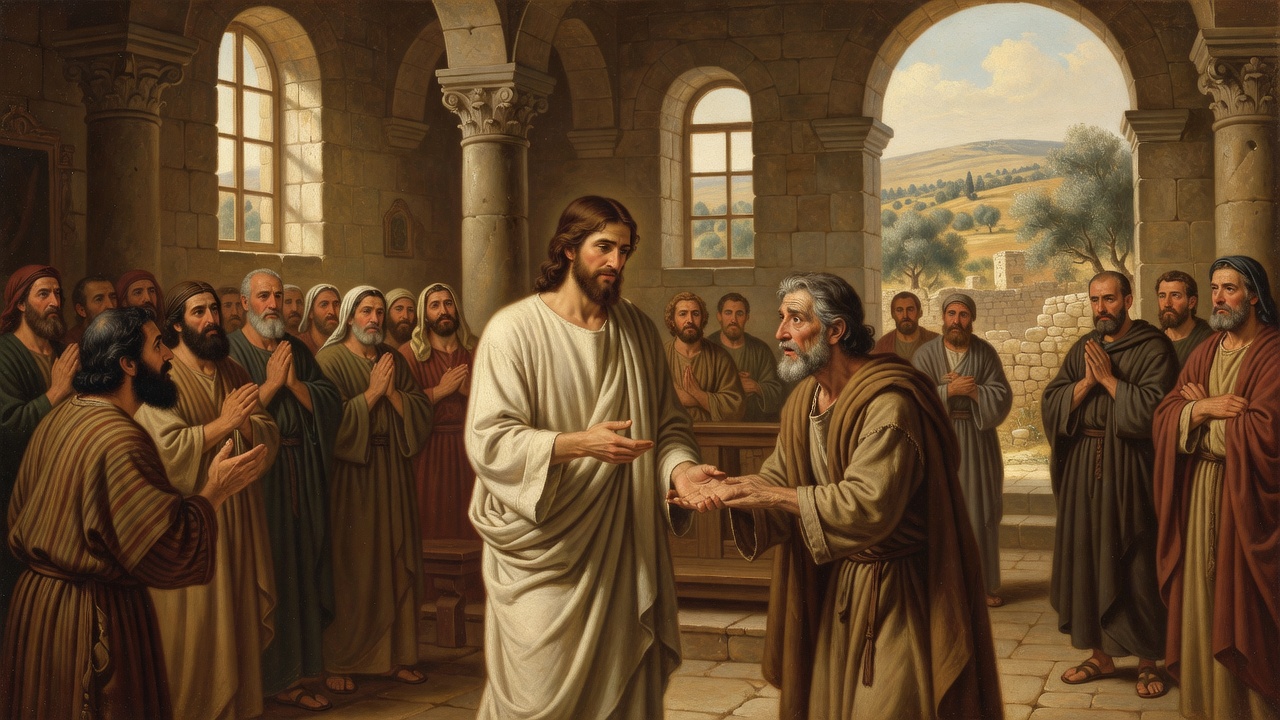
Did you know?
Lord of the Sabbath and Signs of the Kingdom
- When challenged by the Pharisees for plucking grain on the Sabbath, Jesus cited the Old Testament account of David eating the consecrated bread when he was hungry. He argued that human need and doing good take precedence over ritual regulations, declaring himself Lord of the Sabbath.Sources: the Bible text itself · David
- After casting out a demon from a blind and mute man, Jesus was accused of operating through Beelzebul, the prince of demons. Jesus rejected the charge, explaining that a divided kingdom or household cannot stand and that casting out demons by the Spirit of God demonstrates the arrival of God's kingdom.Sources: the Bible text itself · Satan
- In response to requests for a miraculous sign, Jesus pointed to the prophet Jonah, comparing Jonah's three days in the fish's belly to his own impending death and burial. He warned that the citizens of Nineveh and the Queen of the South would judge his generation because they responded to Jonah and Solomon, whereas someone greater was now present.Sources: the Bible text itself · Jonah · Nineveh · Solomon
Notes written with AI assistance from open sources (Theographic Bible Metadata, CC BY-SA 4.0; Easton’s Bible Dictionary, public domain) and reviewed before publishing.
Places in this chapter
Only places identified with high confidence are shown (90% or more according to the scholarly sources compiled by OpenBible). Period map: DARE (Digital Atlas of the Roman Empire), CC BY 4.0; modern map: © OpenStreetMap contributors; places: OpenBible.info (CC BY 4.0).
Credits and license for this translation
Luda yã takada kↄ̃n Bokobaru yão
The New Testament and portions of the Old Testament in the Bokobaru language of Nigeria
copyright © 2005 SIM International
Language: Bokobaru
Translation by: SIM
This translation text is made available to you under the
terms of the Creative Commons License: Attribution-Noncommercial-No Derivative Works.
( http://creativecommons.org/licenses/by-nc-nd/3.0/ )
In addition, you have permission to port the text to different file formats, as long as you
do not change any of the text or punctuation of the Bible.
You may share, copy, distribute, transmit, and extract portions
or quotations from this work, provided that you include the above copyright
information:
You must give Attribution to the work.
You do not sell this work for a profit.
You do not make any derivative works that change any of the actual words or punctuation of the Scriptures.
Permissions beyond the scope of this license may be
available if you contact
us with your request.
This translation is made available to you under the terms of the
Creative Commons Attribution-Noncommercial-No Derivatives license 4.0.
You may share and redistribute this Bible translation or extracts from it in any format, provided that:
You include the above copyright and source information.
You do not sell this work for a profit.
You do not change any of the words or punctuation of the Scriptures.
Pictures included with Scriptures and other documents on this site are licensed just for use with those Scriptures and documents.
For other uses, please contact the respective copyright owners.
2014-09-22
Source: http://ebible.org/bus/ · eBible.org