Joshua 8
Luda yã takada kↄ̃n Bokobaru yão · Tap a verse to see its cross-references.
Ai kaatɛna
1Dii bè Yↄsuanɛ: Ǹton tó vĩa n kũro. Ǹton bídi kɛro. Ǹ zĩ̀kpɛɛnↄ sɛ́ɛ ǹ gáńyo ń píngi, à lɛ́ɛ Aia, zaakɛ ma Ai kína nànnɛ n ↄzĩ kↄ̃n à gbɛ̃nↄ kↄ̃n à wɛ́tɛo kↄ̃n à bùsuo. 2Ǹ kɛ Ai kↄ̃n a kínaonɛ lán ń kɛ̀ Yɛriko kↄ̃n a kínaonɛ nà, mↄde é fↄ̃ à ń pↄ́nↄ kↄ̃n ń pↄ́kãdeenↄ sɛ́ɛ a pↄ́ ũ sa. Ǹ naɛńnɛ ń wɛ́tɛ kpɛɛ. 3Ben Yↄsua kↄ̃n a zĩ̀kpɛɛnↄ gàa wà lɛ́ɛ Aia ń píngi. À gↄ̃sagbãaanↄ sɛ̀ gↄ̃ↄn bↄrↄ baaakuri, ben à ń gbáɛ gwãavĩ 4à bèńnɛ: À swã kpá! À naɛńnɛ ń wɛ́tɛ kpɛɛ. Àton kɛ zã̀ wɛ́tɛ pìoro. Àgↄ̃ kú soru guu a píngi. 5Mapi kↄ̃n gbɛ̃ kɛ̀ aↄ̃ↄ kúmaonↄ wé sↄ̃ wɛ́tɛ pìzi. Tó aↄ̃ bↄ̀ dawalɛ, wégↄ̃ bàa lɛ́ńnɛ lán káaku bà. 6Aↄ̃é pɛ́wa ai aↄ̃é kɛ̃ ń wɛ́tɛa zã̀, zaakɛ aↄ̃égↄ̃ daa wée bàa lɛɛńnɛ lán káaku bàmɛ. Tó wée bàa lɛɛńnɛ lɛ, 7à fɛɛ a utɛkiia à wɛ́tɛ pì sí. Dii a Ludaa nàare a ↄzĩmɛ. 8Tó a wɛ́tɛ pì sì, à tɛ́ sↄ̃a lán Dii ò nà. À làakari kɛ, à kɛ lán má dìɛare nà.
9Ben Yↄsua ń gbáɛ, aↄ̃ gàa guu kɛ̀ aↄ̃é e wà ń zãmba kɛn. Aↄ̃ nàɛ Bɛtɛli kↄ̃n Aio dagura Ai ↄfãntɛ̃gɛ̃kpɛn kpa. Gwãavĩ beeea Yↄsua ì bùran gwe kↄ̃n a gbɛ̃nↄo. 10À fɛ̀ɛ kↄngↄ idɛ'idɛ à gbɛ̃nↄ kàkↄ̃a, ben àpi kↄ̃n Isaraili gbɛ̃nsinↄ dↄ̀ńnɛ aɛ ai aↄ̃ gàa káo Ai. 11Zĩ̀kpɛɛ kɛ̀ aↄ̃ↄ kúonↄ sↄ̃̀ wɛ́tɛ pìzi ń píngi. Kɛ̀ aↄ̃ kào kĩi, aↄ̃ bùra kàɛ à aɛ gu'igbãroo kpa. Guzurɛ kú ń dagura kↄ̃n Aio. 12Yↄsua gbɛ̃nↄ sɛ̀ bↄrↄ sↄↄro. À gĩakɛ à ń útɛ Bɛtɛli kↄ̃n Aio dagura kↄ̀ Ai ↄfãntɛ̃gɛ̃kpɛn kpa. 13Isarailinↄ bùra kàɛ wɛ́tɛ gu'igbãroo kpa, bensↄ̃ gbɛ̃ kɛ̀ aↄ̃ↄ naɛna pìnↄↄ kú wɛ́tɛ ↄfãntɛ̃gɛ̃kpɛn kpa. Gwãavĩ beeea Yↄsua ì guzurɛmmɛ.
14Kɛ̀ Ai kína Isarailinↄ è lɛ, àpi kↄ̃n a wɛ́tɛdeenↄ fɛ̀ɛ wà kɛ̀ kpaa wà gàańzi kↄ̃n zĩ̀o guu kɛ̀ aɛ dↄ̀ Araba gbáaa. À dↄ̃ kɛ̀ gbɛ̃nↄↄ naɛna a wɛ́tɛ kpɛɛro. 15Yↄsua kↄ̃n Isarailinↄↄ e kɛɛ lán wà be Aideenↄↄ e ń fuu bà, aↄ̃ↄe bàa lɛɛńnɛ aↄ̃ mì pɛ̀ gbáaa. 16Aideenↄ kↄ̃ sìsi ń píngi aↄ̃ bↄɛ wà pɛ́ Yↄsuanↄa, ben aↄ̃ pɛ̀ḿma ai aↄ̃ gàa wà kɛ̃̀ ń wɛ́tɛa zã̀azã. 17Gↄ̃gbɛ̃ kee e gↄ̃ wɛ́tɛ guuro, aↄ̃ bↄ̀ɛ wà pɛ̀ Isarailinↄa ń píngi, ben aↄ̃ ń wɛ́tɛ bĩilɛ tò wɛ̃na, aↄ̃ↄe pɛɛ Isarailinↄa.
18Dii bè Yↄsuanɛ: Ǹ sári kɛ̀ ń kũna dↄ Aia, zaakɛ má nànnɛ n ↄzĩmɛ. Ben Yↄsua a sári pì dↄ̀ Aia. 19Kɛ̀ à ↄ pòro lɛ, ben gbɛ̃ kɛ̀ aↄ̃ↄ naɛnanↄ fɛ̀ɛ wà sì wɛ́tɛn gↄ̃ↄ aↄ̃ↄ sì, ben aↄ̃ kɛ̀ kpaa wà tɛ́ sↄ̃̀a. 20Kɛ̀ Aideenↄ lìɛ wà ń kpɛɛ gwà, ben aↄ̃ↄ è tɛ́sukpɛ fɛ̀ɛ à dà ń wɛ́tɛla, ben aↄ̃ↄe gákii e dↄro, zaakɛ Isaraili kɛ̀ aↄ̃ bàa lɛ̀ wà mì pɛ̀ gbáaanↄ lìɛ wà aɛ dↄ̀ ń pɛmmari pìnↄa. 21Kɛ̀ Yↄsua kↄ̃n Isarailinↄↄ è ń gbɛ̃ kɛ̀ aↄ̃ↄ naɛnanↄ wɛ́tɛ sì bensↄ̃ tɛ́sukpɛ fɛ̀ɛ à dà wɛ́tɛla, ben aↄ̃ ɛ̀ara wà lɛ̀ɛ Aidee pìnↄa. 22Isaraili kpaaanↄ bↄ̀ɛ wɛ́tɛ pìn aↄ̃ gàa Aideenↄzi kↄ̃n zĩ̀o, ben aↄ̃ lìgańzi. Aↄ̃ lɛ̀ɛḿma, ben aↄ̃ gbɛ̃kee e e à bↄ̀ro, aↄ̃ gbɛ̃kee e e à bàa lɛ̀ro. 23Mↄde aↄ̃ Ai kína kũ̀ bɛ̃ɛ aↄ̃ gàao Yↄsuanɛ.
24Isarailinↄ Aideenↄ dɛ̀dɛ míↄmiↄ buraanↄa kↄ̃n sɛ̃̀tɛnↄ guu kɛ̀ aↄ̃ ń lén. Kɛ̀ aↄ̃ Aideenↄ dɛ̀dɛ kↄ̃n fɛ̃ɛdaao lɛ, ben aↄ̃ ɛ̀ara wà gɛ̃̀ wɛ́tɛ pìn, aↄ̃ gbɛ̃ kɛ̀ aↄ̃ gↄ̃̀ gweenↄ dɛ̀dɛ dↄ. 25Gbɛ̃ kɛ̀ aↄ̃ gàga zĩ pìanↄ gↄ̃gbɛ̃nↄ kↄ̃n nↄgbɛ̃nↄ ń píngi gↄ̃ↄn bↄrↄ kuri awɛɛplaamɛ. Aideenↄ sↄ̃ lɛ́n gwe. 26Yↄsua ↄↄ kɛ̀ à sári kũnao pì kpɛ́ dↄ ai wà gàa wà Aideenↄ dúgu zↄ̃o. 27Isarailinↄ wɛ́tɛ pì pↄ́kãdeenↄ kↄ̃n à pↄ́nↄ nàkↄ̃a wà tào lán Dii ò Yↄsuanɛ nà. 28Lɛn Yↄsua tɛ́ sↄ̃̀ Aia lɛ, à tò à gↄ̃̀ bɛzĩ ũ, ben à gↄ̃̀ da kori ai kↄ̃n a gbã̀ao. 29Ben à Ai kína lògo lía ai uusiɛ. Kɛ̀ ↄfãntɛ̃ e gɛ̃ɛ kpɛ́n, à bè wà à gɛ̀ bakɛ̃ lía wà zu wɛ́tɛ bĩilɛa gwe. Ben wà gbɛ̀ kàkↄ̃aa paripari, gbɛ̀didikↄ̃ana pì kú gwe ai kↄ̃n a gbã̀ao.
Dii bà kuuna kↄ̃n Isarailinↄ kɛkɛna Ebala kpiii musu
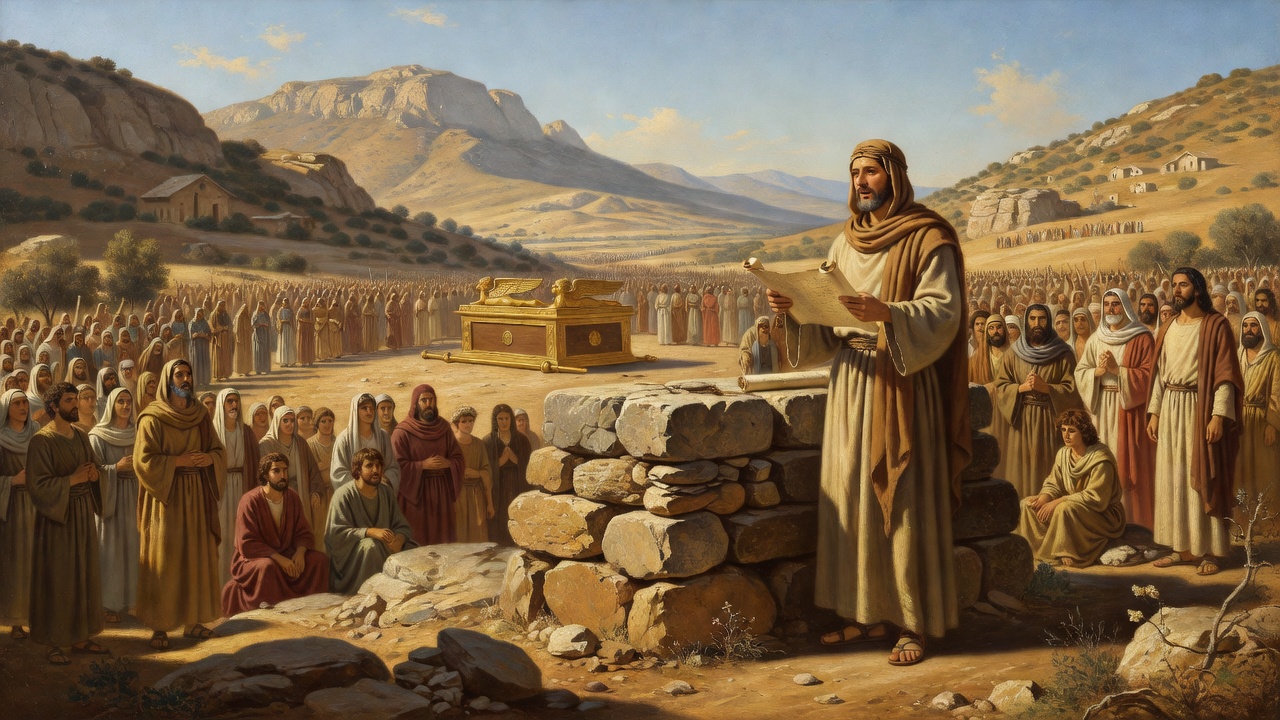
30Yↄsua Dii Isarailinↄ Luda gbãgbãkii bò Ebala kpiii musu 31lán Dii zↄ̀bleri Musa dìɛ Isarailinↄnɛ nà. À bò lán Musa kɛ̃̀ a doka takada guu nà, à bè wà bo kↄ̃n gbɛ̀ kɛ̀ wèe gã pɛ́ɛa wà àroonↄ. Ben wà sa'opↄ kɛ̀ wè ká tɛ́n à tɛ́ kũ ò Diia gwe kↄ̃n sáabukpana sa'opↄnↄ. 32Ben Yↄsua doka kɛ̀ Musa kɛ̃̀ pì kɛ̃̀ gbɛ̀ pìnↄa gwe Isarailinↄ wáa. 33Isarailinↄ píngi, bɛdeenↄ kↄ̃n bↄ̀amↄnↄ kↄ̃n ń gbɛ̃nsinↄ kↄ̃n ń dↄn'aɛdeenↄ kↄ̃n ń yãkpaɛkɛrinↄↄ zɛna àkpati saɛ ↄplazi kↄ̃n ↄzɛzio. Aↄ̃ aɛ dↄ̀ Levi bori sa'ori kɛ̀ aↄ̃ègↄ̃ Dii bà kuunańyo àkpati sɛnanↄa. Gbɛ̃ kpadoonↄ aɛ dↄna Gɛrizimu kpiiia, gbɛ̃ kpadoonↄ sↄ̃ Ebala kpiiia, lán Dii zↄ̀bleri Musa gĩakɛ à dìɛ wà sa maaa o Isarailinↄnɛ nà. 34Beee gbɛra Yↄsua dokayã pìnↄ kyó kɛ̀ńnɛ píngi, aubarika kɛ̀ Dii è dańgunↄ kↄ̃n kɛ̀ è bↄńgunↄo lán à kú Musa doka takada guu nà. 35Yã kɛ̀ Musa dìɛnↄ tɛ́ píngi, à kee e gↄ̃ kɛ̀ Yↄsua gì à kyó kɛ pariinɛziro. Baa nↄgbɛ̃nↄ kↄ̃n nɛ́ fétenↄ kↄ̃n bↄ̀amↄ kɛ̀ aↄ̃ↄ kú ń tɛ́nↄↄ kú gwe ń píngi.
Did you know?
The Fall of Ai and the Covenant at Mount Ebal
- Ai was the second Canaanite city captured by Israel, located east of Bethel. Joshua used the rugged terrain to set an ambush of troops between Bethel and Ai, feigning a retreat to draw out the defenders before signaling his men to seize and burn the city.Sources: Ai · Bethel (of Palestine) · the Bible text itself
- Following the battle, Joshua built an altar of uncut stones on Mount Ebal, precisely following instructions written in the Law of Moses that forbade using iron tools on altar stones. Burnt offerings and peace offerings were sacrificed there, and a copy of the law was inscribed on the stones.Sources: Mount Ebal · Moses · the Bible text itself
- The entire community of Israel—including native citizens, resident foreigners, women, and children—gathered in the valley between Mount Ebal and Mount Gerizim. Positioned on either side of the Ark of the Covenant, they listened as Joshua read all the blessings and curses of the law.Sources: Mount Ebal · Mount Gerizim · the Bible text itself
Notes written with AI assistance from open sources (Theographic Bible Metadata, CC BY-SA 4.0; Easton’s Bible Dictionary, public domain) and reviewed before publishing.
Places in this chapter
- Jericho · Today: Tell es Sultan · 31.872, 35.445 · verse 2
- Arabah · 30.417, 35.151 · verse 14
- Mount Ebal · 32.234, 35.273 · verses 30, 33
- Mount Gerizim · 32.199, 35.273 · verse 33
Only places identified with high confidence are shown (90% or more according to the scholarly sources compiled by OpenBible). Period map: DARE (Digital Atlas of the Roman Empire), CC BY 4.0; modern map: © OpenStreetMap contributors; places: OpenBible.info (CC BY 4.0).
Credits and license for this translation
Luda yã takada kↄ̃n Bokobaru yão
The New Testament and portions of the Old Testament in the Bokobaru language of Nigeria
copyright © 2005 SIM International
Language: Bokobaru
Translation by: SIM
This translation text is made available to you under the
terms of the Creative Commons License: Attribution-Noncommercial-No Derivative Works.
( http://creativecommons.org/licenses/by-nc-nd/3.0/ )
In addition, you have permission to port the text to different file formats, as long as you
do not change any of the text or punctuation of the Bible.
You may share, copy, distribute, transmit, and extract portions
or quotations from this work, provided that you include the above copyright
information:
You must give Attribution to the work.
You do not sell this work for a profit.
You do not make any derivative works that change any of the actual words or punctuation of the Scriptures.
Permissions beyond the scope of this license may be
available if you contact
us with your request.
This translation is made available to you under the terms of the
Creative Commons Attribution-Noncommercial-No Derivatives license 4.0.
You may share and redistribute this Bible translation or extracts from it in any format, provided that:
You include the above copyright and source information.
You do not sell this work for a profit.
You do not change any of the words or punctuation of the Scriptures.
Pictures included with Scriptures and other documents on this site are licensed just for use with those Scriptures and documents.
For other uses, please contact the respective copyright owners.
2014-09-22
Source: http://ebible.org/bus/ · eBible.org