Judges 8
Luda yã takada kↄ̃n Bokobaru yão · Tap a verse to see its cross-references.
1Ɛflaimunↄ Gidiↄn là wà bè: Bↄ́yãnzin ń kɛ̀we lɛzi? Kɛ̀ nɛ́ɛ gaa zĩ̀ ká kↄ̃n Midiãnↄ, ben nɛ́ɛ wa sísiroo? Ben aↄ̃ wisↄ̃̀zi lɛ pãsĩpãsĩ, 2ben à bèńnɛ: Bↄ́n má kɛ̀ kɛ̀ kà a pↄ́ ũu? A Ɛflaimunↄ geepi kↄ̃ↄwɛna maa dɛ wamↄwa Abiɛzanↄ geepikɛkɛnala. 3Luda Midiã kínanↄ Orɛbu kↄ̃n Zebuo nàare a ↄzĩ. Bↄ́n ma fↄ̃ má kɛ̀ kɛ̀ kà a pↄ́ ũu? Kɛ̀ à òńnɛ lɛ, ben aↄ̃ pↄfɛ̃ gbasa à kpàɛ sa.
Zɛba kↄ̃n Zalamunao dɛdɛna
4Gidiↄn kↄ̃n a gbɛ̃ gↄ̃ↄn wàa do kpɛ́ basↄↄroonↄↄ kpɛ́ wèe pɛɛɛ Midiãnↄzi, baa kɛ̀ aↄ̃ gbãaa bùsa. Kɛ̀ aↄ̃ kà Yodazi, ben aↄ̃ bikũ̀. 5Ben à bè Sukodeenↄnɛ: À ma gbɛ̃nↄ gba pↄ́blee. Aↄ̃ gbãaa bùsa bensↄ̃ má kpɛ́ mɛ́ɛ pɛɛɛ Midiã kínanↄ Zɛba kↄ̃n Zalamunaozi. 6Ben Suko gbɛ̃nsinↄ bè: Zɛba kↄ̃n Zalamunao gɛ̃̀ n ↄzĩ kↄ̀n yↄ́? À kɛ̀ dia wé n zĩ̀karinↄ gba pↄ́bleee? 7Gidiↄn wèńla à bè: Zaakɛ á ò lɛ, tó Dii Zɛba kↄ̃n Zalamunao nàmɛ ma ↄzĩ, mɛ́ a kɛ gyáigyai kↄ̃n gbáa lɛ̀o. 8Zaa gwe à gàa Pɛniɛli, ben à wɛ́ɛ kɛ̀ḿma lɛ dↄ. Pɛniɛlideenↄ wèàla lán Sukodeenↄ wèàla nàmɛ dↄ, 9ben à bèńnɛ se: Tó ma gaa ma su aafia, mɛ́ gudãkpaki lezĩ kɛ̀ gboro.
10Zɛba kↄ̃n Zalamunao kú Kako kↄ̃n ń zĩ̀karinↄ gↄ̃ↄn bↄrↄ gɛ̃ro. Ɔfãntɛ̃bↄɛ kpa zĩ̀kpɛɛ kɛ̀ aↄ̃ gↄ̃̀nↄn gwe. Aↄ̃ fɛ̃ɛdadeenↄ gàga gↄ̃ↄn bↄrↄ baswɛɛdo. 11Gidiↄn laatarinↄ zɛ́ sɛ̀ Nↄba kↄ̃n Yↄgbɛao ↄfãntɛ̃bↄɛ kpa, ben à sì zĩ̀kari pìnↄ tɛ́ gurↄↄ kɛ̀ aↄ̃ sã̀ ń zĩnda yãn. 12Midiã kína pìnↄ Zɛba kↄ̃n Zalamunao bàa lɛ̀, ben à pɛ̀ɛńzi à ń kũkũ, ben à tò ń zĩ̀karinↄ lɛ̀kↄ̃a ń píngi.
13Kɛ̀ Yoasi nɛ́ Gidiↄn bↄ̀ zĩ̀lan èe suu, à bↄ̀ɛ Ɛrɛsi Gbɛ̀kotozɛn, 14ben à Suko gↄ̃kparɛ ke kũ̀ à à làla yãzi, ben gↄ̃kparɛ pì Suko gbɛ̃nsinↄ tↄ́ kɛ̃̀nɛ takadan gↄ̃ↄn baaagↄ̃ akuri awɛɛswɛɛplaa. 15Ben Gidiↄn gàa à Sukodeenↄ lè à bè: Zɛba kↄ̃n Zalamunaon yɛ̀. A ma lalandi kɛ̀ yã a bè, Zɛba kↄ̃n Zalamunao e gɛ̃ ma ↄzĩ kↄ̀ro. É fↄ̃ à ma gbɛ̃ kɛ̀ ń gbãaa bùsanↄ gba pↄ́bleero. 16Ben à wɛ́tɛ pì gbɛ̃nsi pìnↄ kũ̀kũ à ń kɛ́ gyáigyai kↄ̃n gbáa lɛ̀o, aↄ̃ dↄ̃̀ ń mɛ̀a. 17Ben à gàa à Pɛniɛli gudãkpaki lezĩ gbòro à wɛ́tɛ gↄ̃gbɛ̃nↄ dɛ̀dɛ.
18Ben à Zɛba kↄ̃n Zalamunao là à bè: Gbɛ̃ kɛ̀ a ń dɛ́dɛ Tabonↄↄ dɛ diamɛ? Aↄ̃ wèàla wà bè: Aↄ̃ↄ dɛ lán n bàmɛ, aↄ̃ kakana dɛ lán kínɛnↄ bà. 19Ben Gidiↄn bèńnɛ: Ma vĩ̀i dadↄ̃nkↄ̃deenↄn gwe. Tó a ń tó yã, kↄ̃n Diio mɛ́ a dɛdɛro. 20Ben à bè a daudu Yɛtanɛ: Ǹ fɛɛ ǹ ń dɛdɛ. Nɛ́ pì e a fɛ̃ɛdaa wotoro, vĩa à kũ̀, zaakɛ nɛ́ fétemɛ. 21Ben Zɛba kↄ̃n Zalamunao bè: Ǹ fɛɛ ǹ wa dɛdɛ n zĩnda. Baade kↄ̃n a gbãaaomɛ. Ben Gidiↄn fɛ̀ɛ à ń dɛ́dɛ à mↄ̀ kã̀mbɛɛ kɛ̀ da ń lakuminↄ waalɛ bↄ̀ɛ.
22Isarailinↄ bè Gidiↄnnɛ: Ǹ gↄ̃ wa mìdee ũ kↄ̃n n boriinↄ. Zaakɛ ḿbe n wa bↄ Midiãnↄ ↄzĩ. 23Ben Gidiↄn bèńnɛ: Mɛ́ gↄ̃ a mìdee ũro, baa ma nɛ́. Diin a kí ũ. 24Ben à ɛ̀ara à bèńnɛ: Mɛ́ɛ wɛ́ɛ kɛɛawa: A baade swãi kɛ̀ à sìḿma kpáma mɛ̀n doodo. Midiãnↄ ègↄ̃ vura swãi dana, zaakɛ Sumaila boriinↄmɛ. 25Aↄ̃ bènɛ: Wé kpámma kↄ̃n nↄ̀sɛo do. Aↄ̃ bisa kpàɛ, ben baade swãi kɛ̀ à sìḿmanↄ dàn mɛ̀n doodo. 26Vura swãi kɛ̀ à gbèkaḿma pìnↄ tìisi kà kilo baro, mↄ̀kãmbɛɛnↄ kↄ̃n swãinↄ kↄ̃n gumusu tɛ̃aa kɛ̀ Midiã kínanↄↄ dananↄ kↄ̃n mↄ̀kãmbɛɛ kɛ̀ da ń lakuminↄ waalɛnↄ baasi. 27Ben à pì màsokɛbↄ ũ à pɛ̀ɛ a bɛ wɛ́tɛn zaa Ɔfla. Ben Isarailinↄ pãpãa kɛ̀ wà dↄ̀zi ń píngi, ben à gↄ̃̀ takutɛɛ ũ Gidiↄnnɛ kↄ̃n à bɛdeenↄ.
28Lɛn Isarailinↄ Midiãnↄ gbãaa bùsa lɛ. Midiãnↄↄ e e wà mì bↄ̀ dↄro. Ben Isarailinↄ bùsu gↄ̃̀ kaɛna aafia Gidiↄn gurↄ ai wɛ̃̀ baplaa.
Gidiↄn gana
29Yoasi nɛ́ Gidiↄn gàa à vɛ̃̀ɛ a bɛ. 30À nɛ́gↄ̃gbɛ̃ kɛ̀ à ń ínↄ gↄ̃ↄn baaagↄ̃ akurimɛ, zaakɛ à nↄↄnↄↄ pari. 31À nↄpↄsɛɛ vĩ dↄ zaa Sɛkɛmu kɛ̀ à nɛ́gↄ̃gbɛ̃ ìo, ben wà tↄ́ kpànɛ Abimɛlɛki. 32Yoasi nɛ́ Gidiↄn gà a zikũmmɛ, ben wà à mira kpàkↄ̃zi kↄ̃n a de pↄ́o zaa Ɔfla Abiɛza.
33Kɛ̀ Gidiↄn gà gↄ̃ↄ, ben Isarailinↄ ɛ̀ara wà pãpãa kɛ̀ wà dↄ̀ Baalizi. Ben aↄ̃ tãa kɛ̀ wè be Baalibaakuwao pɛ̀ɛ ń dii ũ, 34ben Dii ń Luda kɛ̀ à ń bↄ́ ń ibɛɛ kɛ̀ aↄ̃ↄ ligańzi kpa píngianↄ ↄzĩ yã sã̀ńgu. 35Aↄ̃ↄe gbɛ̃kɛɛ kɛ Gidiↄn kɛ̀ wè benɛ dↄ Yerubaali bɛdeenↄnɛ yã maaa kɛ̀ à kɛ̀ńnɛ píngi musuro.
Did you know?
The Pursuit of Midian and Gideon’s Later Years
- When the tribe of Ephraim angrily complained about not being summoned earlier to battle, Gideon defused the conflict with a diplomatic metaphor. He compared the 'gleanings of Ephraim'—their capture of the Midianite princes Oreb and Zeeb—favorably against the entire 'grape harvest' of his own clan, Abiezer.Sources: the Bible text itself · Gideon · Abiezer · Oreb
- The towns of Succoth and Penuel, located east of the Jordan River near the Jabbok, refused to give food to Gideon’s exhausted force of three hundred men. Fearing retribution if the Midianite kings Zebah and Zalmunna prevailed, their leaders withheld aid, prompting Gideon to punish both cities after his victory.Sources: the Bible text itself · Succoth · Penuel · Zebah
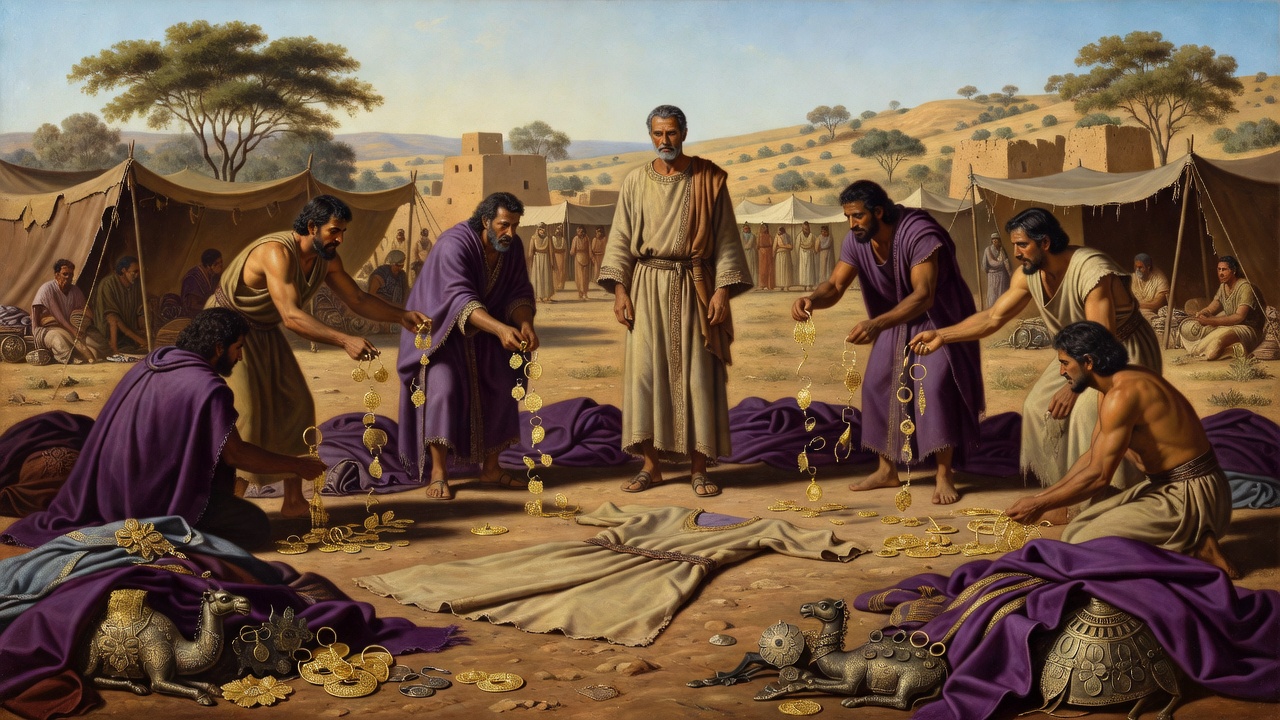
- Although Gideon rejected the offer of dynastic kingship over Israel by affirming that God alone should rule, he asked for the golden earrings plundered from the defeated nomadic invaders. With this gold he crafted an ephod for his hometown of Ophrah, which eventually became a snare of idolatrous worship for Israel.Sources: the Bible text itself · Ophrah · Gideon
Notes written with AI assistance from open sources (Theographic Bible Metadata, CC BY-SA 4.0; Easton’s Bible Dictionary, public domain) and reviewed before publishing.
Places in this chapter
- Midian · 28.495, 35.012 · verses 1, 3, 5, 12, 22, 26, 28
- Abiezer · Today: about 15 km around Afula · 32.606, 35.290 · verse 2
- Jordan · Today: Jordan River · 31.761, 35.558 · verse 4
- East · Today: region around Amman · 31.955, 35.934 · verse 10
- Mount Tabor · Today: Jebel et Tur · 32.686, 35.393 · verse 18
- Shechem · Today: Tell Balatah · 32.214, 35.282 · verse 31
Only places identified with high confidence are shown (90% or more according to the scholarly sources compiled by OpenBible). Period map: DARE (Digital Atlas of the Roman Empire), CC BY 4.0; modern map: © OpenStreetMap contributors; places: OpenBible.info (CC BY 4.0).
Credits and license for this translation
Luda yã takada kↄ̃n Bokobaru yão
The New Testament and portions of the Old Testament in the Bokobaru language of Nigeria
copyright © 2005 SIM International
Language: Bokobaru
Translation by: SIM
This translation text is made available to you under the
terms of the Creative Commons License: Attribution-Noncommercial-No Derivative Works.
( http://creativecommons.org/licenses/by-nc-nd/3.0/ )
In addition, you have permission to port the text to different file formats, as long as you
do not change any of the text or punctuation of the Bible.
You may share, copy, distribute, transmit, and extract portions
or quotations from this work, provided that you include the above copyright
information:
You must give Attribution to the work.
You do not sell this work for a profit.
You do not make any derivative works that change any of the actual words or punctuation of the Scriptures.
Permissions beyond the scope of this license may be
available if you contact
us with your request.
This translation is made available to you under the terms of the
Creative Commons Attribution-Noncommercial-No Derivatives license 4.0.
You may share and redistribute this Bible translation or extracts from it in any format, provided that:
You include the above copyright and source information.
You do not sell this work for a profit.
You do not change any of the words or punctuation of the Scriptures.
Pictures included with Scriptures and other documents on this site are licensed just for use with those Scriptures and documents.
For other uses, please contact the respective copyright owners.
2014-09-22
Source: http://ebible.org/bus/ · eBible.org