Judges 2
Luda yã takada kↄ̃n Bokobaru yão · Tap a verse to see its cross-references.
Dii Malaika bↄ à mↄna Isarailinↄzi zaa Bokimu
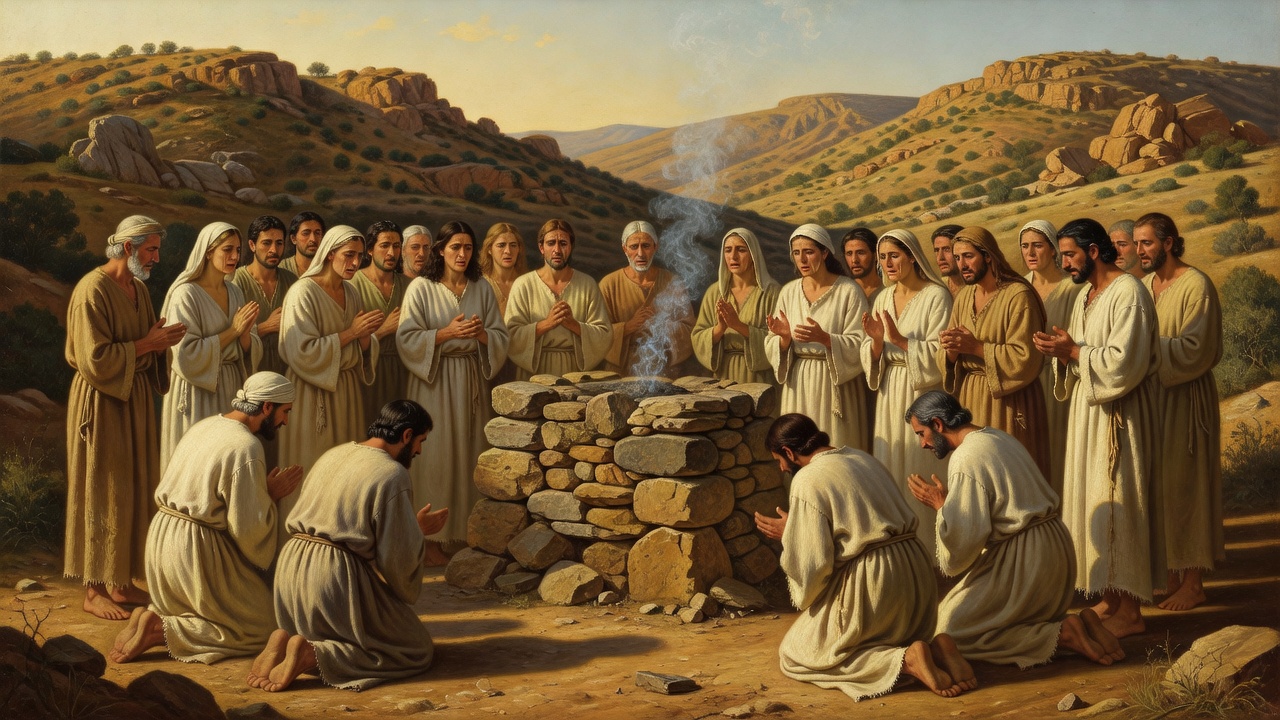
1Dii Malaika bↄ̀ Giligala à gàa Bokimu à bè: Ma a bↄɛ Igipiti, ma gɛ̃ao bùsu kɛ̀ ma la dà a dezinↄnɛ kɛ̀kii guu. Ma bè mɛ́ ma bà kuunaao yã gboro zikiro. 2Má òare a yã tón kakↄ̃a kↄ̃n bùsu kɛ̀ deenↄoro. Má òare à ń sa'okiinↄ gboro, ben ée ma yã maro. À kɛ̀ dia á kɛ̀ lɛɛ? 3Tↄ̀! Mɛ́ɛ ooare, mɛ́ pɛ́ḿmaare dↄro. Aↄ̃égↄ̃ dɛare lɛ̀ ũ a gbã̀ntɛ̃a bensↄ̃ aↄ̃ tãanↄ égↄ̃ dɛare takutɛɛ ũ. 4Kɛ̀ Dii Malaika yã pì ò Isarailinↄnɛ, aↄ̃ ↄ́ↄ dↄ̀ gbãngbãn. 5Ben aↄ̃ tↄ́ kpà guu pìnɛ Bokimu, ben aↄ̃ saa ò Diia gwe.
Isarailinↄ kpɛɛlina Ludanɛ
6Yↄsua gbɛ̃nↄ gbarɛna gbɛra baade gàa à guu kɛ̀ wà kpàa túbi ũu kũ̀. 7Aↄ̃ dↄ̀ Diizi Yↄsua gurↄↄa píngi kↄ̃n gbɛ̃nsi kɛ̀ aↄ̃ↄ kuu à gbɛraanↄ gurↄo dↄ. Gbɛ̃nsi pìnↄ wɛ́ɛ sì yã bíta kɛ̀ Dii kɛ̀ Isarailinↄnɛlɛ píngi. 8Kɛ̀ Dii zↄ̀bleri Nuni nɛ́ Yↄsua kɛ̀ wɛ̃̀ basↄↄro akuri, ben à gà. 9Wà à vĩ̀i guu kɛ̀ dɛ à túbi ũu guu zaa Timina Ɛrɛsi, Ɛflaimunↄ gukpiideen, Gaasi kpii gu'igbãroo kpa.
10Kɛ̀ Yↄsua gurↄ gbɛ̃nↄ gàga ń píngi, nɛ́ kɛ̀ aↄ̃ fɛ̀ɛ ń gbɛraanↄↄ Dii dↄ̃ro, bensↄ̃ aↄ̃ yã kɛ̀ à kɛ̀ ń dezinↄnɛ dↄ̃ro. 11Ben aↄ̃ yã kɛ̀ zaa Diinɛ kɛ̀ aↄ̃ dↄ̀ tãanↄzi. 12Aↄ̃ pã kpà Dii ń dezinↄ Luda kɛ̀ à ń bↄ́ɛ Igipitizi, aↄ̃ tɛ̀ borii kɛ̀ aↄ̃ↄ ligańzinↄ tãanↄzi aↄ̃ dↄnzi kɛ̀ńnɛ, ben aↄ̃ Dii pↄↄ fɛ̃̀. 13Aↄ̃ pã kpàzi aↄ̃ dↄ̀ Baalizi kↄ̃n Asatorɛo. 14Ben Dii pↄ fɛ̃̀ńzi à ń ná ń wɛ́ɛtãmmarinↄnɛ ń ↄzĩ aↄ̃ ń wáa. À ń kpá ń ibɛɛ kɛ̀ aↄ̃ↄ ligańzinↄa, ben aↄ̃ↄe fↄ̃ wà gì ń zĩndao ń ibɛɛ pìnↄ ↄzĩro. 15Gurↄↄ kɛ̀ aↄ̃ gàa zĩ̀ ká píngi, Dii è bↄ ń kpɛɛmɛ lɛ yã tón bↄńyo nnaro yãnzi, lán à dàńnɛ ń swãla nà, ben aↄ̃ gↄ̃̀ wɛ́ɛtãmma bíta guu.
16Ben Dii yãgↄ̃gↄ̃rinↄ bↄ̀bↄ ń tɛ́ lɛ aↄ̃ ń sí ń wɛ́ɛtãmmarinↄa. 17Mↄde aↄ̃è ń yãgↄ̃gↄ̃ri pìnↄ yã maro, aↄ̃ pãpãa kɛ̀ wà dↄnzi kɛ̀ tãanↄnɛ. Aↄ̃ kɛ̃̀ zɛ́ kɛ̀ ń dezinↄ sɛ̀a kpakpaa, aↄ̃ègↄ̃ yã kɛ̀ Dii dìɛńnɛnↄ kũna lán ń dezi pìnↄ bàro. 18Tó Dii yãgↄ̃gↄ̃ri bↄ̀ ń tɛ́, ègↄ̃ kú kↄ̃n yãgↄ̃gↄ̃ri pìo, ben ègↄ̃ ń sí ń ibɛɛnↄ ↄzĩ ai yãgↄ̃gↄ̃ri pì wɛ̃̀ndi lɛ́n, zaakɛ tó aↄ̃ m̀bo gbɛ̃ kɛ̀ aↄ̃ↄe ↄ tↄ̃ↄḿma aↄ̃ↄe ĩa daḿmanↄ yãnzi, Dii è ń wɛ̃nda gwamɛ. 19Tó yãgↄ̃gↄ̃ri gà sↄ̃, aↄ̃è ɛara wà yaka dɛ ń denↄlamɛ. Aↄ̃è dↄ tãanↄzi aↄ̃è ń gbãgbã aↄ̃è dↄnzi kɛńnɛ. Aↄ̃è ń yãzaakɛna pìnↄ kↄ̃n ń swãgbãaao tóro.
20Ben Dii pↄ fɛ̃̀ńzi à bè: Zaakɛ borii kɛ̀ ma bà kuuna kↄ̃n ń dezinↄ yã gbòro aↄ̃ↄe ma yã maro, 21mɛ́ pɛ́ńnɛ borii kɛ̀ Yↄsua gà à ń tó ń bùsunnↄ kea dↄro. 22Mɛ́ ń swi kɛ Isarailinↄa lɛ mà ń yↄ̃ mà gwa, tó aↄ̃é ma zɛ́ sɛ́ aↄ̃gↄ̃ ma yã kũna lán ń dezinↄ kũ̀ nà, ke tó aↄ̃é kɛ lɛro. 23Beee yãnzin Dii borii pìnↄ tò gwezi. Èe ń na Yↄsuanɛ a ↄzĩ à pɛ̀ḿma gↄ̃ↄro.
Did you know?
Israel's Cycle of Disobedience and the Judges
- The name Bochim means "weepers." The site, likely situated between Gilgal and Shiloh, received this name after the Israelites wept aloud when the angel of the Lord rebuked them for making compromises with the inhabitants of the land.Sources: Bochim · the Bible text itself
- Joshua was buried at Timnath-heres, which means "portion of the sun," located north of the hill of Gaash in the hill country of Ephraim. He had led the Israelites following the death of Moses and died at the age of 110.Sources: Timnath-heres · Gaash · Joshua · the Bible text itself
- The term Baalim is the plural form referring to local manifestations of Baal, the principal male deity of the Phoenicians. Judges 2 establishes the book's recurring cycle: Israel abandons the Lord for regional gods, suffers under enemies, and is delivered when God raises up a judge.Sources: Baal · the Bible text itself
Notes written with AI assistance from open sources (Theographic Bible Metadata, CC BY-SA 4.0; Easton’s Bible Dictionary, public domain) and reviewed before publishing.
Places in this chapter
Only places identified with high confidence are shown (90% or more according to the scholarly sources compiled by OpenBible). Period map: DARE (Digital Atlas of the Roman Empire), CC BY 4.0; modern map: © OpenStreetMap contributors; places: OpenBible.info (CC BY 4.0).
Credits and license for this translation
Luda yã takada kↄ̃n Bokobaru yão
The New Testament and portions of the Old Testament in the Bokobaru language of Nigeria
copyright © 2005 SIM International
Language: Bokobaru
Translation by: SIM
This translation text is made available to you under the
terms of the Creative Commons License: Attribution-Noncommercial-No Derivative Works.
( http://creativecommons.org/licenses/by-nc-nd/3.0/ )
In addition, you have permission to port the text to different file formats, as long as you
do not change any of the text or punctuation of the Bible.
You may share, copy, distribute, transmit, and extract portions
or quotations from this work, provided that you include the above copyright
information:
You must give Attribution to the work.
You do not sell this work for a profit.
You do not make any derivative works that change any of the actual words or punctuation of the Scriptures.
Permissions beyond the scope of this license may be
available if you contact
us with your request.
This translation is made available to you under the terms of the
Creative Commons Attribution-Noncommercial-No Derivatives license 4.0.
You may share and redistribute this Bible translation or extracts from it in any format, provided that:
You include the above copyright and source information.
You do not sell this work for a profit.
You do not change any of the words or punctuation of the Scriptures.
Pictures included with Scriptures and other documents on this site are licensed just for use with those Scriptures and documents.
For other uses, please contact the respective copyright owners.
2014-09-22
Source: http://ebible.org/bus/ · eBible.org