Genesis 47
Luda yã takada kↄ̃n Bokobaru yão · Tap a verse to see its cross-references.
Isarailinↄ vɛ̃ɛna Igipiti
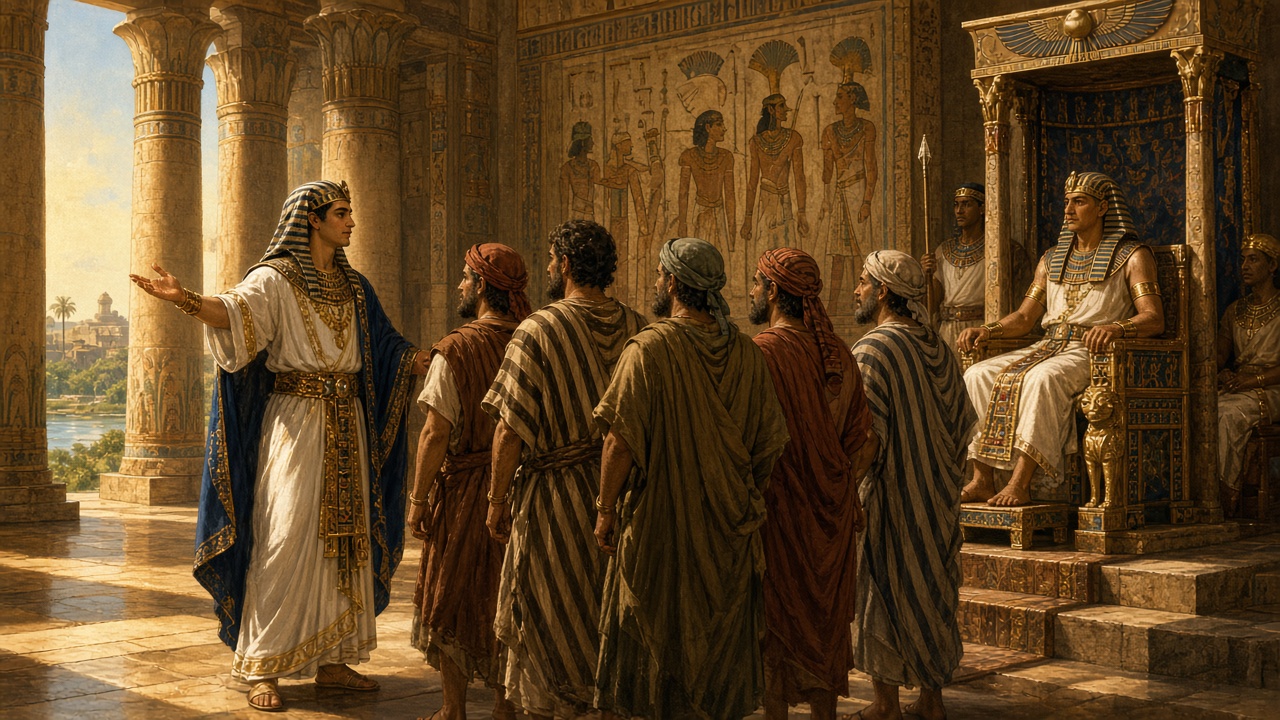
1Yusufu gàa à yã ò Fili'aunanɛ à bè: Ma vĩ̀inↄ bↄ̀ Kanaa bùsun kↄ̃n ń sãanↄ kↄ̃n ń blènↄ kↄ̃n ń zùnↄ kↄ̃n pↄ́ kɛ̀ aↄ̃ↄ vĩinↄ píngi, aↄ̃ mↄ̀ Gosɛ̃ bùsun. 2Ben à a vĩ̀inↄ sɛ̀ gↄ̃ↄn sↄↄro à ń ↄdↄa Fili'aunanɛ. 3Fili'auna ń lá à bè: Bↄ́ zĩin eè kɛɛ? Aↄ̃ wèàla wà bè: Wamↄwa n zↄ̀blerinↄ, sãdãrinↄn wa ũ lán wa dezinↄ bà. 4Ben aↄ̃ bènɛ: Wa mↄ vɛ̃ɛ bùsun kɛ̀ gurↄ plaamɛ, zaakɛ dekaa kú Kanaa bùsun maamaa, sɛ̃̀ kuu kɛ̀ wa sãanↄ blero. Wamↄwa n zↄ̀blerinↄ, ǹ wa gba zɛ́ wà vɛ̃ɛ Gosɛ̃ bùsun. 5Ben Fili'auna bè Yusufunɛ: Lán n de kↄ̃n n vĩ̀inↄ sù n kiia nà, 6ǹ ń káɛ Igipiti gu maaan. Aↄ̃ vɛ̃ɛ Gosɛ̃ bùsun. Tó làakarideenↄↄ kú ń tɛ́, ǹ ma pↄ́nↄ nańnɛ ń ↄzĩ.
7Ben Yusufu a de Yakubu sɛ̀ à gàa à ↄ̀dↄa Fili'aunanɛ. Ben Yakubu sa maaa ònɛ. 8Fili'auna à là à bè: N ka wɛ̃̀n gbaa? 9À wèàla à bè: Ma kuuna anduna guu wɛ̃̀ baswɛɛdo akurideen yɛ̀. Ma wɛ̃̀ e ká ma dezinↄ pↄ́ ũro, ben à yã'ↄ̃amma vĩ. 10À sa maaa ò Fili'aunanɛ dↄ, ben à bↄ̀ à kiia.
11Yusufu a de kↄ̃n a vĩ̀inↄ kàɛ Igipiti bùsu gu maaan, à ń gbá bùsu kɛ̀ Ramɛsɛ dɛ à wɛ́tɛdaa ũ lán Fili'auna ò nà. 12Yusufu blɛwɛɛ kpà a dea kↄ̃n a vĩ̀inↄ kↄ̃n a de bɛdeenↄ ń píngi ua kↄ̃n uao ń pari lɛ́n.
Dekaa gbãakũna
13Dekaa kɛ̀ gbãa, blɛwɛɛ kú gukearo. Igipitinↄ kↄ̃n Kanaanↄ gbãaa yã̀a. 14Wèe blɛwɛɛ luu, ben Yusufu ↄↄ kɛ̀ kú Igipiti kↄ̃n Kanaao sì píngi à tào Fili'auna bɛ. 15Kɛ̀ Igipitinↄ kↄ̃n Kanaanↄ ↄↄ yã̀a, Igipitinↄ mↄ̀ Yusufu kiia ń píngi aↄ̃ bè: Ɔↄ kuu dↄro. Ǹ wa gba blɛwɛɛ. Ǹton tó wà ga n wáaro. 16Yusufu bè: Lán ↄↄ kuuro nà, à mↄ́ kↄ̃n a pↄ́kãdeenↄ, mɛ́ blɛwɛɛ kpáawa à musu. 17Ben aↄ̃ mↄ̀ Yusufunɛ kↄ̃n pↄ́kãdeenↄ, ben à blɛwɛɛ kpàḿma sↄ̃nↄ kↄ̃n sãanↄ kↄ̃n blènↄ kↄ̃n zùnↄ kↄ̃n zaakinↄ musu. Wɛ̃̀ beeea à blɛwɛɛ kpàḿma ń pↄ́kãdeenↄ musumɛ.
18Kɛ̀ wɛ̃̀ beee gɛ̃̀tɛ, ben aↄ̃ mↄ̀ à kiia à wɛ̃̀ làa wà bènɛ: Dii, wé fↄ̃ wà yãke utɛnnɛro. Ɔↄ yã̀a, ben wa pↄ́kãdeenↄ gↄ̃̀ n pↄ́ ũ. Pↄ́kee e gↄ̃ wà kpámmaro, wapinↄ kↄ̃n wa buraanↄ baasiro. 19Ǹton tó wà ga n wáa kↄ̃n wa buraanↄro. Ǹ wa lú kↄ̃n wa buraanↄ ǹ fĩa bo kↄ̃n blɛwɛɛo wà gↄ̃ Fili'auna zↄ̀nↄ ũ, wapinↄ kↄ̃n wa buraanↄ. Ǹ wa gba blɛwɛɛ lɛ wàton garo wàgↄ̃ kuu, lɛ dↄ wa buraanↄ tón gↄ̃ taagaa ũro. 20Ben Yusufu Igipiti buraanↄ lù Fili'aunanɛ píngi, zaakɛ Igipitinↄ baade a buraa yà, kɛ̀ nↄaa ń kũ gbãa yãnzi, ben bùsu gↄ̃̀ Fili'auna pↄ́ ũ. 21Yusufu Igipitinↄ sì zↄ̀nↄ ũ ń píngi zaa ń bùsu lɛ́n kɛ̀ gana à lɛ́ kãa. 22Mↄde èe sa'orinↄ buraanↄ lúro, zaakɛ Fili'auna dìɛ àgↄ̃ blɛwɛɛ kpáḿma gurↄ sãnda píngi. Lán aↄ̃ↄ kú kↄ̃n blɛwɛɛ kɛ̀ Fili'auna è kpáḿmao nà, aↄ̃ↄe ń buraanↄ yáro.
23Ben Yusufu bè gbɛ̃nↄnɛ: Ma a lu kↄ̃n a buraanↄ sa, a gↄ̃ Fili'auna pↄ́ ũ. Blɛwɛɛn yɛ̀. À gá à tↄ̃. 24Pↄ́kɛ̃gurↄ àgae à lɛo sↄↄrode kpá Fili'aunaa, à kpaa é gↄ̃are blɛwɛɛ ũ kↄ̃n pↄ́bleeo. Àgae beee ble kↄ̃n a nɛ́nↄ kↄ̃n a bɛdeenↄ a píngi. 25Ben aↄ̃ bè: N wa mì sì. Ǹ tó wà n pↄnnaa e dii, wà gↄ̃ Fili'auna zↄ̀nↄ ũ. 26Ben Yusufu yã dìɛ Igipiti à bè, burapↄ lɛo sↄↄrodee égↄ̃ dɛ Fili'auna pↄ́ ũ. Yã pì kuu ai kↄ̃n a gbã̀ao. Sa'orinↄ bùsu bé èe gↄ̃ Fili'auna pↄ́ ũro ado.
Yakubu wɛ́ɛkɛna zãa
27Isarailinↄↄ kú Gosɛ̃ bùsun zaa Igipiti. Aↄ̃ ń zĩnda tↄↄtɛ vĩ gwe, ben aↄ̃ nɛ́ ì wà kàara maamaa. 28Yakubu kɛ̀ wɛ̃̀ gɛ̃ro awɛɛplaa Igipiti, à wɛ̃̀ píngipingi baswɛɛplaa awɛɛswɛɛplaamɛ. 29Kɛ̀ à kà gana, à a nɛ́ Yusufu sìsi, ben à bènɛ: N yã nna! Tó ma n pↄnnaa è, ǹ n ↄↄ da ma gbáda gbáru ǹ gbɛ̃kɛ kↄ̃n náanɛo yã kɛmɛ. Ǹton ǹ ma vĩi Igipitiro. 30Tó ma ka ma dezinↄla, ǹ ma sɛ́ ǹ bↄmao Igipiti kɛ̀ ǹ ma vĩi ma dezi pìnↄ mirawɛɛn. Ben Yusufu bènɛ: Mɛ́ yã kɛ̀ ń ò kɛnnɛ. 31Ben Yakubu bè: Ǹ la damɛ. Kɛ̀ à la dànɛ, ben Yakubu gbãa è a gòa à dↄnzi kɛ̀.
Did you know?
A Home in Goshen
- Joseph settled his father and brothers in Goshen, the region Pharaoh called the best part of the land. The same district is also called the land of Rameses; it lay east of the Nile, apparently not far from the royal residence, though the region is now desert.Sources: the Bible text itself · Goshen · Rameses
- When Pharaoh asked their occupation, Joseph’s brothers answered that they were shepherds, as their fathers had been, and they asked to stay in Goshen because the famine in Canaan had left no pasture for their flocks. Easton’s Bible Dictionary (1897) identifies the Pharaoh of Joseph’s day as probably Apopi, the last Hyksos king, and notes that shepherds were an abomination to the native Egyptians, while these Asiatic shepherds were welcomed by the Hyksos; some instead place Joseph in the reign of Thothmes III, long after the Hyksos.Sources: the Bible text itself · Pharaoh (of Joseph)
- As the famine exhausted Egypt and Canaan, Joseph took payment first in money, then in livestock, and finally in land, so that the fields became Pharaoh’s and the people were reduced to servitude. He did not take the priests’ land, since Pharaoh already supplied their rations, and he established that a fifth of the produce belonged to Pharaoh.Sources: the Bible text itself
Notes written with AI assistance from open sources (Theographic Bible Metadata, CC BY-SA 4.0; Easton’s Bible Dictionary, public domain) and reviewed before publishing.
Places in this chapter
- Canaan · 32.767, 35.333 · verses 1, 4, 13, 14, 15
- Goshen · Today: Goshen 1 · 30.799, 31.834 · verses 1, 4, 6, 27
- Egypt · 30.129, 31.308 · verses 4, 6, 11, 13, 14, 15, 20, 21, 26, 27, 28, 29, 30
Only places identified with high confidence are shown (90% or more according to the scholarly sources compiled by OpenBible). Period map: DARE (Digital Atlas of the Roman Empire), CC BY 4.0; modern map: © OpenStreetMap contributors; places: OpenBible.info (CC BY 4.0).
Credits and license for this translation
Luda yã takada kↄ̃n Bokobaru yão
The New Testament and portions of the Old Testament in the Bokobaru language of Nigeria
copyright © 2005 SIM International
Language: Bokobaru
Translation by: SIM
This translation text is made available to you under the
terms of the Creative Commons License: Attribution-Noncommercial-No Derivative Works.
( http://creativecommons.org/licenses/by-nc-nd/3.0/ )
In addition, you have permission to port the text to different file formats, as long as you
do not change any of the text or punctuation of the Bible.
You may share, copy, distribute, transmit, and extract portions
or quotations from this work, provided that you include the above copyright
information:
You must give Attribution to the work.
You do not sell this work for a profit.
You do not make any derivative works that change any of the actual words or punctuation of the Scriptures.
Permissions beyond the scope of this license may be
available if you contact
us with your request.
This translation is made available to you under the terms of the
Creative Commons Attribution-Noncommercial-No Derivatives license 4.0.
You may share and redistribute this Bible translation or extracts from it in any format, provided that:
You include the above copyright and source information.
You do not sell this work for a profit.
You do not change any of the words or punctuation of the Scriptures.
Pictures included with Scriptures and other documents on this site are licensed just for use with those Scriptures and documents.
For other uses, please contact the respective copyright owners.
2014-09-22
Source: http://ebible.org/bus/ · eBible.org