Genesis 26
Luda yã takada kↄ̃n Bokobaru yão · Tap a verse to see its cross-references.
Isaaku kↄ̃n Abimɛlɛkio
1Dekaa kà bùsu pìn à káakupↄ kɛ̀ kà Ibraĩ gurↄↄ baasi, ben Isaaku fɛ̀ɛ à gàa Filisitininↄ kí Abimɛlɛki kiia Gera. 2Ben Dii bↄ̀ à mↄ̀zi à bè: Ǹton tá Igipitiro, ǹ vɛ̃ɛ guu kɛ̀ mɛ́ onnɛɛn. 3Ǹgↄ̃ kú bùsu kɛ̀kiin gĩa, mɛ́gↄ̃ kúnyo mà aubarika kɛnnɛ. Mɛ́ bùsu kɛ̀kii kpámma píngi kↄ̃n n boriinↄ, mɛ́ lù kɛ̀ má sɛ̀ n denɛ papannɛ. 4Mɛ́ n borii kaara lán sↄsↄnɛnↄ bà, mɛ́ bùsu kɛ̀kii kpáḿma píngi. Borii kɛ̀ aↄ̃ↄ kú tↄↄtɛnↄ é aubarika e n borii gãzĩ ń píngi 5kɛ̀ Ibraĩ ma yã mà yãnzi. À ma ↄdↄkii gwà, ben à yã kɛ̀ má dìɛnↄ kũna kↄ̃n ma yãdannɛnanↄ kↄ̃n ma dokayãnↄ.
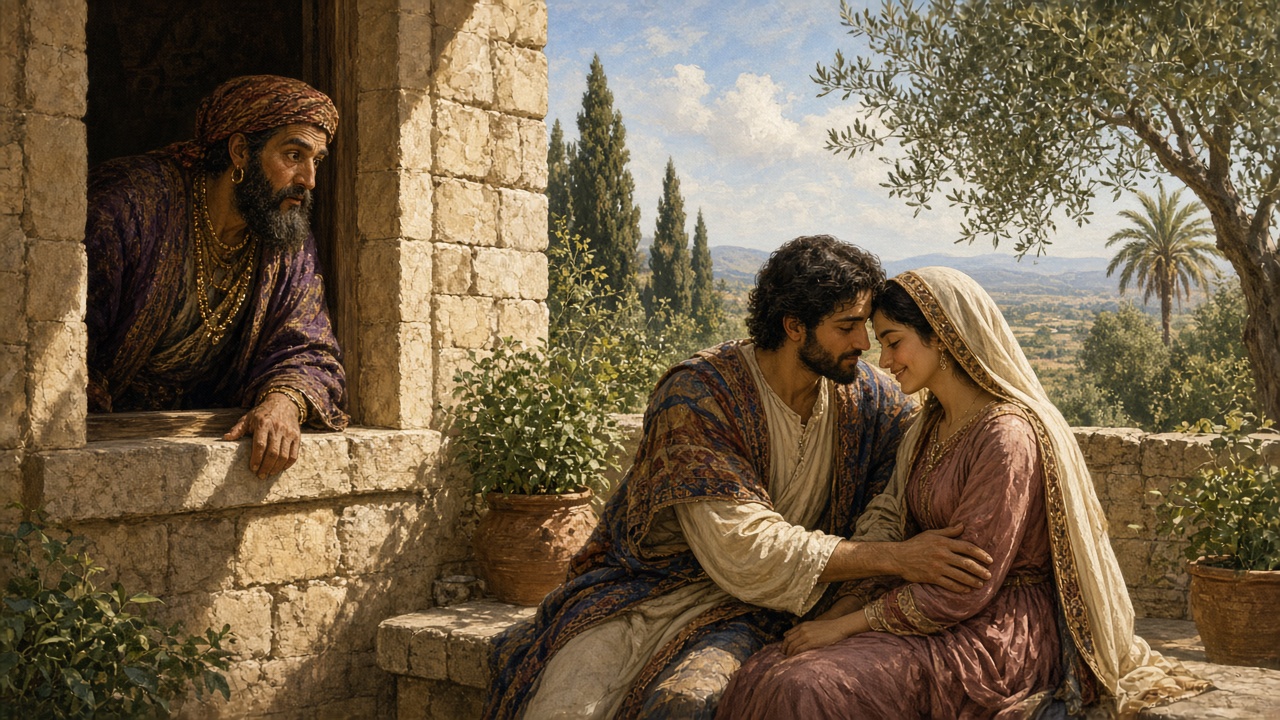
6Ben Isaaku gↄ̃̀ Gera. 7Kɛ̀ wɛ́tɛ pì deenↄↄ e à laa à naↄ̃ yã musu, à bè a dãremɛ. Èe vĩa kɛɛ, zaakɛ èe daa tó à bè a naↄ̃mɛ, weé a dɛ nↄↄ pì yãnzi, zaakɛ nↄↄ pì nɛ́ nↄ maaamɛ. 8Kɛ̀ a gurↄplaa kɛ̀ gwe, Filisitininↄ kí Abimɛlɛki wɛ́ɛ kpàɛ windo guu, ben à è Isaaku e bↄ̃̀nda gaa kↄ̃n a naↄ̃o. 9Ben à Isaaku sìsi à bè: Ase n naↄ̃mɛɛ! À kɛ̀ dia n bè n dãremɛ? À wèàla à bè: Mɛ́ɛ kpákpaa weé ma dɛ à yãnzimɛ. 10Abimɛlɛki bè: Bↄ́ yã ń kɛ̀we lɛɛ? Féte bé à gↄ̃̀ kɛ̀ wa gbɛ̃ke é daɛ kↄ̃n n nↄↄ pìo, lɛ ǹ wa da taarin. 11Ben Abimɛlɛki gbɛ̃nↄ swã sùkãńnɛ píngi à bè: Gbɛ̃ kɛ̀ ↄ kɛ̀ gↄ̃gbɛ̃ pìa kↄ̃n à naↄ̃o, weé à dɛ.
12Isaaku pↄ́ tↄ̃̀ bùsu pìn, ben à pↄ́ è wɛ̃̀ beeea lɛo basↄↄro, kɛ̀ Dii aubarika dàn yãnzi. 13À kàara, à auziki e kaara ai à kɛ̀ auzikide bíta ũ. 14À sãanↄ kↄ̃n zùnↄ vĩ pari kↄ̃n zↄ̀nↄ, ben Filisitininↄ zàn. 15Ben aↄ̃ lↄ̀gↄ kɛ̀ à de Ibraĩ gbɛ̃nↄ yↄ̃̀ a gurↄↄanↄ tàta bùsuo píngi. 16Ben Abimɛlɛki bè Isaakunɛ: Ǹ fɛɛ wa kiia, zaakɛ ń gbãaa dɛwala maamaa.
17Ben Isaaku bↄ̀ gwe à bùra kàɛ Gera guzurɛn, ben à gurↄplaa kɛ̀ gwe. 18Lↄ̀gↄ kɛ̀ wà yↄ̃̀ à de Ibraĩ gurↄↄa ben Filisitininↄↄ tàta à de gaa gbɛraanↄn à ɛ̀ara à bↄ̀bↄ à tↄ́ dↄ̃nkↄ̃ kɛ̀ a de kpàńnɛ yãanↄ kpàńnɛ dↄ. 19Isaaku zↄ̀blerinↄ lↄ̀gↄ pãnde yↄ̃̀ guzurɛ pìn, ben aↄ̃ bↄ̀ í maaaa. 20Ben Gera pↄ́dãrinↄ swèe kɛ̀ kↄ̃n Isaaku pↄ́dãrinↄ wà bè: Wa ímɛ. Ben à tↄ́ kpà lↄ̀gↄ pìnɛ Swèe, kɛ̀ aↄ̃ swèe kɛ̀o yãnzi. 21Aↄ̃ lↄ̀gↄ pãnde yↄ̃̀, ben wà swèe kɛ̀ lↄ̀gↄ pì yã musu dↄ, ben à tↄ́ kpànɛ Íbɛtɛ. 22À bↄ̀ gwe, ben à lↄ̀gↄ pãnde yↄ̃̀ dↄ, aↄ̃ↄe swèe kɛ à yã musu dↄro. Ben à tↄ́ kpànɛ Mɛ̀porokii, zaakɛ à bè: Dii tò wa mɛ̀ pòro, wé dagula sa.
23Beee gbɛra à gàa Bɛsɛba. 24Dii bↄ̀ à mↄ̀zi gwãavĩ beeea à bè: Mámbe n de Ibraĩ Luda ũ, ǹton vĩa kɛro, zaakɛ má kúnyo. Mɛ́ aubarika kɛnnɛ mà n borii kaara ma zↄ̀bleri Ibraĩ yãnzi.
25Gwen à sa'okii bòn à Dii sìsi. Ben à bùra kàɛ gwe à gbɛ̃nↄↄ e lↄ̀gↄ yↄ̃ↄ. 26Ben Abimɛlɛki bↄ̀ Gera à mↄ̀ Isaaku kiia kↄ̃n a kpàasi Auzao kↄ̃n a zĩ̀kpɛɛnↄ gbɛ̃nsi Fikↄluo. 27Isaaku ń lá à bè: Kɛ̀ a zamagu a pɛma a bɛ, à kɛ̀ dia a mↄ ma kiia? 28Aↄ̃ wèàla wà bè: Wá è Dii kúnyo, ben wa bè à maa wà lɛdolɛ kɛ wà lù sɛ́kↄ̃nɛ à yã musu 29kɛ̀ nɛ́ yã zaa ke kɛwero, zaakɛ wée wɛ́ɛ tãmmaro. Yã maaan wá kɛ̀nnɛ wa n gbarɛ aafia, ben Dii aubarika kɛ̀nnɛ. 30Ben Isaaku ń yàari kɛ̀, aↄ̃ pↄ́ blè aↄ̃ í mì. 31Kɛ̀ aↄ̃ fɛ̀ɛ kↄngↄ, aↄ̃ lù sɛ̀kↄ̃nɛ, ben Isaaku zɛ̀ńnɛ, aↄ̃ bↄ̀ à kiia aafia. 32Zĩ beeea Isaaku gbɛ̃nↄ mↄ̀ wà lↄ̀gↄ kɛ̀ aↄ̃ↄ yↄ̃̀ yã ònɛ wà bè: Wa í è. 33Ben à tↄ́ kpànɛ Sɛba. Beee yãnzin wè wɛ́tɛ pì sísi Bɛsɛba ai kↄ̃n a gbã̀ao.
34Kɛ̀ Isau kà wɛ̃̀ baplaa, à Iti nↄↄ sɛ̀ mɛ̀n plaa, Beri nɛ́ Yudi kↄ̃n Ɛlↄni nɛ́ Basɛmao. 35Isaaku kↄ̃n Rɛbɛkao nↄ̀sɛ ègↄ̃ yakana ń yãnzimɛ.
Did you know?
Isaac in Gerar
- During a famine, Isaac sought refuge with Abimelech, king of Gerar, an ancient town and district on the southern border of Palestine. Easton's Bible Dictionary (1897) notes that Isaac acted toward his wife Rebekah much as his father Abraham had acted toward Sarah there: he said she was his sister. Abimelech later rebuked him when the deception was discovered.Sources: Abimelech (King of Gerar) · Gerar · the Bible text itself
- The names of wells in the Valley of Gerar recall the disputes over them. Esek means “quarrel,” because the herdsmen of Gerar claimed the water, and Sitnah means “strife.” Isaac also reopened wells that his father Abraham’s servants had dug and that the Philistines had stopped up, and he gave them the same names his father had given them.Sources: Esek · Sitnah · the Bible text itself
- Beersheba means “well of the oath” or “well of seven.” According to Easton's Bible Dictionary (1897), Abraham dug a well there and named it after a compact with Abimelech, and Isaac gave it the same name when he reopened it. The dictionary also identifies Phicol—“great”—as chief captain of Abimelech’s army, and says he took part in Abraham’s alliance over that well.Sources: Beersheba · Phichol · the Bible text itself
Notes written with AI assistance from open sources (Theographic Bible Metadata, CC BY-SA 4.0; Easton’s Bible Dictionary, public domain) and reviewed before publishing.
Places in this chapter
- Egypt · 30.129, 31.308 · verse 2
- Valley of Gerar · Today: about 3 km around Tel Haror · 31.382, 34.606 · verses 17, 19
Only places identified with high confidence are shown (90% or more according to the scholarly sources compiled by OpenBible). Period map: DARE (Digital Atlas of the Roman Empire), CC BY 4.0; modern map: © OpenStreetMap contributors; places: OpenBible.info (CC BY 4.0).
Credits and license for this translation
Luda yã takada kↄ̃n Bokobaru yão
The New Testament and portions of the Old Testament in the Bokobaru language of Nigeria
copyright © 2005 SIM International
Language: Bokobaru
Translation by: SIM
This translation text is made available to you under the
terms of the Creative Commons License: Attribution-Noncommercial-No Derivative Works.
( http://creativecommons.org/licenses/by-nc-nd/3.0/ )
In addition, you have permission to port the text to different file formats, as long as you
do not change any of the text or punctuation of the Bible.
You may share, copy, distribute, transmit, and extract portions
or quotations from this work, provided that you include the above copyright
information:
You must give Attribution to the work.
You do not sell this work for a profit.
You do not make any derivative works that change any of the actual words or punctuation of the Scriptures.
Permissions beyond the scope of this license may be
available if you contact
us with your request.
This translation is made available to you under the terms of the
Creative Commons Attribution-Noncommercial-No Derivatives license 4.0.
You may share and redistribute this Bible translation or extracts from it in any format, provided that:
You include the above copyright and source information.
You do not sell this work for a profit.
You do not change any of the words or punctuation of the Scriptures.
Pictures included with Scriptures and other documents on this site are licensed just for use with those Scriptures and documents.
For other uses, please contact the respective copyright owners.
2014-09-22
Source: http://ebible.org/bus/ · eBible.org