Exodus 5
Luda yã takada kↄ̃n Bokobaru yão · Tap a verse to see its cross-references.
Musa kↄ̃n Arunao gana Fili'auna aɛzĩ
1Beee gbɛra Musa kↄ̃n Arunao gàa wà Fili'auna lè aↄ̃ bènɛ: Yã kɛ̀ Dii Isarailinↄ Ludaa òn yɛ̀. À bè ǹ a gbɛ̃nↄ gbarɛ aↄ̃ gá zĩbaa kɛare gbáan. 2Fili'auna wèńla à bè: Dén Dii ũ kɛ̀ mà à yã ma mà Isarailinↄ gbarɛɛ? Má Dii dↄ̃ro. Mɛ́ Isarailinↄ gbarɛro. 3Ben aↄ̃ bènɛ: Eberunↄ Luda bé à bↄ̀ à mↄ̀wazi. Ǹ wa gba zɛ́ wà gá wà gurↄ aagↄ̃ↄ kɛ gbáan wà saa o Dii wa Luda pìa, lɛ àton gyãa káwaguro kesↄ̃ zĩ̀. 4Ben Igipiti kína pì bè Musa kↄ̃n Arunaonɛ: À kɛ̀ dia á tò gbɛ̃nↄ làakari e goo ń zĩia? À sↄkpa a zĩia. 5Ben à ɛ̀ara à bè: Kɛ̀ gbɛ̃nↄ pari kũ̀ sa, ben á yezi aↄ̃ kámma bo kↄ̃n ń zĩioↄ́?
6Zĩ beeea Fili'auna yã dìɛ Isaraili wɛ́ɛtãmmarinↄnɛ kↄ̃n ń dↄn'aɛdeenↄ à bè: 7Àton sɛ̃̀buru kpáḿma aↄ̃ kúnku bↄo lán eè kɛ nà yã dↄro. Aↄ̃ gá wà ń pↄ́ kɛ̃ ń zĩnda. 8Mↄde aↄ̃ kúnku bↄ lán aↄ̃è bↄ nà yã lɛ́n. Àton lagońnɛro, zaakɛ mɛadeenↄmɛ. Beee yãnzi aↄ̃ wiii ègↄ̃ dↄ, aↄ̃ↄe bee wà yezi wà gá saa o ń Ludaazi. 9À zĩi kaarańnɛ lɛ aↄ̃ton ĩampakii e aↄ̃ làakari kpá ɛgɛyãnↄa dↄro.
10Ben aↄ̃ wɛ́ɛtãmmari pìnↄ kↄ̃n ń dↄn'aɛdeenↄ mↄ̀ aↄ̃ bèńnɛ: Fili'auna bè wàton sɛ̃̀buru kpáawa dↄro. 11À gá à wɛtɛ a zĩnda guu kɛ̀ é en. Baa kↄ̃n beeeo wé zĩi lagoarero, baa féte. 12Ben aↄ̃ fã̀akↄ̃a wà gàa Igipiti gu píngi sɛ̃̀ kɛ̃ sɛ̃̀buru ũ. 13Aↄ̃ wɛ́ɛtãmmari pìnↄ ègↄ̃ nakↄ̃rɛɛḿma lán guu e dↄↄ nà, lɛ aↄ̃ ń zĩ nɛ lán aↄ̃è nɛ nà gurↄↄ kɛ̀ wèe sɛ̃̀buru kpaaḿma. 14Wà gbɛ̃na kɛ̀ Isaraili dↄn'aɛdee kɛ̀ aↄ̃ wɛ́ɛtãmmarinↄↄ dìɛnↄnɛ wà bèńnɛ: À kɛ̀ dia ée kúnku bↄ gbã̀a ke gĩa à kà lán wà a lɛ́ dìɛare nà yãroo? 15Ben Isaraili dↄn'aɛdeenↄ gàa wà wii lɛ̀ Fili'aunaa wà bè: À kɛ̀ dia nɛ́ɛ kɛɛ wamↄwa n zↄ̀blerinↄnɛ lɛɛ? 16Wèe sɛ̃̀buru kpaawa dↄro, ben wèe bee wà kúnku bↄ. Wèe wa gbɛ̃ɛ, mↄde n gbɛ̃nↄ bé wà taari vĩ. 17Ben à bè: Mɛadeenↄn a ũ. Lɛn á dɛ lɛ! Beee yãnzi eègↄ̃ bee é gá saa o Diiazi. 18À gá zĩi kɛ. Weé sɛ̃̀buru kpáawa dↄro, baa kↄ̃n beeeo é kúnku bↄ lán wà dàare nà lɛ́mmɛ.
19Kɛ̀ wà ò Isaraili dↄn'aɛdeenↄnɛ aↄ̃ton gurↄ doo kúnkubↄna lagoro, aↄ̃ↄ dↄ̃̀ kɛ̀ wà yã è sa. 20Kɛ̀ aↄ̃ bↄ̀ Fili'auna kiia, aↄ̃ dàkↄ̃rɛ kↄ̃n Musao kↄ̃n Arunao, aↄ̃ↄe ń dãa, 21ben aↄ̃ bèńnɛ: Dii a yã gwa à yãkpaɛ kɛao, zaakɛ á tò Fili'auna kↄ̃n a gbɛ̃nↄↄ ye wa kãziro. A wa dɛna gbãaa kpàḿman gwe. 22Ben Musa lìara à gàa à bè Diinɛ: Dii, bↄ́yãnzi n ĩa dà gbɛ̃ pìnↄa? Beee yãnzin n ma zĩziↄ́? 23Zaa gurↄↄ kɛ̀ ma gaa ma yã ò Fili'aunanɛ kↄ̃n n tↄ́o, ben èe ĩa da n gbɛ̃nↄa, ben nɛ́ɛ ń bↄ sↄ̃ro nɛ́!
Did you know?
Harder Work After Pharaoh's Refusal
- Easton's Bible Dictionary (1897) says the Pharaoh of the Exodus was probably Menephtah I, the fourteenth and eldest surviving son of Rameses II, but it treats the identification as still an open question: some scholars, it notes, favor Seti II, whose reign it describes as beginning peacefully and ending in sudden disaster. The entry says he resided at Zoan, where he received Moses and Aaron in the interviews recorded in Exodus.Sources: Pharaoh (of the Exodus) · the Bible text itself
- Easton's Bible Dictionary (1897) places Jacob's arrival in Egypt probably about 350 years before Moses was born. It says a Hyksos king, from a pastoral Semitic people of Asia and called a shepherd king, received the family favorably and assigned them Goshen, the best of the land; in this chapter Pharaoh treats the people of Israel, now numerous, as laborers he will not let go.Sources: Moses · the Bible text itself
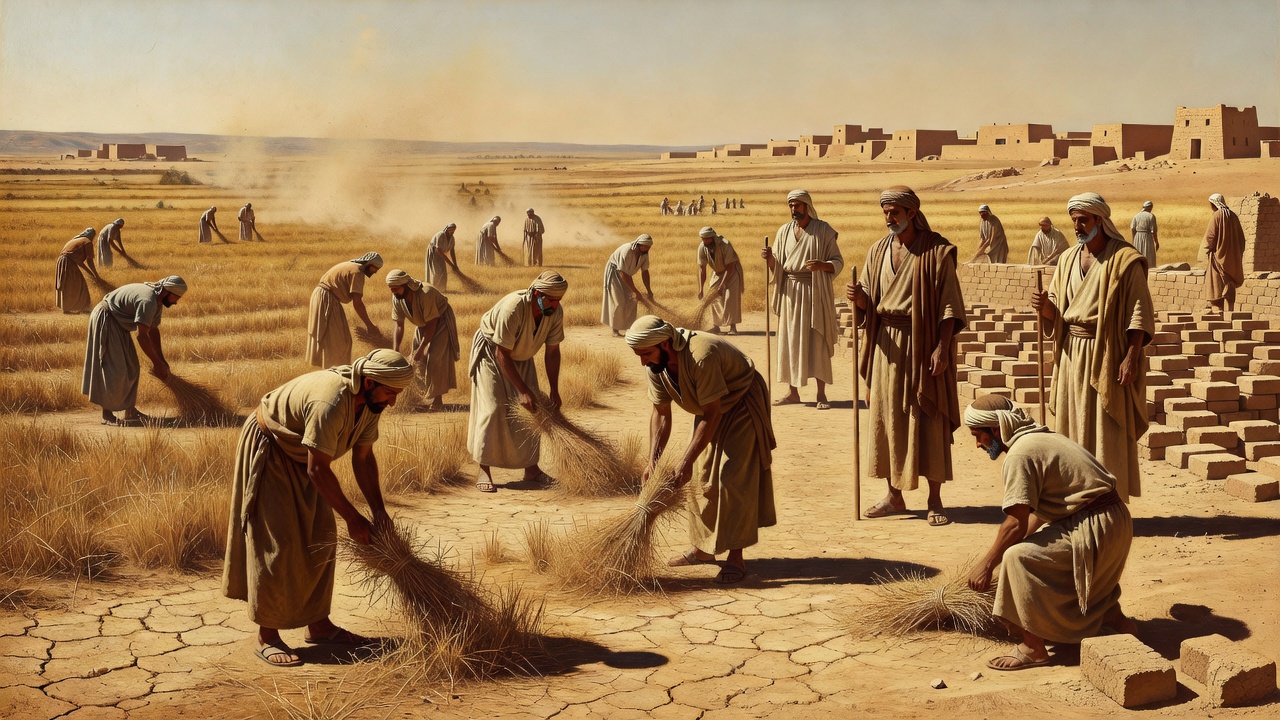
- Pharaoh answers the request to hold a feast in the wilderness by no longer supplying straw for the bricks, while still requiring the same daily quota. The people scatter through the land of Egypt to gather stubble, and the Israelite foremen whom Pharaoh's taskmasters had set over them are beaten when that quota is not met.Sources: the Bible text itself
Notes written with AI assistance from open sources (Theographic Bible Metadata, CC BY-SA 4.0; Easton’s Bible Dictionary, public domain) and reviewed before publishing.
Places in this chapter
Only places identified with high confidence are shown (90% or more according to the scholarly sources compiled by OpenBible). Period map: DARE (Digital Atlas of the Roman Empire), CC BY 4.0; modern map: © OpenStreetMap contributors; places: OpenBible.info (CC BY 4.0).
Credits and license for this translation
Luda yã takada kↄ̃n Bokobaru yão
The New Testament and portions of the Old Testament in the Bokobaru language of Nigeria
copyright © 2005 SIM International
Language: Bokobaru
Translation by: SIM
This translation text is made available to you under the
terms of the Creative Commons License: Attribution-Noncommercial-No Derivative Works.
( http://creativecommons.org/licenses/by-nc-nd/3.0/ )
In addition, you have permission to port the text to different file formats, as long as you
do not change any of the text or punctuation of the Bible.
You may share, copy, distribute, transmit, and extract portions
or quotations from this work, provided that you include the above copyright
information:
You must give Attribution to the work.
You do not sell this work for a profit.
You do not make any derivative works that change any of the actual words or punctuation of the Scriptures.
Permissions beyond the scope of this license may be
available if you contact
us with your request.
This translation is made available to you under the terms of the
Creative Commons Attribution-Noncommercial-No Derivatives license 4.0.
You may share and redistribute this Bible translation or extracts from it in any format, provided that:
You include the above copyright and source information.
You do not sell this work for a profit.
You do not change any of the words or punctuation of the Scriptures.
Pictures included with Scriptures and other documents on this site are licensed just for use with those Scriptures and documents.
For other uses, please contact the respective copyright owners.
2014-09-22
Source: http://ebible.org/bus/ · eBible.org