Exodus 14
Luda yã takada kↄ̃n Bokobaru yão · Tap a verse to see its cross-references.
Igipitinↄ pɛɛna Isarailinↄzi
1Dii bè Musanɛ: 2Ǹ o Isarailinↄnɛ aↄ̃ ɛara wà gá bùra káɛ Pi'airo saɛ Migidolu kↄ̃n ísiaao dagura, aɛdↄkↄ̃ana kↄ̃n Baali Zɛfↄ̃o. À bùra káɛ ísiaa saɛ gwe. 3Fili'auna égↄ̃ daa a sãsã, gbáa a kũmɛ. 4Mɛ́ a kùgbãa kũ, eé pɛɛazi, mɛ́ tↄ́ bↄ Fili'auna kↄ̃n a zĩ̀kpɛɛnↄ yã sàabu, Igipitinↄ égↄ̃ dↄ̃ kɛ̀ mámbe Dii ũ. Ben Isarailinↄↄ kɛ̀ lɛ.
5Kɛ̀ wà ò Igipiti kí Fili'aunanɛ gbɛ̃ pìnↄ bàa lɛ̀, ben àpi kↄ̃n a ìbanↄ nↄ̀sɛ lìɛ Isarailinↄ yã musu wà bè: Bↄ́n wá kɛ̀, ben wá tò aↄ̃ bↄ̀ zↄ̀blenaween? 6Ben Fili'auna góro dↄ̀ a sↄ̃nɛ à a zĩ̀kpɛɛnↄ kàkↄ̃a. 7À sↄ̃goro maaanↄ sɛ̀ mɛ̀n wàa aagↄ̃ kↄ̃n Igipiti sↄ̃goronↄ píngi kↄ̃n zĩ̀kari gbɛ̃nsinↄo ká ń guu. 8Dii Igipiti kí Fili'auna kùgbãa kũ̀, ben à pɛ̀ɛ Isaraili kɛ̀ aↄ̃ↄe bↄɛɛ kↄ̃n kùgbãaaonↄzi. 9Ben Igipitinↄ pɛ̀ɛńzi kↄ̃n Fili'auna sↄ̃nↄ kↄ̃n à sↄ̃goronↄ kↄ̃n à sↄ̃deenↄ kↄ̃n à zĩ̀kpɛɛnↄ ń píngi, ben aↄ̃ↄe mↄↄ ń le ń bùran ísiaa saɛ kĩi kↄ̃n Pi'airoo aɛdↄkↄ̃ana kↄ̃n Baali Zɛfↄ̃o.
10Kɛ̀ Fili'auna kà kĩi, Isarailinↄ wɛ́ɛ sɛ̀, ben aↄ̃ Igipitinↄ è tɛ́ ń kpɛɛ. Vĩa ń kũ maamaa, ben aↄ̃ wii pɛ̀ Diizi. 11Aↄ̃ bè Musanɛ: Miranↄↄ kú Igipitinloo? Bↄ́yãnzi n mↄwao gbáan kɛ̀ wà gagazi? À kɛ̀ dia n bↄwao Igipiti? 12Asa wá ònnɛ Igipiti wà bè ǹ wa tó tɛɛɛ wà zↄ̀ ble Igipitinↄnɛ! Zↄ̀blenańnɛ maawe dɛ gagana gbáa kɛ̀nla. 13Musa bèńnɛ: Àton tó vĩa a kũro. À zɛ tɛɛɛ é e lán Dii é a mì sí nà gbã̀a, zaakɛ Igipiti kɛ̀ ée ń ee gbã̀a kɛ̀nↄ, é ń e ziki dↄro. 14Dii bé eé zĩ̀ káare. Àgↄ̃ yĩtɛna kítikiti dé!
Isarailinↄ bikũna Isia Tɛ̃aala
15Dii Musa là à bè: Bↄ́ wiiin nɛ́ɛ pɛɛmazii? Ǹ o gbɛ̃nↄnɛ aↄ̃ fɛɛ wà bↄ kↄ̃n táo. 16Ǹ n gò dↄ ísiaala à zↄ̃kↄ̃rɛ, lɛ Isarailinↄ e wà gɛ̃tɛ à dagura gukoria. 17Mapi, mɛ́ Igipitinↄ kùgbãa kũ, aↄ̃é gɛ̃n ń gbɛra, mɛ́ tↄ́ bↄ Fili'auna kↄ̃n a zĩ̀kpɛɛnↄ kↄ̃n a sↄ̃goronↄ kↄ̃n a sↄ̃deenↄ yã sàabu. 18Tó ma tↄ́ bↄ̀ Fili'auna kↄ̃n a sↄ̃goronↄ kↄ̃n a sↄ̃deenↄ yã sàabu, Igipitinↄ égↄ̃ dↄ̃ sa kɛ̀ mámbe Dii ũ. 19Luda Malaika kɛ̀ dↄ Isarailinↄnɛ aɛ lìara à gàa ń kpɛɛ kpa, ben tɛ́luguu kɛ̀ kú ń aɛ lìara à gàa ń kpɛɛ dↄ 20aↄ̃pinↄ kↄ̃n Igipitinↄ dagura. Tɛ́luguu pì guu pù Isarailinↄnɛ à gusiaa kpà Igipitinↄnɛ, ben aↄ̃ gbɛ̃kee e e à sↄ̃̀ a daazi gwãavĩ beeearo.
21Kɛ̀ Musa a ↄↄ dↄ̀ ísiaala, ben Dii bↄ̀ kↄ̃n ĩa gbãaao ↄfãntɛ̃bↄɛ kpa. À kàka ai guu gàa dↄ̀o à ísiaa lɛ̀ à kpàatɛkↄ̃rɛ, ben gukori bↄ̀. Kɛ̀ í zↄ̃̀kↄ̃rɛ, 22ben Isarailinↄ táa ò gukoria aↄ̃ bikũ̀. Í bĩi bò aↄ̃ ↄplaazi kↄ̃n ↄzɛzio. 23Ben Igipitinↄ pɛ̀ɛńzi. Fili'auna sↄ̃nↄ kↄ̃n a sↄ̃goronↄ kↄ̃n a sↄ̃deenↄ píngi tɛ́ ń kpɛɛ ísiaa guu. 24Gudↄnao Dii Igipiti zĩ̀kpɛɛnↄ gwà zaa tɛ́nɛnɛ guu, ben à tò aↄ̃ lìkↄ̃a. 25À tò aↄ̃ sↄ̃goronↄ vlɛ̃̀ɛ, à tò aↄ̃ táa'ona kɛ̀ zĩ'ũ, ben aↄ̃ bè: Wà bàa lɛ́ Isarailinↄnɛ, zaakɛ Dii e zĩ̀ kaawaońnɛmɛ.
26Dii bè Musanɛ: Ǹ n ↄↄ dↄ ísiaala, í é da Igipitinↄla kↄ̃n ń sↄ̃goronↄ kↄ̃n ń sↄ̃deenↄ. 27Ben Musa a ↄↄ dↄ̀ ísiaala, ben í e suu a gbɛ̀n gudↄnao. Lán í e suu nà, ben Igipitinↄ bàa sì aↄ̃ↄ yezi wà bↄɛ. Gwen Dii tò ísiaa dàńlan. 28Í sù a dà sↄ̃goronↄla kↄ̃n sↄ̃deenↄ kↄ̃n Fili'auna zĩ̀kpɛɛ kɛ̀ aↄ̃ gɛ̃̀ ísiaa guu Isarailinↄ gbɛraanↄ ń píngi. Aↄ̃ kee e bↄro, baa mɛ̀n do. 29Isarailinↄ sↄ̃ táa ò í dagura gukoriamɛ. Í bĩi bò aↄ̃ ↄplaazi kↄ̃n ↄzɛzio. 30Zĩ beeean Dii Isarailinↄ sì Igipitinↄa, ben Isarailinↄ Igipiti pìnↄ gɛ̀nↄ è ísiaa baa. 31Kɛ̀ Isarailinↄ Dii gbãa bíta kɛ̀ à mↄ̀ Igipitinↄnɛ è, aↄ̃ vĩa kɛ̀nɛ, ben aↄ̃ à náanɛ kɛ̀ kↄ̃n à zↄ̀bleri Musao.
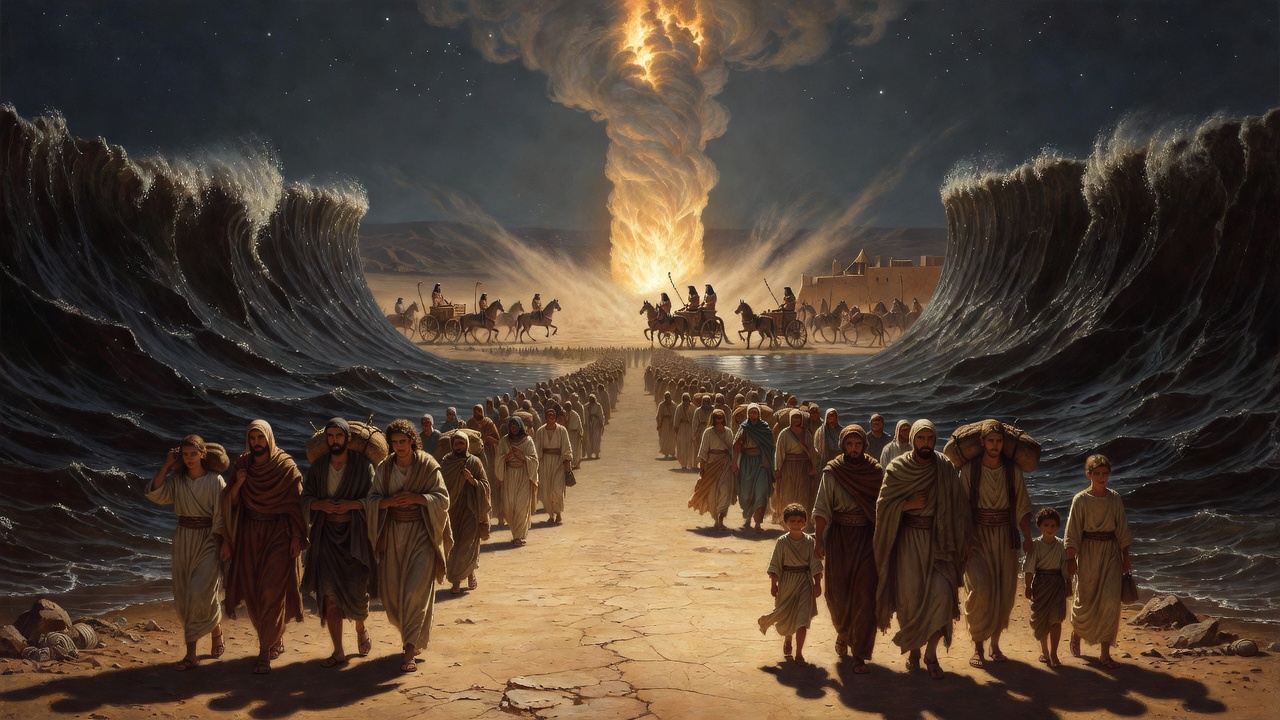
Did you know?
Israel trapped between Pharaoh and the sea
- Israel was told to turn back and camp before Pi-hahiroth, between Migdol and the sea, directly opposite Baal-zephon, so that Pharaoh would think the wilderness had boxed them in. Pi-hahiroth means place where the reeds grow, though the Septuagint and the Coptic read farmstead, and Baal-zephon means Baal of the north.Sources: the Bible text itself · Pi-hahiroth · Baal-zephon
- Easton's Bible Dictionary (1897) describes Baal-zephon as an Egyptian town on the shores of the Gulf of Suez, probably modern Jebel Deraj or Kulalah on the western shore, and notes that Egyptian Baal-zapuna was a place of worship. Some have identified Pi-hahiroth with Ajrud, a fortress between Etham and Suez. The entry on Pi-hahiroth adds that the condition of the Isthmus of Suez at the time of the Exodus is not exactly known, so Pi-hahiroth and Israel's other camps in Egypt cannot be definitely located; the isthmus has been formed by deposits of the Nile.Sources: Baal-zephon · Pi-hahiroth
- Easton's Bible Dictionary (1897) says the Pharaoh of the Exodus was probably Menephtah I, the fourteenth and eldest surviving son of Rameses II, and that he resided at Zoan, where his interviews with Moses and Aaron recorded in Exodus took place. The same entry still treats it as an open question whether Seti II or his father Menephtah was that king, and notes that some judge the evidence to favor Seti II.Sources: Pharaoh (of the Exodus)
Notes written with AI assistance from open sources (Theographic Bible Metadata, CC BY-SA 4.0; Easton’s Bible Dictionary, public domain) and reviewed before publishing.
Places in this chapter
Only places identified with high confidence are shown (90% or more according to the scholarly sources compiled by OpenBible). Period map: DARE (Digital Atlas of the Roman Empire), CC BY 4.0; modern map: © OpenStreetMap contributors; places: OpenBible.info (CC BY 4.0).
Credits and license for this translation
Luda yã takada kↄ̃n Bokobaru yão
The New Testament and portions of the Old Testament in the Bokobaru language of Nigeria
copyright © 2005 SIM International
Language: Bokobaru
Translation by: SIM
This translation text is made available to you under the
terms of the Creative Commons License: Attribution-Noncommercial-No Derivative Works.
( http://creativecommons.org/licenses/by-nc-nd/3.0/ )
In addition, you have permission to port the text to different file formats, as long as you
do not change any of the text or punctuation of the Bible.
You may share, copy, distribute, transmit, and extract portions
or quotations from this work, provided that you include the above copyright
information:
You must give Attribution to the work.
You do not sell this work for a profit.
You do not make any derivative works that change any of the actual words or punctuation of the Scriptures.
Permissions beyond the scope of this license may be
available if you contact
us with your request.
This translation is made available to you under the terms of the
Creative Commons Attribution-Noncommercial-No Derivatives license 4.0.
You may share and redistribute this Bible translation or extracts from it in any format, provided that:
You include the above copyright and source information.
You do not sell this work for a profit.
You do not change any of the words or punctuation of the Scriptures.
Pictures included with Scriptures and other documents on this site are licensed just for use with those Scriptures and documents.
For other uses, please contact the respective copyright owners.
2014-09-22
Source: http://ebible.org/bus/ · eBible.org