Ecclesiastes 7
Luda yã takada kↄ̃n Bokobaru yão · Tap a verse to see its cross-references.
Ɔ̃ndↄ̃dannɛna
1Tↄ́ nnaa maa dɛ nↄ́si gũ nna bɛ̀ɛdeela,
gagurↄↄ maa dɛ igurↄↄla.
2Gɛ̃na ua kɛ̀ wèe gɛ̀ ↄ́ↄ dↄↄn maa
dɛ gɛ̃na ua kɛ̀ wèe zĩbaa kɛɛnla,
zaakɛ baade píngi yãanan gwe,
à maa gbɛ̃ kɛ̀ aↄ̃ↄ kuunↄ yã pì da.
3Sósobikɛna maa dɛ yáadↄnala,
pↄsiakɛna gbɛran nↄ̀sɛ è wee.
4Ɔ̃ndↄ̃dee làakari ègↄ̃ kú ua kɛ̀ wèe ↄ́ↄ dↄↄn-a,
yↄ̃nkↄↄ làakari ègↄ̃ kú ua kɛ̀ wèe pↄnnaa kɛɛn-a.
5À maa ǹ ↄ̃ndↄ̃dee kpãkɛ̃nzina da
dɛ ǹ swã kpá yↄ̃nkↄↄ gↄ̃ n tↄ́ kpaala,
6zaakɛ yↄ̃nkↄↄnↄ yáadↄↄ dɛ
lán kyàkpa lí tɛ́pũtãna kĩi guu bàmɛ.
Beee nɛ́ yã pãamɛ dↄ.
7Gbãa mↄna gbɛ̃nↄnɛ è tó ↄ̃ndↄ̃dee yↄ̃nkↄ kũmɛ,
ↄdↄnkpɛɛgbaa è gbɛ̃ yakamɛ.
8Yã mìdɛna maa dɛ à daɛnala,
mɛna maa dɛ ń zĩnda sɛna lezĩla.
9Ǹton tó ǹ pↄ fɛ̃ kpaaro,
zaakɛ yↄ̃nkↄↄ bé ègↄ̃ pↄfɛ̃ vĩ.
10Ǹton be bↄ́yãnzin yãgurↄↄ maa dɛ tia pↄ́laro,
zaakɛ yãlana beee taka nɛ́ ↄ̃ndↄ̃yãnlo.
11Ɔ̃ndↄ̃ↄ nɛ́ pↄ́ maamɛ lán túbi bà,
à àre vĩ gbɛ̃ kɛ̀ aↄ̃ↄe ↄfãntɛ̃ eenↄnɛ.
12Ɔ̃ndↄ̃ↄ nɛ́ utɛkiimɛ,
lán ↄↄ dɛ utɛkii ũ nà,
mↄde dↄ̃na àren yɛ̀:
Ɔ̃ndↄ̃ↄ è gbɛ̃ kɛ̀ aↄ̃ↄ vĩinↄ wɛ̃̀ndi dãkpa.
13Ǹ laasuu lɛ́ Luda yãkɛnanↄa.
Dé bé eé fↄ̃ à pↄ́ kɛ̀ à kɛ̀ kotina dↄdↄↄ?
14Tó gurↄ nnaa mↄ̀mma, ǹ pↄnnaa kɛo.
Tó gurↄ zaaamɛ sↄ̃, ǹ laasuu lɛ́.
Luda bé à à píngi kɛ̀,
lɛ gbɛ̃ke tóngↄ̃ à ziaa dↄ̃ro yãnzi.
15Ma wɛ̃̀ndi kori kɛ̀ guu
ma yã kɛ̀nↄ è píngi.
Ma gbɛ̃ maaa è,
à gà a maakɛna guu,
ma gbɛ̃ zaaa è,
èe gì kɛɛ a yãzaakɛna guu.
16Ǹton tó n maakɛna ↄ gɛ̃ro,
ǹton tó n ↄ̃ndↄ̃ↄ ↄ gɛ̃ro.
À kɛ̀ dia nɛ́ n zĩnda kaatɛɛ?
17N zaaa tón ↄ gɛ̃ro,
ǹtongↄ̃ yↄ̃nkↄↄ ũro.
À kɛ̀ dia nɛ́ ga n gurↄↄ ãa?
18À maa ǹgↄ̃ yã mɛ̀n plaaa pìnↄ kũnamɛ,
ǹton ↄ kpáziro,
zaakɛ gbɛ̃ kɛ̀ Luda vĩa vĩ
è à plaaa pìnↄ zɛ́ e píngimɛ.
19Ɔ̃ndↄ̃ↄ è tó ↄ̃ndↄ̃dee gbãaa gↄ̃ dɛ
wɛ́tɛ gbãade gↄ̃ↄn kurinↄla.
20Gbɛ̃ maaa kɛ̀ ègↄ̃ yã maaa kɛɛ
kɛ̀ è durun kɛroo kú anduna guuro.
21Ǹton swã kpá yã kɛ̀ gbɛ̃nↄↄ e oozi píngiro,
lɛ ǹton ma n zĩkɛri e n sↄ̃sↄ̃ↄro.
22Zaakɛ ń dↄ̃ n zĩndanɛ,
kɛ̀ mpi se n gbɛ̃nↄ sↄ̃̀sↄ̃ pari.
23Ma yã beeenↄ gwà kↄ̃n ↄ̃ndↄ̃ↄo píngi,
ma zɛo kɛ̀ mà ↄ̃ndↄ̃ kũ,
ben à zã̀ kũ̀mao.
24Baa tó ↄ̃ndↄ̃ↄ fↄ̃̀ àgↄ̃ dia, à kúkii zã̀,
à asii bíta maamaa,
dé bé eé fↄ̃ à bↄa?
25Ma ↄ̃ndↄ̃ kↄ̃n yã píngio mì tàasi kɛ̀,
má gwàgwa lɛ mà e mà dↄ̃,
lɛ mà yãzaakɛna dↄ̃ yↄ̃nkↄkɛɛ ũ,
lɛ mà yↄ̃nkↄkɛɛ dↄ̃ mìsaikɛɛ ũ.
26Nↄgbɛ̃ kɛ̀ dɛ takutɛɛ ũ,
à swɛ̃̀ nɛ́ gbàngidimɛ,
à ↄↄnↄ nɛ́ mↄ̀kyakoomɛ,
à yã è ma pↄↄ yaka dɛ gaala.
Gbɛ̃ kɛ̀ à yã kà Ludanɛ è pitin,
mↄde nↄgbɛ̃ pì è durunkɛri kũmɛ.
27Ma laasuude ma bè,
ǹ yã kɛ̀ ma bↄa gwa.
Kɛ̀ mɛ́ɛ yã gwaa zɛ́azɛa
lɛ mà e mà à mì dↄ̃,
28gurↄↄ kɛ̀ mɛ́ɛ wɛtɛɛ esai,
ma gↄ̃gbɛ̃ maaa è mɛ̀n do
gↄ̃ↄn wàa sↄↄroonↄ tɛ́,
mↄde baa nↄgbɛ̃ maa mɛ̀n do
mɛ́ɛ e ń tɛ́ro.
29Yã kɛ̀ ma bↄan yɛ̀.
Luda gbɛ̃nteenↄ kɛ̀ nↄ̀sɛpuradeenↄ ũmɛ,
ben aↄ̃ gɛ̃̀ mↄnafiki zɛ́n.
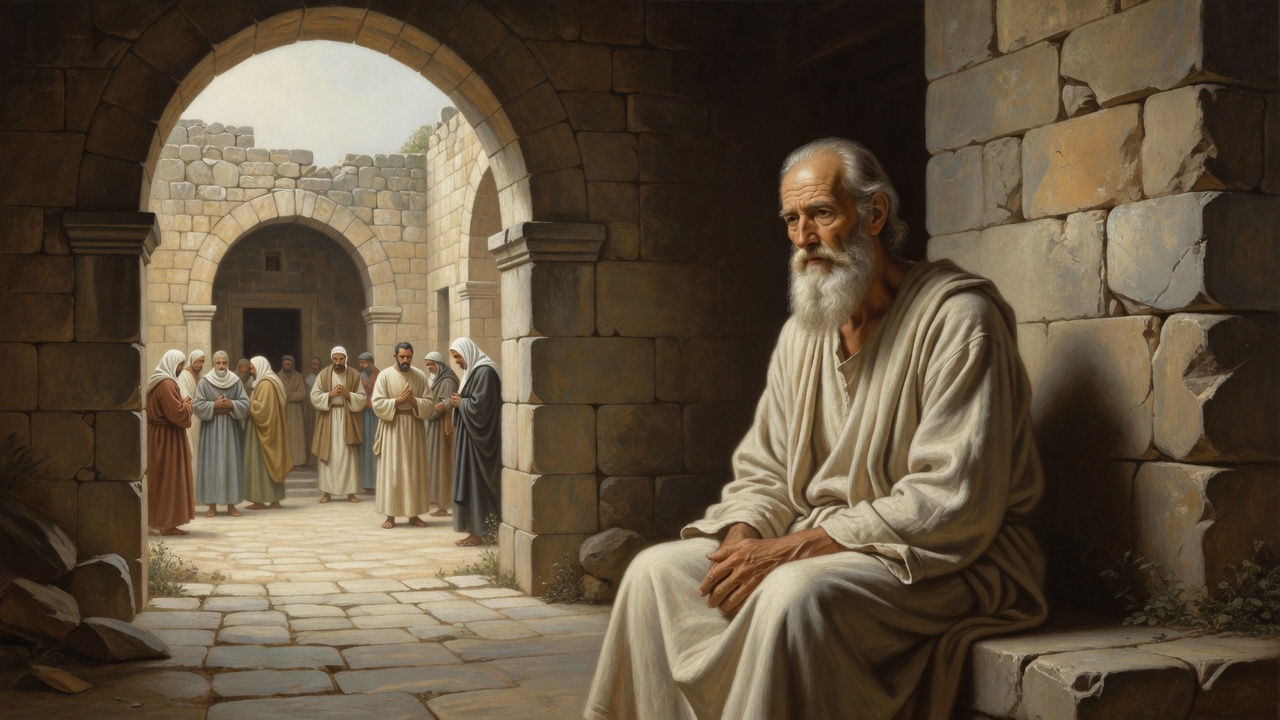
Did you know?
Wisdom, Mortality, and the Limits of Understanding
- Ecclesiastes 7 begins with a series of comparative proverbs arguing that moments of solemn reflection, such as visiting a house of mourning or facing sorrow, provide greater insight into life than superficial laughter and feast houses.Sources: the Bible text itself
- The Teacher reflects on the reality of human experience, noting that God has appointed both prosperous and adverse days so that humans cannot foresee their future, and that righteous people sometimes perish while the wicked live long.Sources: the Bible text itself
- The chapter highlights the universal limitation of human goodness, observing that there is no one on earth who does good and never sins, and concluding that while God created humanity upright, people pursue many complex schemes.Sources: the Bible text itself
Notes written with AI assistance from open sources (Theographic Bible Metadata, CC BY-SA 4.0; Easton’s Bible Dictionary, public domain) and reviewed before publishing.
Credits and license for this translation
Luda yã takada kↄ̃n Bokobaru yão
The New Testament and portions of the Old Testament in the Bokobaru language of Nigeria
copyright © 2005 SIM International
Language: Bokobaru
Translation by: SIM
This translation text is made available to you under the
terms of the Creative Commons License: Attribution-Noncommercial-No Derivative Works.
( http://creativecommons.org/licenses/by-nc-nd/3.0/ )
In addition, you have permission to port the text to different file formats, as long as you
do not change any of the text or punctuation of the Bible.
You may share, copy, distribute, transmit, and extract portions
or quotations from this work, provided that you include the above copyright
information:
You must give Attribution to the work.
You do not sell this work for a profit.
You do not make any derivative works that change any of the actual words or punctuation of the Scriptures.
Permissions beyond the scope of this license may be
available if you contact
us with your request.
This translation is made available to you under the terms of the
Creative Commons Attribution-Noncommercial-No Derivatives license 4.0.
You may share and redistribute this Bible translation or extracts from it in any format, provided that:
You include the above copyright and source information.
You do not sell this work for a profit.
You do not change any of the words or punctuation of the Scriptures.
Pictures included with Scriptures and other documents on this site are licensed just for use with those Scriptures and documents.
For other uses, please contact the respective copyright owners.
2014-09-22
Source: http://ebible.org/bus/ · eBible.org