Daniel 5
Luda yã takada kↄ̃n Bokobaru yão · Tap a verse to see its cross-references.
Yã kɛ̃na gũ̀a
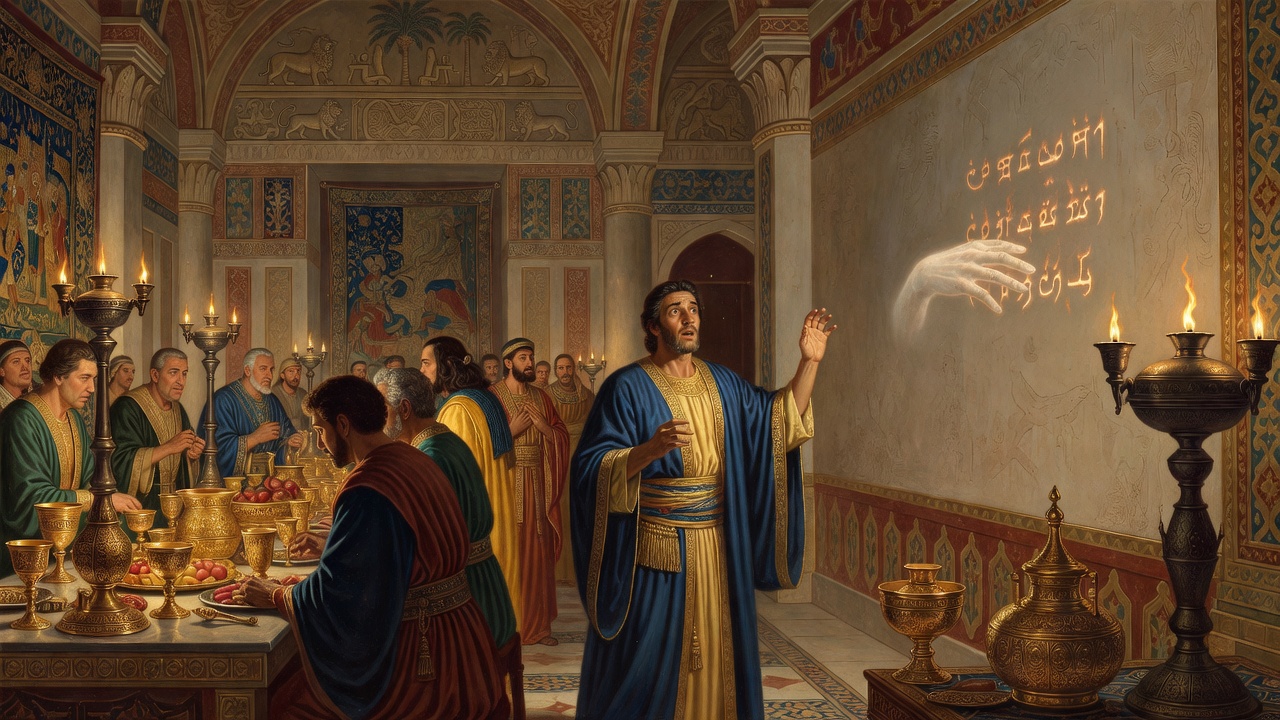
1Kí Bɛlisaza a bùsu gbãadeenↄ sìsi zĩbaa pↄ́bleea gↄ̃ↄn wàa sↄↄro, ben èe wɛ̃ɛ miińyo. 2Kɛ̀ à pↄↄ kɛ̀ í pìa nna, à bè wà mↄ́ kↄ̃n vura ímibↄnↄ kↄ̃n kondogi ímibↄ kɛ̀ a dezi Nɛbukanɛza sɛ̀ɛ Luda kpɛ́n Yerusalɛmunↄ lɛ à í mio, àpi kↄ̃n a bùsu gbãadeenↄ kↄ̃n a nↄↄnↄ kↄ̃n a nↄ yìgisainↄ. 3Ben wà mↄ̀ kↄ̃n togoo pìnↄ, aↄ̃ↄe í miio. 4Kɛ̀ aↄ̃ↄe wɛ̃ɛ mii, aↄ̃ↄe tãa kɛ̀ wà ń kɛ́ kↄ̃n vurao kↄ̃n kondogio kↄ̃n mↄ̀gotɛ̃o kↄ̃n mↄ̀sio kↄ̃n lío kↄ̃n gbɛ̀o sáabu kpaa. 5Gwe gↄ̃ↄ gbɛ̃ntee ↄↄ bↄ̀ fitia'izi, èe ↄgbɛ kɛ̃ɛ kíbɛ gũ̀ kɛ̀ lↄ́lↄnaa. Kína ↄↄ pì è, èe pↄ́ kɛ̃ɛ, 6ben à laasuu tò swɛ̃̀ kɛ̃̀n. À uu yàkↄ̃tɛ à gbãaa bùsa, ben à gbánↄↄ e lugalugaa. 7À wii gbãaa lɛ̀ à bè, wà mↄ́ kↄ̃n asidↄ̃rinↄ kↄ̃n sↄsↄnɛyãdↄ̃rinↄ kↄ̃n màsokɛrinↄ. Ben à bè Babilↄnu ↄ̃ndↄ̃ri pìnↄnɛ: Gbɛ̃ kɛ̀ ↄgbɛ kɛ̀ki kyó kɛ̀ ben à à bↄ̀kↄ̃tɛmɛ, mɛ́ gumusu tɛ̃a kↄ̃n vura kã̀mbɛɛo danɛ, eé gↄ̃ ma bùsu gbãadeenↄ gbɛ̃ aagↄ̃dee ũ. 8Kɛ̀ kína ↄ̃ndↄ̃ri pìnↄ gɛ̃̀ ń píngi, ben aↄ̃ gbɛ̃kee e fↄ̃ à ↄgbɛ pì kyó kɛ̀ à à bↄ̀kↄ̃tɛnɛro. 9Swɛ̃̀ ɛ̀ara à kɛ̃̀ kí Bɛlisazan maamaa, à ɛ̀ara à uu yã̀kↄ̃tɛ, ben à bùsu gbɛ̃nsinↄ gↄ̃̀ bídi guu.
10Kɛ̀ kí naↄ̃ kína kↄ̃n bùsu gbɛ̃nsinↄ zↄka mà, à gɛ̃̀ńzi pↄ́blekiia à bè: Wà n dↄ̃ kↄ̃n aafiao Zaaki! Ǹton tó n laasuu n nↄ̀sɛ yakaro, ǹton tó n uu gↄ̃ sisinaro. 11Gbɛ̃kee kú n bùsun kɛ̀, à Luda kɛ̀ kú adona Ninii vĩ. N dezi Nɛbukanɛza gurↄ wà è à làakari vĩ kↄ̃n wɛ́ɛzɛ̃ɛo kↄ̃n ↄ̃ndↄ̃ↄo lán Luda bà. N dezi à dìɛ wɛ́ɛzɛ̃rinↄ kↄ̃n asidↄ̃rinↄ kↄ̃n sↄsↄnɛyãdↄ̃rinↄ kↄ̃n màsokɛrinↄ gbɛ̃nsi ũ. 12À ↄ̃ndↄ̃ kↄ̃n à dↄ̃nao pãsĩ, è yã píngi ma. È nanaanↄ bↄkↄ̃tɛ è yã zĩ'ũunↄ yáasi tↄ̃kɛ̃ kↄ̃n yãlɛkↄ̃zinanↄ. À tↄ́n Daniɛli. Kína tↄ́ kpànɛ dↄ Bɛtɛsaza. Ǹ à sísi se, eé yã pì bↄkↄ̃tɛnnɛ.
13Kɛ̀ wà mↄ̀ kↄ̃n Daniɛlio kína pì kiia, ben kína bènɛ: Ḿbe zĩ̀zↄ kɛ̀ wè be Daniɛli kɛ̀ ma dezi bↄ̀o Yudanↄ bùsun ũↄ́? 14Má mà wà bè ń Luda Ninii vĩ, ń làakari vĩ kↄ̃n wɛ́ɛzɛ̃ɛo kↄ̃n ↄ̃ndↄ̃ wɛ́ɛbↄnao. 15Wà mↄ̀mɛ kↄ̃n ↄ̃ndↄ̃rinↄ kↄ̃n yã'asidↄ̃rinↄ tia, lɛ aↄ̃ ↄgbɛ kɛ̀ kyó kɛ aↄ̃ à bↄkↄ̃tɛmɛ, mↄde aↄ̃ↄe fↄ̃ro. 16Má mà wà bè nɛɛ̀ fↄ̃ ǹ yãnↄ bↄkↄ̃tɛ nɛɛ̀ fↄ̃ ǹ yãlɛkↄ̃zinanↄ tↄ̃kɛ̃. Tó n fↄ̃ n ↄgbɛ kɛ̀ kyó kɛ̀ n à bↄ̀kↄ̃tɛmɛ, mɛ́ gumusu tɛ̃a kↄ̃n vura kã̀mbɛɛo dannɛ, nɛ́ gↄ̃ ma bùsu gbãadeenↄ gbɛ̃ aagↄ̃dee ũ. 17Ben Daniɛli bènɛ: Ǹ n gbaanↄ kũ ǹ asaiapↄ pì kpá gbɛ̃ pãndea. Mↄde baa kↄ̃n beeeo mɛ́ ↄgbɛ pì kyó kɛnnɛ kí, mɛ́ sↄ̃ bↄkↄ̃tɛnnɛ. 18Kí, Luda Musude bé à kíkɛ kↄ̃n bítakɛɛo kↄ̃n gakuio kↄ̃n bɛ̀ɛo kpà n dezi Nɛbukanɛzaa. 19Lán à à sɛ̀ lezĩ nà, gbɛ̃ píngi à vĩa vĩ, aↄ̃è mì siɛnɛ, bori píngi ke yã'ona bori píngin yoo. Gbɛ̃ kɛ̀ à yezi à à dɛ, è à dɛmɛ. Gbɛ̃ kɛ̀ à yezi à à bↄ, è à bↄmɛ. Gbɛ̃ kɛ̀ à yezi à gwena kaaranɛ, è à kaara. Gbɛ̃ kɛ̀ à yezi à à busa, è à busamɛ. 20Mↄde kɛ̀ à a zĩnda sɛ̀ lezĩ à swã gbãa kũ̀ bensↄ̃ à zaza kũ̀, ben Luda à bↄ̀ kpatan à à gakui kↄ̀ ɛ̀. 21Wà pɛ̀a wà à bↄ̀ gbɛ̃nteenↄ tɛ́, à laasuu gↄ̃̀ lán nↄ̀bↄnↄ pↄ́ bà. À kú kↄ̃n sakenↄ à sɛ̃̀ sò lán zù bà. Kpíi à yàku, ben à dↄ̃̀ sa kɛ̀ Luda Musude bé à iko vĩ gbɛ̃ntee kpatanↄa, è gbɛ̃ kɛ̀ à yezi kpá kpatan. 22Mpi sↄ̃ Bɛlisaza, à dion n ũ. Baa kɛ̀ ń yã pìnↄ dↄ̃ píngi, nɛ́ɛ n zĩnda busaro. 23N dↄkɛ̀ Dii Musudeo ń tò wà mↄ̀ kↄ̃n à kpɛ́ togoonↄ, ben mpi kↄ̃n n bùsu gbɛ̃nsinↄ kↄ̃n n nↄↄnↄ kↄ̃n n nↄ yìgisainↄ wɛ̃ɛ mìo, ben n tãa kɛ̀ wà kɛ̀ kↄ̃n vurao kↄ̃n kondogio kↄ̃n mↄ̀gotɛ̃o kↄ̃n mↄ̀sio kↄ̃n lío kↄ̃n gbɛ̀o sáabu kpà, pↄ́ kɛ̀ aↄ̃è guu ero aↄ̃è yã maro bensↄ̃ aↄ̃ↄ dↄ̃na vĩroonↄ. N wɛ̃̀ndi kↄ̃n n ziaao kú Luda ↄzĩmɛ, ben nɛ́ɛ bɛ̀ɛ línɛro. 24Beee yãnzin à tò ↄↄ pì mↄ̀ à ↄgbɛ pì kɛ̃̀zi.
25Yã kɛ̀ ↄↄ pì kɛ̃̀n yɛ̀: Mɛnɛ, mɛnɛ, tɛkɛli, paasi. 26Yã pìnↄ bↄkↄ̃tɛnan yɛ̀: Mɛnɛ bè, Luda n kíblegurↄↄ nàro à à lɛ́ zɛ̀. 27Tɛkɛli bè, wà n tìisi lɛ́ gwà kilooa wà è nɛ́ɛ kiloo sɛ́ro. 28Paasi bè, wà n kpata kpàatɛtɛ Midiãnↄ kↄ̃n Pɛsianↄnɛ.
29Bɛlisaza yã ò a ìbanↄnɛ, ben aↄ̃ gumusu tɛ̃a kↄ̃n vura kã̀mbɛɛo dà Daniɛlinɛ wà kpàakpa kɛ̀ wà bè, bùsu gbãadeenↄ gbɛ̃ aagↄ̃deen à ũ. 30Gwãavĩ dↄ̃nkↄ̃ pì guun wà Babilↄnia kí Bɛlisaza dɛ̀. 31Midiã borii kɛ̀ wè benɛ Dariusu bé à vɛ̃̀ɛ à gɛ̃ɛ ũ a wɛ̃̀ baaagↄ̃ awɛɛplaadee guu.
Did you know?
The Writing on the Wall and the Fall of Babylon
- Although the text repeatedly calls Nebuchadnezzar Belshazzar's father, in ancient Semitic usage the term could denote a predecessor or grandfather. Historical records note that Belshazzar was the son of King Nabonidus and a grandson of Nebuchadnezzar through his mother Nitocris.Sources: Belshazzar · the Bible text itself
- Belshazzar offered to elevate whoever could interpret the mysterious inscription to the third highest ruler in the kingdom. Because Belshazzar was coregent under his father Nabonidus, the third position was the highest royal office available for him to bestow.Sources: Belshazzar · the Bible text itself
- The desecration of the sacred gold and silver vessels brought from the temple in Jerusalem provoked the divine omen on the palace plaster. Daniel interpreted the inscription as a declaration that the Babylonian kingdom had been weighed, found deficient, and handed over to the Medes and Persians.Sources: Belshazzar · the Bible text itself
Notes written with AI assistance from open sources (Theographic Bible Metadata, CC BY-SA 4.0; Easton’s Bible Dictionary, public domain) and reviewed before publishing.
Places in this chapter
- Jerusalem · 31.777, 35.234 · verses 2, 3
- Babylon · 32.543, 44.422 · verses 7, 11
- Chaldea · 30.962, 46.104 · verses 7, 11
Only places identified with high confidence are shown (90% or more according to the scholarly sources compiled by OpenBible). Period map: DARE (Digital Atlas of the Roman Empire), CC BY 4.0; modern map: © OpenStreetMap contributors; places: OpenBible.info (CC BY 4.0).
Credits and license for this translation
Luda yã takada kↄ̃n Bokobaru yão
The New Testament and portions of the Old Testament in the Bokobaru language of Nigeria
copyright © 2005 SIM International
Language: Bokobaru
Translation by: SIM
This translation text is made available to you under the
terms of the Creative Commons License: Attribution-Noncommercial-No Derivative Works.
( http://creativecommons.org/licenses/by-nc-nd/3.0/ )
In addition, you have permission to port the text to different file formats, as long as you
do not change any of the text or punctuation of the Bible.
You may share, copy, distribute, transmit, and extract portions
or quotations from this work, provided that you include the above copyright
information:
You must give Attribution to the work.
You do not sell this work for a profit.
You do not make any derivative works that change any of the actual words or punctuation of the Scriptures.
Permissions beyond the scope of this license may be
available if you contact
us with your request.
This translation is made available to you under the terms of the
Creative Commons Attribution-Noncommercial-No Derivatives license 4.0.
You may share and redistribute this Bible translation or extracts from it in any format, provided that:
You include the above copyright and source information.
You do not sell this work for a profit.
You do not change any of the words or punctuation of the Scriptures.
Pictures included with Scriptures and other documents on this site are licensed just for use with those Scriptures and documents.
For other uses, please contact the respective copyright owners.
2014-09-22
Source: http://ebible.org/bus/ · eBible.org