2 Samuel 12
Luda yã takada kↄ̃n Bokobaru yão · Tap a verse to see its cross-references.
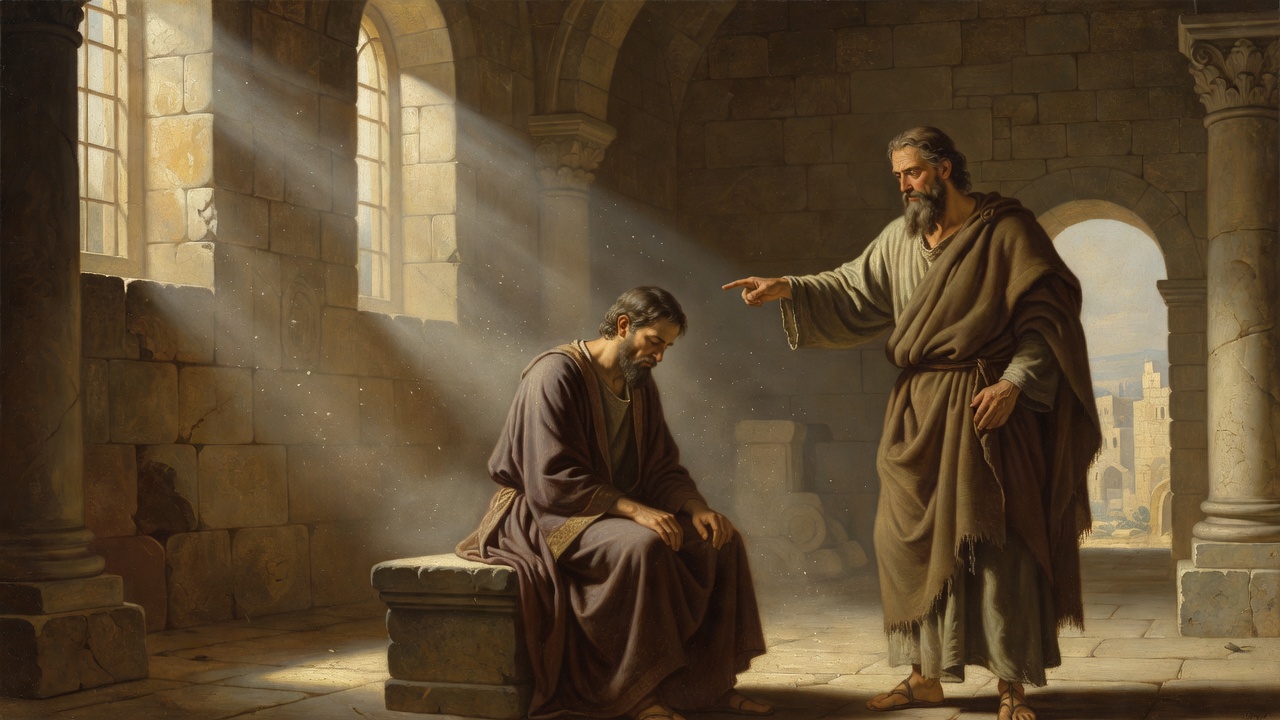
Annabi Natã kpãkɛ̃na Daudazi
1Dii Natã zĩ̀ Daudaa. Kɛ̀ à kà, à bènɛ: Gↄ̃gbɛ̃ gↄ̃ↄn plaa kenↄ bé wà kú wɛ́tɛ ke guu, gbɛ̃ doo nɛ́ auzikideemɛ, gbɛ̃ doo sↄ̃ takaasideemɛ. 2Auzikidee pì sãanↄ kↄ̃n zùnↄ vĩ paripari, 3takaasidee pì sↄ̃ pↄ́ke vĩro, sã núnu nɛ́ngo mɛ̀n doken à lù. Ben à dàto ai à bíta kũ̀ à bɛ kↄ̃n à nɛ́nↄ. Aↄ̃ègↄ̃ pↄ́ dↄ̃nkↄ̃ blee aↄ̃ègↄ̃ í mii ta dↄ̃nkↄ̃n, è dàɛ à pↄtɛ, ben èe à gwaa lán a zĩnda nɛ́nↄkparɛ bà. 4Kɛ̀ nibↄ pìta auzikidee pìa, ben èe we à sãa ke zù kũ̀ a kpàsa guu à nibↄ pì yàari kɛoro. Takaasidee sã núnu nɛ́ngo pìn à sìa à a nibↄ pì yàari kɛ̀o. 5Ben Dauda pↄ fɛ̃̀ auzikidee pì yã musu maamaa, à bè Natãnɛ: Kↄ̃n Dii kuunao, à kↄ̃ sìo wà gbɛ̃ kɛ̀ yã pì kɛ̀ dɛmɛ. 6Kɛ̀ à kɛ̀ lɛ, èe à wɛ̃nda gwaro, ɛ̃ndɛ̃ à sãa pì fĩa bo lɛo siigↄ̃. 7Ben Natã bè Daudanɛ: Ḿbe adee pì ũ. Dii Isarailinↄ Luda bé à yã kɛ̀ ò à bè: Ma n ka Isarailinↄ kí ũ, ma n bↄ Solu ↄzĩ, 8ben ma n dii pì bɛɛ kpàmma, ma à nↄↄnↄ nànnɛ n ↄzĩ. Ma Isarailinↄ kↄ̃n Yudanↄ kpàmma n gbɛ̃nↄ ũ. Tó beeenↄ kɛ̀mma nɛ́ngo yã, lɛ mà à pãndenↄ kaarannɛ dↄ. 9Bↄ́yãnzi n kya kà ma yãnzi? N yã kɛ̀ má yeziroo kɛ̀, n Iti bori Uria dɛ̀ kↄ̃n fɛ̃ɛdaao, n à nↄↄ sìa ń sɛ̀. Ń tò Amↄninↄ à dɛ̀ zĩ̀ guu. 10Zaa gbã̀a yã pãsĩ é kɛ̃ n bɛɛa ziki dↄro, zaakɛ n kya kàmagu, n Iti bori Uria nↄↄ sìa ń sɛ̀. 11Ben Dii ɛ̀ara à yã kɛ̀ ò dↄ à bè: Ǹ ma! Mɛ́ tó n zĩnda bɛdeenↄ mↄ́nzi kɛnnɛ. Mɛ́ n nↄↄnↄ símma mà ń kpá n gbɛ̃daa kea n wáa, eé daɛńyo gupuraaa. 12N yã pì kɛ̀ asii guumɛ. Mapi sↄ̃ mɛ́ yã pì kɛnnɛ gupuraaa Isarailinↄ wáa ń píngi.
13Ben Dauda bè Natãnɛ: Ma durun kɛ̀ Diinɛ. Ben Natã bènɛ: Dii n durun kɛ̃̀mma, nɛ́ garo. 14Mↄde lán n dↄkɛ Diio maamaa nà kↄ̃n yã pì kɛnao, bee yãnzi nɛ́gↄ̃gbɛ̃ kɛ̀ nↄgbɛ̃ pì ìnyo é gamɛ. 15Kɛ̀ Natã tà bɛ, ben Dii tò nɛ́ kɛ̀ Uria naↄ̃ↄ ì kↄ̃n Daudao pì gyã kũ̀. 16Ben Dauda e kúɛ kɛɛ Ludanɛ nɛ́ pì yã musu kↄ̃n lɛ́yinao, gwãavĩ è daɛ tↄↄtɛmɛ. 17À bɛ gbɛ̃nsinↄ ègↄ̃ zɛàla lɛ aↄ̃ à fɛɛ tↄↄtɛ, mↄde è weziro, è pↄ́ bleńyoro. 18À gurↄ swɛɛplaadee zĩn nɛ́ pì gà. Vĩa Dauda ìbanↄ kũ̀, aↄ̃ↄe fↄ̃ wà ònɛ kɛ̀ nɛ́ pì gàro. Aↄ̃ bè: Gurↄↄ kɛ̀ nɛ́ pì kuu, wa yã ònɛ, èe wa yã maro. Dian wé onɛ nà sa kɛ̀ nɛ́ pì gà? Eé yã zaaa kɛ. 19Dauda è a ìbanↄↄ e yã kpãi ookↄ̃nɛ, ben a dↄ̃̀ kɛ̀ nɛ́ pì gàmɛ. À ń lá à bè: Nɛ́ pì gàn yↄ́? Ben aↄ̃ wèàla wà bè: Ee! À gàmɛ. 20Dauda fɛ̀ɛ tↄↄtɛ à zú ò, à nↄ́si kɛ̀awa à a pↄ́kãsãanↄ lìɛ, ben à gàa à kùɛ Diinɛ a kpɛ́n. Kɛ̀ à ɛ̀ara à tà bɛ, à pↄ́blee gbèka, ben wà kpàa à blè. 21À ìbanↄ à là wà bè: À kɛ̀ dia nɛ́ɛ yã kɛɛ lɛɛ? Gurↄↄ kɛ̀ nɛ́ pì kuu, n lɛ́ yì n ↄ́ↄ dↄ̀. Kɛ̀ à gà sa, n fɛɛ n pↄ́ blè. 22À wèńla à bè: Gurↄↄ kɛ̀ nɛ́ pì kuu, ma lɛ́ yì ma ↄ́ↄ dↄ̀, zaakɛ ma bè, ke Dii é ma wɛ̃nda gwa à tó nɛ́ pì gↄ̃ kuu gwɛɛ, dé bé à dↄ̃ↄ? 23Lán à gà nà sa, bↄ́yãnzin mɛ́gↄ̃ lɛ́yinazi dↄↄ? Mɛ́ fↄ̃ mà à vun yↄ́? Mɛ́ gá à kiiamɛ, mↄde eé ɛara à su ma kiiaro.
24Dauda a naↄ̃ Basɛba làakari kpàɛnɛ, ben à gàa à dàɛo. À nɛ́ ì gↄ̃gbɛ̃ ũ, ben à tↄ́ kpànɛ Sulemanu. Dii yezi, 25ben à annabi Natã zĩ̀a à tↄ́ kpà nɛ́ pìnɛ Yɛdidia Dii yenzi pì yãnzi.
Raba sina Amↄninↄa
26Ai tia Yoabu kpɛ́ e zĩ̀ kaa kↄ̃n Amↄninↄ zaa Raba, ben à kíbɛɛ sì. 27Ben à gbɛ̃nↄ zĩ̀ Daudaa à bè: Ma zĩ̀ kà kↄ̃n Rabadeenↄ, ben ma ń ítↄkii sìḿma. 28Ǹ zĩ̀kpɛ kpaaanↄ kakↄ̃a sa, ǹ mↄ́ ǹ liga wɛ́tɛ pìzi ǹ sí. Tó lɛnlo, mɛ́ sí, weé ma tↄ́ kpánɛ. 29Ben Dauda zĩ̀kpɛɛnↄ kàkↄ̃a ń píngi, à gàa à lɛ̀ɛ Rabaa à sì. 30Wà ń kína vura fùra gò wà kù Daudanɛ. À tìisi kà kiloo baaakuri, bensↄ̃ gbɛ̀ bɛ̀ɛdee kúa. À wɛ́tɛ pì pↄ́nↄ nàkↄ̃a maamaa, 31ben à gbɛ̃ kɛ̀ aↄ̃ↄ kú gweenↄ kũ̀kũ à bↄ̀ɛńyo, à ń dá sagasigi zĩin kↄ̃n diga zĩio kↄ̃n kpása zĩio, bensↄ̃ à tò aↄ̃ kúnku bↄ̀. Lɛn à kɛ̀ Amↄni wɛ́tɛnↄnɛ lɛ píngi, ben à ɛ̀ara à tà Yerusalɛmu kↄ̃n a zĩ̀kpɛɛnↄ ń píngi.
Did you know?
Nathan's Rebuke and the Fall of Rabbah
- Nathan confronted King David over his adultery with Bathsheba and the death of Uriah by telling a parable about a rich man who stole a poor man's only beloved lamb. When David indignantly declared that the rich man deserved to die, Nathan revealed, "You are that man!", prompting David's confession.Sources: the Bible text itself · Nathan · Uriah
- Following the death of their first child, David and Bathsheba had a son named Solomon, which means "peaceful." Nathan the prophet also gave the child the name Jedidiah, meaning "beloved of the LORD."Sources: the Bible text itself · Solomon · Nathan · Bathsheba
- While besieging the Ammonite capital of Rabbah, Joab captured the city's water supply and urged David to lead the final assault so the triumph would belong to the king rather than to Joab.Sources: the Bible text itself · Joab · Rabbah
Notes written with AI assistance from open sources (Theographic Bible Metadata, CC BY-SA 4.0; Easton’s Bible Dictionary, public domain) and reviewed before publishing.
Places in this chapter
- Ammon · 31.955, 35.934 · verses 9, 26, 31
- Rabbah · Today: Amman · 31.955, 35.934 · verses 26, 27, 29, 31
- Jerusalem · 31.777, 35.234 · verse 31
Only places identified with high confidence are shown (90% or more according to the scholarly sources compiled by OpenBible). Period map: DARE (Digital Atlas of the Roman Empire), CC BY 4.0; modern map: © OpenStreetMap contributors; places: OpenBible.info (CC BY 4.0).
Credits and license for this translation
Luda yã takada kↄ̃n Bokobaru yão
The New Testament and portions of the Old Testament in the Bokobaru language of Nigeria
copyright © 2005 SIM International
Language: Bokobaru
Translation by: SIM
This translation text is made available to you under the
terms of the Creative Commons License: Attribution-Noncommercial-No Derivative Works.
( http://creativecommons.org/licenses/by-nc-nd/3.0/ )
In addition, you have permission to port the text to different file formats, as long as you
do not change any of the text or punctuation of the Bible.
You may share, copy, distribute, transmit, and extract portions
or quotations from this work, provided that you include the above copyright
information:
You must give Attribution to the work.
You do not sell this work for a profit.
You do not make any derivative works that change any of the actual words or punctuation of the Scriptures.
Permissions beyond the scope of this license may be
available if you contact
us with your request.
This translation is made available to you under the terms of the
Creative Commons Attribution-Noncommercial-No Derivatives license 4.0.
You may share and redistribute this Bible translation or extracts from it in any format, provided that:
You include the above copyright and source information.
You do not sell this work for a profit.
You do not change any of the words or punctuation of the Scriptures.
Pictures included with Scriptures and other documents on this site are licensed just for use with those Scriptures and documents.
For other uses, please contact the respective copyright owners.
2014-09-22
Source: http://ebible.org/bus/ · eBible.org