1 Corinthians 15
Luda yã takada kↄ̃n Bokobaru yão · Tap a verse to see its cross-references.
Kirisi fɛɛna gaan
1Ma gbɛ̃nↄ, baaru nnaa kɛ̀ má kpàare, kɛ̀ á sì a zɛon, má yezi mà ɛara mà dↄagu. 2Baaru nnaa pì bé eé a mì sí, tó á waazi kɛ̀ má kɛ̀aree pì kũna. Tó lɛnlo, a Yesunaanɛkɛna kɛ̀ pãmɛ. 3Yã kɛ̀ dɛńlaa kɛ̀ má sì, má dàareen yɛ̀: Kirisi gà wa durun yãnzi, lán à kɛ̃na Luda yãn nà. 4Wà à vĩ̀, ben à fɛ̀ɛ à gurↄ aagↄ̃dee zĩ, lán à kɛ̃na Luda yãn nà. 5À a zĩnda ↄ̀dↄa Pitanɛ, ben à a zĩnda ↄ̀dↄa a ìba gↄ̃ↄn kuri awɛɛplaaanↄnɛ dↄ. 6Beee gbɛra à a zĩnda ↄ̀dↄa wa gbɛ̃nↄnɛ kɛ̀ aↄ̃ kↄ̃ kàkↄ̃a gu dↄ̃nkↄ̃n, aↄ̃ↄ dɛ gↄ̃ↄn wàa plaa kpɛ́ basↄↄroola. Aↄ̃ paridee kuu ai tia, mↄde aↄ̃ gbɛ̃kenↄ anduna tò. 7Beee gbɛra à a zĩnda ↄ̀dↄa Yemisinɛ, ben à a zĩnda ↄ̀dↄa zĩ̀rinↄnɛ ń píngi. 8Aↄ̃ píngi gbɛra à bↄ̀ à mↄ̀mazi, ben ma gↄ̃ lán nɛ́ kpàalaa'ii bà. 9Zaakɛ Luda zĩ̀rinↄ tɛ́ mámbe kpɛɛ, mɛ́ɛ ká wà bemɛ zĩ̀riro, zaakɛ ma ĩa dà Luda sↄsia. 10Gbaa kɛ̀ Ludaa dàmɛ yãnzi má dɛ gbɛ̃ kɛ̀ má dɛ à ũu ũzi, bensↄ̃ gbaa kɛ̀ à dàmɛɛ pì ginaro, zaakɛ ma ↄsi kà dɛńla ń píngi. Mámbe má kɛ̀ro, gbaa kɛ̀ Ludaa dàmɛɛ bé à tò má kɛ̀. 11Tↄ̀, à bↄ̀ ma kiian yoo ke aↄ̃ kiia, yã kɛ̀ wée à waazi kɛɛ á sìn gwe.
Gɛ̀nↄ fɛɛna gaan
12Zaakɛ wée Kirisi fɛɛna gaan waazi kɛɛ, à kɛ̀ dia a gbɛ̃kenↄ è be gɛ̀nↄ é fɛɛroo? 13Tó gɛ̀nↄ é fɛɛro, ɛ̃ndɛ̃ Kirisi e fɛɛro. 14Tó Kirisi e fɛɛro sↄ̃, ɛ̃ndɛ̃ wa waazikɛna kɛ̀ pã, bensↄ̃ a Kirisi náanɛkɛna kɛ̀ pã, 15wa gↄ̃ Luda sèeda ɛgɛdeenↄ ũ, kɛ̀ wá bè à Kirisi fɛ̀ɛ yãnzi. Zaakɛ tó gɛ̀nↄ è fɛɛro, ɛ̃ndɛ̃ Ludaa e à fɛɛro. 16Tó Luda è gɛ̀nↄ fɛɛro, ɛ̃ndɛ̃ Kirisi e fɛɛro. 17Tó Kirisi e fɛɛro, a Kirisi náanɛkɛna kɛ̀ pã, ben á kú a durun guu ai tia, 18gbɛ̃ kɛ̀ aↄ̃ anduna tò Kirisi guunↄ sↄ̃ sã̀sã. 19Tó wa kuuna wɛ̃̀ndio kɛ̀ yãnzin wa wɛ́ɛ dↄ Kirisizi ado, lɛ wɛ̃ndadeenↄn wa ũ dɛ baade píngila.
20Yãpuraa guu Kirisi fɛ̀ɛ bↄna gaan, àmbe gàafɛɛ káaku ũ gbɛ̃ kɛ̀ aↄ̃ dàɛ wà ii ònↄ tɛ́. 21Lán gaa bↄ̀ gbɛ̃ntee gãzĩ nà, lɛn gɛ̀nↄ fɛɛna bↄ̀ gbɛ̃ntee gãzĩ lɛ. 22Kuuna Adamu borii ũu tò gaa dà baade píngila. Lɛmɛ dↄ gbɛ̃ kɛ̀ aↄ̃ↄ kú Kirisi guunↄ é wɛ̃̀ndi e ń píngi. 23Baade kↄ̃n a gurↄↄomɛ. Kirisi bé gàafɛɛ káaku ũ, à gbɛra à gbɛ̃nↄ é fɛɛ à mↄ́gurↄ. 24Gbasa gurↄ lɛ́ ká, Kirisi é kíkɛɛ mì dɛ píngi kↄ̃n ikonↄ kↄ̃n gbãaanↄ, eé a kpata tó De Ludanɛ. 25Séde Kirisi gↄ̃ kí blee ai Luda gↄ̃ à ibɛɛnↄ kɛ à tinti ũ. 26Ibɛɛ kɛ̀ eé à mì dɛ zãan gaa ũ, 27zaakɛ Luda pↄ́ píngi nà Kirisinɛ a ↄzĩ. Kɛ̀ à bè, pↄ́ píngi kú à ↄzĩ, wá dↄ̃ kɛ̀ Luda kɛ̀ pↄ́ píngi nànɛ a ↄzĩ pì baasimɛ. 28Tó à pↄ́ píngi nànɛ a ↄzĩ, àpin à Nɛ́ kɛ̀ à pↄ́ píngi nànɛ a ↄzĩ pì é mì siɛnɛ, Luda pì égↄ̃ dɛ à píngi ũ pↄ́ pínginɛ.
29Gbɛ̃ kɛ̀ aↄ̃è batisi kɛ gɛ̀nↄ gɛ̃ɛ ũ sↄ̃ nɛ́? Tó gɛ̀nↄ è fɛɛ yãpuraro, bↄ́yãnzi wè batisi kɛ aↄ̃ gɛ̃ɛ ũzi? 30Wapinↄ sↄ̃, bↄ́yãnzi weègↄ̃ wa zĩnda da kari guu gurↄ píngizi? 31Kↄ̃n ĩa kɛ̀ mɛɛ̀ dã a yã musu kuuna Kirisi Yesu wa Dii guuo, mɛɛ̀gↄ̃ kú gaa lɛ́zĩmɛ lán guu e dↄↄ nà. 32Tó ma zĩnda yãnzin ma ↄsi kàzi kↄ̃n nↄ̀bↄ pãsĩnↄ zaa Ɛfesu, bↄ́ àren à vĩmɛɛ? Tó gɛ̀nↄ é fɛɛro,
wà pↄ́ ble, wà í mi,
zaakɛ wé ga ziamɛ.
33Àton tó wà a sãsãro, gbɛ̃nna zaaa è dà maaa yakamɛ. 34À su a làakaria súusu, àton durun kɛ dↄro, zaakɛ a gbɛ̃kenↄ Luda dↄ̃ro. Ma beee ò lɛ à a wíyã dↄ̃ yãnzimɛ.
Gàafɛɛnↄ mɛ̀
35Gbɛ̃kenↄ é be, gɛ̀nↄ é fɛɛ diamɛ? Mɛ̀ kparee takan aↄ̃égↄ̃ vĩi? 36Yↄ̃nkↄyãmɛ! Weè pↄ́ tↄ̃ à bↄ̀ɛ fↄ̃̀mbabↄna sairo. 37Tó wà pↄ́ tↄ̃̀, gbadon yoo ke pↄ́wɛɛ pãnde, è bↄɛ pↄ́wɛɛ pì ũro. 38Luda è tó à bↄɛ lán à dìɛ nàmɛ, baade kↄ̃n a boriio. 39Pↄ́ wɛ̃̀ndideenↄ píngi mɛ̀ dↄ̃nkↄ̃ro. Gbɛ̃ntee pↄ́ ado, nↄ̀bↄnↄ pↄ́ ado, bãanↄ pↄ́ ado, kpↄ̀nↄ pↄ́ ado. 40Ludambɛ pↄ́nↄↄ kuu, anduna pↄ́nↄↄ kuu. Ludambɛ pↄ́nↄ gakui ado, anduna pↄ́nↄ gakui ado. 41Ɔfãntɛ̃ gakui ado, mↄvura pↄ́ ado, sↄsↄnɛnↄ pↄ́ ado. Baa sↄsↄnɛ pìnↄ gakui bↄ̀kↄ̃o doodo.
42Lɛn eégↄ̃ dɛ lɛ gɛ̀nↄ fɛɛgurↄↄ zĩ. Wè gɛ̀ vĩi à vã, eé fɛɛ vãna sai. 43Wè gɛ̀ vĩi bɛ̀ɛ sai, mↄde eé fɛɛ kↄ̃n gakuio. Wè gɛ̀ vĩi gbãaa sai, mↄde eé fɛɛ kↄ̃n gbãaao. 44Wè gɛ̀ vĩi anduna mɛ̀ ũ, mↄde eé fɛɛ wɛ̃̀ndi kɛ̀ è yãaro mɛ̀ ũ. Lán anduna kɛ̀ mɛ̀ kuu nà, lɛmɛ wɛ̃̀ndi kɛ̀ è yãaro mɛ̀ kuu lɛ dↄ. 45À kɛ̃na Luda yãn wà bè, gbɛ̃ káaku Adamu gↄ̃̀ gbɛ̃ bɛ̃ɛ ũ, mↄde Adamu zãa gↄ̃̀ nini wɛ̃̀ndikpammari ũ. 46Èe kɛ wɛ̃̀ndi kɛ̀ è yãaro mɛ̀ bé è dↄ aɛro, anduna mɛ̀ bé è dↄ aɛ, à gbɛra sa wɛ̃̀ndi kɛ̀ è yãaro mɛ̀. 47Gbɛ̃ntee káaku bↄ̀ bùsuti guumɛ, à plaadee bↄ̀ ludambɛmɛ. 48Gbɛ̃ kɛ̀ aↄ̃ↄ dɛ tↄↄtɛ pↄ́ ũunↄↄ bↄ̀kↄ̃ba kↄ̃n gbɛ̃ kɛ̀ bↄ̀ tↄↄtɛn-o. Gbɛ̃ kɛ̀ aↄ̃ↄ dɛ ludambɛ pↄ́ ũunↄↄ bↄ̀kↄ̃ba kↄ̃n gbɛ̃ kɛ̀ bↄ̀ ludambɛɛo. 49Lán wá dɛ gbɛ̃ kɛ̀ bↄ̀ tↄↄtɛn taka ũ nà, lɛn wégↄ̃ dɛ gbɛ̃ kɛ̀ bↄ̀ ludambɛɛ taka ũ lɛ se.
50Yã kɛ̀ má òn yɛ̀ ma gbɛ̃nↄ. Tó kpata kɛ̀ bↄ̀ Luda kiia bↄ̀ gupuraaa, wé e wà ble kↄ̃n wa mɛ̀oro. Wé e wàgↄ̃ kú gu kɛ̀ è vãroo guu kↄ̃n wa mɛ̀ kɛ̀ è vãaoro. 51À ma, mɛ́ asiiyã oare. Wé ga wa píngiro, mↄde wé li wa píngi 52kãndo lán wɛ́ɛ'ibakɛna bà kãkãki zãade pɛ́gurↄↄ zĩ. Zaakɛ kãkãki é ↄ́ bↄ, gɛ̀nↄ é fɛɛ yaikũsai, wapinↄ sↄ̃ wé li. 53Séde wa mɛ̀ kɛ̀ è vãa gɛ̃ à kɛ̀ è vãroo guu. Séde wa mɛ̀ kɛ̀ è gaa kɛ̀ gɛ̃ à kɛ̀ è garoo guu. 54Tó wa mɛ̀ kɛ̀ è vãa gɛ̃̀ à kɛ̀ è vãroo guu, bensↄ̃ wa mɛ̀ kɛ̀ è gaa gɛ̃̀ à kɛ̀ è garoo guu, ben yã kɛ̀ kɛ̃na Luda yãn kɛ̀ é papa wà bè:
Wà zĩ̀ blè gaaa, à mì dɛ̀.
55Ga, n zĩ̀blena tↄ́n diaa?
Ga, n sɛwɛɛ kú mámɛ?
56Durun bé ga sɛwɛɛ ũ, durun gbãaa sↄ̃ è bↄ doka guumɛ. 57Wà Luda sáabu kɛ, kɛ̀ è tó wà zĩ̀ ble wa Dii Yesu Kirisi gãzĩ. 58Beee yãnzi ma gbɛ̃ yenzideenↄ, à zɛ gbãa gíngin bↄru kpɛɛ sai. À wɛ́ɛ tã Dii zĩizi gurↄ píngi, zaakɛ á dↄ̃ kɛ̀ zĩi kɛ̀ ée kɛɛ Diinɛ pãro.
Did you know?
The Resurrection of the Dead
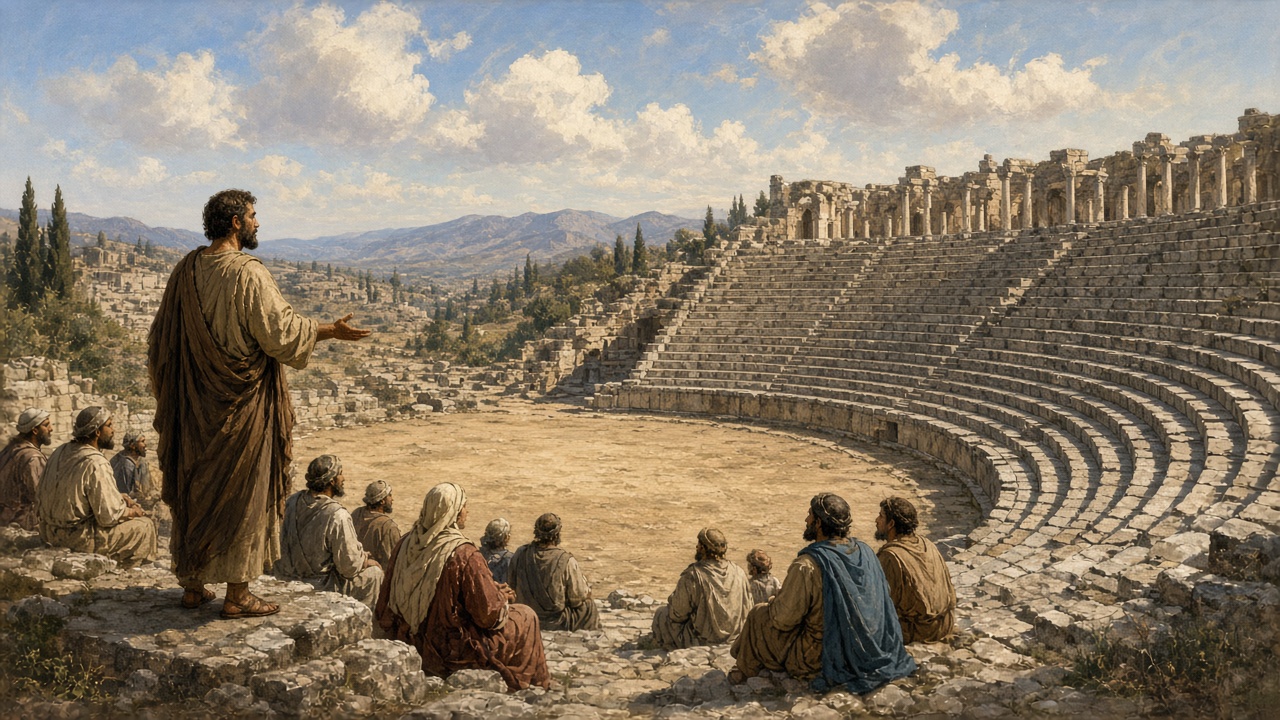
- When this chapter asks what was gained by fighting wild beasts in Ephesus, it names a city that Easton's Bible Dictionary calls the capital of proconsular Asia, known for an open-air theatre—the largest in the world, able to hold 50,000 spectators—where fights of wild beasts and of men with beasts were staged.Sources: Ephesus · the Bible text itself
- Easton's Bible Dictionary explains that Adam, a Babylonian word meaning red and the ordinary name for man in Hebrew and Assyrian, was the first man, formed from the dust of the earth, which is why he received that name. This chapter takes up that picture: death came through a man, the first man was of the dust, and the last Adam is a life-giving spirit.Sources: Adam · the Bible text itself
- Easton's Bible Dictionary (1897) identifies the James to whom Christ appeared after the resurrection, as this chapter records, as the brother or near kinsman of Jesus, also called James the Less, and says that he later headed the church in Jerusalem.Sources: James (Brother of Jesus) · the Bible text itself
Notes written with AI assistance from open sources (Theographic Bible Metadata, CC BY-SA 4.0; Easton’s Bible Dictionary, public domain) and reviewed before publishing.
Places in this chapter
- Ephesus · 37.939, 27.341 · verse 32
Only places identified with high confidence are shown (90% or more according to the scholarly sources compiled by OpenBible). Period map: DARE (Digital Atlas of the Roman Empire), CC BY 4.0; modern map: © OpenStreetMap contributors; places: OpenBible.info (CC BY 4.0).
Credits and license for this translation
Luda yã takada kↄ̃n Bokobaru yão
The New Testament and portions of the Old Testament in the Bokobaru language of Nigeria
copyright © 2005 SIM International
Language: Bokobaru
Translation by: SIM
This translation text is made available to you under the
terms of the Creative Commons License: Attribution-Noncommercial-No Derivative Works.
( http://creativecommons.org/licenses/by-nc-nd/3.0/ )
In addition, you have permission to port the text to different file formats, as long as you
do not change any of the text or punctuation of the Bible.
You may share, copy, distribute, transmit, and extract portions
or quotations from this work, provided that you include the above copyright
information:
You must give Attribution to the work.
You do not sell this work for a profit.
You do not make any derivative works that change any of the actual words or punctuation of the Scriptures.
Permissions beyond the scope of this license may be
available if you contact
us with your request.
This translation is made available to you under the terms of the
Creative Commons Attribution-Noncommercial-No Derivatives license 4.0.
You may share and redistribute this Bible translation or extracts from it in any format, provided that:
You include the above copyright and source information.
You do not sell this work for a profit.
You do not change any of the words or punctuation of the Scriptures.
Pictures included with Scriptures and other documents on this site are licensed just for use with those Scriptures and documents.
For other uses, please contact the respective copyright owners.
2014-09-22
Source: http://ebible.org/bus/ · eBible.org