Revelation 7
Anötö ndê Yom Lêŋsêm Wakuc · Tap a verse to see its cross-references.
Sêpuc ŋadalô pi lau Israel-ŋga 144,000
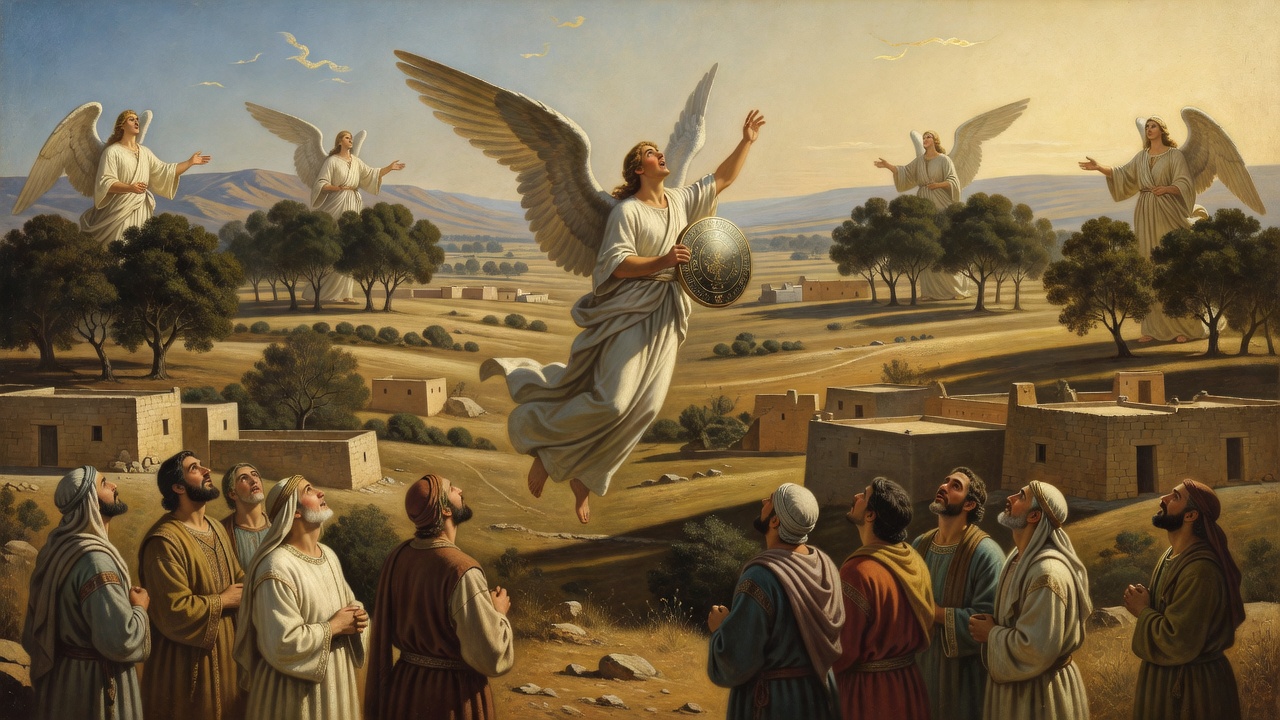
1Dinaŋ su, goc aö galic aŋela hale naŋ sêyob mbu. Ŋac sêlhac nom ŋabatiŋ hale ma sêkôc ŋaclai bu sêlhac mbu nom-ŋga hale ahuc, tu bu sêpuc ŋadinda e sêkôm nom me gwêc me a tisac dom. 2Anötö kêŋ ŋaclai têŋ ŋac bu sêyob mbu e tiŋambu sêhu mbu nom-ŋga siŋ bu kôm nom ma gwêc tisac. Ma aö galic aŋela daŋ tiyham naŋ sa akêŋ gameŋ ac pi-ŋga meŋ, ma yêc iŋ amba iŋ kôc Anötö Taŋli Ŋadau ndê gêŋ dapuc ŋadalô-ŋga. Iŋ mbwêc ŋa awha atu têŋ aŋela hale dinaŋ ma sôm, 3“Akôm nom ti gwêc ma a tisac dom, e yac apuc yac neŋ Anötö ndê ŋadalô pi iŋ ndê lau akiŋ si sêcbala su.”
4Iŋ sôm yom dinaŋ su, goc aö gaŋgô lau naŋ sêpuc ŋadalô pi ŋac si sêcbala, naŋ si namba, naŋ gitôm 144,000. Ma lau dinaŋ sêmeŋ akêŋ lau Israel-ŋga si gôlôwac toŋ 12. 5Yêc Juda ndê toŋ, sêkeŋ ŋadalô pi lau 12,000, ma pi lau 12,000 yêc Ruben ndê, 12,000 yêc Gad ndê, 612,000 yêc Aser ndê, 12,000 yêc Naptali ndê, 12,000 yêc Manase ndê, 712,000 yêc Simeon ndê, 12,000 yêc Liwai ndê, 12,000 yêc Isaka ndê, 812,000 yêc Sebulun ndê, 12,000 yêc Josep ndê, ma pi lau 12,000 yêc Benjamin ndê toŋ.
Lau daêsam sêmpiŋ Anötö
9Tiŋambu aö taŋhê gameŋ ma galic lau daêsam andô, gitôm dom bu lau daŋ sêsê ŋac sa. Sêmeŋ akêŋ nom ŋagameŋ hoŋ, ma akêŋ lau titoŋ-titoŋ hoŋ, ma akêŋ lau awha têŋtêŋ. Ma sêlhac pôŋ atu ti Anötö ndê Domba aŋgô andô-ŋga. Ŋac hoŋ sêsôc ŋakwê sêsêp, ma sêhôc tômtôm ŋalauŋ. 10Ma sêmbwêc ŋaŋga bu, “Yac tampiŋ yac neŋ Anötö naŋ ndöc pôŋ atu, ma iŋ ndê Domba, bu mwasiŋ nem lau si-ŋga yêc iŋlu.”
11Ma aŋela hoŋ naŋ sêlhac sêŋgihi pôŋ atu ti aŋela hale ma lau bata ahuc, naŋ sêhu dau aŋgô sip nom sêyêc pôŋ atu ndö-ŋga. Ma sêmpiŋ Anötö, 12ma sêsôm, “Yomandô! Yac neŋ Anötö ndê ŋawasi ti gauc ma waê ti ŋaclai ma licwalô hôc gêlêc gêŋ hoŋ su. Bocdinaŋ tampiŋ iŋ, ma danem daŋge iŋ kwahic dec ma tôm bêc hoŋ. Yomandô!”
13Têŋ dinaŋ lau bata si daŋ meŋ ma ndac aö bocdec bu, “Lau ti ŋakwê sêsêp dindê, ŋac lau asa, ma sêmeŋ akêŋ nde?” 14Ma aö gaô iŋ ndê awha ma gasôm, “O ŋgac atu, am daôm kêyalê.” Dec iŋ sôm têŋ aö, “Lau dinaŋ sêmbo nom têŋ ndoc ŋawapac atu hôc asê, ma kwahic dec sêmeŋ sêmbo lec. Sêŋgwasiŋ si ŋakwê sip Anötö ndê Domba ŋadac, ma ŋakwê dau sêp sambuc. 15Tu dinaŋ-ŋga sêlhac Anötö ndê pôŋ atu ndö-ŋga yêc iŋ ndê lôm dabuŋ, ma sem akiŋ iŋ acsalô ma ôbwêc. Ma iŋ naŋ ndöc pôŋ atu, naŋ oc mbo whiŋ ŋac ma yob ŋac. 16Tôm dom bu sêpônda gêŋ sêneŋ-ŋga ti sênôm-ŋga tiyham. Ma ac oc pec ŋac dom, ma gêŋ ŋandê daŋ oc tap ŋac sa dom. 17Ŋahu bu Anötö ndê Domba naŋ mbo pôŋ atu ŋalhu, naŋ oc ti ŋac si ŋgac yob ŋac-ŋga, ma wê ŋac sêsa bu sênôm bu yêc bubata taŋli-ŋga. Ma Anötö dau oc puŋ ŋac tasulu su yêc ŋac tandô.”
Did you know?
The sealed tribes and the great multitude
- Revelation 7 numbers the sealed as 144,000, twelve thousand from each of the tribes of Israel named in the chapter. Israel was another name for Jacob, the second-born of the twin sons of Isaac and Rebekah; Easton's Bible Dictionary (1897) explains Jacob's name as someone who follows on another's heels, or a supplanter.Sources: the Bible text itself · Jacob (Israel)
- Although Reuben was the eldest son of Jacob and Leah, the list of the sealed begins with Judah and then names Reuben. The list also includes both Joseph and Manasseh; Manasseh was Joseph's elder son, and Jacob adopted him and his brother Ephraim as his own sons.Sources: the Bible text itself · Reuben · Manasseh (son of Joseph)
- After the sealing, the vision shows a multitude too large to count, from every nation, tribe, people, and tongue, standing before the throne and the Lamb, wearing white robes and holding palm branches. One of the elders says they have come out of the great tribulation and have washed their robes and made them white in the blood of the Lamb.Sources: the Bible text itself
Notes written with AI assistance from open sources (Theographic Bible Metadata, CC BY-SA 4.0; Easton’s Bible Dictionary, public domain) and reviewed before publishing.
Credits and license for this translation
Anötö ndê Yom Lêŋsêm Wakuc
The New Testament in the Bukawa language of Papua New Guinea
Nupela Testamen long tokples Bukawa long Niugini
copyright © 2000 Lutheran Bible Translators Australia
Language: Bukawa
Translation by: Lutheran Bible Translators Australia
This translation is made available to you under the terms of the
Creative Commons Attribution-Noncommercial-No Derivatives license 4.0.
You may share and redistribute this Bible translation or extracts from it in any format, provided that:
You include the above copyright and source information.
You do not sell this work for a profit.
You do not change any of the words or punctuation of the Scriptures.
Pictures included with Scriptures and other documents on this site are licensed just for use with those Scriptures and documents.
For other uses, please contact the respective copyright owners.
2012-01-13
Source: http://png.bible/buk/ · eBible.org