Luke 24
Anötö ndê Yom Lêŋsêm Wakuc · Tap a verse to see its cross-references.
Yisu tisa
1Sabat meŋ gi su, ma têŋ wake ŋabêc ŋamata-ŋga, goc lauwhê dinaŋ sêti têŋ bêbêc ganduc. Sêkôc gêŋ ŋamalu naŋ sêmasaŋ su, ma sêsa sêtêŋ sêhô dau si. 2Ma sêlic bu hoc atu naŋ Josep kêpi gi tiŋ sê awha, naŋ ndöc ŋamala dom. 3Dec sêsôc si, magoc sêtap Pômdau Yisu ndê ŋamlaŋ sa dom. 4Sêlhac ma sêhêdaê, ma ŋgac lu ti ŋakwê ŋawasi atu, sêhoc dau asê ma sêlhac sêwhiŋ ŋac. 5Dec lauwhê sêtöc dau, ma sêwec aŋgô andô têŋ nom. Ma ŋgac lu sêsôm têŋ ŋac, “Tu sake-ŋga mac aŋsalê iŋ naŋ mbo tali, yêc lau batê si mala? 6Iŋ mbo lec dom, iŋ tisa su. Gauc nem yom naŋ iŋ sôm têŋ mac muŋ su, têŋ têm iŋ mbo gameŋ Galili-ŋga. 7Iŋ sôm bu lau oc sêhoc Ŋamalac ndê Atu asê ma sêkêŋ iŋ sip lau sac si amba, ma ŋac oc sêndic iŋ pi a gicso dau, ma têŋ bêc titö-ŋga iŋ oc tisa tiyham.” 8Goc lauwhê dinaŋ gauc gêm yom naŋ Yisu sôm muŋ su. 9Ma ŋac sêhu sêhô dau siŋ ma sêmbu sêtêŋ Jerusalem si, ma sic miŋ yom hoŋ dinaŋ têŋ ŋgacsêŋomi 11, ma têŋ lau hoŋ naŋ muŋ-ŋga sêŋkuc Yisu.
10Lauwhê dau si ŋaê bocdec. Maria Magadala, Joana, ma Jems dinda Maria, ma lauwhê ŋatô sêwhiŋ. Ŋac sic miŋ têŋ lau aposel, 11magoc aposel sêŋgô yom dau gitôm yom ŋambwa, ma sêkêŋ whiŋ dom. 12Goc Pita tisa ma kêti têŋ sêhô gi. Iŋ wec bu tôc gwaniŋ sêhô ŋalôm, dec iŋ gêlic po ŋambwa naŋ yêc. Goc iŋ kölhö gi ma gauc gêm yom daêsam pi gêŋ hoŋ dinaŋ.
Yisu hoc dau asê têŋ ŋgacsêŋom lu
13Têŋ bêc tigeŋ dinaŋ ŋgac-sêŋom lu sêŋsêlêŋ sêmbo seŋ bu sêtêŋ malac Emeyas sêndi. Seŋ akêŋ Jerusalem têŋ Emeyas, naŋ ŋasawa gitôm kilometa 11. 14Iŋlu sem yomgalôm têŋ dandi, pi gêŋ hoŋ naŋ hôc asê têŋ têm dinaŋ. 15Sêŋsêlêŋ ti sem yomgalôm sêmbo, ma Yisu dau meŋ kêsêlêŋ whiŋ iŋlu. 16Tigeŋ Anötö kôm iŋlu tandô ŋalêŋ kaiŋ daŋ sa, dec sêŋyalê iŋ dom. 17Ma iŋ sôm têŋ iŋlu, “Yom bocke dec amlu asôm têŋ daôm ma aŋsêlêŋ ambo seŋ?” Goc iŋlu sêkwê dôŋ sêlhac, ma sêwec. 18Ma iŋlu si daŋ naŋ sêsam bu Kliopas ô yom ma sôm, “Ŋacleŋ hoŋ naŋ sêmbo Jerusalem têŋ têm dindec, naŋ sêŋyalê gêŋ naŋ hôc asê. Bocke dec am kêyalê dom?” 19Ma Yisu ndac, “Gêŋ sake?” Ma sêsôm têŋ iŋ, “Gêŋ naŋ hôc asê Yisu Nasaret-ŋga. Ŋgac dau iŋ propet daŋ, ma iŋ kôm gêŋ ma sôm yom ti ŋaclai atu yêc Anötö ma ŋamalac hoŋ aŋgô-ŋga. 20Ma yac akêŋ bataŋ su, bu mboe iŋ Mesaya naŋ Anötö oc êŋkiŋ bu êŋgaho lau Israel-ŋga su yêc lau Rom-ŋga amba. Tigeŋ yac mba dabuŋ-siga atu-tu ti lau bata Israel-ŋga sêkêŋ iŋ têŋ lau Rom-ŋga bu sêmatôc iŋ, ma ŋac sêkic yom bu iŋ mbac ndu, ma sic iŋ pi a gicso dau. Gêŋ hoŋ dinaŋ hôc asê iŋ, ma kwahic dec bêc tö giŋga su. 22Ma bêbêc lec yac mba lauwhê ŋatô sêsôm yom naŋ kôm yac hoŋ asö. Têŋ bêbêc ganduc, ŋac sêtêŋ sêhô si, 23magoc sêtap iŋ ndê ŋamlaŋ sa dom. Sêmbu sêmeŋ, ma sêsôm bu aŋela sêhoc dau asê têŋ ŋac, ma sêsôm têŋ ŋac bu Yisu mbo tali. 24Lau ŋatô naŋ sêmbo sêwhiŋ yac, naŋ sêsa sêtêŋ sêhô si, ma sêtap gêŋ hoŋ sa tôm lauwhê dau sêsôm, magoc sêlic Yisu dom.”
25Goc Yisu sôm têŋ iŋlu, “O mac lau! Mac nem gauc sa dom. Lau propet sêhoc yom asê pi gêŋ hoŋ dinaŋ gwanaŋ su, magoc mac akêŋ whiŋ gwalec! 26Sêhoc yom asê ma sêsôm bu Mesaya gic waê bu hôc ŋawapac hoŋ dinaŋ, ma tiŋambu tap iŋ ndê ŋawasi sa.” 27Ma Yisu whê iŋlu si gauc sa pi yom hoŋ naŋ Moses ti lau propet sêto hêganôŋ iŋ, e iŋ whê Anötö ndê yom hoŋ naŋ sêto gwanaŋ pi iŋ, naŋ sa têŋ iŋlu.
28Ŋac sêsuŋ sa malac Emeyas, ma Yisu kôm bu hu iŋlu siŋ, ma êŋsêlêŋ gacgeŋ ndi. 29Magoc sêteŋ iŋ ti ŋaŋga, ma sêsôm, “Mbo whiŋ alu, bu ac pacndê ma sauŋ oc ôbwêc sa.” 30Dec Yisu sôc malac dau gi, bu mbo whiŋ iŋlu. Ma têŋ ndoc sêndöc sic bu sêneŋ gêŋ, naŋ Yisu kôc bolom sa, gêm daŋge ma pô kôc, goc kêŋ têŋ iŋlu. 31Ma iŋlu si tandô ŋawa sa, dec sêŋyalê iŋ. Ma ŋagahô eŋ Yisu aŋgô mba. 32Ma iŋlu sêsôm têŋ dandi, “Yomandô. Têŋ ndoc iŋ sôm yom têŋ hêclu yêc seŋ, ma whê Anötö ndê yom naŋ sêto yêc, naŋ sa, dec kôm hêclu neŋ ŋalôm kac hêclu ŋandô.” 33Goc iŋlu sêtisa ŋagahô, ma sêlhö sêmbu sêtêŋ Jerusalem si. Ma sêtap ŋgacsêŋomi 11 sa, ti lau ŋatô naŋ sêmbo sêwhiŋ ŋac. 34Ma ŋgacsêŋomi sêsôm têŋ iŋlu, “Pômdau tisa yomandô, ma iŋ hoc dau asê têŋ Saimon!” 35Goc iŋlu sic miŋ yom pi gêŋ naŋ hôc asê yêc seŋ, ma bu iŋlu sêŋyalê Yisu têŋ ndoc iŋ pô bolom kôc.
Yisu hoc dau asê têŋ sêŋomi hoŋ
36Sêsôm yom dinaŋ sêmbo, ma Yisu hoc dau asê ma kalhac ŋac aŋgô-ŋga, ma sôm têŋ ŋac, “Yom malô whiŋ mac.” 37Ŋac sêsö ti sêtöc dandi ŋandô, bu ŋac gauc gêm bu sêlic ŋalau daŋ. 38Ma iŋ sôm têŋ ŋac, “Tu sake-ŋga mac nem ŋalôm ŋawapac, ma gauc gêm yom daêsam? 39Alic amaŋ ti gahiŋapa, bu aö dauŋ dindec. Amasec aö, ma alic. Ŋalau si ŋamsôm ti ŋakwa mbasi, magoc alic aö neŋ.” 40Iŋ sôm yom dinaŋ, goc tôc amba ti gahiapa têŋ ŋac.
41Ŋac atac ŋayham babalec, magoc ŋac gauc gêm yom daêsam, ma atac lu-lu bu gêŋ naŋ hôc asê, naŋ gêŋ ŋandô, me mba. Goc iŋ ndac ŋac, “Mac nem gêŋ daneŋ-ŋga ndöc?” 42Ma sêkêŋ i tô daŋ naŋ sêpec su, naŋ têŋ iŋ. 43Ma iŋ kôc su, ma gêŋ yêc ŋac si aŋgô-ŋga. 44Goc iŋ sôm têŋ ŋac, “Gauc nem bu aö gasôm yom têŋ mac muŋ su, pi gêŋ naŋ kwahic dec ŋandô sa. Têŋ ndoc aö gambo gawhiŋ mac, naŋ gawhê sa bu gêŋ hoŋ naŋ sêto pi aö yêc Moses ma lau propet si bapia tilhuŋ, ma yêc Buku Wê-ŋga, naŋ gic waê bu ŋandô sa.” 45Ma iŋ whê ŋac si gauc sa pi Anötö ndê yom hoŋ naŋ sêto yêc. 46Iŋ sôm têŋ ŋac, “Sêto yom pi Mesaya bu iŋ oc hôc ŋandê atu ma mbac ndu, ma têŋ bêc titö-ŋga iŋ oc tisa ma mbo tali tiyham. 47Ma sêto bu lau oc sênem mêtê tu iŋ ndê ŋaê-ŋga, ma sêsôm têŋ lau bu sêkac si ŋalôm kwi, dec Anötö oc suc ŋac si sac kwi. Ŋac oc sêndic hu sênem mêtê dau yêc malac Jerusalem, ma tiŋambu mêtê dau oc sa têŋ lau gameŋ apa-ŋga hoŋ. 48Gêŋ hoŋ dindec mac alic gatô su, dec oc ahoc yom ŋandô asê pi gêŋ dau awhiŋ. 49Ma alic! Aö oc wakêŋ gêŋ naŋ aneŋ Damaŋ gic bata su, naŋ têŋ mac. Bocdinaŋ ambo malac dindec e Anötö kêŋ iŋ ndê ŋaclai nem mac ahuc.”
Yisu pi undambê gi
50Tiŋambu Yisu wê ŋac sêsa sêtêŋ gameŋ naŋ yêc kêpiŋ malac Betani si. Yêc dinaŋ iŋ hôc amba sa, ma gêm mbec ŋac. 51Ma têŋ têm iŋ gêm mbec ŋac mbo, naŋ iŋ hu ŋac siŋ, ma Anötö kôc iŋ sa pi undambê gi. 52Dec ŋac sêpôŋ haduc ma sêmpiŋ iŋ. Ma sêlhö sêmbu sêtêŋ Jerusalem si ti atac ŋayham atu. 53Ma tôm bêc hoŋ, sêkac sa sêmbo lôm dabuŋ ŋabatêmndö, ma sêhoc Anötö ndê waê asê.
Did you know?
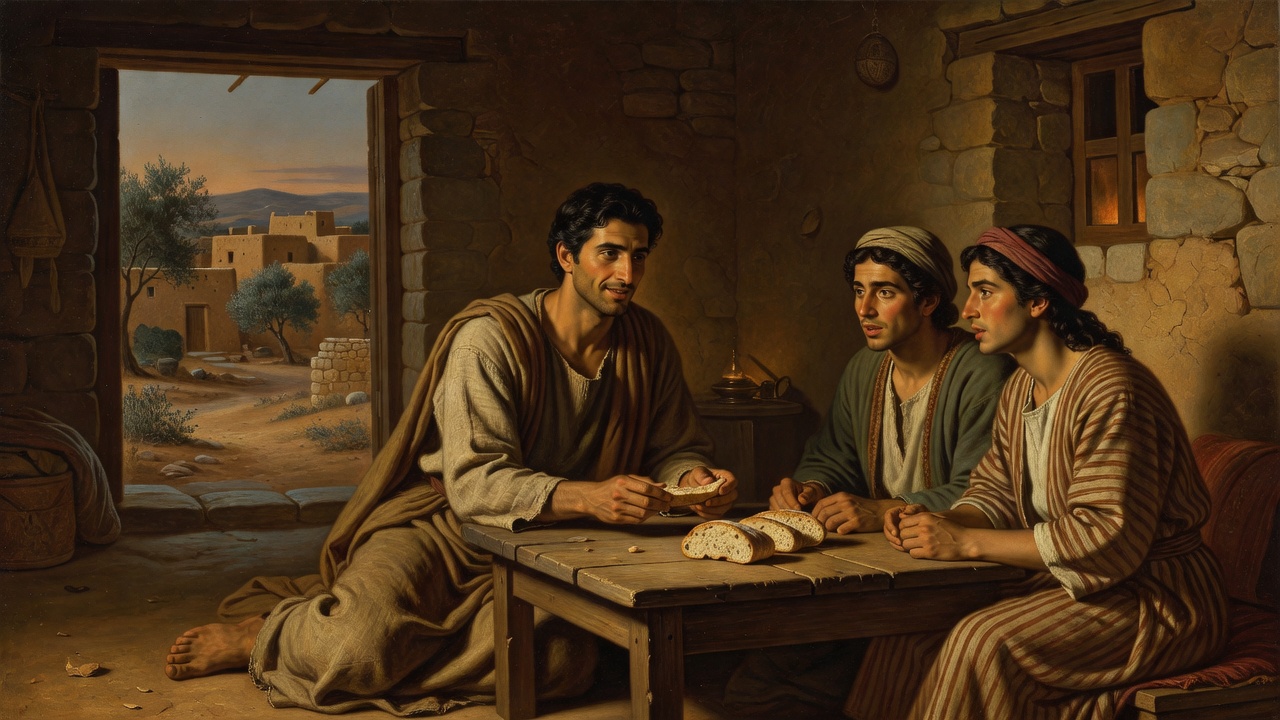
Resurrection morning and the road to Emmaus
- Luke describes Emmaus as a village about seven miles from Jerusalem. Easton's Bible Dictionary (1897) quotes that distance as three-score furlongs and records two identifications: el-Kubeibeh, over seven miles northwest of Jerusalem, whose name, 'little dome,' comes from the remains of a Crusaders' church still found there, and Khurbet Khamasa, 'the ruins of Khamasa,' about eight miles southwest, where Crusader ruins are also found.Sources: Emmaus · the Bible text itself
- Mary Magdalene, Joanna, Mary the mother of James, and other women with them were the ones who told the apostles what had happened at the tomb. Mary Magdalene takes her name from Magdala, her birthplace, and Easton's Bible Dictionary (1897) calls it a mistake to identify her with the woman called 'a sinner' in Luke 7. Joanna, the wife of Chuza, steward of Herod Antipas, tetrarch of Galilee, was one of the women who ministered to Jesus, and the same dictionary says he appeared to her after the resurrection.Sources: Mary Magdalene · Joanna · the Bible text itself
- One of the two disciples on the road is named Cleopas, a shortened form of Cleopatros. Easton's Bible Dictionary (1897) says that nothing definite is known about him, and that it is not certain he was the Clopas of John 19:25 or the Alphaeus of Matthew 10:3, although he may have been.Sources: Cleophas · the Bible text itself
Notes written with AI assistance from open sources (Theographic Bible Metadata, CC BY-SA 4.0; Easton’s Bible Dictionary, public domain) and reviewed before publishing.
Places in this chapter
- Galilee · 32.760, 35.527 · verse 6
- Jerusalem · 31.777, 35.234 · verses 13, 18, 33, 47, 49, 52
- Nazareth · 32.702, 35.298 · verse 19
Only places identified with high confidence are shown (90% or more according to the scholarly sources compiled by OpenBible). Period map: DARE (Digital Atlas of the Roman Empire), CC BY 4.0; modern map: © OpenStreetMap contributors; places: OpenBible.info (CC BY 4.0).
Credits and license for this translation
Anötö ndê Yom Lêŋsêm Wakuc
The New Testament in the Bukawa language of Papua New Guinea
Nupela Testamen long tokples Bukawa long Niugini
copyright © 2000 Lutheran Bible Translators Australia
Language: Bukawa
Translation by: Lutheran Bible Translators Australia
This translation is made available to you under the terms of the
Creative Commons Attribution-Noncommercial-No Derivatives license 4.0.
You may share and redistribute this Bible translation or extracts from it in any format, provided that:
You include the above copyright and source information.
You do not sell this work for a profit.
You do not change any of the words or punctuation of the Scriptures.
Pictures included with Scriptures and other documents on this site are licensed just for use with those Scriptures and documents.
For other uses, please contact the respective copyright owners.
2012-01-13
Source: http://png.bible/buk/ · eBible.org