Acts 19
Melɛ̌ Mékɔ̄ɔ̄lē · Tap a verse to see its cross-references.
Paalɛ akií á Efɛsus
1Apolosɛ ambɛ́ abɛ́ á Kɔrinto, dɔ́ɔ Paalɛ ápóó ene pɛd e mbwɔ́g áte boŋ ápag á Efɛsus. Antán nguse é bad áwed ábe bédúbpé Yesuɛ. 2Dɔ́ɔ ásɛdtɛɛ́ bɔ́ aá “Áde nyéndūbɛ̄ɛ̄ nyênkǔd Edəə́dəŋ eche Ésáá-yɛ?” Bêntimtɛ́n mɔ́ bán, “Aáy, séēwōgɛ̄ɛ̄ ké wógɛ́n bán chǒm édé éche béchəgɛɛ́ bán Edəə́dəŋ éche Ésáá.” 3Paalɛ ansɛdéd bɔ́ aáken, “Nyaa e edusɛn ehéé-ʼɔ̄ nyênkudté?” Bênkwɛntɛ́n bán, “Nyaa e edusɛn echě Jɔnɛ áhɔ́béʼáá.” 4Paalɛ anláá bɔ́ aá, “Nyaa edusɛn echě Jɔnɛ áhɔ́béʼáá ebédɛ́ɛ áyə̄le bad ábe bétɛ́dté abɛl dé mbéb, Jɔnɛ álāŋgē-ʼɛ bad bé Israɛl aá bédúbe ane awě ǎpɛ̌ ámbīd echê, nɛ́dē Yesuɛ.” 5Áde ábɛ̂ bad béwógé chǒm éche Paalɛ áhɔ́bé, bêndusɛ́n bɔ́ á dǐn áde Sáŋgú Yesuɛ. 6Paalɛ ambán bɔ́ mekáá á nló, Edəə́dəŋ éche Ésáá épīī-ʼɛ bɔ́. Dɔ́ɔ bébóótédé mehɔ́b mémpēe ahɔ́b ḿme bad béesóŋtánne, békalé-ʼɛ nkalaŋ ń Dyǒb. 7Ábê bad bébédé dyam dyôm ne bébɛ. Mekɛ ḿme mélóntɛ́né méláán ḿme Paalɛ|src="Paul3-BW.eps" size="span" ref="18.23-21.17"
8Paalɛ andyɛ̌ áwed dyam ngɔn éláán. Póndé-tɛ́ akagéʼáá á ndáb e mekáne, ákanlé bɔ́ ésebán abáaʼ dyamdyam. Bɔ́ɔ̄bɔ̄ɔ bépéntánnáá, áwané-ʼɛ áte âbɛl bédúbe nɛ́n bán chǒm éche áhɔ́bɛɛ́ tə̂ŋgɛne nkamlɛn ń Dyǒb édé mbále. 9Boŋ bɔ́ doŋge á bad bénwūū nló áte, béekobpe adúbe, béhɔ̄bē-ʼɛ mekan mé mbéb tə̂ŋgɛne Nzii e Sáŋgú áʼsō é bad bésyə̄ə̄l. Né-ɔɔ́, Paalɛ antɛdé bɔ́, ákɛ̄ɛ̄n bad ábe bédúbpé. Epun-tɛ́ bɔ́ɔ̄bɔ̄ɔ bépéntánnáá á ndáb e ayə́ge echě meléede Tiranusɛ. 10Paalɛ ambɛl nɛ́n á etûn é mwɛ̌ ḿbɛ. Nɛ̂ dêmbɛ̌l bad bé Israɛl ne bad ábe béesɛ̌ bad bé Israɛl ábe bédyɛ́ɛ́ʼáá á mbwɔ́g e Esia bénwōg eyale é Dyǒb.
Bǎn ábe Skeva béwánné ábīded // bad eʼdəə́dəŋ bé mbéb áte
11Dyǒb dêmbɛ̌l Paalɛ ábɛlé mam mé menyáké ḿme bad bénkêmmɛntɛ́nné anyín. 12Bad bétédéʼáá ké betumbɛ kéʼɛ bewáŋgɛsɛ ábe Paalɛ ábɛ́nlédé, békɛ̄ɛ̄n wɛ́ɛ bad bé nkole, bébɛnlád bɔ́ âmad bɔ́ nkole, bébīdtē-ʼɛ bɔ́ eʼdəə́dəŋ bé mbéb áte. 13Doŋge á bad bé Israɛl ábe bɔ́mpē békágéʼáá mebwɔ́g ne mebwɔ́g bébídté bad eʼdəə́dəŋ bé mbéb áte, bɔ́mpē bênwanɛ́n âbɛnled dǐn áde Sáŋgú Yesuɛ âbɛl ḿmɛ́n nsɔ́n. Béláŋgéʼáá eʼdəə́dəŋ bé mbéb bán, “Nkamlan nyé á dǐn áde Yesuɛ awě Paalɛ ákanlɛɛ́ bad, nɛ́n mɛɛ́ nyébîd ane mod áte.” 14Prisɛ ambáámbáa a bad bé Israɛl nhɔ́g abédé awě béchə́géʼáá bán Skeva. Anchyáá bǎn bé baachóm saámbé. Ábê bǎn bɔ́ɔ̄ bébɛ́léʼáá nɛ̂. 15Boŋ póndé pɔ́g, edəə́dəŋ é mbéb énlāā bɔ́ nɛ́n aá “Mbíí Yesuɛ, mbíí-ʼɛ Paalɛ, benzɛ́ɛ́ nyé-ʼɛ nyédíí?” 16Hɛ́ɛ ane mod awě edəə́dəŋ é mbéb ébédé áte, ábónlédé bɔ́ ne ngíne esyəə́l, atóm-mɛ bɔ́ áte. Bédɛ̂hɔ́b bán bétóme mehélé né amaá bɔ́ alɔ́gɛn, ámād-tɛ bɔ́ mbɔ́té anyabted. 17Bad bé Israɛl ne bad ábe béesɛ̌ bad bé Israɛl ábe bédyɛ́ɛ́ʼáá á Efɛsus bénwōg ádɛ́n dyam. Áde béwógé dɔ́, mbwɔ́g ménkōb bɔ́ bwâmbwam. Dǐn áde Sáŋgú Yesuɛ dɔ́-ʼɛ dênkǔd edúbé éche échábé ámīn. 18Bad híin ábe béndūbē, bêmpɛ̌ á nhɛ́né, bépanlé yə̌l áte, béhɔ̄bēʼ mekan mé mbéb ḿme békɛ̄bɛnlé. 19Bad híin ábe békúméʼáá ngaŋ béntēd échab kálag éche bébɛ́nládtáá âkum ngaŋ, bépɛ̄ɛ̄n chɔ́, béhyáád chɔ́ á nhɛ́né. Kálag ésyə̄ə̄l éche bénhyāādtē éhɛ́láá-sɛ ébɛ nkun dyam móom mé míliɔn métáan. 20Ḿmɛ́n mekan mésyə̄ə̄l ḿme mébɛnládtáá mênkə̌ŋ bad híin béndūbē eyale éche Sáŋgwɛ́ɛ́, ḿmē nkalaŋ ńkanlád-tɛ ngíne ngíne.
Mpoŋgé ḿpédé á dyad dé Efɛsus
21Áde ḿmɛ́n mekan mémáá abɛnled, Paalɛ ammǎd áwē nlém-tê aá mɔ́ɔ̄pǒŋ á mbwɔ́g é Masɛdonia ne á Akaya boŋ ákag a Jerusalɛm. Dɔ́ɔ áhɔ́bɛɛ́ aá, “Nzé mbídé á Jerusalɛm ntə́ŋgɛ́né akɛ á Roma.” 22Né-ɔɔ́, anlóm bad bébɛ ábe béwóŋgánnáá mɔ́, Timotiɛ bɔ́ Erastus á Masɛdonia, mwěn-nɛ ályə̄g á mbwɔ́g e Esia, ádyɛ̄ɛ̄ ámpē mwǎ esóŋ é póndé.
23Enɛ́n póndé chěn dɔ́ɔ̄ mpuutéd ń ngíne ḿbédé á Efɛsus tə̂ŋgɛne Nzii e Sáŋgú echě bad béhídéʼáá. 24Mod nhɔ́g abédé bán Demɛtrusɛ. Alúɛ́ʼáá bwěm bé eʼkii. Abɛléʼáá bwěm ábe bénwāgɛ̄n bwěm éʼ ndáb e dyǒb áde béchə́géʼáá bán Atɛmisɛ. Ḿmɛ́n nsɔ́n ḿpíínádtáá ábe bad bé nsɔ́n nsyə́ŋ ḿme ńchábé ámīn. 25Anlǎd ábē bad bé nsɔ́n áte ne bad ábe bɔ́mpē bébɛ́léʼáá ene ndín e nsɔ́n, álāŋgē bɔ́ aá, “Amúɛ̄, nyêbíí nɛ́n bán ḿme syánē nhɔn ńsyə̄ə̄l ńhúú ne ḿmɛ́n nsɔ́n ḿme débɛlɛɛ́ nɛ́n. 26Bɔɔb-pɔɔ́, nyéběn nyênyíneʼ, nyêwóge-ʼɛ chǒm éche anɛ́n Paalɛ ábɛlɛɛ́. Ahɔ́be nɛ́n aá myǒb ḿme bébɛ́nlé mekáá méesaá myǒb ne abɛ́ děn. Abɛlé-ʼɛ bad híin ábe bédé á Efɛsus ne á mbwɔ́g esyəə́l e Esia, bédúbpé bán mam ḿme áhɔ́bɛɛ́ médé mbále. 27Né-ɔɔ́ mbáaʼ nɛ́n mɛɛ́, nyoŋgé eche syánē ěbēb dǐn. Saá-kaá nɛ̂ děmpɛn, mbáaʼ mɛɛ́ kə́ə́ŋne ndáb e ndəle e dyǒb, Atɛmisɛ chɔ́mpē éebáá dyam dé abɛlɛn ámpē. Bad béenyínné mɔ́ ámpē nɛ́ɛ dyam, áde édíí-ʼaá bán adíi dyǒb áde bad bé Esia bésyə̄ə̄l ne bad bé nkǒŋsé bésyə̄ə̄l bébɛnlɛɛ́.”
28Áde ene ndun e mod éwógé nɛ̂ bênliŋ bwâmbwam, bébootéd-tɛ abón bán, “Atɛmisɛ, dyǒb dé Efɛsus adé ngum tómaa myǒb mésyə̄ə̄l.” 29Ḿmê mpuutéd mênkonnéd dyad áte ásyə̄ə̄l. Ene ndun e mod entɔ̌l Gayɔsɛ bɔ́ Aristakusɛ ábe bémbīd á Masɛdonia ábe bɔ́ɔbɛ Paalɛ bênwǒŋ. Béntōmɛ̄n bɔ́ mehélé, békɛ̄ɛ̄n bɔ́ á ndáb e mbom e bad bé dyad. 30Paalɛ mwěn amboŋsɛ́n âbíd ene ndun e mod áʼsō, boŋ bad ábe bédúbpé Yesuɛ bénkênkwɛntɛ́nné. 31Nguse é bad ábe béhɔ́bpáá mbwɔ́g ábe bɔ́ɔbɛ Paalɛ béwóóʼáá, bɔ́mpē bénlōmē mɔ́ nlébtéd, ne mecháŋgé nɛ́n bán eékə̄gēʼ aá mɔ́kag bad atyéem áʼsō wɛ́ɛ béládné.
32Ene póndé, epuutéd êmpɛ̌ á mbom-tê. Doŋge á bad bébōnēʼ áyə̄le dyam ahɔ́g, ábíníí-ʼɛ bébōnē áyə̄le ádíníí, áyə̄le bɔ́ bad híin bénkêmbííʼɛ́ ké atɔ́n áde áládé bɔ́ áhed. 33Ngáne édíí nɛ́n bán Alɛsandaa mɔ́ɔ bad bé Israɛl béntōmēdtē áʼsō, bad behɔ́g béláŋgéʼáá mɔ́ bán mɔ́ atə́ŋgɛ́né bad mekan alúmed áte. Hɛ́ɛ Alɛsandaa álúmté ekáá aá bad bélâm ehɔ́b. Ahɛdéʼáá bad alúmed áte nɛ́n aá saké bɔ́ɔbɛ ábê bad békə́ə́ boŋ mpuuted ḿbɛ́. 34Boŋ áde bad béchémé nɛ́n bán Alɛsandaa adíi mod a Israɛl, bɔ́ moosyəə́l bêmbootéd abón bán, “Atɛmisɛ, dyǒb dé Efɛsus adé ngum tómaa myǒb mésyə̄ə̄l.” Bémbōn nɛ́n áyə̄le háwa ébɛ. 35Kə́ə́ŋ ne á asóg, mod a mbwɔ́g nhɔ́g mɔ́ amběd bad áte. Anhɔ́b aá, “A-baányaŋ bé Efɛsus, moosyəə́l abíí aá dyad dé Efɛsus dɔ́ɔ ánɔne ndáb e mekáne eche Atɛmisɛ, eche syánē ndəle e dyǒb. Moosyəə́l abíí-ʼɛ aá ádɛ́n dyad dɔ́ anɔ́ne kə́ə́ŋne aláá á ngəŋgú áde ábídé ámīn. 36Ngáne nyé moosyəə́l nyébíí-ʼaá nɛ́n bán modmod eéhɛ̄lɛ̄ɛ̄-sɛ ahɛ́ ḿmɛ́n mekan nswaŋ, éebooʼɛ́ bán nyépɛɛn mpoŋgé ké nhɔ́g. 37Ké nɛ̂ŋgáne nyépɛ́ɛ́né ábɛ́n bad hɛ́n, béēchíbɛɛ́ chǒmchǒm á ndáb é myǒb, béēhɔ́bɛɛ́-ʼɛ ádɛd dyǒb mekan mé mbéb áyə̄l. 38Né-ɔɔ́, nzé Demɛtrusɛ ne ábē bad bé nsɔ́n béwóŋné mod mehɔ́b, bébíi nɛ́n bán eʼpun éʼ kóte éʼdé, bad bé mbwɔ́g-kɛ bédé ábe békáadte. Béhɛle-sɛ bésɔ́mɛ́n ane mod áhed. 39Nzé-ʼɛ chǒm émpēe édé éche nyékooʼɛ́ ahɛd né mbom ḿ bad bé dyad, mɔ́ɔ̄ mɛ̄yālē, ngáne mbéndé ékalɛɛ́. 40Nhɔ́be nɛ́n áyə̄le dyam áde ábɛ́nlédé chii, ngɔ́menaa a Roma ǎhɔ̄b aá syánē depɛɛ́né mpoŋgé. Nzɔm ké pɔ́g eésaá echě débɛlɛɛ́ ḿmɛ́n mpuuted ńsyə̄ə̄l. Nzɔm e bwâm ké pɔ́g-kɛ eésaá echě dehɛle débɛ bɔ́ áyə̄le ḿmɛ́n mpuutéd.” 41Áde ámáá ahɔ́b nɛ̂ anláá bad aá mod tɛ́ɛ́ asúɛʼ áwe ndáb.
Did you know?
Paul, the Way, and Artemis in Ephesus
- Ephesus was the capital of proconsular Asia, the Roman province covering the western part of Asia Minor, and in Roman times it bore the title of the first and greatest metropolis of Asia. The city was distinguished for the temple of Artemis, whom the Romans called Diana, built outside the walls and reckoned one of the seven wonders of the ancient world. At its center stood an ancient image of the goddess, reputed to have fallen from the sky.Sources: Ephesus · Diana · Asia
- Demetrius, a silversmith at Ephesus, made silver shrines of Artemis, models of her temple or of her statue, which sold readily to visitors from all over Asia Minor. Acts says this trade was the craftsmen's source of prosperity, and that Demetrius warned them of danger to their business and to the honor of the temple of Artemis, the goddess he said was worshiped throughout the province of Asia and the whole world.Sources: Demetrius · the Bible text itself
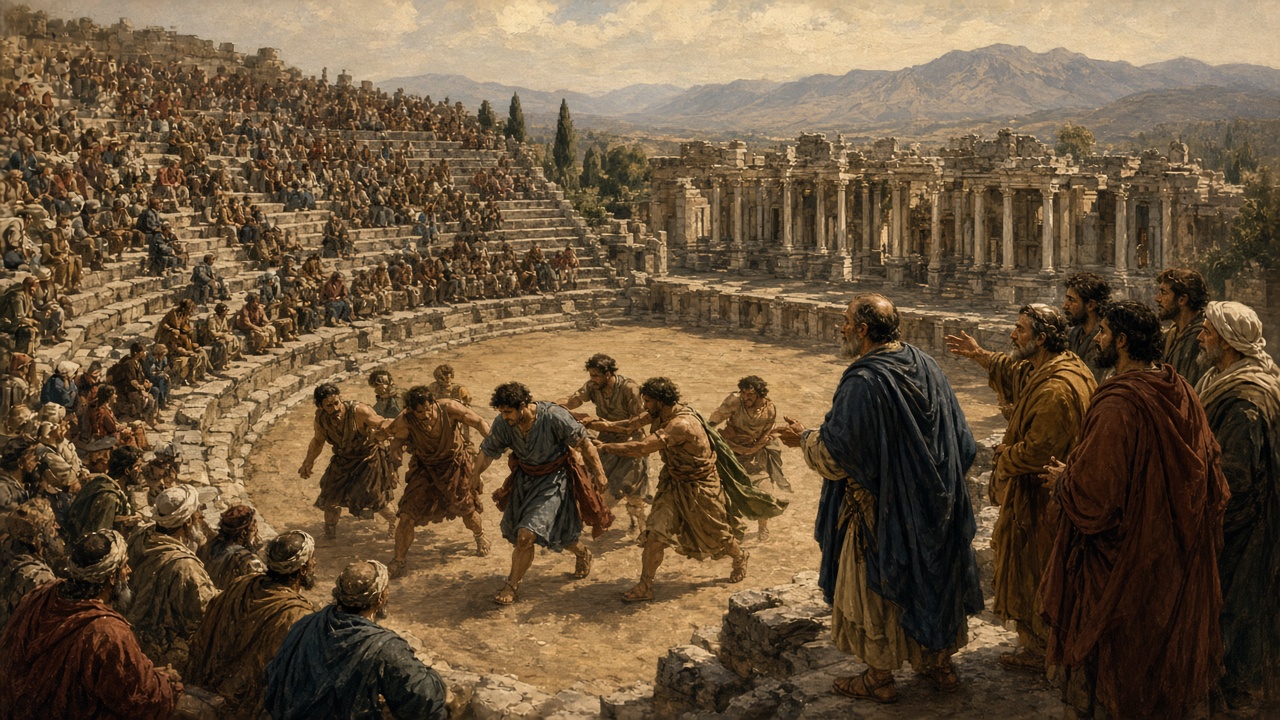
- The crowd rushed into the theatre of Ephesus, which Easton's Bible Dictionary (1897) describes as the largest in the world, open to the sky and able to hold 50,000 spectators. Friends of Paul among the chiefs of Asia, wealthy citizens elected each year to preside over the games and religious festivals of their cities, begged him not to go in. The city clerk then reminded the assembly that Ephesus was guardian of the temple of the great Artemis and of her image, said to have fallen from heaven.Sources: Ephesus · Asia · the Bible text itself
Notes written with AI assistance from open sources (Theographic Bible Metadata, CC BY-SA 4.0; Easton’s Bible Dictionary, public domain) and reviewed before publishing.
Places in this chapter
- Corinth · 37.906, 22.879 · verse 1
- Ephesus · 37.939, 27.341 · verses 1, 17, 23, 26, 35
- Asia · 38.400, 28.300 · verses 10, 22, 26, 27, 31
- Achaia · 38.720, 22.540 · verse 21
- Jerusalem · 31.777, 35.234 · verse 21
- Macedonia · 41.600, 22.540 · verses 21, 22, 29
- Rome · 41.892, 12.485 · verses 21, 40
Only places identified with high confidence are shown (90% or more according to the scholarly sources compiled by OpenBible). Period map: DARE (Digital Atlas of the Roman Empire), CC BY 4.0; modern map: © OpenStreetMap contributors; places: OpenBible.info (CC BY 4.0).
Credits and license for this translation
Melɛ̌ Mékɔ̄ɔ̄lē
New Testament in Akoose (CM:bss:Akoose)
copyright © 2011 Wycliffe Bible Translators, Inc.
Language: Akoose
Translation by: Wycliffe Bible Translators, Inc.
Akoose
bss
Cameroon
Copyright Information
© 2011, Wycliffe Bible Translators, Inc. All rights reserved.
This translation text is made available to you under the
terms of the Creative Commons License: Attribution-Noncommercial-No Derivative Works.
( http://creativecommons.org/licenses/by-nc-nd/3.0/ )
In addition, you have permission to port the text to different file formats, as long as you
do not change any of the text or punctuation of the Bible.
You may share, copy, distribute, transmit, and extract portions
or quotations from this work, provided that you include the above copyright
information:
You must give Attribution to the work.
You do not sell this work for a profit.
You do not make any derivative works that change any of the actual words or punctuation of the Scriptures.
Permissions beyond the scope of this license may be
available if you contact
us with your request.
The New Testament
in Akoose
© 2011, Wycliffe Bible Translators, Inc. All rights reserved.
This translation is made available to you under the terms of the
Creative Commons Attribution-Noncommercial-No Derivatives license 4.0.
You may share and redistribute this Bible translation or extracts from it in any format, provided that:
You include the above copyright and source information.
You do not sell this work for a profit.
You do not change any of the words or punctuation of the Scriptures.
Pictures included with Scriptures and other documents on this site are licensed just for use with those Scriptures and documents.
For other uses, please contact the respective copyright owners.
2014-04-21
Source: http://ebible.org/bssNT/ · eBible.org