Acts 15
Melɛ̌ Mékɔ̄ɔ̄lē · Tap a verse to see its cross-references.
Mbom ńkóbté á Jerusalɛm // âmad ehɔ́b á mwembé-te
1Bad behɔ́g bémbīd á mbwɔ́g e Judeya bépɛ̄ á Antyɔg. Bêmbootéd bad ayə́ged nɛ́n bán, “Nzé béeyage mod ngáne mbéndé e Mosɛ éhɛdɛɛ́, né éekudté eʼsoósoŋ.” 2Nɛ́n dêmbɛ̌l Paalɛ bɔ́ Banabasɛ béswáŋtánnáá ngíne ngíne kə́ə́ŋ bɔ́ɔ̄bɔ̄ɔ bétíí bán Paalɛ bɔ́ Banabasɛ ne nguse é bad émpēe békɛ á Jerusalɛm, békɛ bényîn bembapɛɛ bé nlómag ne belyə́ged bé mwembé tə̂ŋgɛne ádê atɔ́n. 3Bad bé mwembé bénlyə̄gēd bɔ́ á nzii. Bêmbwɛ̌ á mbwɔ́g é Fonisia ne Samaria béláŋgé bad ngáne bad ábe béesɛ̌ bad bé Israɛl bédúbpé Dyǒb. Ḿmɛ́n nkalaŋ ménwōgēd bad ábe bédúbpé Yesuɛ menyiŋge. 4Áde Paalɛ bɔ́ Banabasɛ bépédé á Jerusalɛm, mwembé ḿme médé áwed, bembapɛɛ bé nlómag ne belyə́ged bé mwembé bênkob bɔ́ nken. Paalɛ bɔ́ Banabasɛ bénlāā bɔ́ mekan ḿme Dyǒb ábɛ́lé mbwiined ne bɔ́. 5Boŋ doŋge á bad ábe bédúbpé Yesuɛ ábe bémbē epepé éche Befarisia béntyēēm ámīn, béhɔ́b bán, “Bétə́ŋgɛ́né bad ábe béesɛ̌ bad bé Israɛl ábɛ bédúbpé Yesuɛ ayag, béláá-ʼɛ bɔ́ bán bétə́ŋgɛ́né mbéndé éche Mosɛɛ ahíd.”
6Dɔ́ɔ bembapɛɛ bé nlómag ne belyə́ged bé mwembé békóbé mbom ânɔn ádê akan áte. 7Áde bélébé aswaŋtɛn dɔ́ɔ Petro átyéémé ámīn boŋ áhɔ̄bē aá, “A-baányaŋ, édé etûn é póndé bɔɔb áde Dyǒb ápwɛ́dé mɛ átîntê echɛ̂n, âkale bad ábe béesɛ̌ bad bé Israɛl nkalaŋ ḿ bwâm âbɛl nɛ́n béwôg mɔ́ bédúbe-ʼɛ. 8Dyǒb áde ábíí-ʼɛ moosyəə́l nlém áte, álúmté aá mɔ́bagé bad ábe béesɛ̌ bad bé Israɛl kunze âdúbe, abɛ áde ábágé bɔ́ Edəə́dəŋ éche Ésáá melemlem ngáne ábágé syánē ámpē. 9Dyǒb dénkêntédté bɔ́ aá bédé nhəŋlɛ́n ne syánē ké mwǎmpīn. Anlagsɛ́n bɔ́ mbéb áyə̄le adúbe áde bénwālɛ̄ɛ̄. 10Bɔɔb-pɔɔ́, cheé ékə́ə́ boŋ nyéhɛdéʼ Dyǒb akəg, âpémed bad ábe bédúbpé Yesuɛ nted ḿme ábɛ̄d betaa bénkênhɛnlé apém ḿme ké syánē déehɛlɛɛ́ apém? 11Éebooʼɛ́ nɛ̂! Dedúbpé dekudé-ʼɛ eʼsoósoŋ mbwiined ne nsimé ḿme Sáŋgú Yesuɛ, melemlem ngáne bɔ́mpē békúdé.”
12Moosyəə́l anlám ehɔ́b béwōglān Banabasɛ bɔ́ Paal. Banabasɛ bɔ́ Paal békánléʼáá bɔ́ eʼchemléd ne menyáké ḿme Dyǒb ábɛ́lé mbwiined ne bɔ́ átîntê e bad ábe béesɛ̌ bad bé Israɛl. 13Áde bémádné, dɔ́ɔ Jemsɛ áhɔ́bɛɛ́ aá, “A-baányaŋ, nyéwóglɛn mɛ! 14Simɔnɛ alúmté syánē áte hɛ́n bɔɔb ngáne Dyǒb ábootédé ábē eʼboŋ bé nlém alúmed wɛ́ɛ bad ábe béesɛ̌ bad bé Israɛl, átéd áde átédé bad átîntê echâb âbɛ́ ábē bad. 15Nɛ́n děn ábɛ́lé eʼyale ábê nkal éʼdəə́dəŋ éʼlóné. Éténlédé nɛ́n bán,
16‘Mɛ Sáŋgwɛ́ɛ́ nhɔ́bé mɛɛ́, nzé nɛ́n ámáá atóm, mɛ̌pɛ̌ ámpē,
mɛ̌lōŋ ndáb echě Dabidɛ ámpē echě empáa.
Mɛ̌lōŋ chǒm ésyə̄ə̄l éche émpāŋtēd áte ńtīmēd-tɛ chɔ́ ngáne énsēbɛ̄ɛ̄ abɛ́.
17Nɛ̂ dɛ́bɛ̌l bad bé nkǒŋsé bésyə̄ə̄l bɛ́pɛ̌ áwêm,
ḿpwɛdé bad ábe béesɛ̌ bad bé Israɛl âbɛ́ ábêm bad. Mɛ Sáŋgwɛ́ɛ́ mɛɛ́ nhɔ́be.
18Mɛ́ɛ mbɛlé boŋ ḿmɛ́n mekan mébyɛ́ɛ́n seʼ bɔɔ́d.’ ”
19Dɔ́ɔ Jemsɛ ákagké áʼsō aá, “Ne mɛ, ḿmêm mewêmtɛn médé nɛ́n mɛɛ́ deétagté bad ábe béesɛ̌ bad bé Israɛl ábe bétímné Dyǒb. 20Chǒm éche détə́ŋgɛ́né abɛl édíi âtele bɔ́ kálag nɛ́n bán béēdyāg medyɛ́ ḿmě bébágé myǒb mémpēe nɛ́ɛ mendɛ, áyə̄le ḿmê medyɛ́ méēsáaʼɛ́, béēkābē mesón, béēdyāg nyam echě béēsɛ̄lɛ̄ɛ̄ nkə́ŋ, béēdyāg-kɛ mekií. 21Debíí nɛ́n bán seʼ bɔɔ́d bélááʼáá mbéndé éche Mosɛɛ á ndáb é mekáne á mbwɛ-mé-nkɔ́me-áte. Békale-ʼɛ ábē eʼyale dyad ne dyad tɛ́ɛ́.”
Béténlé bad ábe béesɛ̌ bad bé Israɛl kálag
22Dɔ́ɔ bembapɛɛ bé nlómag ne belyə́ged bé mwembé, ne bad bé mwembé bésyə̄ə̄l bényíné nɛ́n bán ébóó bán bépwɛd bad átîntê echâb, bélôm bɔ́ á Antyɔg nchoo ne Paalɛ bɔ́ Banabasɛ. Bêmpwɛ̌d Judasɛ awě béchə́géʼáá bán Basabasɛ bɔ́ Sailas, bɔ́ bad bébɛ ábe bélyə́gtéʼáá átîntê echâb. 23Kálag eche bénlōmɛ̄nnē bɔ́ á Antyɔg, ebédé nɛ́n, “Sé bembapɛɛ bé nlómag, ne belyə́ged bé mwembé, ábɛn baányaŋ, sêlômme nyé melɛntɛn. Nyé ábe nyêdé bǎnned ábe nyéēsɛ̌ bad bé Israɛl. Nyé ábe nyêdyɛɛ á dyad á Antyɔg ne á mbwɔ́g é Siria ne Silisia. 24Sêsóŋtɛ́né nɛ́n bán bad behɔ́g ábe bébídé áwɛ̄d, bêmpɛ̌ áwɛ̄n, bépuutád nyé nló áte ne mam ḿme béhɔ́béʼáá. Boŋ nyébíi nɛ́n bán sênkêmbagké bɔ́ kunze âbɛl nɛ̂. 25Né-ɔɔ́, sêdyɛɛ́ ásē moosyəə́l sêtíídé nɛ́n bán ébóó sépwɛd doŋge á bad âlóm bɔ́ áwɛ̄n. Bɛ́woón Paalɛ bɔ́ Banabasɛ ábe sédə́ə́ bwâmbwam. 26Bɔ́ bad bébɛ bébagé yə̌l âbɛle echɛd Sáŋ Yesu Krǐstəə ésebán bébáaʼ kwééd. 27Né-ɔɔ́, sêlômme nyé Judasɛ bɔ́ Sailas, bɛ́lāā nyé melemlem mé mekan ḿme séténlé nyé. 28Edəə́dəŋ éche Ésáá élyə́gté sé âtíi nɛ́n séetagté nyé ne mekan mémpēe étōmɛɛ́ ḿmɛ́n mekan ḿme médé etognɛ́n. 29Nyéedyág medyɛ́ ḿme bébágé myǒb mémpēe nɛ́ɛ mendɛ, nyéedyág mekií, nyéedyág nyam ké pɔ́g echě béēsɛ̄lɛɛ́ nkə́ŋ, nyéēkābē-ʼɛ mesón. Nzé nyéēbɛ̄lē ḿmɛ́n mekan né ébǒŋ. Dényînneʼ ámpē.”
30Áde bémáá ene kálag atel, bénlyə̄gēd ábê bad á nzii, békɛ-ʼɛ á Antyɔg. Áde bépédé áwed, bênlǎd bad ábe bédúbpé Yesuɛ bésyə̄ə̄l áte boŋ bébɛ bɔ́ kálag. 31Áde ábê bad béláá ene kálag, bémbɛ̄ menyiŋge bwâmbwam áyə̄le nkalaŋ mé eʼwéd bé nlém ḿme ḿbédé áwēd-te. 32Judasɛ bɔ́ Sailas bébédɛ́ɛ bekal béʼdəə́dəŋ, bênkalɛ́n-nɛ bɔ́ áyə̄le e etûn é póndé, bénhɔ̄dēd bɔ́ mewêmtɛn béwéd-tɛ bɔ́ nlém á abum. 33Áde bélébé mwǎ adyɛɛ áwed, bad ábe bédúbpé Yesuɛ bénlyə̄gēd bɔ́ ne nsaŋ boŋ bétīm ámbīd wɛ́ɛ bad ábe bénlōm bɔ́. 35Paalɛ bɔ́ Banabasɛ bêndyɛɛ́ á Antyɔg mwǎ etûn é póndé. Béyə̄gtē, békalé-ʼɛ eyale éche Sáŋgwɛ́ɛ́ nlatɛ́n ne ekud é bad émpēe.
Paalɛ bɔ́ Banabasɛ békábné áte
36Éebemɛɛ́ áte ámbīd enɛ̂, dɔ́ɔ Paalɛ álâŋgɛɛ́ Banabasɛ aá, “Détim ámbīd, dékɛ dénɔn ábɛ̄d baányaŋ bé Krǐsto dyad-tɛ́ áde dékálé nkalaŋ ḿme Sáŋgwɛ́ɛ́, boŋ déhɛd-tɛ áte ngáne mekan mékɛɛ́nɛɛ́ bɔ́.” 37Banabasɛ anwóŋ mewêmtɛn âwále Jɔn Makɔsɛ áyə̄l, 38boŋ Paalɛ annyín aá éetə̂ŋgɛnɛɛ́, áyə̄le Jɔn Makɔsɛ ansébé bɔ́ achene á nzii áde béēpīdɛ̄ɛ̄ nsɔ́n á asóg. Antɛdé bɔ́ á dyad á Pamfilia átīm ámbīd. 39Mpentɛn ń ngíne mêmpɛ̌ átîntê echâb kə́ə́ŋ békābɛ̄n áte. Banabasɛ antéd Makɔsɛ béchābē edib békɛ̄ á aloŋ a Saiprus. 40Paalɛ ámpē ampwɛ̌d Sailasɛ. Baányaŋ bé Krǐsto bénkānnēd bɔ́ bán nsimé ḿme Sáŋgwɛ́ɛ́ ńlyə́gte bɔ́. 41Paalɛ ambwɛɛ́n Sailasɛ á mbwɔ́g e Siria ne Silisia békag béwēdē mwembé áte.
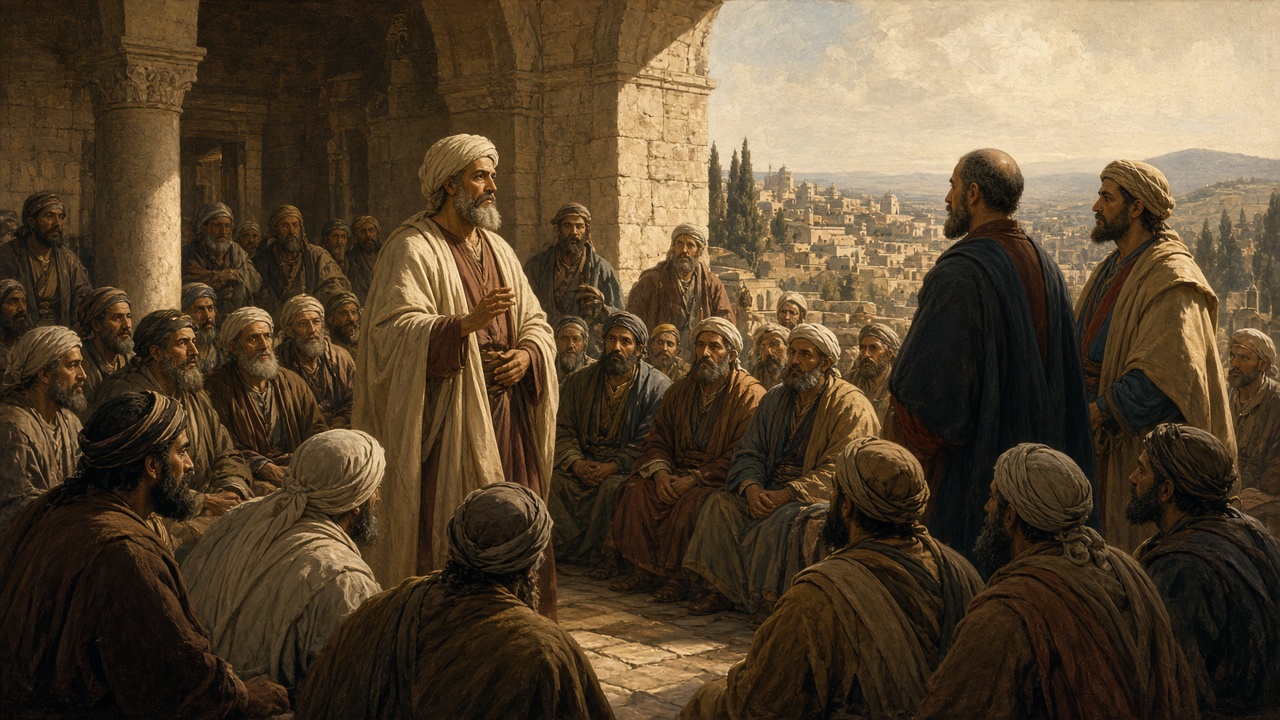
Did you know?
The Council on Gentile Believers
- The dispute began in Antioch, on the Orontes about three hundred miles north of Jerusalem, then ranked third among the cities of the Roman empire, after Rome and Alexandria. On the way to the council, Paul and Barnabas passed through Phoenicia, a coastal strip about one hundred twenty miles long, and through Samaria. A chronological note dates the Jerusalem Council to AD 46.Sources: Antioch (Syria) · Phenicia · the Bible text itself · Jerusalem Council
- Easton's Bible Dictionary (1897) says that James, whom it calls the brother or near kinsman of Jesus, headed the church in Jerusalem and presided at the council on the Gentiles. The letter that followed was addressed to Gentile believers in Antioch, Syria, and Cilicia. Cilicia, Paul's home province and a maritime Roman province in the southeast of Asia Minor since 67 BC, included his native city of Tarsus.Sources: James (Brother of Jesus) · the Bible text itself · Cilicia · Paul
- Judas, called Barsabbas, and Silas, also known as Silvanus, were prophets and leading men of the Jerusalem church, sent to confirm the council's decision in person. A later sharp disagreement over John Mark, cousin of Barnabas, separated the two missionaries: Barnabas took Mark and sailed for Cyprus, while Paul chose Silas. A chronological note dates that parting to AD 47.Sources: the Bible text itself · Silas · John Mark · Paul and Barnabas part ways
Notes written with AI assistance from open sources (Theographic Bible Metadata, CC BY-SA 4.0; Easton’s Bible Dictionary, public domain) and reviewed before publishing.
Places in this chapter
- Antioch · Today: Antioch on the Orontes · 36.227, 36.172 · verses 1, 22, 23, 30, 35
- Judea · Today: Judea 1 · 31.777, 35.234 · verse 1
- Jerusalem · 31.777, 35.234 · verses 2, 3, 4, 22, 23, 33
- Phoenicia · 33.271, 35.196 · verse 3
- Samaria · Today: Samaria 2 · 32.276, 35.195 · verse 3
- Cilicia · 36.913, 34.892 · verses 23, 41
- Syria · Today: Syria 2 · 33.511, 36.306 · verses 23, 41
- Pamphylia · 37.000, 31.000 · verse 38
- Cyprus · 35.000, 33.000 · verse 39
Only places identified with high confidence are shown (90% or more according to the scholarly sources compiled by OpenBible). Period map: DARE (Digital Atlas of the Roman Empire), CC BY 4.0; modern map: © OpenStreetMap contributors; places: OpenBible.info (CC BY 4.0).
Credits and license for this translation
Melɛ̌ Mékɔ̄ɔ̄lē
New Testament in Akoose (CM:bss:Akoose)
copyright © 2011 Wycliffe Bible Translators, Inc.
Language: Akoose
Translation by: Wycliffe Bible Translators, Inc.
Akoose
bss
Cameroon
Copyright Information
© 2011, Wycliffe Bible Translators, Inc. All rights reserved.
This translation text is made available to you under the
terms of the Creative Commons License: Attribution-Noncommercial-No Derivative Works.
( http://creativecommons.org/licenses/by-nc-nd/3.0/ )
In addition, you have permission to port the text to different file formats, as long as you
do not change any of the text or punctuation of the Bible.
You may share, copy, distribute, transmit, and extract portions
or quotations from this work, provided that you include the above copyright
information:
You must give Attribution to the work.
You do not sell this work for a profit.
You do not make any derivative works that change any of the actual words or punctuation of the Scriptures.
Permissions beyond the scope of this license may be
available if you contact
us with your request.
The New Testament
in Akoose
© 2011, Wycliffe Bible Translators, Inc. All rights reserved.
This translation is made available to you under the terms of the
Creative Commons Attribution-Noncommercial-No Derivatives license 4.0.
You may share and redistribute this Bible translation or extracts from it in any format, provided that:
You include the above copyright and source information.
You do not sell this work for a profit.
You do not change any of the words or punctuation of the Scriptures.
Pictures included with Scriptures and other documents on this site are licensed just for use with those Scriptures and documents.
For other uses, please contact the respective copyright owners.
2014-04-21
Source: http://ebible.org/bssNT/ · eBible.org