1 Corinthians 10
Melɛ̌ Mékɔ̄ɔ̄lē · Tap a verse to see its cross-references.
Paalɛ aá bad béebɛnlád myǒb mé metóm
1A-baányaŋ, ndəə́ mɛɛ́ nyékamtɛn ábɛ̄d betaa ábe Mosɛɛ ályə́gtéʼáá áde bébídé á Egipto. Dyǒb dénlōmē bɔ́ mbag echě elyə́gtéʼáá bɔ́. Bɔ́ moosyəə́l bêmpǒŋ á edíb é nkwɛ̌ te ésebán béhóoʼ. 2Apoŋ áde bêmpoŋgé á edíb é nkwɛ̌-te ne abɛ́ áde bémbɛ̄ɛ̄ ásē e mbag dêmbɛ̌l bênkǔd edusɛn, béhīdē-ʼɛ Mosɛɛ. 3Bɔ́ moosyəə́l béndyɛ̄ ndyééd e edəə́dəŋ eche Dyǒb dénlōmɛ̄ɛ̄ bɔ́ mbwiined ne menyáké. 4Melemlem bémmwɛ̄-ʼɛ mmíítéd mé edəə́dəŋ ḿme Dyǒb dénlōmɛ̄ɛ̄ bɔ́ mbwiined ne menyáké. Bémmwɛ̄ mendíb ḿme Dyǒb dêmbɛnlé boŋ mébíd á ndim e aláá-te echě embɛ́ ne bɔ́. Ene ndim e aláá ebédɛ́ɛ Krǐstəə. 5Boŋ kénɛ̂ Dyǒb dénkênwógɛ́nné bɔ́ bad híin menyiŋge. Nê dênkə̌ŋ anwúú bɔ́, ndim ńhɛntéd bɔ́ áte á ehyáŋge.
6Bɔɔb-pɔɔ́, ḿmɛ́n mekan mésyə̄ə̄l médíi nɛ̂ŋgáne eláŋsɛ́n âsím syánē etúu áte, nɛ́n deewóó nlém âbɛl mbéb ngáne bébɛ́léʼáá. 7Nyéēbɛnlé myǒb mémpēe ngáne bɔ́ doŋge á bad bébɛ́nléʼáá. Éténlédé á kálag e Dyǒb nɛ́n bán, “Ábê bad bêndyɛɛ́ ásē, bédyāg bwěm, bémwāg mǐm, bébɛlé-ʼɛ mbinde é mekan.” 8Syánē deekábé mesón ngáne bɔ́ doŋge á bad bébɛ́léʼáá. Nɛ́n dêmbɛ̌l Dyǒb dénkɔ̄gsɛ̄n bɔ́, bɔ́ bad móom mé eʼkə́lé mébɛ ne eʼkə́lé éʼláán béwɛ́ epun ehɔ́g. 9Syánē deékə̄gē Sáŋgwɛ́ɛ́ ngáne ábɛ̄d betaa bêmbɛnlé boŋ nyə̌ éwúú bɔ́. 10Syánē deenyoŋnád Dyǒb áte ngáne bɔ́ doŋge á bad bébɛ́léʼáá. Dyǒb dénlōm ángɛl e kwééd ewúú bɔ́. 11Ḿmɛ́n mam mésyə̄ə̄l mêmbɛnléd âbɛl mébɛ̂ nɛ̂ŋgáne eláŋsɛ́n wɛ́ɛ bad bémpēe, bêntěl-lɛ mɔ́ ásē âsím syánē etúu áte. Syánē dedé bɔɔb á póndé echě nkǒŋsé ńkwógé apɛ á asóg. 12Né-ɔɔ́, mod a Krǐsto ké ahéé awě awémtɛ́né aá mɔ́tyēēmē á adúbe-tê átêd póndé âbɛl boŋ eékwāg. 13Mekəgsɛn ké méhéé ḿme métáné wɛ, médíi nyaa e mekəgsɛn echě etáne bad bémpēe. Boŋ Dyǒb áwóó nlém ḿmé bad béhɛle-sɛ bésum mɔ́ nlém á yə̌l, éemwaáʼáa-ʼɛ aá ékud mekəgsɛn ḿme métómé wɛ. Póndé echě mekəgsɛn mɛ́pɛɛ́, ǎbɛ̄l ebíd mɔ́ áte, abɛ áde ábɛɛ́ wɛ ngíne âtóm mɔ́ áte.
Paalɛ aá bad béetə̂ŋgɛnɛɛ́ // akɛ á ngande é myǒb mémpēe
14Né-ɔɔ́, a-baányaŋ, nyéēbɛnlé myǒb mé metóm. 15Nhɔ́be áwɛ̄n nɛ́ɛ bad ábe ḿbíí mɛɛ́ béwóó debyɛ́ɛ́. Nyéběn nyédol áte chǒm éche ńlâŋgɛɛ́ nyé. 16Póndé eche syánē ábe dedúbpé démíidɛɛ́ mbwendé ḿ mǐm nhɔ́g, debage Dyǒb nságnɛ́n ḿme Krǐstəə. Melemlem ne ewɛle éche débɛlé déladné âdyɛ́, debɛlé dedyɛ́ yə̌l echě Krǐstəə. 17Ngáne édíí bán ewɛle édíi ehɔ́g, kénɛ́ɛ syánē débúú áte, dedíi yə̌l pɔ́g, áyə̄le melemlem mé ewɛle mɔ́ɔ dédyágkē. 18Nyénɔne bad bé Israɛl, bad ábe bédyâg medyɛ́ ḿme bébágé nɛ̂ŋgáne mendɛ á menyán, bɔ́mpē bélatan á menyán mé mendɛ âbɛ Dyǒb edúbé. 19Cheé ńkooʼɛ́ ahɔ́b hɛ́n? Nhɔ́bé mɛɛ́ eʼdiídiŋgɛ ábe bad bébagɛɛ́ mendɛ, ne ḿmê mendɛ ḿme bébagɛɛ́, bédé dyam-ɛ? 20Aáy, chǒm éche ńhɔ́bɛɛ́ édíi nɛ́n mɛɛ́, mendɛ ḿme bébagɛɛ́ á menyán ḿme bad ábe béēdúbpe Dyǒb, saké Dyǒb dɔ́ɔ bébagɛɛ́ mɔ́, eʼdəə́dəŋ bé mbéb bɔ́ɔ bébagɛɛ́. Meéhɛ̄dɛ̄ɛ̄ mɛɛ́ nyéwôŋ dyamdyam abɛl ne eʼdəə́dəŋ bé mbéb. 21Nyéēhɛ̄lɛ̄ɛ̄-sɛ nyémīīdē mbwendé ḿme Sáŋgwɛ́ɛ́ nyémīīdē-ʼɛ ḿme eʼdəə́dəŋ bé mbéb. Nyéēhɛ̄lɛ̄ɛ̄-sɛ nyéladnéʼ âdyɛ́ ndyééd á menyán mé mendɛ ḿme Sáŋgwɛ́ɛ́, nyéladné-ʼɛ âdyɛ́ á menyán mé eʼdəə́dəŋ bé mbéb. 22Dehɛde Dyǒb kɔ́njí ahɛ́ áte-yɛ? Dewêmtan bán dedé ngíne tómaa mɔ́-yɛ?
Kéchéé éche débɛlɛɛ́ débɛl chɔ́ âbɛ Dyǒb edúbé
23Bad béhɔ́be nɛ́n bán “Dewóó kunze âbɛl kéchéé éche dédə́ə́ abɛl.” Nɛ̂ ádé mbále, boŋ saké chǒm ésyə̄ə̄l ébóó abɛl. “Dewóó kunze âbɛl kéchéé éche dédə́ə́ abɛl”, boŋ saké chǒm ésyə̄ə̄l épɛɛne nsyə́ŋ. 24Nyé modmod eéhɛ̄dē chǒm éche épiinad mwěmpɛn bwâm boŋ nyéhɛde chǒm éche éwôŋgan bad bémpēe. 25Nyêwóó kunze âdyɛ́ kéchéé éche nyécháné á dyɔn-tê áde nyéesɛdtɛɛ́ dyam áde dɛ́bɛ̌l boŋ nlém ńkɔgléd nyé á abum tə̂ŋgɛne éche chǒm éche nyécháné. 26Éténlédé á kálag e Dyǒb nɛ́n bán, “Nkǒŋsé ne chǒm ésyə̄ə̄l éche édé áwēd-te bédíi ábe Sáŋgwɛ́ɛ́.” 27Nzé mod awě eedúbpe Dyǒb alébpé wɛ âhyɛ dé adyɛ́ ndyééd, boŋ etíídé wɛɛ́ mɔ́kag, edyɛ́ kéchéé éche ábágé wɛ ésebán esɛdte mɔ́ dyamdyam tə̂ŋgɛne ene ndyééd. Nlém méekɔglád wɛ á abum âsɛded dyam tə̂ŋgɛne ene ndyééd. 28Boŋ nzé mod aláŋgé wɛ aá “Enɛ́n ndyééd bêmbɛ chɔ́ nɛ́ɛ mendɛ wɛ́ɛ eʼdiídiŋgɛ,” weedyág chɔ́ áyə̄l echê ne âbɛl boŋ nlém méekɔglád modmod á abum. 29Nɛ́dē, saké ngáne nɛ̂ dɛ́bɛnlé boŋ nlém ńkɔgléd wɛ á abum boŋ bwâmbwam ngáne nɛ̂ dɛ́bɛnlé boŋ aníníí mod átagé áte á nlém-tê. Cheé ékə̌ŋ boŋ nlém ḿmé ńkɔglad mod ampée á abum ḿbɛl boŋ meébɛnlad kunze echě ebǎgnédé mɛ? 30Nzé mbagé Dyǒb meságnɛn áyə̄le ndyééd echě ábágé mɛ, chán édíí bán mod ampée ahɛle áhɔ̄bē mɛ mam mé mbéb áyə̄l, áyə̄le ḿbágé meságnɛn. 31Né-ɔɔ́, kéchéé éche mod ábɛlɛɛ́, ké ádyāg ké ámwāg, ábɛle chɔ́ ésyə̄ə̄l nyaa echě ebage Dyǒb edúbé. 32Nyébɛle chǒm tɛ́ɛ́ nyaa echě éepɛɛ́nné mpuutéd, ken wɛ́ɛ bad bé Israɛl, bad ábe béesɛ̌ bad bé Israɛl, kéʼɛ mwembé ń Dyǒb. 33Nyébɛle mam melemlem ngáne ḿbɛlɛɛ́. Nwane áte âwóged mod asyəə́l menyiŋge áyə̄l e chǒm tɛ́ɛ́ éche ḿbɛlɛɛ́. Meébɛ̄lɛ̄ɛ̄ chǒm éche ébóŋnédé mɛ boŋ mbɛle chǒm éche ébóŋnédé moosyəə́l, âbɛl boŋ Dyǒb ásoŋ aloŋgé á moosyəə́l.
Did you know?
Wilderness Warnings and the Lord's Table
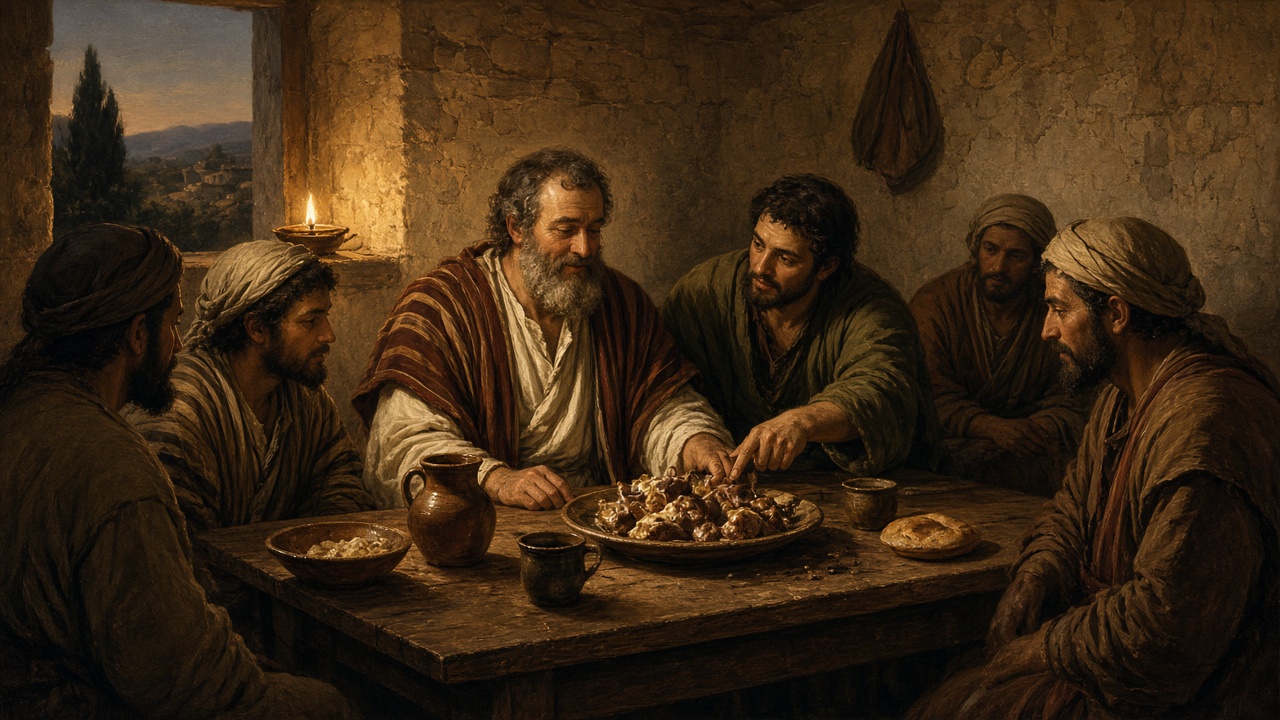
- Paul says he does not want the Corinthians unaware that the forefathers were all under the cloud and all passed through the sea, and that they were baptized into Moses in the cloud and in the sea. They all ate the same spiritual food and drank the same spiritual drink from the spiritual rock that accompanied them, and he says that rock was Christ.Sources: the Bible text itself
- Paul says God was not pleased with most of them, for they were struck down in the wilderness. He lists idolatry, sexual immorality in which twenty-three thousand died in one day, testing Christ, which brought death by snakes, and complaining, punished by the destroying angel, and calls these events examples written down as warnings.Sources: the Bible text itself
- He calls the cup of blessing and the bread that is broken a participation in the blood and body of Christ, and says pagan sacrifices are offered to demons, not to God, so the two tables cannot be shared. Food sold in the meat market may be eaten without raising questions of conscience, for "The earth is the Lord's, and the fullness thereof," but if someone says it was offered to idols, it should be refused for that person's conscience.Sources: the Bible text itself
Notes written with AI assistance from open sources (Theographic Bible Metadata, CC BY-SA 4.0; Easton’s Bible Dictionary, public domain) and reviewed before publishing.
Credits and license for this translation
Melɛ̌ Mékɔ̄ɔ̄lē
New Testament in Akoose (CM:bss:Akoose)
copyright © 2011 Wycliffe Bible Translators, Inc.
Language: Akoose
Translation by: Wycliffe Bible Translators, Inc.
Akoose
bss
Cameroon
Copyright Information
© 2011, Wycliffe Bible Translators, Inc. All rights reserved.
This translation text is made available to you under the
terms of the Creative Commons License: Attribution-Noncommercial-No Derivative Works.
( http://creativecommons.org/licenses/by-nc-nd/3.0/ )
In addition, you have permission to port the text to different file formats, as long as you
do not change any of the text or punctuation of the Bible.
You may share, copy, distribute, transmit, and extract portions
or quotations from this work, provided that you include the above copyright
information:
You must give Attribution to the work.
You do not sell this work for a profit.
You do not make any derivative works that change any of the actual words or punctuation of the Scriptures.
Permissions beyond the scope of this license may be
available if you contact
us with your request.
The New Testament
in Akoose
© 2011, Wycliffe Bible Translators, Inc. All rights reserved.
This translation is made available to you under the terms of the
Creative Commons Attribution-Noncommercial-No Derivatives license 4.0.
You may share and redistribute this Bible translation or extracts from it in any format, provided that:
You include the above copyright and source information.
You do not sell this work for a profit.
You do not change any of the words or punctuation of the Scriptures.
Pictures included with Scriptures and other documents on this site are licensed just for use with those Scriptures and documents.
For other uses, please contact the respective copyright owners.
2014-04-21
Source: http://ebible.org/bssNT/ · eBible.org