Numbers 6
Kitabu ka Kanu · Tap a verse to see its cross-references.
Sariyɛ sa wədɛrəm kəŋɛrnɛ
1Kɔ MARIKI oloku Musa: 2«Məloku aka Yisrayel, məloku ŋa: Kɔ wərkun kɔ pəyɔnɛ fɛ ti wəran, ɛndɛrəm kəpusnɛ kəsɔŋnɛ ina MARIKI-ɛ, kədɛrəm ka kəŋɛrnɛ kɔ, 3ta fum wəkakɔ pəmun sɔ wɛn kɔ yomunəs ya maŋkɔntɔ, ta pəmun məncɔncɔ ma yokom ya wɛn, ta pədi yowosu ya yokom ya wi 4mata mɔkɔ eŋyi kəŋɛrnɛ disrɛ mɔ fəp, ta pədi paka mpɛ o mpɛ pɛŋyɛfɛ dəwɛn mɔ, kəyɛfɛ mɛŋgbɛn ma wi haŋ abomba ŋa wi. 5Mata mɔkɔ ɛndɛrəm kəyi kəŋɛrnɛ disrɛ teta MARIKI mɔ fəp, ta pafon kɔ domp haŋ tɛm ta kəpusnɛ kɔn telip. Ɔyɔnɛ fum wəcempi, pəsak cəfon cɔn cəpoŋ yɛŋən. 6Mata mamɔkɔ ɛndɛrəm kəŋɛrnɛ teta MARIKI mɔ disrɛ, ta pəlɔtərnɛ wəfi, 7tɔyɔnɛ kəbel ka kas, ka kɛrɛ, ka wɛnc wərkun, ka wəkirɛ kɔn ta tɔsɔŋɛ kɔ kətɔsɔk, bawo docoku dɔn domp dementər a wəŋɛrnɛ wəka Kanu ɔyɔnɛ.
8Mata mɔkɔ eŋyi kəŋɛrnɛ disrɛ mɔ fəp, wəpusnɛ wəka MARIKI ɔyɔnɛ. 9Kɔ tɔyɔnɛ fum pəfi kɔ kəsək gbəncana babɔkɔ, tɔsɔŋɛ kɔ kələsər kədɛrəm kɔn ka kəŋɛrnɛ-ɛ pəfonnɛ sɔ dɔsɔk dɔn da kəsɔkəsnɛ, tataka ta camət-mɛrəŋ. 10Tataka ta camət-maas pəkɛrɛ mɔpay mɛrəŋ kɔ pəyɔnɛ fɛ ti ntantoriya mɛrəŋ wəloŋnɛ nde dəkəbɛrɛ da aŋgbancan ŋɛbəpɛnɛ kɔ Kanu. 11Wəloŋnɛ pəloŋnɛ pin teta kəloŋnɛ ka kiciya, pəloŋnɛ pɔkɔ teta poloŋnɛ mpɛ ancɔfɛ MARIKI mɔ, pətubucnɛ kəsɔkəs kɔ kətɔsɔk kɔn teta kəgbuŋɛnɛ ka wəfi. Dɔsɔk dadɔkɔ, pəgbɔkərɛ sɔ kəpusnɛ domp. 12Wəkayi pəgbɔkərɛ sɔ kəpusnɛ MARIKI mata mɔn ma kəŋɛrnɛ. Fum wəkakɔ pəkɛrɛ aŋkesiya ŋorkun ŋa teren tin teta kəloŋnɛ ka kəlompəs ka kiciya. Afɔlɔm mata mɔkɔ mencepər mɔ, bawo defi dɛnaləsər kəŋɛrnɛ kɔn teta MARIKI.
13Sariyɛ nsɛ səyɔnɛ sa aŋɛ ŋandɛrəm kəŋɛrnɛ teta MARIKI mɔ. Dɔsɔk ndɛ kədɛrəm kɔn ka kəŋɛrnɛ kəŋlip mɔ, pakekərɛ kɔ nde dəkəbɛrɛ da aŋgbancan ŋɛbəpɛnɛ. 14Pəkɛrɛ MARIKI poloŋnɛ pɔn: Aŋkesiya ŋorkun ŋa teren tin ŋɔtɔyɔ dolokəp teta poloŋnɛ mpɛ ancɔfɛ MARIKI mɔ, aŋkesiya ŋɛran ŋa teren tin ŋɔtɔyɔ dolokəp teta kəloŋnɛ ka kiciya, kɔ aŋkesiya ŋorkun ŋin ŋɔtɔyɔ dolokəp teta kəloŋnɛ ka kəpaŋnɛ pəforu. 15Pəkɛrɛ sɔ kəfala kin ka cəcom cətɔnɔŋkəl lebin, cəcom cəlok-lok ca kəmbefe kətɔt papɔckɛ ki moro, kɔ biskit bɔtɔnɔŋkəl lebin pasopət bi moro. Pədeŋər sɔ yoloŋnɛ yaŋan ya mɛŋgbɛn kɔ ya wɛn. 16Wəloŋnɛ pəkɛrɛ yoloŋnɛ yayɔkɔ fɔr ya MARIKI kiriŋ, pəloŋnɛ poloŋnɛ pa kiciya kɔ mpɛ ancɔfɛ MARIKI mɔ. 17Pəkɛrɛ MARIKI aŋkesiya ŋorkun teta kəloŋnɛ ka kəpaŋnɛ pəforu, pədeŋər kəfala ka cəcom cətɔnɔŋkəl lebin. Wəloŋnɛ pəkɛrɛ kəloŋnɛ kɔn ka mɛŋgbɛn kɔ ka wɛn, 18wədɛrəm kəŋɛrnɛ pəfonnɛ cəfon ca kəŋɛrnɛ nde dəkəbɛrɛ da aŋgbancan ŋɛbəpɛnɛ kɔ Kanu, pəlɛk cəfon cɔn ca kəŋɛrnɛ cacɔkɔ, pəbɛr ci dəndo dənɛnc da kəloŋnɛ ka kəpaŋnɛ pəforu dɔkɔ deyi kəmar mɔ. 19Wəloŋnɛ pəlɛk kəbanca ka aŋkesiya ŋorkun ŋɔkɔ ampɛc mɔ, kəcom kəlok-lok kin kətɔnɔŋkəl lebin nde kəfala disrɛ kɔ biskit bɔtɔnɔŋkəl lebin, pəbɛr yi wədɛrəm kəŋɛrnɛ dəwaca, tɔyɔnɛ wədɛrəm kəŋɛrnɛ elip kəfonnɛ cəfon cɔn ca kəŋɛrnɛ. 20Wəloŋnɛ pətubucnɛ kəsɔŋ yi MARIKI fɔr kiriŋ. Ca yopus yɔ, nyɛ yɔyɔnɛ ya wəloŋnɛ mɔ, kəlɛkɛnɛ ka kəmpəcpəc kaŋkɔ antubucnɛ kəsɔŋ MARIKI, kɔ aləŋk ŋɔkɔ aŋwurɛ mɔ, kɔ telip oŋ-ɛ, sariyɛ səŋwosɛ kɔ sɔ kəmun wɛn.
21Sariyɛ sasɔkɔ səyɔnɛ sa wəŋɛrnɛ nwɛ ɛndɛrəm kəsɔŋnɛ MARIKI mɔ. Yoloŋnɛ yayɔkɔ y'oloŋnɛ MARIKI teta kəŋɛrnɛ kɔn, k'ɛntam kəyɔ tɔlɔm pəcepər tatɔkɔ-ɛ, aŋwosɛ kɔ ti, mba mɛnɛ pənuŋkɛnɛ kəleləs kədɛrəm kɔn, pəmɔ tɔkɔ sariyɛ sa kəŋɛrnɛ səloku ti mɔ.»
Totolanɛ pətɔt
22Kɔ MARIKI oloku Musa: 23«Məloku Aruna kɔ awut ɔn arkun, ntɛ tɔ pəmar nəde nəctolanɛ aka Yisrayel pətɔt, nəcloku ŋa:
24‹MARIKI pəpoc'am, pəbumɛn'am!
25MARIKI pəgbətn'am, pəyɔnɛ nu nɔnɔfɔr!
26MARIKI pəyektər əm kəro kɔn, pəsɔŋ əm pəforu!›
27Kɔ aloŋnɛ ŋandebonc tewe tem kətolanɛ aka Yisrayel pəmɔ ntɛ ilɔmər ŋa mɔ-ɛ, ina MARIKI impocɛ ŋa pətɔt.»
Did you know?
The Nazirite Vow and the Priestly Blessing
- The Nazirite vow was a voluntary period of special consecration to God available to both men and women. During this time, the person had to abstain completely from grape products and fermented drinks, leave their hair uncut, and avoid ritual defilement from any dead body, even that of an immediate family member.Sources: the Bible text itself
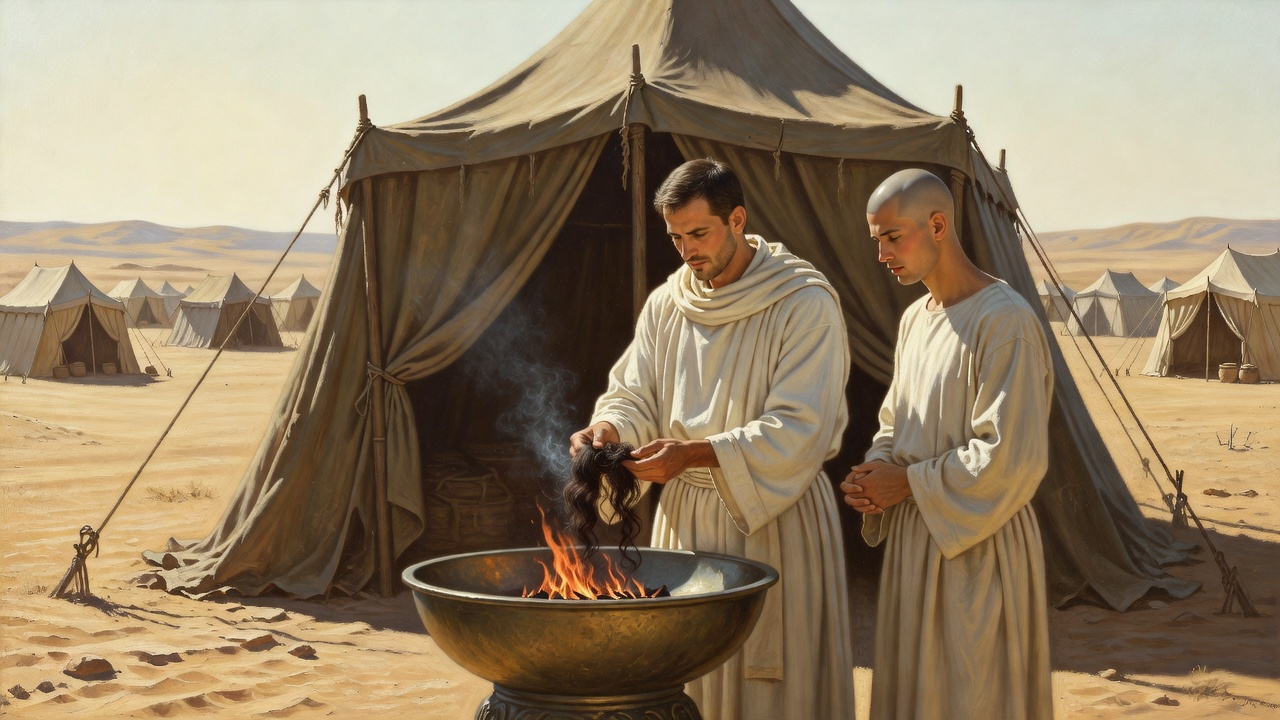
- When the period of separation ended, the Nazirite brought sacrifices to the entrance of the Tent of Meeting, shaved their head of hair, and burned the hair in the fire beneath the peace offering sacrifice. After the priest offered the required portions before God, the vow concluded and the person was allowed to drink wine again.Sources: the Bible text itself
- The chapter concludes with the priestly blessing that God instructed Moses to give to Aaron and his sons. By invoking God's protection, shining face, grace, and peace, the priests placed the divine name upon the people of Israel.Sources: the Bible text itself · Moses · Aaron
Notes written with AI assistance from open sources (Theographic Bible Metadata, CC BY-SA 4.0; Easton’s Bible Dictionary, public domain) and reviewed before publishing.
Credits and license for this translation
Kitabu ka Kanu
Portions of the Holy Bible in the Baga Sitemu language of Guinea
Des portions de la Sainte Bible dans la langue Baga Sitemu de Guinée
copyright © 2015 Pioneer Bible Translators
Language: Baga Sitemu
Translation by: Traducteurs Pionniers de la Bible
Contributor: Pioneer Bible Translators
This translation is made available to you under the terms of the
Creative Commons Attribution Share-Alike license 4.0.
You have permission to share and redistribute this Bible translation in any format and to make reasonable revisions and adaptations of this translation, provided that:
You include the above copyright and source information.
If you make any changes to the text, you must indicate that you did so in a way that makes it clear that the original licensor is not necessarily endorsing your changes.
If you redistribute this text, you must distribute your contributions under the same license as the original.
Pictures included with Scriptures and other documents on this site are licensed just for use with those Scriptures and documents.
For other uses, please contact the respective copyright owners.
Note that in addition to the rules above, revising and adapting God's Word involves a great responsibility to be true to God's Word. See Revelation 22:18-19.
2025-04-29
Source: http://ebible.org/bsp/ · eBible.org