Numbers 1
Kitabu ka Kanu · Tap a verse to see its cross-references.
About this book
About Numbers
- Numbers is the fourth book of the Pentateuch. In Hebrew it is called be-midbar, “in the wilderness”; the Greek Septuagint called it Numbers, the name still usual, because it records a census in the wilderness of Sinai and a later census on the plain of Moab.Sources: Easton: Numbers, Book of
- Easton's Bible Dictionary (1897) presents Numbers, like the other books of the Pentateuch, as written by Moses. The history it contains runs from the second month of the second year after the Exodus to the beginning of the eleventh month of the fortieth year, about thirty-eight years and ten months.Sources: Easton: Numbers, Book of
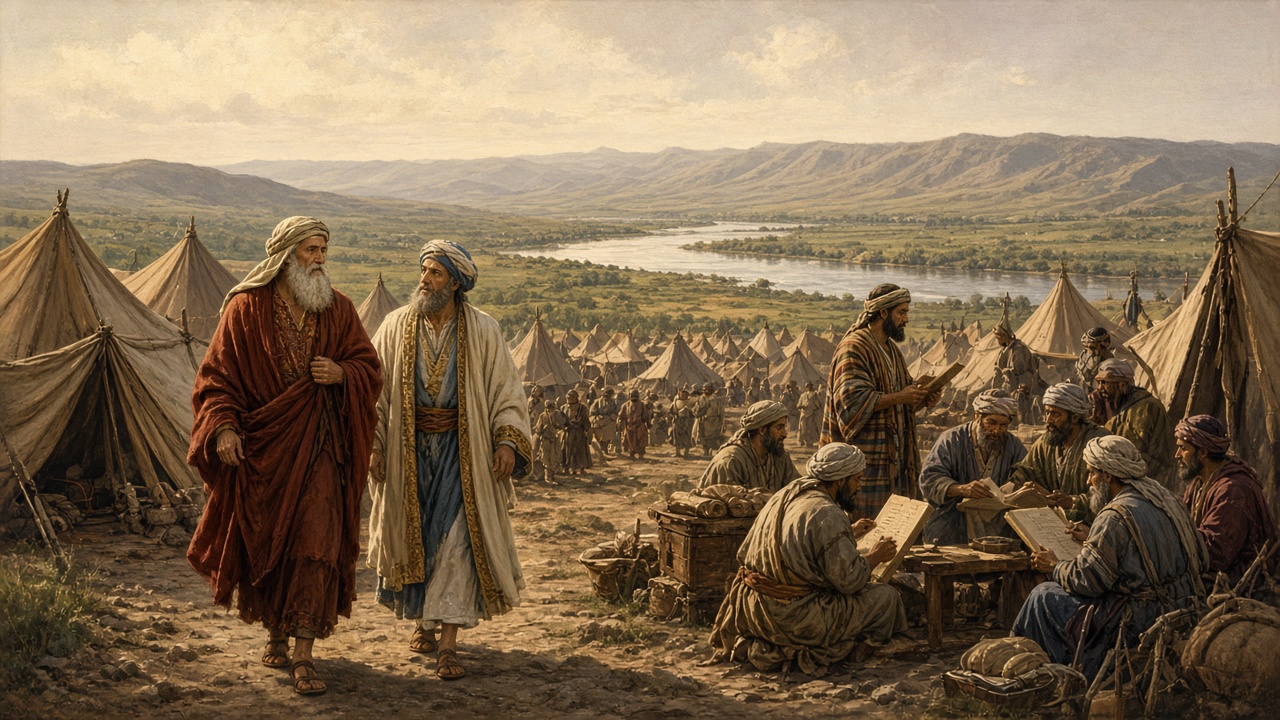
- The narrative begins at Sinai, the mountain district Israel reached in the third month after the Exodus and where they camped for about a year, and follows their route and encampments through the wilderness. It ends on the plains of Moab, east of the Jordan and the Dead Sea, opposite Jericho, their last camp before entering Canaan, the country west of the Jordan. Easton describes those years as a time of wandering in which that generation died in the wilderness, and notes that the people were fewer then than when they left Egypt.Sources: Easton: Numbers, Book of · Sinai · Moab · Canaan
- Easton divides the book into three parts: the census at Sinai and preparations to resume the march, including the Nazirite vow (1–10:10); the journey from Sinai to Moab, the sending of the spies and the report they brought back, and the people’s murmurings, eight times, at the hardships of the way (10:11–21:20); and the events on the plain of Moab before the crossing of the Jordan (21:21–36).Sources: Easton: Numbers, Book of
- While Israel was camped on the plains of Moab, Balak, son of Zippor and king of Moab, fearing them, sent to Pethor in Mesopotamia for Balaam, son of Beor, to curse them; the narrative says Balaam was unable to do so. Numbers 21:14 also cites “the book of the wars of the Lord,” a work that Easton says is uncertain, perhaps a lost writing of Israel or an Amorite record of the victories of their king Sihon.Sources: Easton: Numbers, Book of · Balaam · Balak
Notes written with AI assistance from open sources (Theographic Bible Metadata, CC BY-SA 4.0; Easton’s Bible Dictionary, public domain) and reviewed before publishing.
Yisrayel kəyi kəŋan nde tɛgbərɛ ta Sinayi
Kəlɔm kəcɔkɔ-cɔkɔ ka afum cusuŋka ca Yisrayel disrɛ
1Nde tɛgbərɛ ta Sinayi, nde aŋgbancan ŋɛbəpɛnɛ kɔ Kanu, tataka tɔcɔkɔ-cɔkɔ ta ŋof ŋa mɛrəŋ, teren ta mɛrəŋ ta kəwur ka aka Yisrayel Misira, kɔ MARIKI oloku Musa: 2«Nəlɔm kəloŋkanɛ ka afum a Yisrayel dəcor kɔ dəwɔlɔ, nəlɔm səbomp tin tin mewe ma arkun fəp. 3Məna kɔ Aruna nəlɔm aŋɛ ŋantam kətɔmpər yosutnɛnɛ Yisrayel mɔ, dəcəgba ca asutɛnɛ, kəyɛfɛ aŋɛ ŋayɔ meren wəco mɛrəŋ haŋ kəcepər ka ti mɔ. 4Nəndekɔsɔtɔ amar, akiriŋ akin akin a cusuŋka conu. 5Mənəŋk mewe ma arkun aŋɛ ŋandemar nu mɔ.
Kusuŋka ka Ruben: Elicur wan ka Sedewur.
6Kusuŋka ka Simeyɔŋ: Selumiyel, wan ka Curisaday.
7Kusuŋka ka Yuda: Nasɔŋ, wan ka Aminadab.
8Kusuŋka ka Isakar: Netaneyel, wan ka Cuwar.
9Kusuŋka ka Sabulon: Eliyab, wan ka Heloŋ.
10Kusuŋka ka awut a Isifu, kusuŋka ka Efrayim: Elisama, wan ka Amihud. Kusuŋka ka Manase: Kamaliyel, wan ka Pedacur.
11Kusuŋka ka Beŋyamin: Abidan, wan ka Kideyoni.
12Kusuŋka ka Dan: Ahiyeser, wan ka Amisaday.
13Kusuŋka ka Asɛr: Pakiyel, wan ka Okəraŋ.
14Kusuŋka ka Kad: Eliyasaf, wan ka Dewel.
15Kusuŋka ka Naftali: Ahira, wan ka Enan.»
16Akiriŋ a cusuŋka aŋɛ anayɛk-yɛk kəloŋkanɛ ka Yisrayel dacɔ mɔ, ŋanayɔnɛ akiriŋ a cəgba ca asutɛnɛ a Yisrayel. 17Musa kɔ Aruna ŋalɛk afum aŋɛ anamentər mewe maŋan mɔ, 18kɔ ŋaloŋka aka Yisrayel fəp dɔsɔk dɔcɔkɔ-cɔkɔ da ŋof ŋa mɛrəŋ. Musa kɔ Aruna ŋacicəs mewe maŋan dəcor kɔ dəwɔlɔ, kɔ ŋalɔm ŋa tin tin, arkun aŋɛ ŋanasɔtɔ meren wəco mɛrəŋ (20) haŋ ŋacepər ti mɔ. 19Pəmɔ tɔkɔ MARIKI ɛnasom ti Musa a pəlɔm ŋa nde dətɛgbərɛ ta Sinayi mɔ.
20Kɔ kəlɔm kəncop nda kusuŋka ka awut a Ruben wan wəcɔkɔ-cɔkɔ wəka Yisrayel, kəbənda ka yuruya yɔn, dəcor kɔ dəwɔlɔ, dokom kɔ dokom, palɔm tin tin mewe ma arkun fəp, aŋɛ ŋanasɔtɔ meren wəco mɛrəŋ haŋ ŋacepər ti, kɔ aŋɛ ŋantam kətɔmpər yosutnɛnɛ mɔ, 21arkun aŋɛ ŋanalɔm nde kusuŋka ka Ruben mɔ: Wul wəco maŋkəlɛ kɔ camət-tin, masar kəcamət (46.500). 22Kəbənda ka yuruya ya Simeyɔŋ, dəcor kɔ dəwɔlɔ, aŋɛ analɔm tin tin mewe ma arkun fəp kəyɛfɛ aŋɛ ŋanasɔtɔ meren wəco mɛrəŋ haŋ ŋacepər ti mɔ, arkun aŋɛ ŋanctam kətɔmpər yosutnɛnɛ mɔ, 23arkun aŋɛ analɔm nde kusuŋka ka Simeyɔŋ mɔ, ŋanayi afum wul wəco kəcamət kɔ camət-maŋkəlɛ, masar maas (59.300). 24Kəbənda ka yuruya ya Kad, dəcor kɔ dəwɔlɔ, k'alɔm mewe ma arkun aŋɛ ŋanasɔtɔ meren wəco mɛrəŋ haŋ ŋacepər ti, arkun aŋɛ ŋanctam kətɔmpər yosutnɛnɛ mɔ, 25aŋɛ analɔm nde kusuŋka ka Kad: Afum wul wəco maŋkəlɛ kɔ kəcamət, masar camət-tin wəco kəcamət (45.650). 26Kəbənda ka yuruya ya Yuda, dəcor kɔ dəwɔlɔ, k'alɔm mewe ma arkun aŋɛ ŋanasɔtɔ meren wəco mɛrəŋ haŋ ŋacepər ti, arkun aŋɛ ŋanctam kətɔmpər yosutnɛnɛ mɔ, 27arkun aŋɛ analɔm nde kusuŋka ka Yuda mɔ, ŋanayi afum wul wəco camət-mɛrəŋ kɔ maŋkəlɛ, masar camət-tin (74.600). 28Kəbənda ka yuruya ya Isakar, dəcor kɔ dəwɔlɔ k'alɔm mewe ma arkun aŋɛ ŋanasɔtɔ meren wəco mɛrəŋ haŋ ŋacepər ti, arkun aŋɛ ŋanctam kətɔmpər yosutnɛnɛ mɔ, 29arkun aŋɛ analɔm nde kusuŋka ka Isakar, ŋanayi afum wul wəco kəcamət kɔ maŋkəlɛ, masar maŋkəlɛ (54.400). 30Kəbənda ka yuruya ya Sabulon, dəcor kɔ dəwɔlɔ k'alɔm mewe ma arkun aŋɛ ŋanasɔtɔ meren wəco mɛrəŋ, haŋ ŋacepər ti, arkun aŋɛ ŋanctam kətɔmpər yosutnɛnɛ mɔ, 31arkun aŋɛ analɔm nde kusuŋka ka Sabulon, ŋanayi afum wul wəco kəcamət kɔ camət-mɛrəŋ, masar maŋkəlɛ (57.400). 32Kəbənda ka yuruya ya Isifu: Awut aka Efrayim, dəcor kɔ dəwɔlɔ k'alɔm mewe ma arkun aŋɛ ŋanasɔtɔ meren wəco mɛrəŋ haŋ ŋacepər ti, arkun aŋɛ ŋanctam kətɔmpər yosutnɛnɛ mɔ, 33arkun aŋɛ analɔm nde kusuŋka ka Efrayim ŋanayi afum wul wəco maŋkəlɛ, masar kəcamət (40.500). 34Kəbənda ka yuruya ya Manase, dəcor kɔ dəwɔlɔ k'alɔm mewe ma arkun aŋɛ ŋanasɔtɔ meren wəco mɛrəŋ haŋ ŋacepər ti, arkun aŋɛ ŋanctam kətɔmpər yosutnɛnɛ mɔ, 35arkun aŋɛ analɔm nde kusuŋka ka Manase mɔ, ŋanayi afum wul wəco maas kɔ mɛrəŋ, masar mɛrəŋ (32.200). 36Kəbənda ka yuruya ya Beŋyamin, dəcor kɔ dəwɔlɔ k'alɔm mewe ma arkun aŋɛ ŋanasɔtɔ meren wəco mɛrəŋ, haŋ ŋacepər ti, arkun aŋɛ ŋanctam kətɔmpər yosutnɛnɛ mɔ, 37analɔm nde kusuŋka ka Beŋyamin arkun wul wəco maas kɔ kəcamət, masar maŋkəlɛ (35.400). 38Kəbənda ka yuruya ya Dan, dəcor kɔ dəwɔlɔ k'alɔm mewe ma arkun aŋɛ ŋanasɔtɔ meren wəco mɛrəŋ haŋ ŋacepər ti, kɔ arkun aŋɛ ŋanctam kətɔmpər yosutnɛnɛ mɔ. 39Awa, nde kusuŋka ka Dan analɔm di arkun wul wəco camət-tin kɔ mɛrəŋ, masar camət-mɛrəŋ (62.700). 40Kəbənda ka yuruya ya Asɛr, dəcor kɔ dəwɔlɔ k'alɔm mewe ma arkun aŋɛ ŋanasɔtɔ meren wəco mɛrəŋ haŋ ŋacepər ti, arkun aŋɛ ŋanctam kətɔmpər yosutnɛnɛ mɔ, 41arkun aŋɛ analɔm nde kusuŋka ka Asɛr ŋanayi afum wul wəco maŋkəlɛ kɔ pin, masar kəcamət (41.500). 42Kɔ kəbənda ka yuruya ya Naftali, dəcor kɔ dəwɔlɔ k'alɔm mewe ma arkun aŋɛ ŋanasɔtɔ meren wəco mɛrəŋ haŋ ŋacepər ti, arkun aŋɛ ŋactam kətɔmpər yosutnɛnɛ mɔ, 43akaŋɛ ŋanalɔm nde kusuŋka ka Naftali ŋanayi afum wul wəco kəcamət kɔ maas, masar maŋkəlɛ (53.400).
44Arkun akaŋɛ ŋɔ Musa, Aruna kɔ arkun aŋɛ wəco kɔ mɛrəŋ aŋɛ ŋanayɔnɛ akiriŋ a cusuŋka ca Yisrayel mɔ, ŋanalɔm, kəlɔ o kəlɔ fum wəkin. 45Arkun akaŋɛ ŋ'analɔm aka Yisrayel dacɔ, dəwɔlɔ kɔ dəwɔlɔ kəyɛfɛ aŋɛ ŋanasɔtɔ meren wəco mɛrəŋ haŋ ŋacepər ti, arkun aŋɛ ŋanctam kətɔmpər yosutnɛnɛ Yisrayel mɔ, 46arkun aŋɛ analɔm mɔ fəp, ŋanayi afum wul masar camət-tin kɔ maas, masar kəcamət wəco kəcamət (603.550).
Yɛbəc sona ya aka kusuŋka ka Lewy
47ALewy teta kusuŋka kəŋan ananɔŋkəl fɛ ŋa kəlɔm ka aka Yisrayel dacɔ. 48Kɔ MARIKI oloku Musa: 49«Ta mədenɔŋkəl arkun a kusuŋka ka Lewy kəlɔm kɔ aka Yisrayel. 50Məna, məkekərɛ aLewy nde dəkiyi da kaŋkəra nkɛ kəmentər danapa da MARIKI kɔ aka Yisrayel mɔ, kɔ yosumpər-sumpər kɔ ca yɔkɔ yeyi di disrɛ mɔ fəp. Ŋa ŋande ŋacgbaŋnɛ kaŋkəra kaŋkɔ kɔ yosumpər-sumpər ya di, ŋayɔnɛ akiriŋ a ki, ŋa ŋande ŋackɛl dəkiyi da kaŋkəra dadɔkɔ. 51K'andecepɛnɛ dəkiyi dosoku-ɛ, aLewy ŋancekəli di. K'aŋkɔ sɔ kəcəmbər dəkiyi dosoku-ɛ, aLewy ŋaŋlɔ sɔ di. Kɔ fum wəfulus ɔlɔtərnɛ di-ɛ, mɛnɛ padif kɔ. 52Aka Yisrayel fəp nwɛ o nwɛ pəyi saŋka sɔn disrɛ, ta pəbɔlɛnɛ kɔlər ka kəgba kɔn k'asutɛnɛ. 53ALewy ŋande ŋackɛl dəkiyi dosoku ndɛ doŋkump kaŋkəra nkɛ kəmentər danapa da MARIKI kɔ aka Yisrayel mɔ, ntɛ tɔŋsɔŋɛ ta mɛtɛlɛ ma MARIKI mɛbəp kəloŋkanɛ ka afum a Yisrayel mɔ, aLewy ŋacbum dəkiyi dosoku da kaŋkəra kaŋkɔ.» 54Kɔ aka Yisrayel ŋayɔ tɔkɔ MARIKI ɛnasom Musa mɔ.
Did you know?
The Census in the Wilderness of Sinai
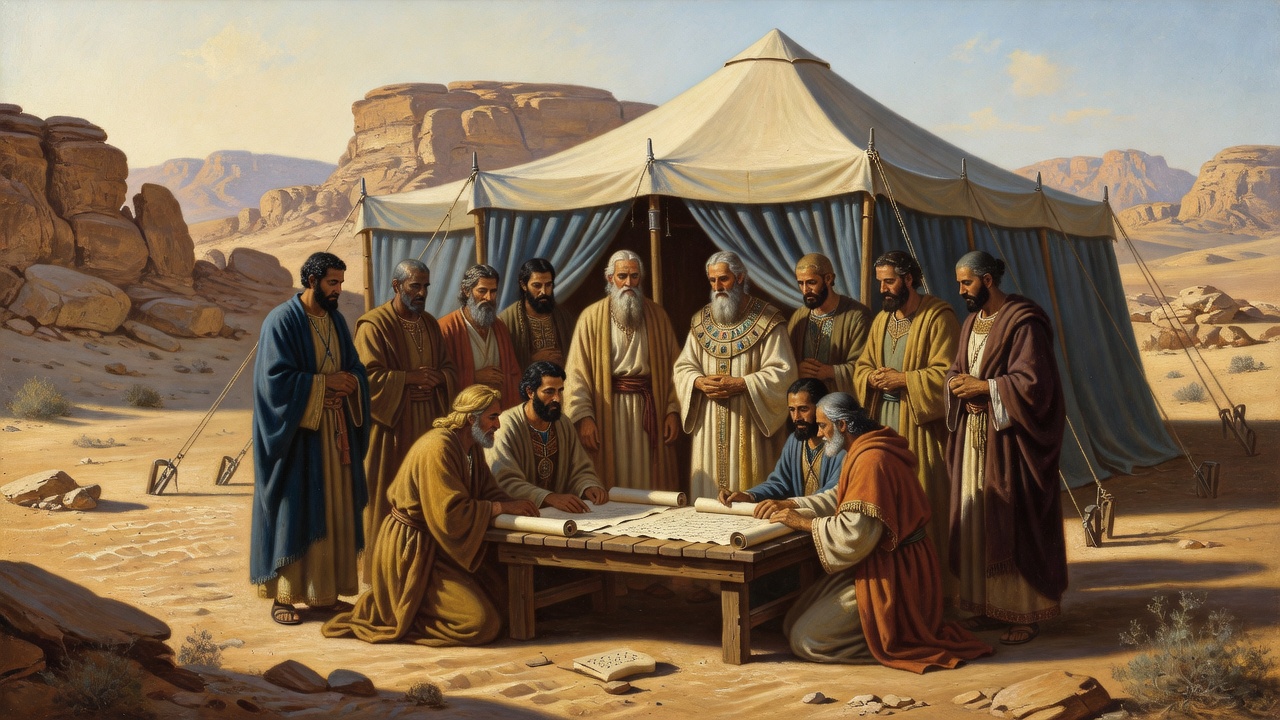
- The census was ordered in the Wilderness of Sinai on the first day of the second month in the second year after the Israelites departed Egypt. It counted every male aged twenty or older who was able to serve in the army, arriving at a total of 603,550 fighting men.Sources: the Bible text itself · Sinai
- Moses and Aaron conducted the registration alongside twelve appointed tribal leaders. Joseph was represented as two distinct tribal divisions named after his sons, Ephraim and Manasseh.Sources: the Bible text itself · Ephraim · Manasseh (son of Joseph)
- The tribe of Levi was entirely exempted from the military count. Instead, the Levites were assigned exclusively to care for, transport, assemble, and guard the tabernacle of the Testimony and its furnishings.Sources: the Bible text itself
Notes written with AI assistance from open sources (Theographic Bible Metadata, CC BY-SA 4.0; Easton’s Bible Dictionary, public domain) and reviewed before publishing.
Places in this chapter
- Egypt · 30.129, 31.308 · verse 1
- Wilderness of Sinai · Today: about 50 km around Jebel Musa · 28.540, 33.973 · verses 1, 19
Only places identified with high confidence are shown (90% or more according to the scholarly sources compiled by OpenBible). Period map: DARE (Digital Atlas of the Roman Empire), CC BY 4.0; modern map: © OpenStreetMap contributors; places: OpenBible.info (CC BY 4.0).
Credits and license for this translation
Kitabu ka Kanu
Portions of the Holy Bible in the Baga Sitemu language of Guinea
Des portions de la Sainte Bible dans la langue Baga Sitemu de Guinée
copyright © 2015 Pioneer Bible Translators
Language: Baga Sitemu
Translation by: Traducteurs Pionniers de la Bible
Contributor: Pioneer Bible Translators
This translation is made available to you under the terms of the
Creative Commons Attribution Share-Alike license 4.0.
You have permission to share and redistribute this Bible translation in any format and to make reasonable revisions and adaptations of this translation, provided that:
You include the above copyright and source information.
If you make any changes to the text, you must indicate that you did so in a way that makes it clear that the original licensor is not necessarily endorsing your changes.
If you redistribute this text, you must distribute your contributions under the same license as the original.
Pictures included with Scriptures and other documents on this site are licensed just for use with those Scriptures and documents.
For other uses, please contact the respective copyright owners.
Note that in addition to the rules above, revising and adapting God's Word involves a great responsibility to be true to God's Word. See Revelation 22:18-19.
2025-04-29
Source: http://ebible.org/bsp/ · eBible.org