Luke 3
Kitabu ka Kanu · Tap a verse to see its cross-references.
Kawandi ka Aŋnabi Saŋ
1Teren ta wəco kɔ kəcamət ta wəbɛ wəka atɔf ŋa Tibɛr, tɛm tatɔkɔ sɔ Pɔŋse Pilat pəyɔnɛ wəbɛ wəka atɔf ŋa Yude, Herodu nkɔn pəyɔnɛ wəbɛ ka atɔf ŋa Kalile, wɛnc Filip pəyɔnɛ wəbɛ wəka tɔf mɛrəŋ: nde Iture kɔ atɔf ŋa Tirakoniti. Lisaniyas pəyɔnɛ wəbɛ nde atɔf ŋa Abilɛn. 2Tɛm ta aloŋnɛ a Kanu apɔŋ Hana kɔ Kayifa tɛnayi sɔ. Kɔ toloku ta Kanu tender Saŋ, wan ka Sakary, nde dətɛgbərɛ. 3Kɔ Saŋ ɔŋkɔt sədare fəp nsɛ səyi kəŋgbɔkɔ ka Yurdɛn kəsək mɔ, pəckawandi kəgbət afum dəromun teta kəsəkpər bəkəc ŋacəmɛ pəlompu darəŋ, ntɛ tɔŋsɔŋɛ Kanu kədeŋaŋnɛnɛ ŋa kiciya kəŋan mɔ. 4Pəmɔ tɔkɔ ancic mi nde buk ba moloku ma sayibɛ Esayi mɔ:
«Fum wəkɔ dim dɔn deyi kəwur nde dətɛgbərɛ mɔ ɔfɔ:
Nəlompəs dɔpɔ da Mariki.
Nəlompɛ səpɔ sɔn sa wɛcək!
5Andelas mɔrɔ dacɔ fəp,
mɔrɔ kɔ pəŋeci fəp yendetor,
Səpɔ sənutəsnɛ fəp səndelomp,
Səpɔ səcumbul-cumbul fəp, andeyukur si,
6Afum fəp ŋandenəŋk kəyac ka Kanu.»
7Afum alarəm akɔ ŋancder nkɔn Saŋ pədegbət ŋa dəromun teta Kanu mɔ, ŋɔ oncloku ti: «Nəna aŋɛ nəyi pəmɔ ŋkisin mɔ! An'ɔsɔŋɛ nu kəcərɛ ntɛ aŋyɛksər kiti ka Kanu nkɛ kəyi kəder mɔ-ɛ? 8Awa nəde nəcyɔ mɔyɔ mɔtɔt mmɛ meŋmentər a nəsəkpər mera kɔ nəncəmɛ pəlompu darəŋ mɔ. Ta pəbɔt nu kəcɛm-cɛmnɛ: ‹Abraham ɔyɔnɛ wətem kosu.› Ɛy, icloku nu, nənəŋk masar mamɛ ba? Kanu kəntam kəkafəli mi mɔyɔnɛ awut a Abraham. 9Ndɛkəl oŋ tomunt pelip kəcəmɛ kəcɛp ka tɔk haŋ nde ntɛntəl ya yi: Kətɔk nkɛ o nkɛ kəntɔkom yokom yɔtɔt mɔ, ancɛp ki, paləm dənɛnc.»
10Kɔ cəgba ca afum cəyɛfɛ kəyifət kɔ: «Cəke cɔ səndeyɔ oŋ-ɛ?» 11K'oloku ŋa: «Məna nwɛ məŋyɔ suma mɛrəŋ mɔ, məpocɛ wəkɔ ɔntɔyɔ mɔ, məna nwɛ məŋyɔ yeri mɔ, məpocɛ wəkɔ ɔntɔyɔ mɔ.» 12Kɔ abaŋəs dut ŋander a Saŋ pəgbət ŋa dəromun teta Kanu, ŋacyifət kɔ: «Wətəksɛ, cəke cɔ pəmar sədeyɔ oŋ-ɛ?» 13K'oloku ŋa: «Ta nədeŋər mpɛ o mpɛ antɔloku nu kəbaŋ mɔ.» 14Kɔ asɔdar ŋayif kɔ sɔ: «A səna-a, cəke cɔ pəmar səyɔ oŋ-ɛ?» K'oloku ŋa: «Ta nəmentər nwɛ o nwɛ fənɔntər, ta nədeŋɛ sɔ nwɛ o nwɛ yem, kəway konu kətəŋnɛ nu.»
15Ntɛ afum fəp ŋanayi kəkar mɔ, kɔ ŋaŋyifnɛ dəbəkəc kɔ pəyɔnɛ bafɔ Saŋ ɔyɔnɛ Krist, nwɛ Kanu kəpɔŋ kəyɛk-yɛk mɔ. 16Kɔ Saŋ oluksɛ ŋa: «Ina dəromun iŋgbət nu teta Kanu de, mba wəlɔma eyi kəder nwɛ ɔyɔ fənɔntər pətas im mɔ, ali bənda ya cɔfta cɔn isɔtɔ fɛ yati dofum isikəli ci. Wəkakɔ, Amera Ŋecempi ŋa Kanu disrɛ kɔ nɛnc yɔ ende pəcgbət nu. 17Pəcəmɛ dəkur pətɔmpər kərɛbɛ dəwaca pəcgbap, pəgbɛy mɛŋgbɛn mɔtɔt mmɛ endemɛŋkərnɛ dəkɛlɛ mɔ, mba pəcɔf fonta dənɛnc ndɛ dɔntɔnimɛ mɔ.»
18Saŋ oncloku sɔ afum moloku mɔtɔt pəcyeŋkəs ŋa sɔ bəkəc belbel. 19Mba kɔ Saŋ ɛnal wəbɛ Herodu teta Herodiyad, wəran nwɛ ɛnabaŋər wɛnc k'ɛnɛncɛ mɔ, kɔ teta mes mɛlɛc mɔkɔ Herodu ɛnayɔ mɔ. 20Kɔ Herodu ende pənaŋkanɛ kələsər: k'osumpər Saŋ, k'ɛmbɛr kɔ dəbili.
Kəsɔkəs ka Aŋnabi Yesu
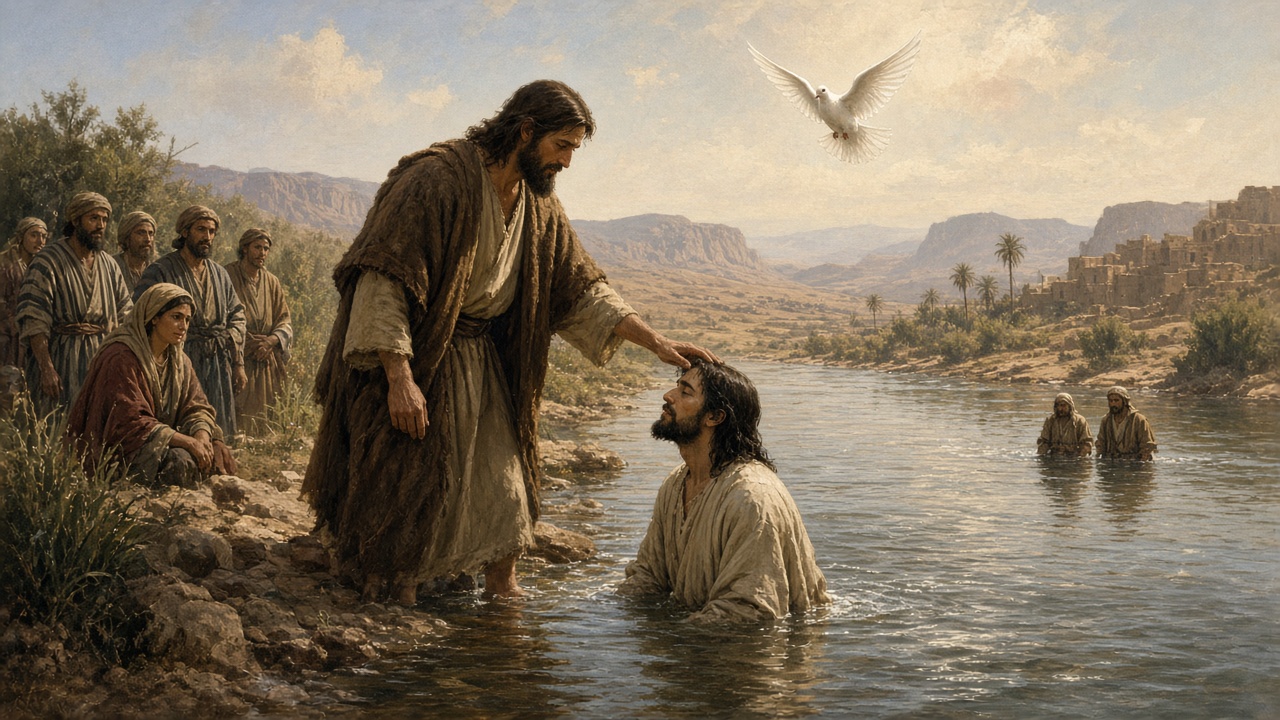
21Ntɛ afum ŋasɔtɔ kəgbət dəromun teta Kanu mɔ, kɔ Yesu nkɔn sɔ ɔsɔtɔ kəgbət dəromun. Eyi kəlok-lokər Kanu, kɔ kɔm kəŋgbitɛ, 22kɔ Amera Ŋecempi ŋa Kanu ŋontorər kɔ pəmɔ antantoriya. Kɔ dim dontor kəyɛfɛ dəkɔm: «Wan kem məyɔnɛ nwɛ imbɔtər mɔ, mən'ɔbɔt im mes belbel.»
Akombəra a Aŋnabi Yesu
23Yesu ɛnasɔtɔ meren 30, a pədecop yɛbəc yɔn. Wan ka Isifu ɛnayi pəmɔ tatɔkɔ anacɛm-cɛmnɛ ti mɔ, wəka Heli,
24wəka Matat, wəka Lewy,
wəka Melki, wəka Yannay, wəka Isifu,
25wəka Matatiyas, wəka Amɔs,
wəka Nahum, wəka Hesəli, wəka Nakay,
26wəka Mahat, wəka Matatiyas,
wəka Semeyin, wəka Yosɛk, wəka Yoda,
27wəka Yohanaŋ, wəka Resa, wəka Sorobabɛl,
wəka Salatiyel, wəka Neri,
28wəka Melki, wəka Adi, wəka Kosam,
wəka Ɛlmadam, wəka Er,
29wəka Yesu, wəka Eliyɛsɛr, wəka Yorim,
wəka Matat, wəka Lewy,
30wəka Simeyɔŋ, wəka Yuda, wəka Isifu,
wəka Yonam, wəka Eliyakim,
31wəka Meleya, wəka Mɛnna, wəka Matata,
wəka Natan, wəka Dawuda,
32wəka Yisay, wəka Yobed, wəka Bɔs,
wəka Sala, wəka Nasɔŋ,
33wəka Aminadab, wəka Admin,
wəka Arni, wəka Hecərɔŋ,
wəka Perɛc, wəka Yuda,
34wəka Yakuba, wəka Siyaka, wəka Abraham,
wəka Terah, wəka Nahor,
35wəka Seruk, wəka Rehu, wəka Pɛlɛk,
wəka Heber, wəka Sala,
36wəka Kayinan, wəka Arpaksad,
wəka Semy, wəka Nuha, wəka Lɛmɛk,
37wəka Metusela, wəka Henok,
wəka Yɛrɛdu, wəka Mahalalel, wəka Kenan,
38wəka Enɔs, wəka Sɛt,
wəka Adama, wəka Kanu.
Did you know?
John the Baptist prepares the way
- Luke sets John's preaching in the fifteenth year of Tiberius Caesar, the stepson of Augustus, who succeeded him in A.D. 14 and died in A.D. 37. Easton's Bible Dictionary (1897) notes that John began his public ministry in that year, and that Pontius Pilate, the sixth Roman procurator of Judea from A.D. 26 to 36, kept his headquarters at Caesarea during a term that covered the ministries of John and Jesus. Herod Antipas, a son of Herod, was then tetrarch of Galilee.Sources: the Bible text itself · Tiberius · Pontius Pilate · Herod Antipas
- The chapter dates these events during the high priesthood of both Annas and Caiaphas. Easton's Bible Dictionary (1897) records that Annas was high priest from A.D. 7 to 14 and was deposed by the Roman procurator, and that Caiaphas, who had married Annas's daughter, was raised to that office in A.D. 25. The same entry suggests that the Jews may still have regarded Annas as the lawful high priest, since Mosaic law held the office for life, and that he probably served with Caiaphas as president of the Sanhedrin or as the high priest's deputy.Sources: the Bible text itself · Annas
- John, son of Zechariah, was of priestly descent: his father was a priest of the course of Abia, and his mother, Elizabeth, belonged to the daughters of Aaron. Easton's Bible Dictionary (1897) notes that his mission was the subject of prophecy, including Isaiah's voice crying in the wilderness, and that his birth came six months before the birth of Jesus. In this chapter he preaches a baptism of repentance throughout the region around the Jordan, and Herod the tetrarch later imprisons him after John rebukes him over Herodias.Sources: the Bible text itself · John the Baptist
Notes written with AI assistance from open sources (Theographic Bible Metadata, CC BY-SA 4.0; Easton’s Bible Dictionary, public domain) and reviewed before publishing.
Places in this chapter
- Abilene · 33.627, 36.106 · verse 1
- Galilee · 32.760, 35.527 · verses 1, 19
- Ituraea · 33.400, 35.850 · verse 1
- Judea · Today: Judea 1 · 31.777, 35.234 · verse 1
- Trachonitis · Today: Lajat · 32.969, 36.455 · verse 1
- Jordan · Today: Jordan River · 31.761, 35.558 · verse 3
Only places identified with high confidence are shown (90% or more according to the scholarly sources compiled by OpenBible). Period map: DARE (Digital Atlas of the Roman Empire), CC BY 4.0; modern map: © OpenStreetMap contributors; places: OpenBible.info (CC BY 4.0).
Credits and license for this translation
Kitabu ka Kanu
Portions of the Holy Bible in the Baga Sitemu language of Guinea
Des portions de la Sainte Bible dans la langue Baga Sitemu de Guinée
copyright © 2015 Pioneer Bible Translators
Language: Baga Sitemu
Translation by: Traducteurs Pionniers de la Bible
Contributor: Pioneer Bible Translators
This translation is made available to you under the terms of the
Creative Commons Attribution Share-Alike license 4.0.
You have permission to share and redistribute this Bible translation in any format and to make reasonable revisions and adaptations of this translation, provided that:
You include the above copyright and source information.
If you make any changes to the text, you must indicate that you did so in a way that makes it clear that the original licensor is not necessarily endorsing your changes.
If you redistribute this text, you must distribute your contributions under the same license as the original.
Pictures included with Scriptures and other documents on this site are licensed just for use with those Scriptures and documents.
For other uses, please contact the respective copyright owners.
Note that in addition to the rules above, revising and adapting God's Word involves a great responsibility to be true to God's Word. See Revelation 22:18-19.
2025-04-29
Source: http://ebible.org/bsp/ · eBible.org