Leviticus 1
Kitabu ka Kanu · Tap a verse to see its cross-references.
About this book
About Leviticus
- Easton's Bible Dictionary (1897) presents Leviticus as the third book of the Pentateuch and as the third book of Moses. The name, used in the Vulgate following the LXX, reflects the book's chief concern: the Levitical service.Sources: Easton: Leviticus
- Easton states that every ordinance in the book was delivered within one month, the first month of the second year after the Exodus. His entry on Sinai, also called Horeb, says the Hebrews reached that mountain district in the third month after the Exodus and remained encamped for about a whole year, and that the whole of Leviticus records what occurred there.Sources: Easton: Leviticus · Mount Sinai
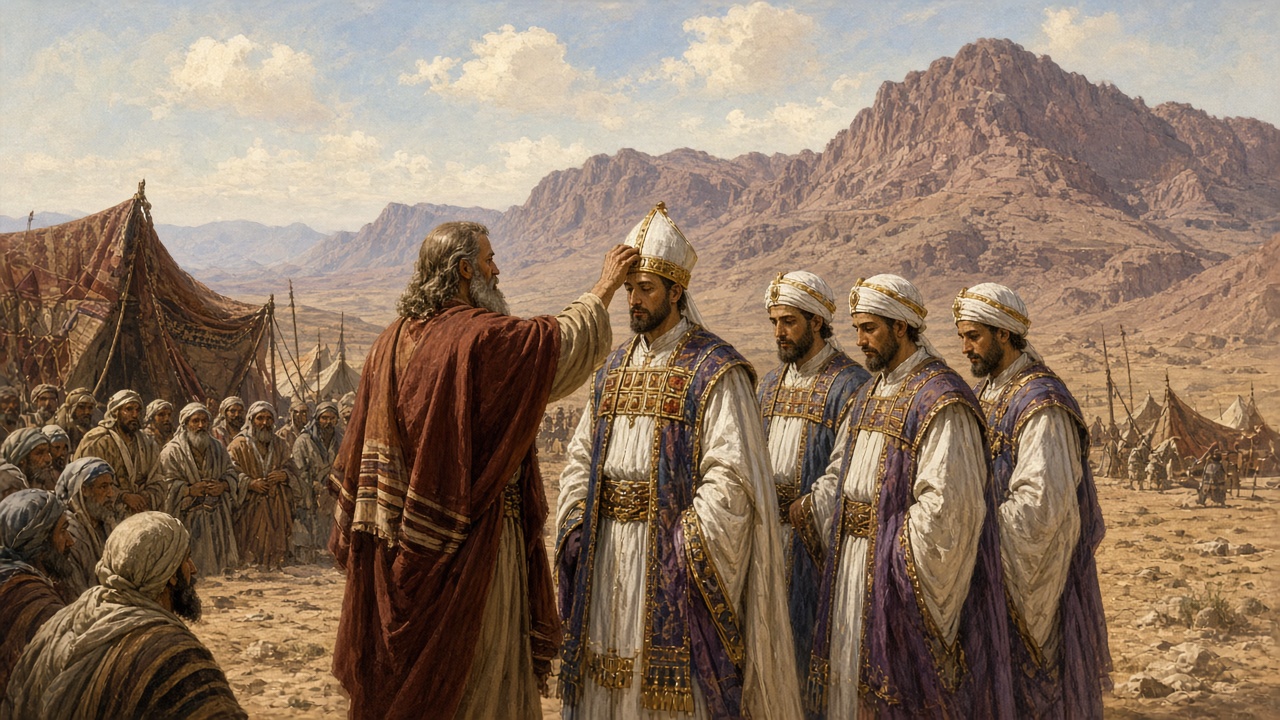
- Chapters 1–7 give laws for burnt offerings, meat offerings, and thank offerings, then for sin offerings and trespass offerings, and for the priests' duties in offering sacrifice. Chapters 8–10 recount the consecration of Aaron and his sons, Aaron's first offering for himself and the people, and the death of Nadab and Abihu, who were struck dead and buried outside the camp after offering strange, or common, fire not taken from the great brazen altar. Chapters 11–16 concern purity and the sacrifices and ordinances for putting impurity away.Sources: Easton: Leviticus · Nadab · Abihu
- Easton describes chapters 17–20 as laws marking the separation between Israel and other peoples. Further laws concern the priests' personal purity and their eating of holy things, offerings without blemish, and the due celebration of the great festivals in chapters 23 and 25. Promises and warnings about obedience follow, the book closes with a section on vows, and Easton notes that God is the direct speaker through almost the whole of it.Sources: Easton: Leviticus
- In the rites of chapter 16, one goat is associated with Azazel, which the Authorized Version renders scapegoat and the Revised Version leaves as Azazel. Easton reports that some Jewish interpreters take it as a place in the wilderness about twelve miles east of Jerusalem, while others take it as an evil spirit or even Satan, and he also notes a root meaning of separation.Sources: Azazel
Notes written with AI assistance from open sources (Theographic Bible Metadata, CC BY-SA 4.0; Easton’s Bible Dictionary, public domain) and reviewed before publishing.
Sariyɛ sa yoloŋnɛ
Kəloŋnɛ ka yɔcɔl yoloŋnɛ yɔcɔfɛ MARIKI
1Kɔ MARIKI ewe Musa kəyɛfɛ ka nde aŋgbancan ŋɛbəpɛnɛ kɔ Kanu, k'osom kɔ: 2«Məloku aka Yisrayel ntɛ: Kɔ fum wəkin nəna dacɔ ɛfaŋ kəpocɛ MARIKI pɔcɔl teta kəloŋnɛ-ɛ, ɛntam kəlɛk pi nde cir, ŋkesiya kɔ pəyɔnɛ fɛ ti-ɛ cəna cɔn dacɔ.
3Kɔ fum endekenɛ MARIKI wana teta poloŋnɛ pɔcɔf pɔn-ɛ, pɔyɔnɛ tura pɔtɔyɔ dolokəp. Wəkayi pəkekərɛ pi nde dəkəbɛrɛ da aŋgbancan ŋɛbəpɛnɛ kɔ Kanu, ntɛ tɔŋsɔŋɛ MARIKI pəbaŋ kəpocɛ kaŋkɔ mɔ. 4Wəkayi pədeŋ kəca kɔn pɔcɔl poloŋnɛ pɔcɔf papɔkɔ dəromp, MARIKI ɛmbaŋ kəpocɛ kaŋkɔ teta kəsɔkəs ka kiciya kɔn. 5Wəkɛrɛ ka tura papɔkɔ pəfay pi MARIKI fɔr kiriŋ. Awut arkun yuruya ya Aruna aloŋnɛ ŋasu tɔbɔl, mecir mamɔkɔ mɛmbɛrɛ pi disrɛ. Ŋamentər mi MARIKI, ŋawɛsəsər mi cəsək ca tetek toloŋnɛ mpɛ peyi dəkəbɛrɛ da aŋgbancan ŋɛbəpɛnɛ kɔ Kanu mɔ haŋ ŋanɔŋkər. 6Fum wəkayi pənat poloŋnɛ pɔcɔf papɔkɔ, pəcɛnəs pi fəkəl fəkəl. 7Awut arkun a Aruna wəloŋnɛ ŋade ŋacmot nɛnc nde tetek toloŋnɛ ta Kanu kəroŋ, ŋade ŋaccɔl tɔk dənɛnc. 8Awut arkun a Aruna aloŋnɛ ŋade ŋacboc fəkəl ya sɛm yayɔkɔ, domp kɔ moro ma yi ŋade ŋacdeŋ yi dətɔk ya nɛnc nde tetek toloŋnɛ Kanu kəroŋ. 9Wəkɛrɛ tura papɔkɔ pəyakɛ yedisrɛ kɔ wɛcək wa pi domun, k'elip-ɛ, wəloŋnɛ wəkin pəlɛk yi pəcɔfɛ MARIKI fəp nde tetek toloŋnɛ kəroŋ. Pɔcɔl pɔcɔf pɔ, kəloŋnɛ nkɛ ancɔfɛ MARIKI mɔ, ambɔnc ŋa ki ŋontorɛ-torɛ MARIKI abəkəc.
10Kɔ fum endekenɛ pɔcɔl poloŋnɛ pɔcɔf mpɛ ɛlɛk dəŋkesiya kɔ pəyɔnɛ fɛ ti dəcir cɔn mɔ-ɛ, pɔyɔnɛ porkun mpɛ pɔntɔyɔ dolokəp mɔ. 11Pəfay pi tetek toloŋnɛ Kanu kəca kəmeriya nkɛ dec dɛmpɛ mɔ MARIKI fɔr kiriŋ, pabɛr mecir mamɔkɔ fəp tɔbɔl disrɛ. Awut arkun a Aruna aloŋnɛ ŋalɛk mecir mamɔkɔ ŋawɛsəsər mi tetek toloŋnɛ Kanu cəsək fəp. 12Wəsɔŋ pɔcɔl papɔkɔ pəcɛnəs pi fəkəl fəkəl, domp kɔ moro, wəloŋnɛ pədeŋ fəkəl ya sɛm yayɔkɔ nɛnc da tetek toloŋnɛ Kanu kəroŋ. 13Pəyakɛ yedisrɛ kɔ wɛcək wawɔkɔ domun. Wəloŋnɛ pəlɛk pəkenɛ yi fəp MARIKI, pəcɔfɛ kɔ yi nde tetek toloŋnɛ kəroŋ. Pɔcɔl pɔcɔf pɔ, kəloŋnɛ nkɛ ancɔfɛ MARIKI mɔ, ambɔnc ŋa ki ŋontorɛ-torɛ MARIKI abəkəc.
14Kɔ fum endekenɛ MARIKI abɛmp teta poloŋnɛ pɔcɔf-ɛ, wəkayi pəlɛk mɔpay kɔ pəyɔnɛ fɛ ti-ɛ, ntantoriya. 15Wəloŋnɛ pəkekərɛ abɛmp nŋɛ nde dətetek toloŋnɛ ta Kanu kəroŋ, pəkɔncəl ŋi kilim, pəcɔfɛ ŋi MARIKI domp nde tetek toloŋnɛ kəroŋ, pəloŋər mecir ma abɛmp ŋaŋɔkɔ tetek toloŋnɛ Kanu cəsək. 16Wəloŋnɛ pəwurɛ tɔlɔba pɛmɛŋkɛ yeri kɔ rɔt ya abɛmp ŋaŋɔkɔ, pəgbal yi tetek toloŋnɛ Kanu kəsək ntende dec dɛmpɛ mɔ, nde ambɛr kəbof kəboŋu mɔ. 17Wəloŋnɛ pəgberi abɛmp ŋaŋɔkɔ banca dacɔ kɛp mɛrəŋ, mba ta pəgbɛy ŋi. Pəcɔfɛ ŋi MARIKI nde tɔk ya tetek toloŋnɛ kəroŋ. Pɔcɔl pɔcɔf pɔ, kəloŋnɛ nkɛ ancɔfɛ MARIKI mɔ, ambɔnc ŋa ki ŋontorɛ-torɛ MARIKI abəkəc.»
Did you know?
The Burnt Offering
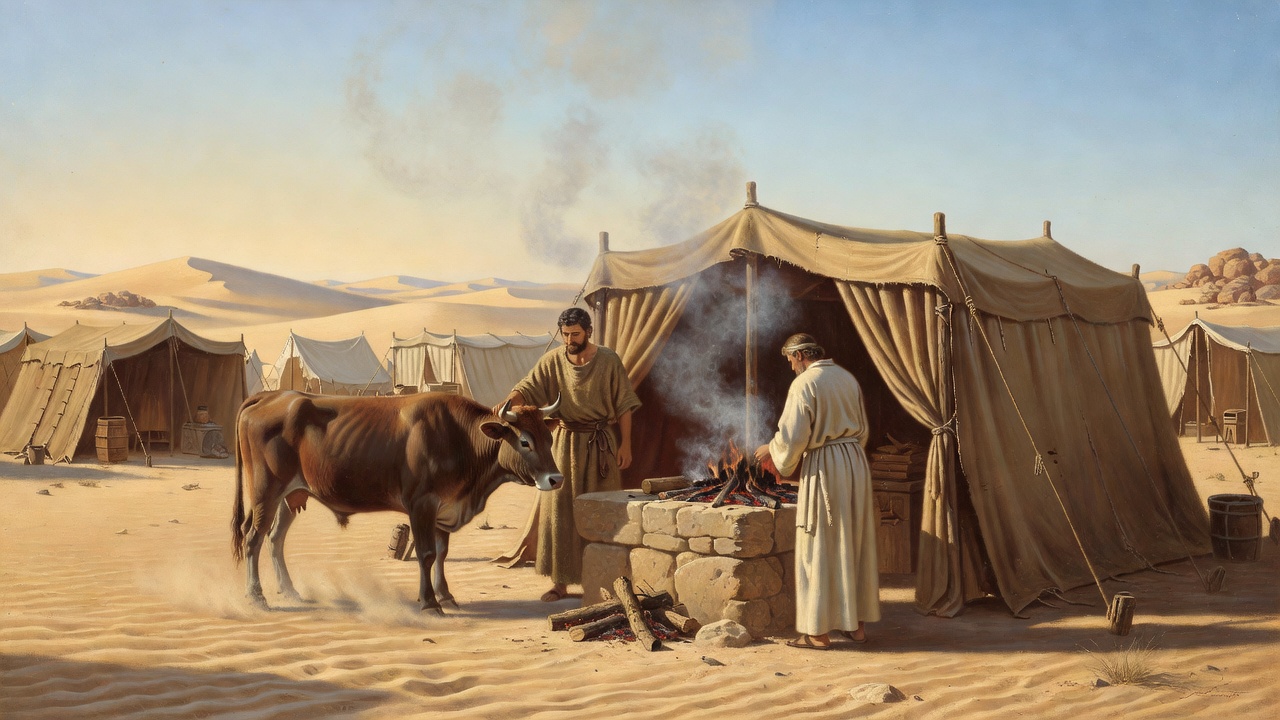
- The instructions for the burnt offering accommodate different economic means by allowing offerings from the herd, the flock (sheep or goats), or birds (turtledoves or young pigeons). For livestock, the animal was required to be a male without blemish.Sources: the Bible text itself
- The ritual required a clear division of roles between the worshiper and the priests. The worshiper brought the animal, laid a hand on its head for atonement, slaughtered it, skinned it, and washed its inner parts, while the sons of Aaron sprinkled the blood and burned the entire offering on the altar.Sources: the Bible text itself · Aaron
Notes written with AI assistance from open sources (Theographic Bible Metadata, CC BY-SA 4.0; Easton’s Bible Dictionary, public domain) and reviewed before publishing.
Credits and license for this translation
Kitabu ka Kanu
Portions of the Holy Bible in the Baga Sitemu language of Guinea
Des portions de la Sainte Bible dans la langue Baga Sitemu de Guinée
copyright © 2015 Pioneer Bible Translators
Language: Baga Sitemu
Translation by: Traducteurs Pionniers de la Bible
Contributor: Pioneer Bible Translators
This translation is made available to you under the terms of the
Creative Commons Attribution Share-Alike license 4.0.
You have permission to share and redistribute this Bible translation in any format and to make reasonable revisions and adaptations of this translation, provided that:
You include the above copyright and source information.
If you make any changes to the text, you must indicate that you did so in a way that makes it clear that the original licensor is not necessarily endorsing your changes.
If you redistribute this text, you must distribute your contributions under the same license as the original.
Pictures included with Scriptures and other documents on this site are licensed just for use with those Scriptures and documents.
For other uses, please contact the respective copyright owners.
Note that in addition to the rules above, revising and adapting God's Word involves a great responsibility to be true to God's Word. See Revelation 22:18-19.
2025-04-29
Source: http://ebible.org/bsp/ · eBible.org