Joshua 1
Kitabu ka Kanu · Tap a verse to see its cross-references.
About this book
About Joshua
- Easton's Bible Dictionary (1897) explains Joshua's name as "Jehovah is his help" or "Jehovah the Saviour." He was the son of Nun, of the tribe of Ephraim, born in Egypt, and Moses' successor as leader of Israel; the wars of conquest he carried on are recorded in the book that bears his name. That entry does not name the book's author or give a date for its writing.Sources: Easton: Joshua · Joshua
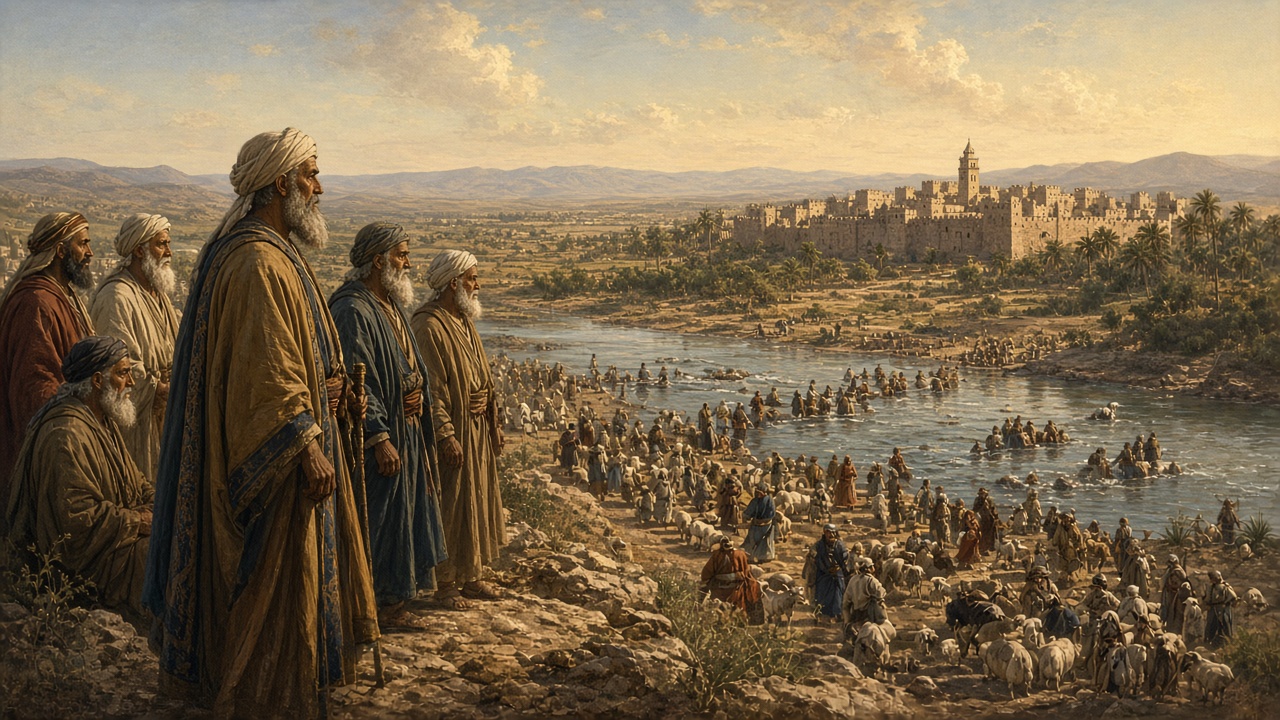
- When Joshua took command, the people were encamped at Shittim. They crossed the Jordan and camped at Gilgal, where, Easton says, he circumcised the people and kept the Passover. Jericho, a fortified city among palm trees about five miles west of the Jordan, is described as Canaan's strongest fortress and the key to western Palestine; Ai, east of Bethel, was the second Canaanite city taken, after an initial defeat.Sources: Easton: Joshua · Jericho · Ai
- Easton's Bible Dictionary (1897) says Joshua conquered six nations and thirty-one kings, then divided the land among the tribes, with Timnath-serah in Mount Ephraim assigned to himself. East of the Jordan, Gilead is described as a mountainous region held by the tribes of Gad and Reuben and the southern part of Manasseh.Sources: Easton: Joshua · Gilead
- Quoting Edersheim, the dictionary says Joshua's name was changed from Oshea, "help," to Jehoshua, "Jehovah is help," and notes that he is called Jesus in Acts 7:45 and Hebrews 4:8. It states that he died at the age of one hundred and ten, twenty-five years after crossing the Jordan, and was buried in his own city of Timnath-serah; of his father Nun, nothing more is recorded than that he was Joshua's father.Sources: Easton: Joshua · Joshua · Nun
- Before leading the conquest, Joshua commanded Israel's host against the Amalekites at Rephidim, served as Moses' minister, and was one of twelve sent to explore Canaan; only he and Caleb brought back an encouraging report. As Easton sketches the book, it runs from the crossing of the Jordan and the taking of Jericho through years of war to the division of the land and Joshua's last address.Sources: Easton: Joshua
Notes written with AI assistance from open sources (Theographic Bible Metadata, CC BY-SA 4.0; Easton’s Bible Dictionary, public domain) and reviewed before publishing.
Kanu kəloku Yosuwe a pəbɛrɛ antɔf ŋa kɛ nde Kanaŋ
1Ntɛ defi da Aŋnabi Musa wəcar wəka Mariki dencepər mɔ, kɔ Mariki oloku Yosuwe wan ka Nun wəmarəs ka Musa: 2«Wəcar kem Musa efi. Ndɛkəl oŋ məyɛfɛ, məcali kəŋgbɔkɔ ka Yurdɛn kaŋkɛ, məna kɔ afum akaŋɛ fəp. Nəkɔ nde atɔf nŋɛ indesɔŋ aka Yisrayel mɔ. 3Nnɔ o nnɔ məncəmbər kəcək mɔ, isɔŋ un di pəmɔ tɔkɔ inaloku ti Musa mɔ. 4Cələncər conu cəndeyɛfɛ nde dətɛgbərɛ kɔ Libaŋ dandɛ, haŋ nde kəŋgbɔkɔ kəpɔŋ ka Ɛfərat, kəyɛfɛ ka atɔf ŋa aka Hitit, haŋ nde Kəba Kəpɔŋ ntende dec dɛŋkalɛ mɔ. 5Ali fum ɔfɔcəm'am fɔr kiriŋ kəyi kam doru fəp. Isol'am pəmɔ tɔkɔ inasolɛ Musa mɔ. Ifɔdesak əm, ifɔc'am. 6Məyeŋk dis, məbəknɛ! Bawo mən'endekɔtɛnɛ afum a Yisrayel kəbaŋ atɔf ŋa kɛ nŋɛ inadɛrəm kəsɔŋ atem aŋan mɔ. 7Məyeŋk dis gbaŋ, məbəknɛ! Məgbətnɛ məkɔt sariyɛ nsɛ Musa wəcar kem omboc'am mɔ: Ta məgbaymɛ si kəca kətɔt, ta məgbaymɛ kəca kəmeriya, ntɛ tɔŋsɔŋ'am kətam mes fəp nnɔ o nnɔ məŋkɔ mɔ. 8Ta buk ba sariyɛ mbɛ bɔbɔl'am dəkusu! Məckaraŋ bi daŋ kɔ pibi ntɛ tɔŋsɔŋɛ məgbətnɛ, məkɔt tɔkɔ ancic buk bambɛ disrɛ mɔ, itɔ məŋsolnɛ dɔpɔ dɔtɔt, it'ɔŋsɔŋɛ mətam mes fəp. 9Indɛm f'am: Məyeŋk dis, məbəknɛ ba? Awa, ta mənesɛ, ta dis dɔlɔl əm, bawo Mariki, Kanu kam kəsol'am nnɔ o nnɔ məŋkɔ mɔ.»
Yosuwe kəlompəs kɔn kəcali ka Yurdɛn
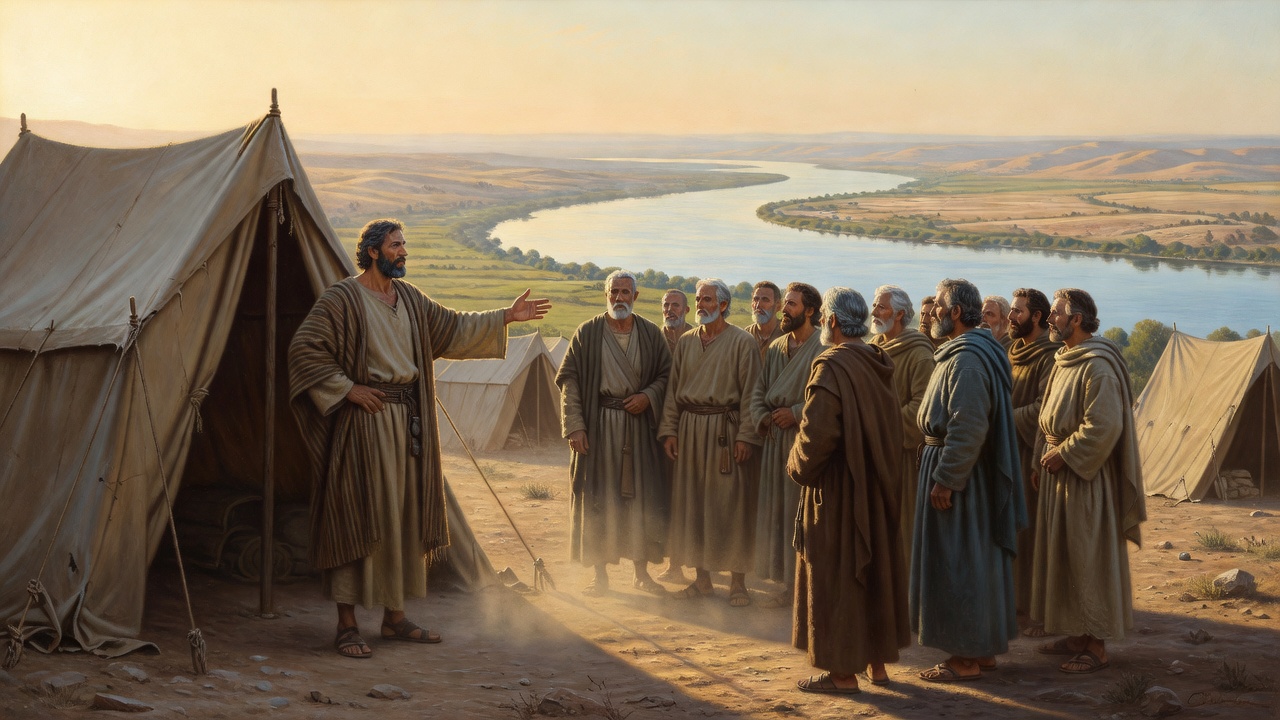
10Kɔ Yosuwe osom ti akiriŋ: 11«Nəkɔt afan disrɛ fəp, nəloku afum ntɛ: ‹Nədɛmnɛ yeri, bawo mata maas mɛncəmɛ kəcali ka Yurdɛn yayɛ, nəkɔbaŋ atɔf nŋɛ Mariki, Kanu konu kəsɔŋ un mɔ.›» 12Kɔ Yosuwe oloku aRuben, aKadu kɔ aka kusuŋka dacɔ ka Manase: 13Nəmɛŋkərnɛ dəsəbomp tɔkɔ Musa wəcar ka Mariki ɛnasom'un mɔ, pəcloku: «Mariki, Kanu konu kəsɔŋ'un kəŋesəm, kəsɔŋ un atɔf nŋɛ.» 14Aran anu, awut anu, kɔ yɔcɔl yonu yendeyi atɔf nŋɛ Musa ɔsɔŋ un nde Yurdɛn kəsək ntende dec dɛmpɛ mɔ. Mba nəna arkun aŋɛ nəŋyɛfərɛnɛ nətɔmpər yosutnɛnɛ yonu mɔ, nən'endekɔnuŋkɛnɛ kəcali kəŋgbɔkɔ. Nəmar awɛnc un aŋa, 15haŋ Mariki pəsɔŋ awɛnc un aŋa kəŋesəm pəmɔ nəna, ŋa sɔ ŋasɔtɔ atɔf nŋɛ Mariki, Kanu konu kəsɔŋ ŋa mɔ. Kɔ telip-ɛ, nəluksərnɛ nəder nəlɛk atɔf ŋa kɛ nŋɛ ŋɔyɔnɛ ŋonu mɔ. Musa wəcar ka Mariki ɔsɔŋ un ŋi Yurdɛn kəca kəŋkɔ ntende dec dɛmpɛ mɔ.»
16Kɔ ŋaloku Yosuwe: «Səndeyɔ ntɛ o ntɛ məŋsom su mɔ: Səndekɔ sɔ nnɔ o nnɔ məndekekərɛ su mɔ. 17Səndecəŋkəl'əm pəmɔ tɔkɔ sənacəŋkəl Musa mɔ. Tes tin gbəcərəm tɛbas su: Mariki, Kanu kam kəsol'am pəmɔ tɔkɔ kənasolɛ Musa mɔ! 18Nwɛ o nwɛ endetaŋər'əm aləŋəs, pəyeŋkər dim dam domp mɔ, andif kɔ. Məyeŋk dis gbaŋ, məbəknɛ!
Did you know?
Joshua Assumes Leadership
- Joshua, the son of Nun from the tribe of Ephraim, served as Moses' assistant and military commander before being commissioned to succeed him as leader of Israel. His name means "Jehovah is his help" or "Jehovah the Saviour."Sources: Joshua · the Bible text itself
- The territory outlined in God's commission to Joshua stretches from the southern wilderness and the Lebanon mountain range in the north to the Euphrates (called "the great river") in the east and the Mediterranean ("the Great Sea") to the west.Sources: the Bible text itself · Lebanon · Euphrates · Great Sea
- The tribes of Reuben, Gad, and the half-tribe of Manasseh had already received territory east of the Jordan River under Moses. However, their armed warriors were required to cross over ahead of the other tribes to assist them until the entire land was secured.Sources: the Bible text itself · Manasseh (son of Joseph)
Notes written with AI assistance from open sources (Theographic Bible Metadata, CC BY-SA 4.0; Easton’s Bible Dictionary, public domain) and reviewed before publishing.
Places in this chapter
- Jordan · Today: Jordan River · 31.761, 35.558 · verses 2, 11, 14, 15
- Euphrates · Today: Euphrates River · 31.004, 47.442 · verse 4
- Great Sea · Today: Mediterranean Sea · 31.805, 34.170 · verse 4
- Lebanon · 33.540, 35.584 · verse 4
- Negeb · 31.245, 34.841 · verse 4
- Syria · Today: Aram · 33.511, 36.306 · verse 4
Only places identified with high confidence are shown (90% or more according to the scholarly sources compiled by OpenBible). Period map: DARE (Digital Atlas of the Roman Empire), CC BY 4.0; modern map: © OpenStreetMap contributors; places: OpenBible.info (CC BY 4.0).
Credits and license for this translation
Kitabu ka Kanu
Portions of the Holy Bible in the Baga Sitemu language of Guinea
Des portions de la Sainte Bible dans la langue Baga Sitemu de Guinée
copyright © 2015 Pioneer Bible Translators
Language: Baga Sitemu
Translation by: Traducteurs Pionniers de la Bible
Contributor: Pioneer Bible Translators
This translation is made available to you under the terms of the
Creative Commons Attribution Share-Alike license 4.0.
You have permission to share and redistribute this Bible translation in any format and to make reasonable revisions and adaptations of this translation, provided that:
You include the above copyright and source information.
If you make any changes to the text, you must indicate that you did so in a way that makes it clear that the original licensor is not necessarily endorsing your changes.
If you redistribute this text, you must distribute your contributions under the same license as the original.
Pictures included with Scriptures and other documents on this site are licensed just for use with those Scriptures and documents.
For other uses, please contact the respective copyright owners.
Note that in addition to the rules above, revising and adapting God's Word involves a great responsibility to be true to God's Word. See Revelation 22:18-19.
2025-04-29
Source: http://ebible.org/bsp/ · eBible.org