Genesis 34
Kitabu ka Kanu · Tap a verse to see its cross-references.
Simeyɔŋ kɔ Lewy kəluksɛ ayɛk ŋa wəkirɛ kəŋan Dina nwɛ analapəs mɔ
1Dina, wan wəran nwɛ Leya ɛnakomɛ Yakuba mɔ, ɛyɛfɛ kəkɔnəŋk awut aran a dɔtɔf. 2Səkɛm, wan ka Hamɔr wəHewy wəbɛ wəka dɔtɔf, ɛnəŋk kɔ, k'ɛmbaŋ kɔ, k'ombocərnɛ kɔ, k'ɛlapəs kɔ. 3Kɔ Səkɛm esektərnɛ teta Dina wan wəran ka Yakuba, haŋ dəmoloku mɔn k'ɛsɛp kəsɔtɔ ka kəbɔtər ka Dina. 4Kɔ Səkɛm oloku papa kɔn Hamɔr: «Məsɔŋ im wəyecəra wəkawɛ pəyɔnɛ wəran kem wənɛncɛ.» 5Kɔ Yakuba ende pəcərɛ a Səkɛm ɛncərɛ wan kɔn Dina dɛran. Mba ntɛ awut a Yakuba arkun ŋanayi dalɛ kɔ yɔcɔl yɔn mɔ, kɔ Yakuba ɛncaŋkɛ ti haŋ kɔ ŋander kəyɛfɛ dalɛ. 6Kɔ Hamɔr papa ka Səkɛm ɔŋkɔ pəlok-lokər Yakuba. 7Kɔ awut a Yakuba ŋander kəyɛfɛ dalɛ. Ntɛ ŋane moloku mamɔkɔ mɔ, kɔ mosumpər ŋa. Kɔ pəntɛlɛ ŋa, bawo Səkɛm ɛnayɔ tɔyɔ ntɛ pənatɔmar paŋaŋnɛnɛ kɔ Yisrayel mɔ: Kəkiyɛ kəcərɛ Dina wan ka Yakuba dɛran, ta ŋayɔnɛ akin ayi-ɛ. 8Kɔ Hamɔr oloku ŋa ntɛ: «Wan kem Səkɛm ɛfaŋ kəfaŋ dəm wəkirɛ konu Dina kənɛncɛ, nəsɔŋ kɔ kɔ pənɛncɛ, ilɛtsɛnɛ nu. 9Antam kəkotərɛnɛ pacnɛncɛnɛnɛ. Nəde nəcsɔŋ su awut anu aran, nəclɛk awut asu aran. 10Nəndendɛ kɔ səna, atɔf ŋendeyi nu dəwaca pəmɔ səna, nəyi dɛ, nəccaməs, nətɛn sɔ dɛ ntɔf.» 11Kɔ Səkɛm oloku papa kɔ awɛnc a Dina: «K'isɔtər nu kəwosɛ-ɛ, iŋsɔŋ nu mpɛ o mpɛ nəŋwer im mɔ. 12Nəwer im kəfac kəpɔŋ kɔ yopocɛ yɛlarəm. Iŋsɔŋ nu yi. Mba nəsɔŋ wəyecəra wəkawɛ Səkɛm pənɛncɛ.» 13Kɔ awut a Yakuba arkun ŋantiŋkər Səkɛm kɔ kas bawo Səkɛm ɛnakiyɛ kəcərɛ ka wəkirɛ kəŋan dɛran. 14Kɔ awut a Yakuba ŋaloku Səkɛm kɔ kas: «Pəncuca su kəsɔŋ wəkirɛ kosu, fum nwɛ antɔkənc mɔ, bawo tendeyɔnɛ kəlapəs kosu. 15Kɔ səndewosɛ tɛfaŋ tonu-ɛ, mɛnɛ nəna sɔ nəwosɛ kəyi pəmɔ səna, ti tɔ tatɔkɔ arkun aŋɛ ŋayi nu dacɔ mɔ fəp pakənc ŋa. 16Tɛm tatɔkɔ səŋwosɛ kəclɛk awut anu aran sənɛncɛ, nəna sɔ dəmnɛ nəclɛk akosu nəcnɛncɛ. Səndɛ nnɔ kɔ nəna payɔnɛ sɔ afum akin ayi. 17Mba kɔ nəntɔtam kəne tɔkɔ səloku a pakənc nu mɔ, səŋlɛk wan kosu Dina, səkɔ.» 18Hamɔr kɔ wan kɔn Səkɛm ŋawosɛ moloku mamɔkɔ, kəwosɛ a pakənc ŋa. 19Kɔ wan wərkun nwɛ oncop tɔyɔ tatɔkɔ, bawo ɛnabɔtər Dina haŋ pəcepərər. Nkɔn Səkɛm sɔ, anabɔtər kɔ nde ndaraŋan patas aka di fəp. 20Hamɔr kɔ Səkɛm ŋaŋkɔ nde dəkəbɛrɛ da dare daŋan, kɔ ŋaloku afum a dare: 21«Afum akaŋɛ ŋasɔkɛ su bəkəc. Ŋawosɛ kəndɛ atɔf ŋaŋɛ ŋaccaməs, atɔf ŋaŋɛ ŋɔwɔkəl ŋa. Ande paclɛkərɛnɛ aran kɔ ŋa. 22Mba afum akaŋɛ kəwosɛ kəŋan kəndɛ kɔ səna, payɔnɛ akin ayi, mɛnɛ pawosɛ arkun aŋɛ ŋayi su dacɔ mɔ fəp, pakənc ŋa pəmɔ ŋa. 23Yɔcɔl yaŋan kɔ ca yaŋan fəp yɔfɔdeyɔnɛ yosu ba? Pawosɛ tɛfaŋ taŋan gbəcərəm, ŋayi su dɛ.» 24Akɔ ŋanakɔ dəkəbɛrɛ da dare daŋan mɔ fəp, kɔ ŋancəŋkəl Hamɔr kɔ wan kɔn Səkɛm. Arkun akɔ ŋanader dəkəbɛrɛ da dare daŋan dəkəcəŋkəl mɔ fəp, k'aŋkənc ŋa. 25Tataka ta maas ta kəkənc kəŋan, akənc ŋayi kəcunɛnɛ, kɔ awut a Yakuba mɛrəŋ, Simeyɔŋ kɔ Lewy awɛnc arkun a Dina, ŋalɛkəs sakma səŋan kɔ ŋander ŋacop dəkəbɛrɛ da dare daŋan, nde afum a di ŋanacɛm-cɛmnɛ kəyi pəforu disrɛ mɔ. Simeyɔŋ kɔ Lewy ŋawɛkərnɛ arkun a dɔtɔf kədifət haŋ kɔ ŋalip ŋa fəp. 26Kɔ ŋandifɛnɛ sɔ Hamɔr kɔ Səkɛm sakma səŋan, kɔ ŋalɛk wəkirɛ kəŋan Dina ndena Səkɛm kɔ ŋaŋkɔ. 27K'awut a Yakuba ŋawɛkərnɛ sɔ afi, kɔ ŋaŋkiyər aka dare bawo mɛtɛlɛ mɛnayi ŋa kəlapəs ka wəkirɛ kəŋan Dina. 28Kɔ ŋalɛk ŋkesiya, cir, cəna, sɔfale, yɔcɔl yɔkɔ yɛnayi dare disrɛ kɔ dəkulum mɔ fəp. 29Kɔ awut a Yakuba ŋawɛtəs ca ya afi, awut aŋan, aran aŋan, kɔ ca yɔkɔ ŋanabəp nda Səkɛm kɔ Hamɔr mɔ fəp kɔ ŋaŋkekərɛ. 30Kɔ Yakuba oloku Simeyɔŋ kɔ Lewy: «Nəyɔ em pəlɛc tetonu tendesɔŋɛ aka Kanaŋ kɔ aka Perisi ŋadeter im! Nəncərɛ a səmpicɛ, kəbɛrɛnɛ kɔ ŋander kədesutɛnɛ kɔ ina, tɛm tatɔkɔ ŋandesut im ŋaləsər afum em.» 31Kɔ awut a Yakuba ŋaloku kas kəŋan: «Səndewosɛ Səkɛm pəyɔ wəkirɛ kosu pəmɔ wəran wəyi yamayama ba?»
Did you know?
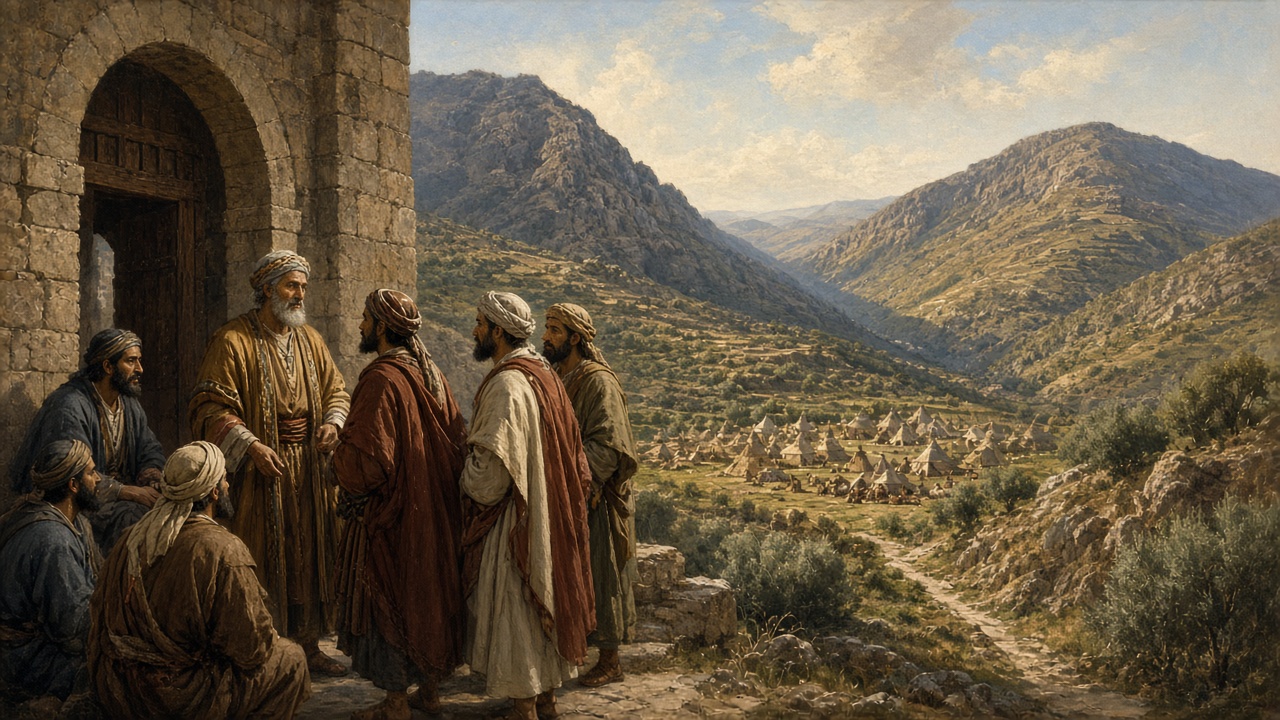
Dinah and the city of Shechem
- Dinah, daughter of Jacob and Leah and sister of Simeon and Levi, was taken by force by Shechem, son of Hamor the Hivite. Simeon and Levi then killed Hamor, Shechem, and the men of the city; Jacob said they had made him a stench to the Canaanites and Perizzites, and, when dying, he pronounced a malediction against Simeon.Sources: Dinah · Simeon · the Bible text itself
- The city of Shechem lay in a narrow, sheltered valley between Mount Ebal on the north and Mount Gerizim on the south, only some five hundred yards apart at their base. After returning from Mesopotamia, Jacob bought a parcel of a field there from the children of Hamor. Hamor's name is explained as meaning 'he-ass,' and Acts 7:16 calls him Emmor.Sources: Shechem · Hamor
- The Hivites were one of the peoples scattered from Hermon to Gibeon in the south; the name is interpreted as 'midlanders' or 'villagers,' and they were probably a branch of the Hittites. Hamor the Hivite is described as prince of the land at the time of Jacob's return, and the narrative calls his son Shechem the most respected of all his father's household.Sources: Hivite · the Bible text itself
Notes written with AI assistance from open sources (Theographic Bible Metadata, CC BY-SA 4.0; Easton’s Bible Dictionary, public domain) and reviewed before publishing.
Credits and license for this translation
Kitabu ka Kanu
Portions of the Holy Bible in the Baga Sitemu language of Guinea
Des portions de la Sainte Bible dans la langue Baga Sitemu de Guinée
copyright © 2015 Pioneer Bible Translators
Language: Baga Sitemu
Translation by: Traducteurs Pionniers de la Bible
Contributor: Pioneer Bible Translators
This translation is made available to you under the terms of the
Creative Commons Attribution Share-Alike license 4.0.
You have permission to share and redistribute this Bible translation in any format and to make reasonable revisions and adaptations of this translation, provided that:
You include the above copyright and source information.
If you make any changes to the text, you must indicate that you did so in a way that makes it clear that the original licensor is not necessarily endorsing your changes.
If you redistribute this text, you must distribute your contributions under the same license as the original.
Pictures included with Scriptures and other documents on this site are licensed just for use with those Scriptures and documents.
For other uses, please contact the respective copyright owners.
Note that in addition to the rules above, revising and adapting God's Word involves a great responsibility to be true to God's Word. See Revelation 22:18-19.
2025-04-29
Source: http://ebible.org/bsp/ · eBible.org