Genesis 21
Kitabu ka Kanu · Tap a verse to see its cross-references.
Kəkom ka Siyaka
1Kɔ MARIKI ɛmbaŋ Sara pəmɔ tɔkɔ ɛnaloku ti mɔ, kɔ MARIKI ɛlasɛ kɔ dim dɔkɔ ɛnasɔŋ kɔ mɔ. 2Kɔ Sara ɛmbɛkəs, k'oŋkomɛ Abraham wan wərkun detem dɔn disrɛ, tɛm tatɔkɔ Kanu kənaboncər kɔ mɔ. 3Kɔ Abraham ewe wan wərkun nwɛ Sara oŋkomɛ kɔ mɔ «Siyaka.» 4Kɔ Abraham ɛŋkənc Siyaka wan kɔn wərkun nwɛ tataka ta camət-maas tɔn, pəmɔ tɔkɔ Kanu kənasom kɔ ti mɔ. 5Abraham ɛnasɔtɔ meren tasar tin (100), ntɛ anckom wan kɔn Siyaka mɔ. 6Kɔ Sara oloku: «Kanu kəsɔŋ'em kəselsər. Nwɛ o nwɛ ene kəkom kem Siyaka mɔ, tɔŋyɔ kɔ mesel.» 7K'endeŋər: «An'ɛnatam kəsɔŋɛ Abraham kəlaŋ a Sara endemɛsər awut-ɛ? Mba iŋkomɛ kɔ wan wərkun detem dɔn disrɛ.»
Abraham kəbɛləs kɔn Hakar kɔ Səmayila
8Kɔ wan ɛmbɛk k'awurɛ kɔ mɛsɛ. Kɔ Abraham omboc kəsata kəpɔŋ dɔsɔk ndɛ awurɛ Siyaka mɛsɛ mɔ. 9Kɔ Sara ɛnəŋk wan wərkun, nwɛ wəran wəMisira Hakar ɛnakomɛ Abraham mɔ, pəcsel. 10Kɔ Sara oloku Abraham: «Məbɛləs wan wəran wəcar nwɛ kɔ wan kɔn wərkun. Bawo wan ka wəcar wəkawɛ ŋafɔdepaŋnɛ kɛ kɔ wan kem.» 11Kɔ toloku tatɔkɔ tɛntɛlɛ Abraham belbel teta wan kɔn. 12Mba kɔ Kanu kəloku Abraham: «Ta tɛtɛl'am teta wan kam wərkun kɔ kɛrɛ, wəcar kam. Məwosɛnɛ Sara ntɛ o ntɛ ɛŋfaŋər əm mɔ. Bawo nnɔ Siyaka eyi mɔ, məndesɔtɔ yuruya nyɛ yendetɔmpər tewe tam mɔ. 13Indeyɔnɛ sɔ wan ka wəcar kam atɔf. Bawo nkɔn sɔ yuruya yam y'ɔyɔnɛ.»
14Kɔ Abraham ɛyɛfɛ bətbət suy, k'ɛlɛk kəcom, k'ɛlas apampɛ domun k'ɔsɔŋ Hakar, k'ɛndəndəsər kɔ wan, k'ɛmbɛləs ŋa. Kɔ Hakar ɔŋkɔ pəyi Tɛgbərɛ ta Bersaba. 15Ntɛ apampɛ ŋelip domun mɔ, kɔ Hakar ɛsak wan tɔtɔk dəntɔf. 16K'ɛŋkafələr k'ɔŋkɔ pəndɛ kəsək pəccɔpəsnɛ: «Ifaŋ fɛ kəgbətnɛ wan kem pəcfi.» K'ɔŋkɔ pəndɛ pəbɔlɛnɛ kɔ dobolu da kələm ka ambəncəran katin pətɛfərnɛ kɔ, pəcbok. 17Kɔ Kanu kəne wan dim, kɔ mɛlɛkɛ ma Kanu mewe Hakar darenc kɔ meyif kɔ: «Ake'ntɔrs'əm-ɛ Hakar? Ta mənesɛ! Bawo Kanu kəne wan kam dim nde eyi mɔ. 18Məyɛfɛ məlɛk wan, məsumpər kɔ waca mɛrəŋ, bawo afum alarəm ŋ'indesɔŋ kɔ.» 19Kɔ Kanu kəmepi Hakar fɔr k'ɛnəŋk kələmp. K'ɔŋkɔ pəlas apampɛ domun, k'ɔsɔŋ wan k'omun. 20Kɔ Kanu kəmbum wan nwɛ ɛncbɛk, pəyi dətɛgbərɛ mɔ, k'ende pəyɔnɛ wəpɛnɛ mbəncəran. 21Kɔ Səmayila ɛmbɛk dəndo tɛgbərɛ ta Paran, kɔ kɛrɛ ɛntɛnɛ kɔ wəran wəMisira.
Abraham kəsek kɔn danapa kɔ Abimɛlɛk
22Tɛm tatɔkɔ, Abimɛlɛk ŋasol kɔ Pikɔl, wəbɛ wəka asɔdar ɔn, k'ende pəloku Abraham: «Kanu kəsol am mes mmɛ məŋyɔ mɔ fəp. 23Mədɛrəm'em oŋ ma nnɔ, məckornɛ Kanu a məfɔdetiŋkər im, awut em, kɔ awut-sɔ em, mədɛrəm em sɔ a məndetɔmpər em kɔ atɔf nŋɛ məyi mɔ abəkəc ŋosoku, pəmɔ tɔkɔ iyɔn'am mɔ.» 24Kɔ Abraham oloku: «Indɛrəm am ti.» 25Mba kɔ Abraham ɛnal Abimɛlɛk teta kələmp nkɛ acar a Abimɛlɛk ŋanabaŋɛ fənɔntər mɔ. 26Kɔ Abimɛlɛk oloku: «Incərɛ fɛ nwɛ ɛnayɔ tɔyɔ tatɔkɔ mɔ: Mənasɔŋɛ f'em ti kəcərɛ, mɔkɔ məndesɔŋ'em oŋ ti kəcərɛ.» 27Kɔ Abraham ɛlɛk ŋkesiya, cir kɔ cəna, k'ɔsɔŋ yi Abimɛlɛk. Kɔ ŋaluksərnɛ kɔ ŋasek danapa mɛrəŋ maŋan. 28Kɔ Abraham ɛncəmbər kəsək cir cəyecəra camət-mɛrəŋ ca yɔcɔl yɔn. 29Kɔ Abimɛlɛk eyif Abraham: «Ŋkesiya yɛran camət-mɛrəŋ ya ake yɔ məncəmbər kəsək-ɛ?» 30K'Abraham oloku Abimɛlɛk: «Məwosɛ kəbaŋ ŋkesiya yɛran camət-mɛrəŋ yayɛ tɔyɔnɛ kətəŋnɛ kosu tes a in'ɛnakay kələmp kaŋkɛ.» 31Ti tɔ awenɛ tofo tatɔkɔ «Bersaba», bawo dəndo kəfo kaŋkɔ kɔ ŋanadɛrmɛnɛ. 32Kɔ ŋantəŋnɛ kəsek danapa dəndo Bersaba. Kɔ tɛyɛfɛ dənda, Abimɛlɛk kɔ Pikɔl wəbɛ ka asɔdar ɔn ŋayɛfɛ, kɔ ŋalukus atɔf ŋa aFilisti. 33Kɔ Abraham ɔmbɔf abet Bersaba, k'oŋkornɛ MARIKI nwɛ ɔntɔlip doru o doru mɔ. 34K'Abraham encepərɛnɛ tɛm tobolu atɔf ŋa aFilisti.
Did you know?
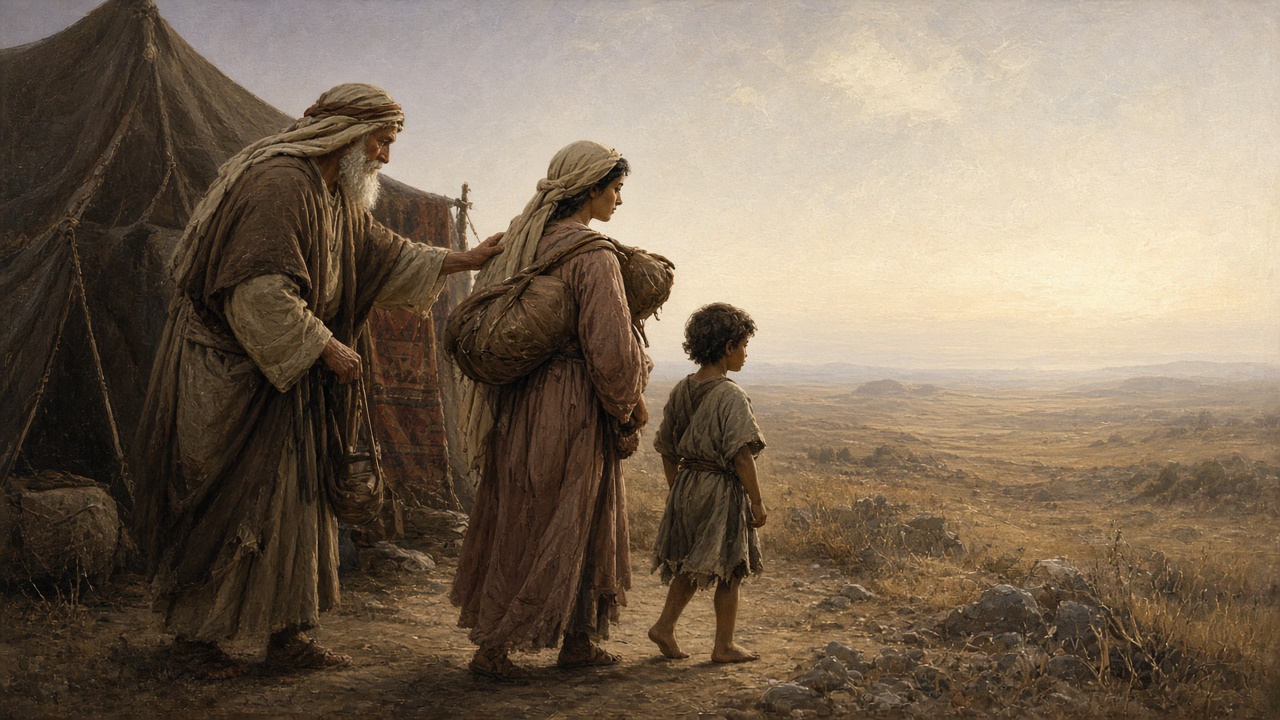
Isaac’s birth, Hagar’s departure, and Beersheba
- Abraham was a hundred years old when Sarah bore him Isaac, their only son together, and he circumcised the child at eight days old, as God had commanded. Sarah said that God had made her laugh, and that everyone who heard of this would laugh with her. Easton's Bible Dictionary (1897) notes that a great feast was held when Isaac was weaned, probably when he was about two years old.Sources: the Bible text itself · Isaac
- Hagar, whose name is explained as “flight” or, according to others, “stranger,” was an Egyptian and Sarah’s handmaid, whom Sarah gave to Abraham as a secondary wife. After Isaac’s birth, Abraham sent Hagar and their son Ishmael into the Wilderness of Beersheba with bread and a skin of water. Ishmael later settled in the Wilderness of Paran, a desert tract in the northeastern Sinai Peninsula between the Arabah on the east and the wilderness of Shur on the west, became a great archer, and his mother got him a wife from Egypt.Sources: the Bible text itself · Hagar · Paran
- Beersheba, “well of the oath” or “well of seven,” was named when Abraham and Abimelech swore an oath there over a well that Abraham said he had dug; he set apart seven ewe lambs as a witness, and the two made a covenant. Phicol, chief captain of the army of Abimelech, the Philistine king of Gerar, entered that alliance with Abraham. Abraham then planted a tamarisk at Beersheba and lived for a long time in the land of the Philistines.Sources: the Bible text itself · Beersheba · Phichol
Notes written with AI assistance from open sources (Theographic Bible Metadata, CC BY-SA 4.0; Easton’s Bible Dictionary, public domain) and reviewed before publishing.
Places in this chapter
Only places identified with high confidence are shown (90% or more according to the scholarly sources compiled by OpenBible). Period map: DARE (Digital Atlas of the Roman Empire), CC BY 4.0; modern map: © OpenStreetMap contributors; places: OpenBible.info (CC BY 4.0).
Credits and license for this translation
Kitabu ka Kanu
Portions of the Holy Bible in the Baga Sitemu language of Guinea
Des portions de la Sainte Bible dans la langue Baga Sitemu de Guinée
copyright © 2015 Pioneer Bible Translators
Language: Baga Sitemu
Translation by: Traducteurs Pionniers de la Bible
Contributor: Pioneer Bible Translators
This translation is made available to you under the terms of the
Creative Commons Attribution Share-Alike license 4.0.
You have permission to share and redistribute this Bible translation in any format and to make reasonable revisions and adaptations of this translation, provided that:
You include the above copyright and source information.
If you make any changes to the text, you must indicate that you did so in a way that makes it clear that the original licensor is not necessarily endorsing your changes.
If you redistribute this text, you must distribute your contributions under the same license as the original.
Pictures included with Scriptures and other documents on this site are licensed just for use with those Scriptures and documents.
For other uses, please contact the respective copyright owners.
Note that in addition to the rules above, revising and adapting God's Word involves a great responsibility to be true to God's Word. See Revelation 22:18-19.
2025-04-29
Source: http://ebible.org/bsp/ · eBible.org