Exodus 15
Kitabu ka Kanu · Tap a verse to see its cross-references.
Teleŋ ta Musa kɔ aka Yisrayel
1Ntɛ tencepər mɔ, Musa k'aka Yisrayel ŋaleŋsɛ MARIKI teleŋ ntɛ:
«Indeleŋsɛ MARIKI
bawo ɛnamentər debeki da kətam kɔn:
Ɛŋgbal afəlɛs kɔ wəyɛksɛnɛ ka ŋi dəkəba.
2MARIKI ɔyɔnɛ sɔkət sem kɔ teleŋ tem,
Nkɔn ɔyɔnɛ wəyac kem.
Kanu kem kɔ, indeyek-yekəs kɔ.
Kanu ka papa kem kɔ,
indekor-koru debeki dɔn.
3MARIKI korgba kɔ! Tewe tɔn tɔyɔnɛ MARIKI.
4Ɛləm dəkəba cibil ca dəkəwan ca firawona kɔ kənay kɔn k'asɔdar.
Asɔdar abaŋsɛ aMisira,
anakal ŋa nde kəba ka Cəŋkɔlma.
5Kɔ putukum pa kəba pɛŋgbəpərnɛ ŋa, kɔ ŋantor kəba dəntɔf pəmɔ masar.
6Kəca kam kətɔt, MARIKI, kəyɔ fənɔntər fəwɛy-wɛy! Kəca kam kətɔt, MARIKI, kəmputuk wəterɛnɛ kam.
7Debeki da dɛbɛ dam dɔsɔŋɛ kəyɛt aŋɛ ŋancəm'am dɛbəkəc mɔ.
Kɔ məwurɛ mɛtɛlɛ mam-ɛ:
Mendi ŋa pəmɔ ntɛ nɛnc dendi tuktukur ya mɛmpəlɛ mɔ.
8Kifir k'aloləm ŋam gbəcərəm kəsɔŋɛ domun da dəkəba kəgbɛyɛnɛ,
kɔ yam yɛncəmɛ pəmɔ biŋkəli,
kɔ domun da kəba dəntɔf dɛncəp.
9Wəterɛnɛ kosu oncloku: ‹Kəbɛləs ŋa k'inder, isumpər ŋa!
Ibaŋər ŋa ca cəŋan pəmɔ tɔkɔ pəncepərər kəbɔt im mɔ.
Kəwurɛ k'inder dakma, iməlkɛ ŋa kəca kem!›
10Kɔ məfurup,
kɔ kəba kəŋkal ŋa,
kɔ ŋaŋkalɛ pəmɔ ntɛ tomunt pegbəleŋ pontor domun da dəkəba dɛwɛy-wɛy disrɛ mɔ.
11Canu cəyi fɛ ncɛ cəntəŋnɛnɛ kɔ məna MARIKI mɔ!
An'eyi pəmɔ məna, dosoku dam dɛmbɛk, dɔyɔ wɛywɛy,
nwɛ pəmar a pakor-koru mɔ,
məna nwɛ məŋyɔ mes mmɛ moŋwosəs kusu mɔ?
12Məntenci kəca kam kətɔt gbəcərəm,
kɔ antɔf ŋendi ŋa.
13Kəsektərnɛ kam danapa kɔ məŋkɔtɛnɛ afum am akaŋɛ mənawurus mɔ,
fənɔntər fam fɔ məndesolɛ ŋa,
məliŋərnɛ ŋa nde dəkiyi dam dosoku.
14Ntɛ andɛ asu ŋane ti mɔ, kɔ ŋayikcɛ.
Kɔ kənesɛ kəpɔŋ kəsumpər afum aka Filisti.
15Ayekyek ŋosumpər abɛ a atɔf ŋa Edɔm,
kɔ kəyikcɛ kəsumpər afum akiriŋ a Mohab,
kɔ bəkəc yɛlɛcɛ-lɛcɛ aka Kanaŋ fəp.
16Kənesɛ kɔ ayekyek ŋontorər ŋa.
Debeki da kəca kam, dɛnasɔŋɛ ŋa kəcaŋk pəmɔ tasar
haŋ afum am ŋaclip kəcepər, MARIKI, haŋ afum aŋɛ mənaway mɔ ŋaclip kəcepər.
17Məde məkekərɛ ŋa məkɔ mədəs
nde tɔrɔ kəroŋ mpɛ məsɔŋ ŋa kɛ mɔ,
kəfo kaŋkɔ mənalompəs dəkiyi dam mɔ, MARIKI,
dəndo kəfo kəsoku kaŋkɔ mənacəmbərɛ, Mariki, waca wam mɔ.
18MARIKI ɔntɔmpər dɛbɛ doru o doru.
19Bawo fəlɛs ya firawona kɔ cibil cɔn ca dəkəwan kɔ ayɛksɛnɛ fəlɛs ɔn ŋantɛmpɛnɛ dəkəba.
Kɔ MARIKI ɛŋgbəpər ŋa domun da dəkəba,
mba aYisrayel ŋaŋkɔt antɔf ŋowosu kəba dacɔ, wɛcək waŋan wowos fər.»
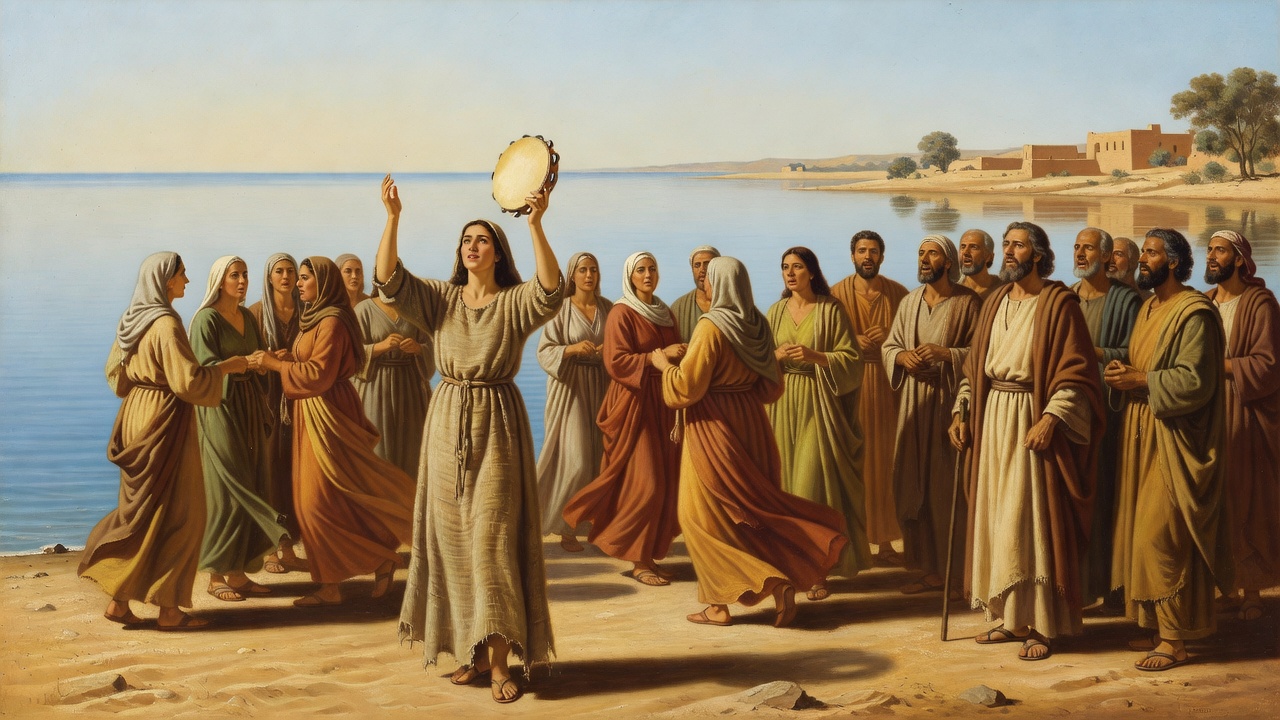
20Kɔ sayibɛ Miriyam, wəkirɛ ka Aruna ɛlɛk tamba, kɔ aran aYisrayel fəp ŋancəmɛ kɔ darəŋ, ŋacpisɛ ŋacfer mamba. 21Kɔ Miriyam oluksɛ ŋa:
«Nəleŋsɛ MARIKI, bawo ɛnamentər debeki da kətam kɔn.
Ɛləm dəkəba afəlɛs kɔ wəyɛksɛnɛ ka ŋi.»
Aka Yisrayel kəkɔt kəŋan dətɛgbərɛ
Domun da Mara
22Kɔ Musa ɔsɔŋɛ aka Yisrayel kəyɛfɛ kəba ka Cəŋkɔlma, k'osolnɛnɛ ŋa dɔpɔ da tɛgbərɛ ta Sur. Kɔ ŋaŋkɔt mata maas dətɛgbərɛ, ŋasɔtɔ fɛ domun.
23Kɔ ŋambɛrɛ Mara, mba ŋanatam fɛ kəmun domun da Mara, bawo dɛnadoktɛ. Ti tɔ awenɛ di tewe ta Mara «pədokət». 24K'aka Yisrayel ŋancop kəcɔpɛnɛ-cɔpɛnɛ nnɔ Musa eyi mɔ, ŋacloku: «Ake andemun-ɛ?» 25Kɔ Musa oŋkornɛ MARIKI, kɔ MARIKI ementər kɔ kətɔk nkɛ ɛnaləm dəromun mɔ, kɔ domun dadɔkɔ dɔyɔnɛ dobotu. Difɔ MARIKI ɛnasɔŋ aka Yisrayel sariyɛ kɔ tɔyɔ tokur tɔkɔ ŋande ŋacyɔ doru o doru mɔ. Dəndo MARIKI ɛnawakəs kəlaŋ kəŋan. 26Kɔ Musa oloku: «Kɔ məncəŋkəl belbel dim da MARIKI Kanu kam, kɔ məyɔ ntɛ tentesɛ MARIKI fɔr kiriŋ mɔ, məsu ləŋəs məcəŋkəl mosom mɔn kɔ məmɛŋkərnɛ sariyɛ sɔn fəp-ɛ, ali docu din ifɔsɔŋ əm ndɛ isɔŋ aka Misira mɔ. In'ɔfɔ MARIKI, nwɛ ɛntaməs əm mɔ.»
27K'aka Yisrayel ŋaŋkɔ ŋabɛrɛ Elim nde cələmp wəco kɔ mɛrəŋ (12) cənayi kɔ komp wəco camət-mɛrəŋ (70) mɔ. Kɔ ŋacəmbər saŋka səŋan dəndo domun kəsək.
Did you know?
The Song at the Red Sea
- Miriam, sister of Moses and Aaron, is called a prophetess in this chapter. She took the lead in the song of triumph after Israel passed through the Red Sea, and the women followed her with tambourines and dancing.Sources: Miriam · the Bible text itself
- From the Red Sea, Moses led Israel into the Desert of Shur, a wilderness on Egypt’s northeastern border extending toward Philistia. The name, meaning a wall, was probably taken from Egyptian fortifications, running from Pelusium to Heliopolis, built to defend that frontier from desert tribes. For three days they walked without finding water, and at Marah the water was bitter, which is why the place was so named.Sources: Shur · the Bible text itself
- The song says that anguish will grip Philistia, the land of the Philistines; that the chiefs of Edom, a rugged mountain land on the east side of the Arabah, from the head of the Gulf of Akabah to the foot of the Dead Sea, will be dismayed; and that trembling will seize the leaders of Moab, east of the Jordan and the Dead Sea and south of the Arnon. It also says that those who dwell in Canaan will melt away.Sources: the Bible text itself · Philistia · Edom · Moab
Notes written with AI assistance from open sources (Theographic Bible Metadata, CC BY-SA 4.0; Easton’s Bible Dictionary, public domain) and reviewed before publishing.
Places in this chapter
- Philistia · 31.664, 34.546 · verse 14
- Canaan · 32.767, 35.333 · verse 15
- Edom · 30.746, 35.604 · verse 15
- Moab · Today: Moab 1 · 31.181, 35.701 · verse 15
- Egypt · 30.129, 31.308 · verse 26
Only places identified with high confidence are shown (90% or more according to the scholarly sources compiled by OpenBible). Period map: DARE (Digital Atlas of the Roman Empire), CC BY 4.0; modern map: © OpenStreetMap contributors; places: OpenBible.info (CC BY 4.0).
Credits and license for this translation
Kitabu ka Kanu
Portions of the Holy Bible in the Baga Sitemu language of Guinea
Des portions de la Sainte Bible dans la langue Baga Sitemu de Guinée
copyright © 2015 Pioneer Bible Translators
Language: Baga Sitemu
Translation by: Traducteurs Pionniers de la Bible
Contributor: Pioneer Bible Translators
This translation is made available to you under the terms of the
Creative Commons Attribution Share-Alike license 4.0.
You have permission to share and redistribute this Bible translation in any format and to make reasonable revisions and adaptations of this translation, provided that:
You include the above copyright and source information.
If you make any changes to the text, you must indicate that you did so in a way that makes it clear that the original licensor is not necessarily endorsing your changes.
If you redistribute this text, you must distribute your contributions under the same license as the original.
Pictures included with Scriptures and other documents on this site are licensed just for use with those Scriptures and documents.
For other uses, please contact the respective copyright owners.
Note that in addition to the rules above, revising and adapting God's Word involves a great responsibility to be true to God's Word. See Revelation 22:18-19.
2025-04-29
Source: http://ebible.org/bsp/ · eBible.org