Exodus 10
Kitabu ka Kanu · Tap a verse to see its cross-references.
Pəcuy pa camət-maas: Cəlaŋkəma
1Kɔ MARIKI oloku Musa: «Məkɔ məbəp firawona, bawo in'endesɔŋɛ kɔ kətaŋ aləŋəs, nkɔn kɔ amarəs ɔn, ntɛ tɔsɔŋɛ imentər mɛgbɛkərɛ mɛwɛy-wɛy mem fɔr yaŋan kiriŋ mɔ. 2Ntɛ tendesɔŋ'am kəsɔtɔ tɔkɔ mənde məcloku awut am kɔ awut-sɔ am mɔ, mes mmɛ iyɔ aMisira, kɔ mɛgbɛkərɛ mɛwɛy-wɛy mmɛ iwurɛ ndaraŋan mɔ. Tendesɔŋ'on kəcərɛ a in'ɔyɔnɛ MARIKI.»
3Musa kɔ Aruna ŋaŋkɔ nde firawona eyi mɔ, kɔ ŋaloku kɔ: «Ntɛ tɔ MARIKI Kanu ka aHebəre kəloku: Ake tɛm tɔ məndesak kəfati kətontnɛn'em-ɛ? Məsak afum em ŋakɔsalɛn'em. 4Kɔ məfati kəsak afum em ŋakɔ-ɛ, alna iŋkɛrɛ cəlaŋkəma atɔf ŋam. 5Cəndekump atɔf ŋam ali antɔf ta aŋnəŋk-ɛ. Ci cəndesɔm yɔbɔf yɛlpəs nyɛ letər dɛsak mɔ, cəndesɔm tɔk yonu yɔkɔ yeyi kəpoŋ nde dəkulum mɔ fəp. 6Cəndelas wɔlɔ wam, wɔlɔ wa amarəs am, kɔ wɔlɔ wa aka Misira fəp. Kəyɛfɛ awisi aŋa kəbəp ka atem am, ali wəkin ɛnəŋk fɛ towurɛnɛ ta ti haŋ mɔkɔ.» Kɔ Musa ɛmbɛr firawona kumunt, k'owur ndɔrɔn. 7Kɔ amarəs a firawona ŋayif kɔ: «Ake tɛm tɔ fum wəkawɛ endesak kəyɔnɛ su towul-ɛ? Məsak afum aŋɛ ŋakɔsalɛnɛ MARIKI, Kanu kəŋan. Məntacərɛ fɛ a Misira meyi kəlɛcɛ ba?»
8K'aŋkɔ sɔ pawe Musa kɔ Aruna, kɔ ŋander nnɔ firawona eyi mɔ. Kɔ firawona oloku ŋa: «Nəntam kəkɔsalɛnɛ MARIKI, Kanu konu. Mba are ŋaŋkɔ-ɛ?» 9Kɔ Musa oloku kɔ: «Səŋkɔ kɔ atɛmp asu, atem asu, səŋkɔ kɔ awut asu arkun kɔ ayecəra, səŋkɔ kɔ yɔcɔl yosu yɔpɔŋ kɔ yɛfɛt, bawo kəsata ka MARIKI kɔ nnɔ səna səyi mɔ.» 10Mba kɔ firawona oloku ŋa: «MARIKI pəmar nu kɔ pəyɔnɛ icsak nu nəkɔ nəna kɔ aran anu kɔ awut anu-ɛ! Tɔsɔk pɛs a nəyɔ mɛcɛm-cɛmnɛ mɛlɛc! 11Tɛfaŋ tonu tɔfɔtam kəkɔt! Nəna arkun nəkɔ nəsalɛnɛ MARIKI, tatɔkɔ tɔ nəfaŋ!» K'ambɛləs ŋa firawona fɔr kiriŋ.
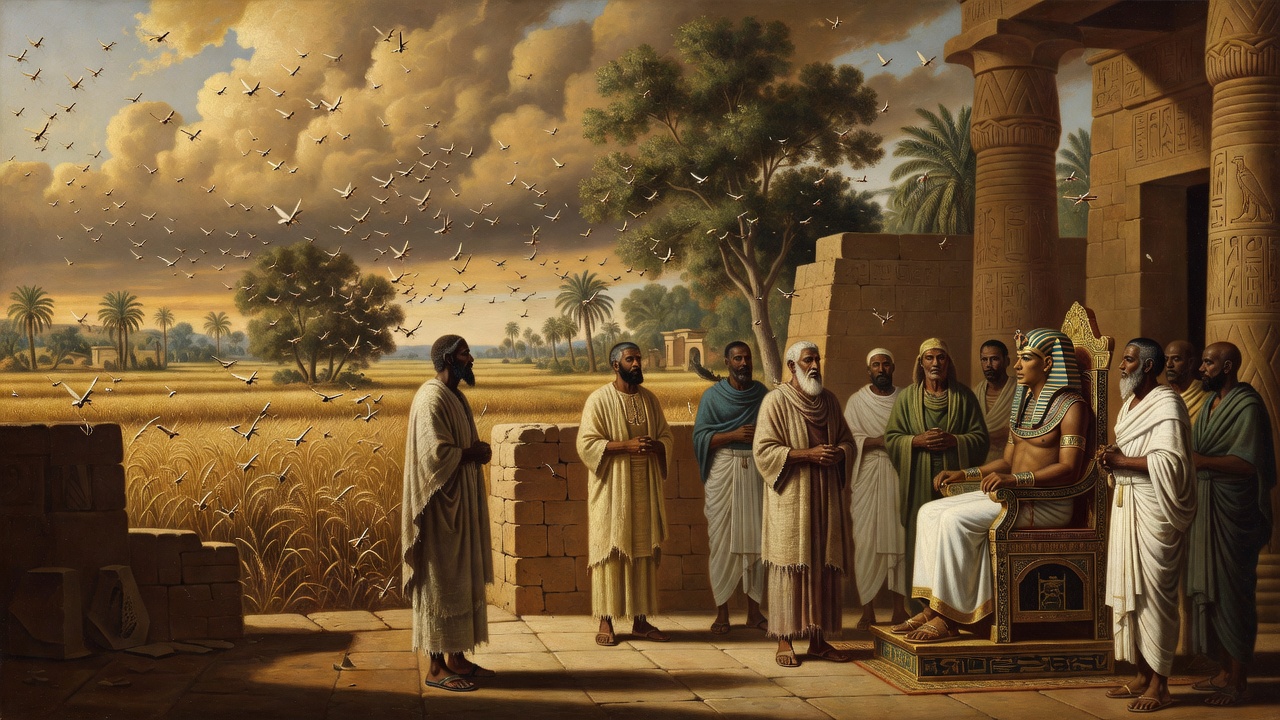
12Kɔ MARIKI oloku Musa: «Məcenc kəca atɔf ŋa Misira, ntɛ tɔŋsɔŋɛ cəlaŋkəma kəder mɔ, cəpɛ, cəsɔm yika ya dɔtɔf fəp kɔ yobuk yɛlpəs nyɛ letər dɛnasak atɔf ŋa Misira mɔ.» 13Kɔ Musa encenc kəgbo kɔn atɔf ŋa Misira, kɔ MARIKI owurɛ afef kəyɛfɛ ka ntende dec dɛmpɛ mɔ, kɔ afef ŋowur Misira dɔsɔk dadɔkɔ fəp pibi kɔ pəwaŋkəra. Dec dendesɔk, afef ŋa ntende dec dɛmpɛ mɔ ŋɛŋkɛrɛ cəlaŋkəma. 14Kɔ cəlaŋkəma cəmpɛ atɔf ŋa Misira fəp, kɔ cəndɛs-dɛs mofo fəp Misira disrɛ. Ntɛ tɔ doru doncop cəlaŋkəma cəntayi fɛ pəmɔ tatɔkɔ, cəfɔsɔyi pəmɔ ti. 15Kɔ cəlaŋkəma cəŋkump antɔf ŋa Misira fəp, kɔ cəmbiyəsər antɔf. Kɔ cəsɔm yika ya dəntɔf fəp, kɔ yokom ya tɔk fəp, kɔ ca ncɛ letər dɛnasak mɔ fəp. Misira disrɛ fəp anasak fɛ ali pubuk pin pa kətɔk kɔ pəyɔnɛ fɛ ti-ɛ pa ayika ŋa dalɛ.
16Kɔ firawona ɛmbɛlkər kəwe ka Musa kɔ Aruna. K'oloku ŋa: «Inciyanɛ MARIKI Kanu konu, k'inciyanɛ sɔ nəna. 17Ndɛkəl oŋ ilɛtsɛn'am məŋaŋnɛn'em kiciya kem tɛlpəs tantɛ. Nətolan'em nnɔ MARIKI Kanu konu eyi mɔ, ntɛ tɔŋsɔŋɛ pəluks'em darəŋ defi dandɛ mɔ.» 18Kɔ Musa owur ndena firawona, k'ontola MARIKI. 19Kɔ MARIKI ɛŋkafəli afef ŋɔpɔŋ nŋɛ ŋɛnayɛfɛ kəca nkɛ dec dɛŋkalɛ mɔ, afef ŋaŋɔkɔ ŋɛnafɛlərɛnɛ cəlaŋkəma cacɔkɔ, kɔ ŋeŋkekərɛ nde kəba ka Cəŋkɔlma. Ali kəlaŋkma kin afef ŋaŋɔkɔ ŋɛnasak fɛ atɔf ŋa Misira fəp. 20Mba kɔ MARIKI eyeŋkəs sɔ firawona domp, kɔ firawona ɛfati kəsak ka aka Yisrayel ŋakɔ.
Pəcuy pa camət-maŋkəlɛ: Kubump
21Kɔ MARIKI oloku Musa: «Məcenc kəca kam darenc, kubump kətor atɔf ŋa Misira, kubump ka kəwakəs.» 22Kɔ Musa encenc kəca kɔn darenc, kɔ kubump ka kəwakəs kəntor atɔf ŋa Misira fəp haŋ mata maas. 23Nwɛ o nwɛ ɛncnəŋk fɛ wəkɔ, ali fum ɛnctam fɛ kəyɛfɛ dəkiyi dɔn haŋ mata maas. Mba aka Yisrayel fəp ŋanayɔ pəwaŋkəra nde ŋanayi mɔ.
24Kɔ firawona ewe Musa k'oloku kɔ: «Nəkɔ nəsalɛnɛ MARIKI! Mba yɔcɔl yonu yɛfɛt kɔ yɔpɔŋ taŋ nəndesak yi nnɔ, awut anu afɛt afɛt kɔ aran anu, nəntam kəkekərɛ ŋa.» 25Mba kɔ Musa oluksɛ kɔ: «Məna yati, mɛnɛ mədesɔŋ su yɔcɔl yɔlɔma nyɛ səndekɔloŋnɛnɛ kɔ yɔkɔ səndekɔcɔfɛ MARIKI Kanu kosu mɔ. 26Ntɛ tendeŋərnɛ ti mɔ, səndekenɛnɛ yɔcɔl yosu ali kəgboro kin səfɔdesak, bawo yi yɔ səndekɔwurɛ dacɔ nyɛ səndekɔloŋnɛnɛ MARIKI Kanu kosu. Səntacərɛ fɛ kərɛsna mpɛ səŋkɔloŋnɛnɛ MARIKI mɔ, mɛnɛ səcbɛrɛ dəndo.» 27Kɔ MARIKI eyeŋkəs sɔ firawona domp, firawona ɛnafaŋ fɛ sɔ kəsak aka Yisrayel ŋakɔ.
28Kɔ firawona oloku Musa: «Məwur nnɔ nderem! Məkɛmbərnɛ ta inəŋk əm sɔ fɔr yem kiriŋ, dɔsɔk ndɛ o ndɛ mənder sɔ nnɔ mɔ, məŋfi dɔsɔk dadɔkɔ.» 29Kɔ Musa oloku firawona: «Ntɛ məloku ti tatɔkɔ mɔ, awa! Ifɔsɔgbɔkərɛ kəder nnɔ fɔr yam kiriŋ.»
Did you know?
Locusts and Darkness in Egypt
- The conversations in this chapter are among the interviews that one reference places at Zoan, the residence of the Pharaoh of the Exodus. That reference identifies him as probably Menephtah I, the fourteenth and eldest surviving son of Rameses II, while noting that it is still a question whether Seti II or his father Menephtah was that Pharaoh.Sources: Pharaoh (of the Exodus) · the Bible text itself
- When Pharaoh asked that the locusts be removed, a very strong west wind carried them into the Red Sea, and not a single locust remained in Egypt. That sea extends about 1,400 miles along the west coast of Arabia and separates Asia from Africa; at Ras Mohammed, about 200 miles from its northern end, it divides into the Gulf of Suez on the west and the Aelanitic Gulf, now the Bahr el-Akabah, on the east.Sources: Red Sea · the Bible text itself
- Aaron went with Moses whenever the two stood before Pharaoh. He was the eldest son of Amram and Jochebed, born in Egypt three years before Moses, and he had been sent to meet his brother and cooperate with him in bringing about the Exodus.Sources: Aaron · the Bible text itself
Notes written with AI assistance from open sources (Theographic Bible Metadata, CC BY-SA 4.0; Easton’s Bible Dictionary, public domain) and reviewed before publishing.
Places in this chapter
Only places identified with high confidence are shown (90% or more according to the scholarly sources compiled by OpenBible). Period map: DARE (Digital Atlas of the Roman Empire), CC BY 4.0; modern map: © OpenStreetMap contributors; places: OpenBible.info (CC BY 4.0).
Credits and license for this translation
Kitabu ka Kanu
Portions of the Holy Bible in the Baga Sitemu language of Guinea
Des portions de la Sainte Bible dans la langue Baga Sitemu de Guinée
copyright © 2015 Pioneer Bible Translators
Language: Baga Sitemu
Translation by: Traducteurs Pionniers de la Bible
Contributor: Pioneer Bible Translators
This translation is made available to you under the terms of the
Creative Commons Attribution Share-Alike license 4.0.
You have permission to share and redistribute this Bible translation in any format and to make reasonable revisions and adaptations of this translation, provided that:
You include the above copyright and source information.
If you make any changes to the text, you must indicate that you did so in a way that makes it clear that the original licensor is not necessarily endorsing your changes.
If you redistribute this text, you must distribute your contributions under the same license as the original.
Pictures included with Scriptures and other documents on this site are licensed just for use with those Scriptures and documents.
For other uses, please contact the respective copyright owners.
Note that in addition to the rules above, revising and adapting God's Word involves a great responsibility to be true to God's Word. See Revelation 22:18-19.
2025-04-29
Source: http://ebible.org/bsp/ · eBible.org