Deuteronomy 21
Kitabu ka Kanu · Tap a verse to see its cross-references.
K'antɔcərɛ wədif ka fum-ɛ
1Kɔ Musa oloku sɔ: «Kɔ pəyɔnɛ antɔf nŋɛ MARIKI Kanu kam kəsɔŋ əm kəndɛ mɔ, aŋkɔ pabəp fum dəkulum nwɛ andif ta ancərɛ wədif kɔn mɔ-ɛ, 2abeki am kɔ aboc'am kiti ŋakɔ ŋatubuc kəyɛfɛ ka dəndo andif fum mɔ, kəkɔ ka sədare səkɔ səŋkɛl di mɔ. 3K'ancərɛ dare dɔkɔ dɛnaŋkanɛ kəlɔtərnɛ fum nwɛ andif mɔ-ɛ, abeki a dare dadɔkɔ ŋalɛk wana wɛran wowut win, nwɛ wɛntatɔbəc nde dalɛ mɔ, 4abeki a dare ŋakekərɛ wana wawɔkɔ nde agbɛp ŋa kəŋgbɔkɔ nkɛ kəntɔwosər mɔ, nde antɔbifti, nde antɔgbal defet ndɛ o ndɛ mɔ. Ŋatepi wana wɛran wawɔkɔ kilim dəndo dəkəŋgbɔkɔ.
5Tɛm tatɔkɔ aloŋnɛ aŋɛ ŋayɔnɛ yuruya ya Lewy mɔ ŋalɔtərnɛ, bawo MARIKI Kanu kam kəyɛk-yɛk ŋa ŋayɔnɛ akiriŋ a kəsalɛnɛ kɔn, ŋactolanɛ sɔ afum pətɔt tewe ta MARIKI. Ŋa ŋɔ pəmar ŋakiti moloku ma kəgbɛkəlɛnɛ kɔ mes ma kəbopərɛnɛ fəp. 6Abeki a dare dadɔkɔ aŋɛ ŋanaŋkanɛ kəlɔtərnɛ fum nwɛ andif mɔ, ŋabikɛnɛ waca wana wɛran wawɔkɔ antepi kilim mɔ kəroŋ dəndo dəkəŋgbɔkɔ. 7Ŋadɛrəm kəcloku ntɛ: ‹Waca wosu woloŋ fɛ mecir mmɛ, fɔr yosu yɛnəŋk fɛ ti. 8MARIKI, məsɔkəs aka Yisrayel kiciya kəŋan, aŋɛ mənawurus mɔ. Ta mədeŋər afum am aka Yisrayel teta mecir mmɛ ŋantɔcərɛ teta mi mɔ.› Ti disrɛ, MARIKI ɔsɔkəs ŋa kiciya teta mecir mamɔkɔ.
9Tɛm tatɔkɔ, məŋnim nu dacɔ pəciya pa mecir mamɔkɔ, kɔ mənde məcyɔ tɔkɔ tolomp MARIKI dəfɔr mɔ.»
Kənɛncɛ ka wəran aterɛnɛ dacɔ aŋɛ nəsumpər mɔ
10«Kɔ məŋkɔ dəkəwan kəsutɛnɛ kɔ aterɛnɛ am, MARIKI Kanu kam pəlɛk ŋa pəbɛr əm dəwaca, məsumpər ŋa məde məbɛr dəbili-ɛ, 11kɔ mənəŋk asumpər dacɔ akakɔ wəran wətes, nwɛ ɔmbɔt əm tɛnəŋk mɔ, məfaŋ kɔ kənɛncɛ-ɛ, 12məkekərɛ kɔ nde kəlɔ kam. Pəfonnɛ domp, pətɛtəsnɛ sɛnc, 13pəwurɛ yamos yɔn nyɛ ɛnabɛrnɛ a pasumpər kɔ mɔ. Pəyi nde kəlɔ kam pəbok kɛrɛ kɔ kas ŋof ŋin. Kɔ tencepər-ɛ, mənɛncɛ kɔ, pəyɔnɛ wəran kam. 14K'ɛsak kəbɔt əm mes-ɛ, məsak kɔ pəkɔ nnɔ ɛŋfaŋ mɔ. Məfɔsɔtam kəcamsɛ kɔ pəsam, məfɔsɔkafəli kɔ wəcar kam, bawo mənalip kəsɔŋ kɔ malap kənɛncɛ kɔn.»
Sariyɛ sa wan wəcɔkɔ-cɔkɔ
15«Kɔ wərkun ɔyɔ aran mɛrəŋ, pəbɔtər wəkin pəter wəka mɛrəŋ-ɛ, pəsɔtər wəkɔ ɔmbɔtər kɔ wəkɔ enter mɔ awut-ɛ, tɔyɔnɛ a wəran nwɛ ɔntɔbɔtər mɔ okomɛ kɔ wan wərkun wəcɔkɔ-cɔkɔ-ɛ, 16ɔfɔtam dɔsɔk ndɛ endeyer awut akakɔ daka dɔn mɔ, pəcəmbər wan ka wəran wəkɔ ɔmbɔtər mɔ dəkəcəmɛ da wan ka wəran wəkɔ enter mɔ, bawo wəkakɔ yati ɛbɛk. 17Pəmar pəwosɛ debeki da wan ka wəran nwɛ ɔntɔbɔtər mɔ, pəsɔŋ kɔ kəmɛrəŋ ka daka dɔkɔ ɔŋsɔŋ awɛnc aŋa mɔ, bawo wan wəkakɔ ɔyɔnɛ wan kɔn wəcɔkɔ-cɔkɔ, nkɔn pəmar pətɔmpər sariyɛ sa wan wəcɔkɔ-cɔkɔ.»
Wan wətɔcəŋkəl kədusum
18«Kɔ fum ɔyɔ wan nwɛ ɔntɔcəŋkəl kədusum mɔ, pəyeŋk domp, ta ɛncəŋkəl dim da kas kɔ kɛrɛ, ali akakɔ ŋacnal kɔ, pəcfati kəcəŋkəl ŋa-ɛ, 19kas kɔ kɛrɛ ŋasumpər kɔ, ŋakekərɛ kɔ fɔr ya abeki a dare dɔn, nde kusuŋka ka dare dɔn. 20Ŋaloku abeki a dare dɔn: ‹Wan kosu ɔfɔ wəkawɛ, ɔfɔcəŋkəl kədusum, k'eyeŋkər su domp, wəcɛlək kɔ wəcis ɔfɔ.› 21Arkun a dare dɔn fəp ŋaca-cas kɔ pəfi. Məŋnim tɛm tatɔkɔ pəlɛc nnɔ nəyi mɔ, aka Yisrayel fəp ŋaŋne ti, ŋa sɔ ŋanesɛ.»
Kəbel ka fum nwɛ aŋgbɛk mɔ
22«Kɔ pəyɔnɛ fum enciya teciya ntɛ pəmar padifɛ kɔ mɔ, tɔyɔnɛ a dəkətɔk aŋgbɛk kɔ kədif-ɛ, 23pəmar fɛ kəbel kaŋkɔ kəcepərɛnɛ di pibi, məwup kɔ dɔsɔk dadɔkɔ, bawo wəkakɔ aŋgbɛk mɔ, fum ɔyɔnɛ nwɛ Kanu kəsɔŋ pəlɛc mɔ, ta məyik-yikəs antɔf nŋɛ MARIKI Kanu konu kəsɔŋ nu kəndɛ mɔ.»
Did you know?
Justice, Family Rights, and Communal Purity
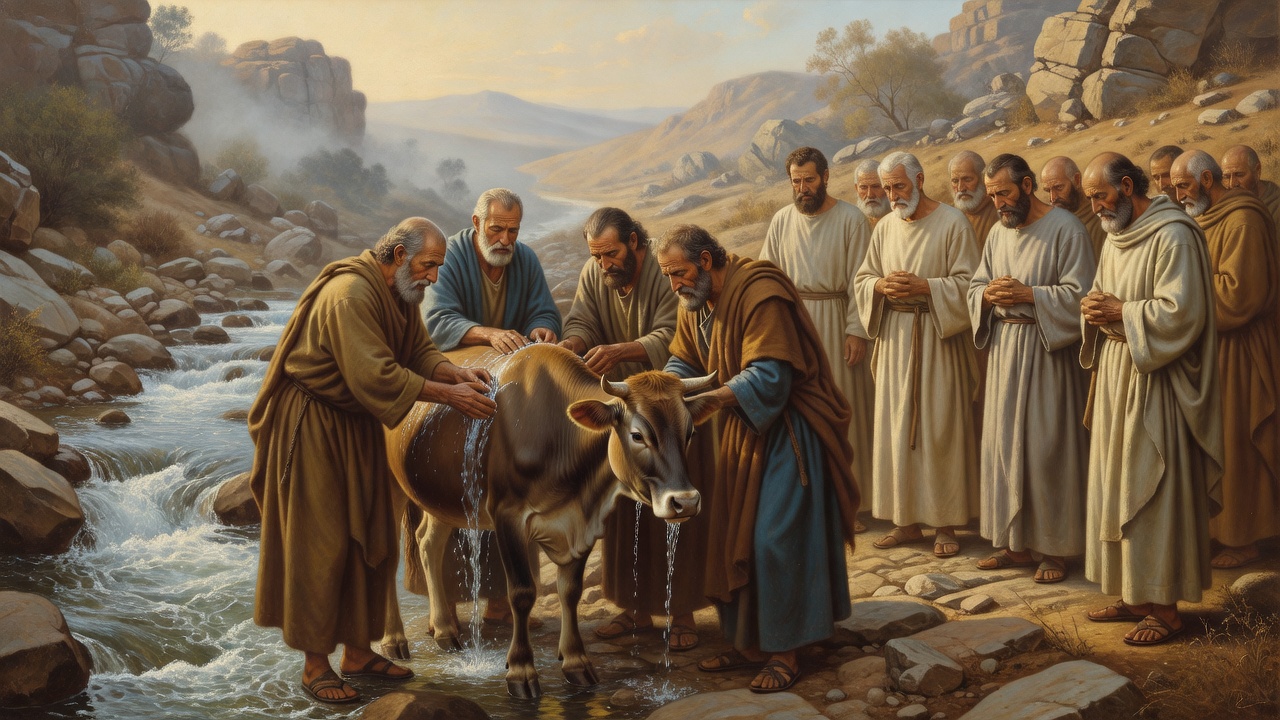
- When a murdered body was found in an open field with no known killer, the elders of the closest town were required to perform an atonement ritual. In an unplowed valley with running water, they washed their hands over a heifer while Levitical priests attended, clearing the community of bloodguilt.Sources: the Bible text itself
- Under the laws of inheritance, a father could not transfer the firstborn's rights to a younger son out of favoritism for a beloved wife. The eldest son, even if born to an unloved wife, was legally guaranteed a double portion of the father's estate.Sources: the Bible text itself
- If an executed criminal's body was hung on a tree as a public warning, it had to be taken down and buried before nightfall. The law stated that anyone hung on a tree was under God's curse, and leaving the corpse overnight would defile the land.Sources: the Bible text itself
Notes written with AI assistance from open sources (Theographic Bible Metadata, CC BY-SA 4.0; Easton’s Bible Dictionary, public domain) and reviewed before publishing.
Credits and license for this translation
Kitabu ka Kanu
Portions of the Holy Bible in the Baga Sitemu language of Guinea
Des portions de la Sainte Bible dans la langue Baga Sitemu de Guinée
copyright © 2015 Pioneer Bible Translators
Language: Baga Sitemu
Translation by: Traducteurs Pionniers de la Bible
Contributor: Pioneer Bible Translators
This translation is made available to you under the terms of the
Creative Commons Attribution Share-Alike license 4.0.
You have permission to share and redistribute this Bible translation in any format and to make reasonable revisions and adaptations of this translation, provided that:
You include the above copyright and source information.
If you make any changes to the text, you must indicate that you did so in a way that makes it clear that the original licensor is not necessarily endorsing your changes.
If you redistribute this text, you must distribute your contributions under the same license as the original.
Pictures included with Scriptures and other documents on this site are licensed just for use with those Scriptures and documents.
For other uses, please contact the respective copyright owners.
Note that in addition to the rules above, revising and adapting God's Word involves a great responsibility to be true to God's Word. See Revelation 22:18-19.
2025-04-29
Source: http://ebible.org/bsp/ · eBible.org